
Reviewed · MACARON & PASTRY CLASSES
Paris: Choux Pastry and Chocolate Éclair Making Class
This Paris cooking class is a fun, very practical way to learn two of the most useful French pastry skills: choux pastry and the fillings that make éclairs taste like Paris. You start in the Latin Quarter near Notre-Dame and end with a box of what you made, ready for friends, family, or a serious solo snack session.
Two things I like a lot are the focus on technique, not just results, and the teacher energy. In different dates, instructors like Stefan, Florence, Stephane, and Anne show up in the classroom, and the common thread is clear, friendly coaching plus lots of individual attention in a small group. One drawback to consider is that the class is only 3 hours total, with about 2 hours hands-on, and the kitchen has rules for children.
Key things that make this class worth your time
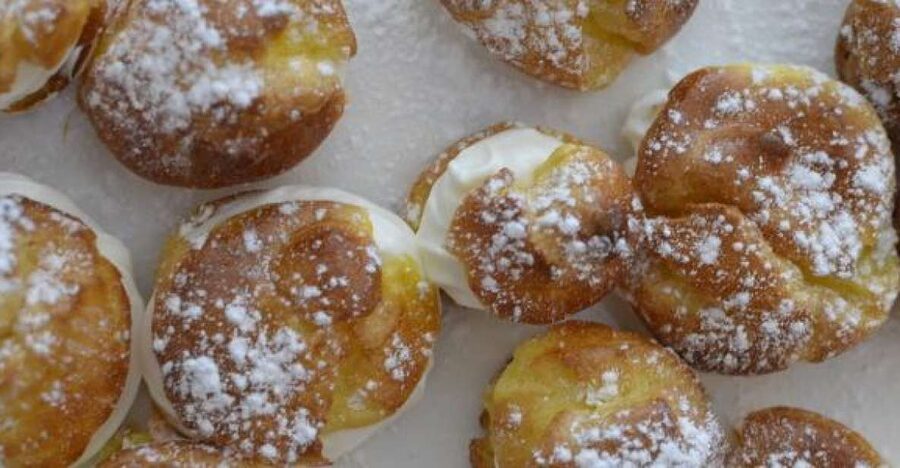
- Pâte à Choux basics that actually stick, taught step by step so your piping and shells come out right
- Crème pâtissière + chantilly practice, the real building blocks behind classic French pastry
- Small group format, usually 3 to 7 people in the work area, with limited seats overall
- Piping and finishing skills for chocolate éclairs and cream puffs, not just mixing batter
- Teatime stories with a French pastry tone, often playful and culture-focused
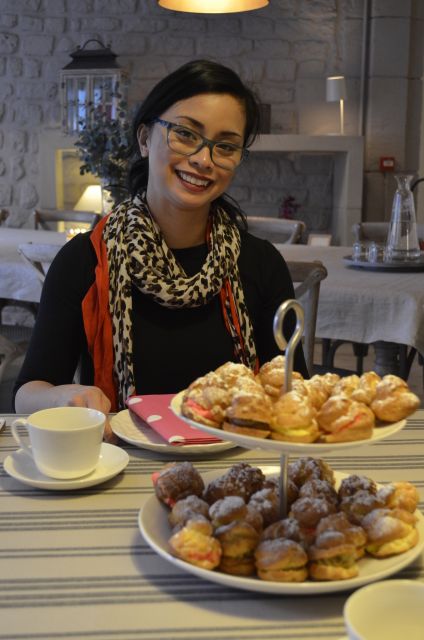
- Take-home box included, so you leave with something real, not just photos
Why Choux Pastry and Chocolate Eclairs Are a Smart Paris Skill
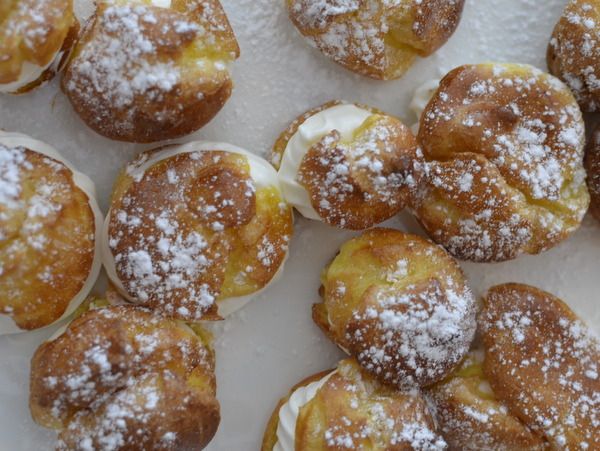
If you like desserts, this class is a shortcut to understanding French pâtisserie the way professionals think. Choux looks a little intimidating at first, but it is logic plus timing. When you learn the dough, the baking, and the fill-and-finish workflow, you stop guessing and you start producing.
What makes this experience especially useful is that it combines multiple layers of the same system. You do the Pâte à Choux shell, then you do the crème pâtissière and chantilly you’ll pipe or combine, and then you assemble a finished chocolate éclair and cream puffs. Instead of learning one isolated recipe, you build a repeatable method.
I also like the realism: pastry chefs do not just talk about taste. They talk about texture, consistency, and what to watch for while the pastry is baking. That matters because choux failures are usually predictable. If your dough is too loose or you overbake, the shell will behave differently. Getting coached through the why helps you fix problems later.
More macaron and pastry classes:
- Paris Croissant Small-Group Baking Class with a Chef
★ 5.0 · 910 reviews - Paris: Macaron Class at Galeries Lafayette
★ 4.3 · 905 reviews - Paris: French Croissant Baking Class with a Chef
★ 4.9 · 712 reviews
Starting at Le Foodist, 59 Rue Cardinal Lemoine (Latin Quarter)
You meet at Le Foodist, 59 rue Cardinal Lemoine, 75005 Paris. The location in the Latin Quarter is convenient for a day of sightseeing, especially if you’re spending time around Notre-Dame de Paris. Even if you’re not a big map person, this area is easy to plug into other plans because it is central and walkable.
The check-in setup is also part of the value. The class is designed for a small group, limited to 8 participants. That means you spend more time at your station and less time waiting around while someone translates instructions for a crowd.
One practical tip: arrive with your schedule cleaned up right before class. You are going to have a real hands-on session and you’ll want a calm place to go afterward, so you can eat your take-home pastries while they are still enjoyable.
Small-Group Cooking With English Instruction (and Real Teacher Energy)
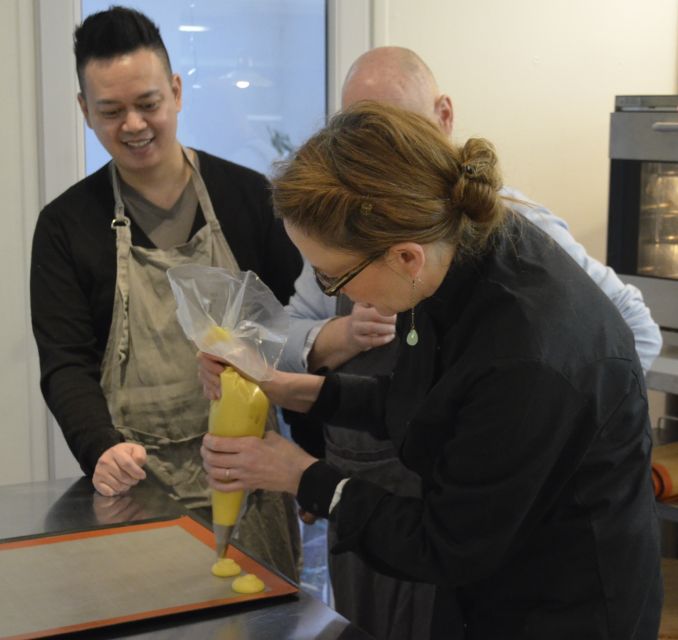
The class runs for 3 hours, and the teaching approach is very hands-on. You work for about 2 hours with instructions for the core components. That leaves time at the start for a welcome refreshment and getting to know the other bakers, and time at the end for tea, coffee, and tasting.
The instruction is in English, which is a big deal for technique-heavy cooking. Baking is not just about measurements. It is about feel, texture, and what the dough should look like as you go. When the teacher explains those visual checkpoints in a clear way, you waste less time and you learn faster.
What I love here is the repeated pattern from different instructors: high energy, patient coaching, and an easy explanation of the why behind the steps. Based on past classes, teachers like Stefan and Stephane are detailed and high-energy, while Florence and Anne are described as excellent instructors who make everyone feel welcome. That matters because choux pastry punishes uncertainty, and encouragement keeps you calm.
Also, the group size is small enough that you are not just watching someone else pipe. You practice. You adjust. You learn where your technique differs from the “perfect” version.
Hands-On Core: Pâte à Choux, Piping, and the Crème Filling
This is the heart of the class, and it’s where you get the skills you’ll use again and again.
More dessert and chocolate tours:
- Paris: Day or Sunset Cruise with Drink, Ice Cream or Dessert
★ 4.4 · 4,225 reviews - Paris: Entrance Ticket to the Chocolate Museum
★ 4.1 · 1,105 reviews - Private Montmartre Food Tour with Wine, Cheese & Pastries
★ 5.0 · 1,027 reviews - Paris French Sweets Tasting Tour with Pastries and Chocolates
★ 4.5 · 947 reviews
Building the shells: Pâte à Choux
You start with the basics of Pâte à Choux, the classic choux dough used for éclairs and cream puffs. The technique is the foundation for everything that follows, and it’s not something you can fake with luck. You follow hands-on instructions for the dough and learn what “right” looks like.
From the way the class is designed, expect to work at your station with guidance, not just a lecture. The goal is to help you understand the critical moments. If you’ve never made choux before, this part can feel fast, but the structure makes it manageable.
Cooking and piping: learning the money move
Once the dough is ready, the class focuses on your ability to pipe. Piping sounds simple until you try it while thinking about size, shape, and even thickness. This class gives you the reps you need to build muscle memory.
Then you go to the next phase: shaping your pastries into chocolate éclairs and choux puffs. You are not just making dough. You are making products with a consistent look.
The filling: crème pâtissière and chantilly
The other key skill is the filling. You make crème pâtissière and also chantilly as part of the workflow. That combination is what gives many French pastries their signature texture and flavor, like a creamy interior with a lighter whipped character.
Crème pâtissière can be temperamental if you rush. Chantilly can turn too soft if you overdo it. In a guided kitchen, you can learn the texture cues and timing, and you can compare what your batch looks like against what the teacher expects.
This class also includes some savory items, so it’s not only dessert all the time. That variety helps the session feel less like a sugar sprint.
Teatime Stories and the French Pâtisserie Conversation
After the baking work, you get a break that still feels connected to the theme. A native French instructor comes in with tea-time stories about French culture and pastry, often light and tongue-in-cheek. You sit down with tea, coffee, or organic fruit juices, depending on what’s offered in your session.
I actually like this part because it turns what could be a purely technical class into something you remember. When a teacher explains the cultural habits and the playful side of pâtisserie, you feel less like you’re copying instructions and more like you’re participating in a tradition.
You also tend to hear about the “why” behind techniques in a story format. For example, you might hear how pastry shops used choux creatively in older styles. One past class even included a decorative swan shape made from choux, which is the kind of detail you will not see in a basic cooking video.
Even if you never make a swan at home, the point lands: choux is flexible. It is a pastry system, not just one recipe.
What You Leave With, and How to Keep It Enjoyable
You leave with a takeaway box of your own pastries. This is not just a token sample. The class is built so you end with enough of what you made to share.
Because choux pastry is at its best when the shell is properly baked and the filling is fresh, timing matters once you leave the kitchen. Plan on treating your box like a treat you want to enjoy soon, not something you forget in the fridge for a week. If you need to hold them, keep them chilled, and be realistic about texture changes. Cream-filled pastries often get softer as they sit.
Also, since you make multiple items like chocolate éclairs and cream puffs, you’ll have different textures and flavors in the box. That makes the class feel like a proper meal, not just one sweet item.
Price and Value: Is $151 Worth It?
At $151 per person for a 3-hour class, the value comes from what you actually get, not just the topic.
Here’s what you’re paying for:
- Hands-on instruction in the core components: Pâte à Choux, crème pâtissière, and chantilly
- Equipment and apron included, so you do not have to bring tools or buy ingredients
- English recipes in two formats: a hard copy and an electronic copy
- A small group setting, limited overall to 8 people, with a more intimate class size in the kitchen area
- A take-home box, so the cost turns into real food you can share
This is not the same thing as watching a chef demonstrate. You practice piping, you make the fillings, and you assemble finished pastries. That kind of training is hard to replicate alone at home, especially if you want reliable results.
If you’re already a confident baker, you might learn less than a true beginner. If you’re new to pastry, the step-by-step structure and the chance to fix technique in real time can feel like a big win.
Who This Class Fits Best (and Who Might Want to Skip)
This is a good fit if you want a hands-on Paris cooking class that teaches repeatable technique. It works well for:
- First-time bakers who want a guided path to choux pastry success
- People who like desserts but want to understand method, not only taste
- Couples, friends, or parents looking for an activity with a clear result
It also fits well for bonding time. A mother and daughter class experience was described as meaningful, and another class included teens alongside adults, with everyone learning.
Two important “know before you go” notes:
- Unaccompanied minors are not allowed.
- Children under 12 years old cannot enter the kitchen, so they cannot participate. Children aged 12 to 16 must be accompanied by a participating adult.
So if you’re traveling with kids, plan around that. This class is built for people who can actively participate in the kitchen area.
Final Call: Should You Book This Éclair and Choux Class?
Yes, I think you should book it if your goal is to learn the techniques behind classic French pastries and leave with real food you made. The class hits the sweet spot: enough structure to get consistent results, enough practice to build confidence, and enough personality from the instructors to make it enjoyable.
If your main goal is a long sightseeing day with minimal time in a kitchen, this might feel tight because it is focused. But if you want a skill you can actually use later, this is one of the better bets in Paris.
FAQ
How long is the choux pastry and chocolate éclair making class in Paris?
The class lasts 3 hours total, with about 2 hours hands-on baking instruction.
Where do I meet for the class?
Meet at Le Foodist, 59 rue Cardinal Lemoine, 75005 Paris.
How big is the class?
The experience is a small group limited to 8 participants, with classes typically in the 3 to 7 range for a more intimate setup.
Is the class taught in English?
Yes, the instructor provides instruction in English.
Are children allowed to participate?
Unaccompanied minors are not allowed. Children under 12 cannot enter the kitchen, so they cannot participate. Children age 12 to 16 must be accompanied by a participating adult.
What is included in the price?
Included are recipe copies (hard copy and electronic in English), a 2-hour hands-on class covering choux pastry and crème pâtissière, chocolate éclairs and chantilly, equipment and an apron, tea-time stories, and a takeaway box of your pastries.
More Hands-On Workshops in Paris
- Fragonard Paris: Mini Perfume Workshop
★ 4.5 · 1,924 reviews - Paris Cooking Class and Lunch with Wine plus Market Visit Option
★ 5.0 · 1,024 reviews - Paris: 2-Hour Perfume Creation Workshop
★ 4.8 · 731 reviews - Paris Cooking Class: Learn How to Make Macarons
★ 5.0 · 634 reviews
Recently added around Paris
- Paris: Louvre Masterpieces Private Tour with Reserved Entry★ 4.3 · 144 reviews
- Paris: Living Cheese Museum Guided Tour with Cheese Tasting★ 4.8 · 182 reviews
- Paris Louvre Exclusive Semi Private Guided Tour Max 6 People★ 4.6 · 28 reviews
- Paris: Louvre Guided Tour with Skip-the-Line Entry Tickets★ 3.5 · 73 reviews
- Paris: Live Guided Cruise with Crepe and Soft Drink★ 3.9 · 14 reviews
- Paris Le Marais Walking Tour: Small Group Experience★ 5.0 · 7 reviews
- Paris: Lemon Tart Baking Class with a Pastry Chef★ 5.0 · 4 reviews
- Paris Le Marais Food Tour: Full Traditional French Feast★ 4.8 · 119 reviews
Macaron & Pastry Classes, compared.
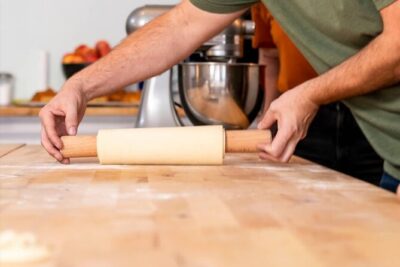
Paris Croissant Small-Group Baking Class with a Chef
Read our review →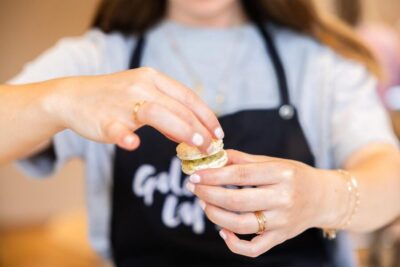
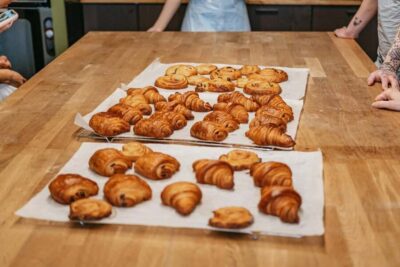
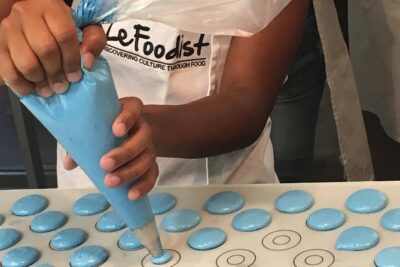
Paris Cooking Class: Learn How to Make Macarons
Read our review →
45-minute Chocolate Making Workshop at Choco-Story
Read our review →
Chocolate & Patisserie Walking Tour with Tastings
Read our review →
Paris Chocolate, Macaron & Pastry Food Tour: 10 Gourmet Tastings
Read our review →Browse the lists this tour appears in