
Reviewed · MACARON & PASTRY CLASSES
Paris Croissant Small-Group Baking Class with a Chef
This croissant class is interesting because you are not just watching. You are in a working pastry studio, kneading and shaping with real guidance, then tasting what your hands made.
I love the small-group setup and the fact that you get personal attention while you learn the technique. I also like that you leave with a take-home recipe booklet so the steps are still in your pocket after you fly home.
One drawback to consider: dough work takes focus. If you want pure sightseeing time with zero mess and zero effort, this is probably not your best match.
Key Highlights You Should Care About
- Eight-person coaching with plenty of chances to ask why something works
- Croissants plus pain au chocolat and pain au raisin in one 2.5-hour session
- Hot and cold drinks during the workshop, not just at the end
- You take home what you bake, plus an illustrated recipe booklet for later
- English instruction and hands-on practice, including shaping and baking
Entering The Pastry Studio Near Place des Vosges
Your workshop starts at 7 Rue de Béarn in Paris 3rd arrondissement, close to Place des Vosges in the Marais area. That matters because you are stepping into a classic neighborhood while still doing an activity that feels made for food lovers, not for a bus tour crowd.
Once you arrive, you meet your chef-instructor and your small group inside the fully equipped pastry studio. Expect aprons and utensils to be provided, so you can focus on the work instead of hunting for supplies. Several instructors are praised by name in past sessions, including Clara, Prisca, and Chef Felix, which is a good sign that the staff style is consistent: clear steps, patience, and real teaching, not a rushed show-and-tell.
Also, the class is run in English. That is a big deal for this kind of skill training, because croissants are detail-heavy. If you miss one step, you can end up with a dense result instead of layers.
More macaron and pastry classes:
- Paris: Macaron Class at Galeries Lafayette
★ 4.3 · 905 reviews - Paris: French Croissant Baking Class with a Chef
★ 4.9 · 712 reviews - Paris Cooking Class: Learn How to Make Macarons
★ 5.0 · 634 reviews
What Happens in the First Hands-On Phase: Croissant Dough and Shaping
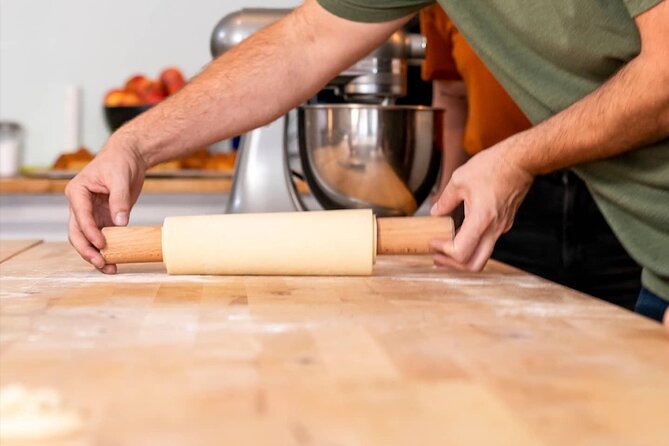
The workshop is built around doing, not watching. After you get your apron and tools, the instructor walks you through the dough process step by step. This is where croissants start to feel less mysterious and more like a repeatable method.
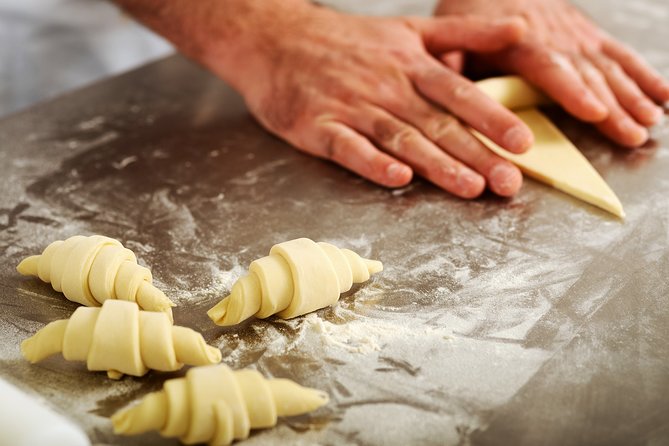
You begin with classic croissants, and you will work through the dough preparation, then shaping. One thing I think you will appreciate is that the teaching includes the why behind the technique. In past classes, instructors such as Milly have been specifically noted for explaining everything very well, including why certain actions are taken. That is the difference between learning a trick and learning a method.
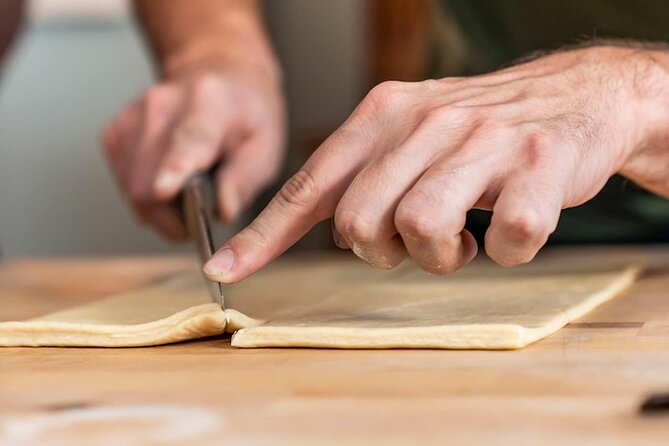
A key moment in croissant baking is the butter and dough handling, since the layers come from the lamination process. Some people describe actually laminating the dough with butter during class, then baking the results. Even if your exact timing differs by batch, the structure is the same: you are not just forming a pastry once. You are participating through the stages that create the final flaky texture.
And yes, you will knead and shape. Plan for a bit of flour on your hands, and wear clothes you do not mind being dough-adjacent.
The Payoff: Pain au Chocolat and Pain au Raisin in the Same Class
After croissants, you move into two other French favorites: pain au chocolat and pain au raisin. This is a smart choice for value because you are practicing more than one style while still staying inside a single workshop.
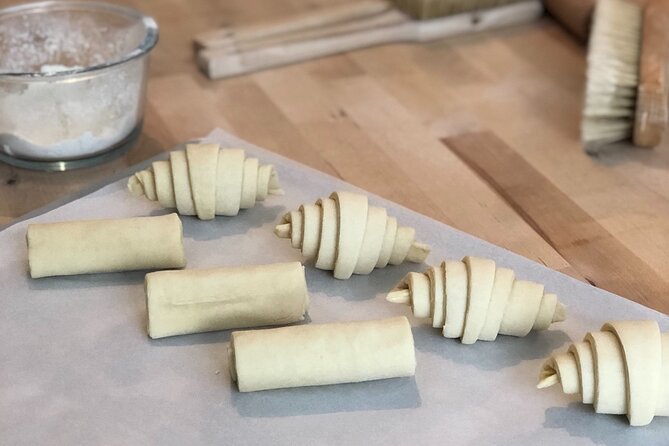
Pain au chocolat is the natural follow-up. You learn how to work with the laminated dough in a way that fits chocolate filling and rolling. If you love the classic Paris bakery look, this is where it starts to click, because you can see how the shape and folding affect the end result.
Pain au raisin adds a different feel. Even though the base is still dough work, the shaping and filling approach changes. It helps you understand that you are learning a framework, not memorizing one pastry.
Also, you get to see the full cycle: dough prep, shaping, baking, and then eating what comes out of the oven. That end-to-end structure is why this kind of class is worth real money, even if you think you will just eat pastries anyway.
Drinks, Tasting, and Taking Home Your Baking
While you work, the class includes both hot and cold beverages. This sounds minor until you are kneading dough for stretches of time. A drink break keeps the workshop comfortable, especially if you take longer while you learn or if your hands need a reset.
Then comes the best part: tasting right after the pastries bake. Many participants mention the excitement of eating fresh pastries from the oven. That matters because croissants and filled pastries are at their peak right after baking, when the crust is still crisp and the interior is warm.
You also take away all the baked goods you make. Some people report leaving with multiple items per person, like a set that can include croissants and chocolate pastries. Even without assuming exact counts for every session, the clear promise is that you walk out with your work, not just a photo and a lingering smell.
You also receive an illustrated booklet with recipes. This is one of the most practical extras. Croissant baking is step-based. If you can review timing and process later, you have a better chance of recreating the results instead of guessing.
More hands-on workshops in Paris:
- Fragonard Paris: Mini Perfume Workshop
★ 4.5 · 1,924 reviews - Paris Cooking Class and Lunch with Wine plus Market Visit Option
★ 5.0 · 1,024 reviews - Paris: 2-Hour Perfume Creation Workshop
★ 4.8 · 731 reviews - Paris: French Macaron Culinary Class with a Chef
★ 4.9 · 591 reviews
The Small-Group Advantage: Why the Ratio Matters
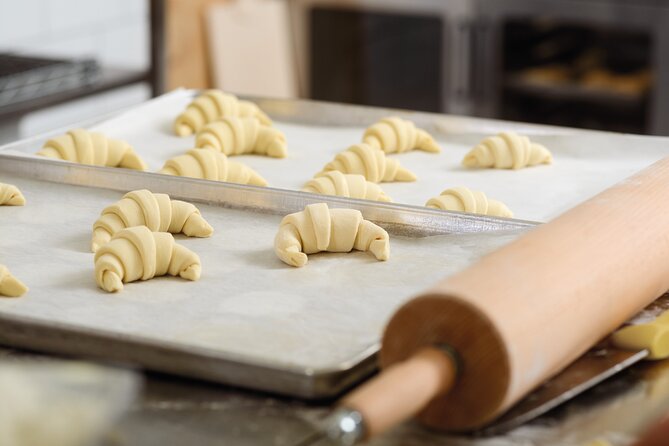
This class is designed to stay intimate. It is limited to only eight participants for personalized attention, and the broader cap for the activity is listed at a maximum of 12. Either way, the theme is the same: you should not be stuck watching while someone else handles the hard parts.
In past sessions, the teaching ratio has been described as about 6 to 1, which is strong for hands-on baking. With that kind of attention, you can ask a question when you notice something off, like dough texture, butter temperature, or how your roll looks before it goes into the oven.
This is also where different instructors shine. Reviews highlight a range of chefs and teachers, including Rosalie, Delphine, Ines, and Lizzy, praised for being friendly, patient, and helpful. The common thread is clear coaching and a pace that lets you participate fully, even if you are a first-timer.
If you are baking at home already, you can still benefit because the instruction targets technique. If you are new to dough, you will benefit because you are doing each step with guidance instead of trying to figure it out from memory later.
Price and Value: Is $157.21 Worth It?
At $157.21 per person for about 2 hours 30 minutes, this is not a bargain in the way a walking tour is. But croissants are labor intensive, and butter and ingredients add up fast. The real value is that you are paying for a chef to guide you through a skill that normally takes practice to master.
This workshop includes:
- Hot and cold drinks during the session
- Instruction and supplies, including aprons and utensils
- Baking and then tasting your results
- Take-home pastries
- An illustrated recipe booklet
- Face masks and hand solution as part of the health and safety setup
So you are not only buying pastries. You are buying time, coaching, and materials, then getting edible results back in your bag.
If you are comparing this to a pure food tour, the difference is that you leave with a new ability. If you are comparing it to an independent croissant baking class online, the difference is live feedback in real time, plus the comfort of a Paris setting where you do not have to guess on temperatures and timing.
This class also tends to book ahead, with an average booking window of about 43 days. If you want a specific date, I would treat this like a popular activity, not a last-minute add-on.
Where to Fit This in Your Paris Week
This class sits in a neighborhood that is good for walking before or after. Starting near Place des Vosges makes it easy to blend with the Marais area, where you can wander, snack, and browse shops once your hands are clean again.
Because the session is about 2.5 hours, it works well as:
- A break from museum-heavy days
- A family-friendly plan for kids who can follow instructions (many families do it successfully)
- A hands-on option if you want something different from the standard Paris checklist
It can also be a smart choice if you are traveling with someone who is not a big museum person. Baking gives both sides a job to do, and it ends with food.
Practical Tips So You Feel Confident on Arrival
First, arrive a few minutes early. You want enough time to settle in, find your spot in the studio, and start without rushing. The meeting point is 7 Rue de Béarn, and the session ends back at the same place.
Second, plan for mess. Flour happens. Butter happens. Your chef will guide you, but you are still working dough with your hands.
Third, go in with curiosity. The class rewards attention to small details. Croissants rely on technique, not luck. If you ask questions while you work, you will get much more from the experience than if you only watch and wait.
Finally, use the recipe booklet as your follow-up plan. If you want to make croissants at home, review the steps while they are still fresh in your mind. The whole point of learning is being able to repeat.
Should You Book This Croissant Baking Class?
I think you should book it if you want a genuinely hands-on Paris food experience and you like learning a skill you can repeat. The combination of croissants plus pain au chocolat plus pain au raisin, the small-group coaching, and the fact that you take home what you bake makes it feel like more than a one-time snack.
I would hesitate if you only want passive sightseeing, or if you hate getting your hands dirty. Also, if the idea of dough timing stresses you out, you may want to go in with a calm mindset. This is a workshop, not a performance.
If you want a practical, satisfying way to spend part of your Paris trip and still come home with knowledge, this is a strong pick.
Recently added around Paris
- Paris: Louvre Masterpieces Private Tour with Reserved Entry★ 4.3 · 144 reviews
- Paris: Living Cheese Museum Guided Tour with Cheese Tasting★ 4.8 · 182 reviews
- Paris Louvre Exclusive Semi Private Guided Tour Max 6 People★ 4.6 · 28 reviews
- Paris: Louvre Guided Tour with Skip-the-Line Entry Tickets★ 3.5 · 73 reviews
- Paris Le Marais Walking Tour: Small Group Experience★ 5.0 · 7 reviews
- Paris: Lemon Tart Baking Class with a Pastry Chef★ 5.0 · 4 reviews
- Paris: Live Guided Cruise with Crepe and Soft Drink★ 3.9 · 14 reviews
- Paris Le Marais Food Tour: Full Traditional French Feast★ 4.8 · 119 reviews
Macaron & Pastry Classes, compared.
Paris Cooking Class: Learn How to Make Macarons
Read our review →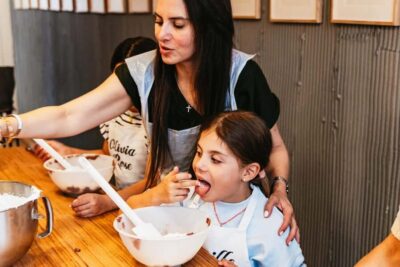
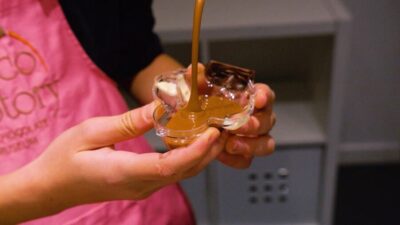
45-minute Chocolate Making Workshop at Choco-Story
Read our review →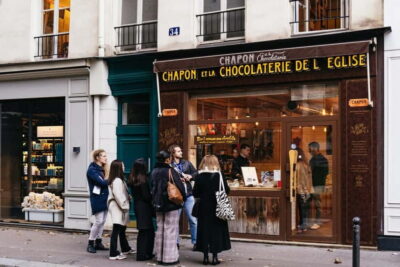
Chocolate & Patisserie Walking Tour with Tastings
Read our review →
Paris Chocolate, Macaron & Pastry Food Tour: 10 Gourmet Tastings
Read our review →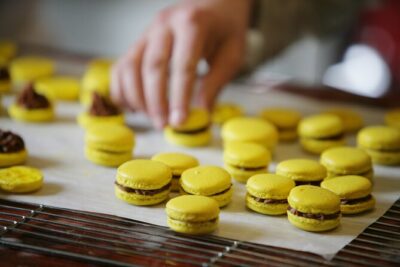
Paris Macarons Small-Group Baking Class with a Chef
Read our review →Browse the lists this tour appears in