
Reviewed · MACARON & PASTRY CLASSES
Paris Cooking Class: Learn How to Make Macarons
Paris macarons are interesting because they are simple on paper and stubborn in real life. This small class at Le Foodist in central Paris turns that frustration into a clear, step-by-step system you can actually follow, even if you’ve never piped anything before. I really like the tiny group of up to four, where the instructor can correct your technique as you go. I also love that you finish with a box of 20 to 30 macarons to take home, not just a tray you have to admire for a moment. The main drawback is the delicate nature of the cookies themselves, so you’ll want a plan for transporting them.
You’ll start in the afternoon at Le Foodist, meet your macaron instructor (many sessions are led by highly energetic pastry chefs like Stéphane, Luc, Paulo, or Fanny), and get a welcome drink. Then you work through the key stages: making meringue shells in the colors you choose, piping buttercream into neat sandwiches, and learning the small tricks that help macaron batter become the right texture. The class ends with a tea or coffee tasting and a bit of culture talk about why macarons matter in French food life.
Quick highlights before you bake
- Up to four people, so you get hands-on coaching instead of watching from the side
- Make the shells from scratch, including the meringue stage that usually scares beginners
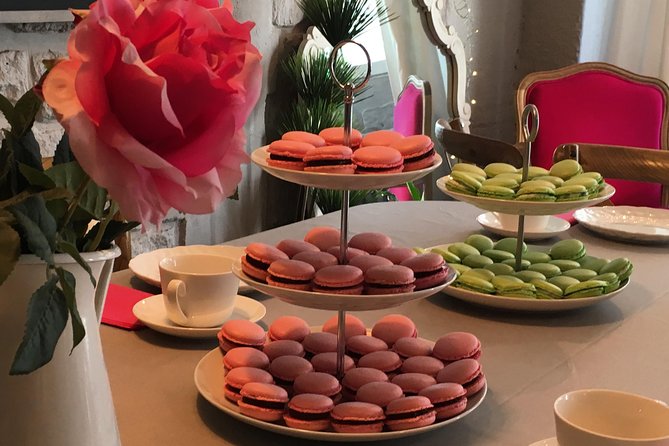
- Choose your colors, so your tray looks like real pâtisserie instead of science project gray
- You take home 20 to 30 macarons, which is a big payoff for a 3-hour afternoon
- Tea or coffee tasting at the end, plus context on macaron tradition
- English instruction and suitable for gluten allergies, which makes planning easier
Le Foodist in central Paris, and the easy start
This class is based out of Le Foodist, at 59 Rue du Cardinal Lemoine, 75005 Paris. Start time is 3:00 pm, and the experience ends back at the same meeting point, so you can fold it neatly into a normal afternoon plan.
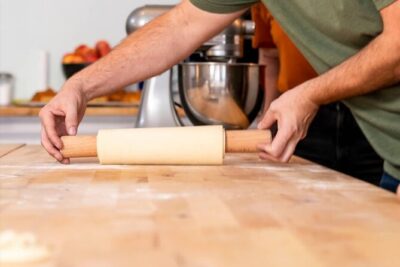
What I like about this setup is that it respects your time. You’re not committing to a half-day bus tour, and you’re not stuck in a long waiting room. You arrive, you settle in, and you go straight into making. The room is set up for cooking classes, with the tools and required attire provided, so you can show up with normal travel-day clothes and focus on the food.
You also get a short warm-up: you meet the instructor over a refreshing drink before the baking starts. That’s more than a nice touch. It helps you understand how the class will run, what the instructor expects, and what to watch for when you’re handling a batter that can go from perfect to ruined quickly.
Practical note: the meeting point is described as being near public transportation, so you should be able to reach it without a long walk from wherever you’re staying. Still, arrive a few minutes early. Macarons are timing-sensitive, and you want to start calm, not rushing.
More macaron and pastry classes:
- Paris Croissant Small-Group Baking Class with a Chef
★ 5.0 · 910 reviews - Paris: Macaron Class at Galeries Lafayette
★ 4.3 · 905 reviews - Paris: French Croissant Baking Class with a Chef
★ 4.9 · 712 reviews
What the 3 hours feels like in real time
The class is about 3 hours total, with a flow that makes sense for a skill you build in stages.
First, you learn the process, then you do it. That matters for macarons. The batter stages look similar to an untrained eye, but small changes in mixing and consistency can create big differences in the final shell. In a small group, you get the chance to correct those changes while you still have time to fix your tray.
During downtime while the shells bake, the instructor typically keeps the room moving. Some sessions include extra explanation, like how the macaron fits into French pastry culture, and others slow down to review what you should do if your next batch needs adjustment. Either way, you’re not just waiting. You’re learning.
At the end, you sample what you made with tea or coffee, and then you leave with your box. You also get a little sense of accomplishment in the practical way that matters: you can compare the shells you built with the standards the instructor is aiming for.
Meringue shells from scratch: the stage that makes or breaks it
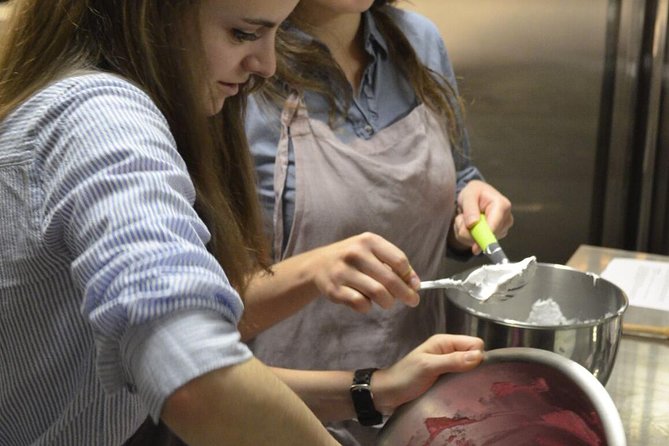
Macarons are famous for being hard for one reason. The shells depend on a meringue base that needs the right texture, beaten and folded to the right degree. If your meringue is too stiff, you get rough tops. If it’s overmixed, the batter can spread too much and lose structure.
This class teaches you the shell-making process from the beginning. You make your own meringue shells from scratch, then color them. That means you learn the method, not just the assembly.
Here’s what this does for you as a visitor. In Paris, it’s easy to buy macarons and call it a day. This class gives you a repeatable skill. You’ll walk away understanding what to look for, not only what to copy. That’s why the feedback is so strong about instructors removing the intimidation factor. You’re not being judged for messy piping or less-than-perfect shapes. You’re being guided toward the process that makes success more likely.
The class also focuses on the practical parts of accuracy: the batter consistency, the visual cues for readiness, and how the tray and oven timing affect outcomes. Those details are what turn macarons from a one-time treat into something you might actually make again at home.
Choosing colors, then piping with confidence
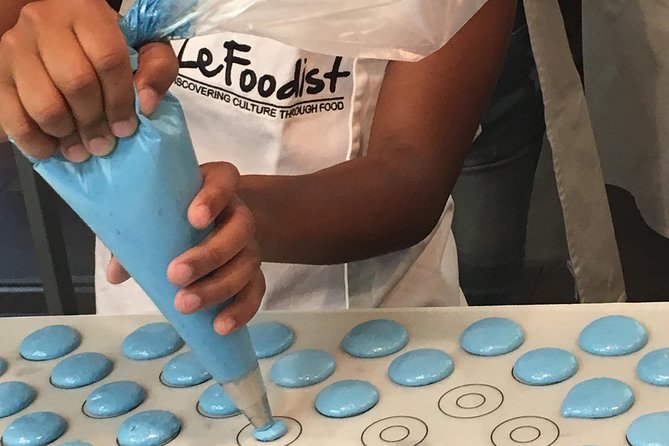
Once you’re working with prepared batter, the class steps into the part most people picture when they think about macarons: piping. This is where you can feel both excited and nervous, because the shape you pipe is the shape you get.
You learn how to pipe the shells and you’re taught to make them in the colors of your choice. That personalization is more than for fun. It helps you slow down and focus on technique. When you’re choosing colors, you have a reason to pay attention to portioning and spacing, instead of just racing to finish.
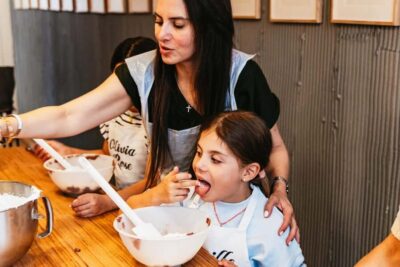
The instructor’s role here is hands-on guidance. In small classes, they can correct what your hands are doing right now. That’s a huge advantage over online recipes where you only find out later that you overmixed or under-piped.
One thing I would keep in mind: piping takes steady pressure and a consistent rhythm. If you think you need artistic perfection, adjust your mindset. The goal is learnable technique. Many people leave talking about how they improved during the class, not whether their macarons look like identical factory shells.
More cooking classes in Paris:
- Paris Cooking Class and Lunch with Wine plus Market Visit Option
★ 5.0 · 1,024 reviews - Paris: French Macaron Culinary Class with a Chef
★ 4.9 · 591 reviews - Paris Evening Cooking Class French Dinner and Market Visit Option
★ 5.0 · 430 reviews - Paris French Cuisine Small Group Cooking Class with Lunch
★ 4.5 · 418 reviews
Buttercream filling: making the sandwich cleanly
Shells are only half the story. A macaron is a sandwich cookie, and the filling matters for both flavor and structure.
You’ll learn to pipe buttercream filling into the shells. The class format is designed so you can practice with support, so you’re not guessing how much filling to use, or how to match shells correctly.
For readers who love desserts, this part is where it gets really satisfying. You move from delicate meringue to something more forgiving and creamy. And because you control the shells and filling, you’re building a finished macaron you can taste immediately at the end.
If you’re someone who has baked before, you’ll still appreciate the focus. Buttercream piping is familiar, but the macaron context is specific. The filling has to work with the shell texture, not fight it.
Tea or coffee tasting, plus why macarons belong in French culture
After the baking and assembly, the class shifts into tasting mode. You sample your macarons with a cup of tea or coffee.
That pairing matters. Tea and coffee keep the sweetness from feeling flat, and they make it easier to detect subtle differences between shells and fillings. It also gives you a chance to see what the instructor taught you land in the real world.
There’s also a cultural component. Your host talks about the macaron’s place in French culture and tradition. It doesn’t turn the class into a lecture. It’s more like context while you eat, which is how cultural food talk should work when you’re spending time with your hands covered in batter earlier in the afternoon.
What you take home, and how to handle it
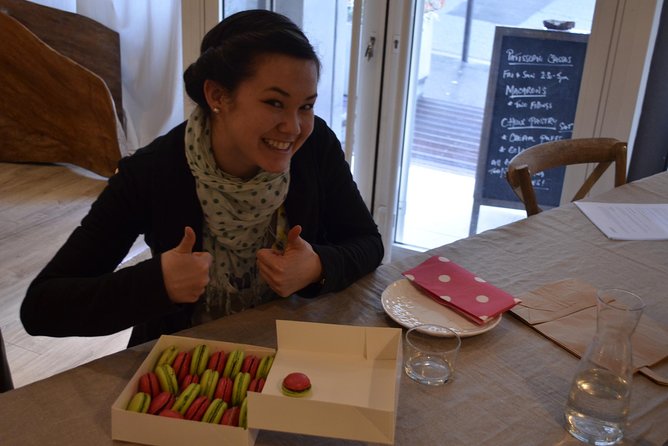
You leave with a box of 20 to 30 macarons. That’s a meaningful quantity for the price and time. It’s also enough to share with someone else or save for later when your schedule gets crazy.
One practical consideration: macarons are delicate. They can get damaged if handled roughly or stacked without care. If you’re flying or crossing town the same day, treat the box like it contains fragile art.
If your goal is to protect your results, plan to carry the box with you rather than checking it. One guest specifically warned about a flimsy feeling box during travel, and the common-sense workaround is simple: keep it with you so it doesn’t get crushed.
Storage note from real life: macarons tend to taste best after a little resting time, so you don’t need to demolish the whole box immediately. Take a breath, taste a few, and save the rest for later.
Price and value: is $156 a fair deal?
The class costs $156 per person and runs about 3 hours. On the surface, it’s not cheap compared with a supermarket dessert. But macaron success is a taught skill, not a quick purchase.
Here’s the value breakdown that makes the price make sense:
- Small group size (max four) means labor and attention per person is high.
- Equipment and attire are included, which matters because you aren’t paying separately for gear or trying to improvise tools.
- You get a welcome drink, and coffee or tea at the end, which makes the class feel like an experience, not a production line.
- You take home 20 to 30 macarons, which is a tangible, edible payoff.
Also, consider the time cost. Learning macarons at home from scratch can mean wasted ingredients, trial batches, and a lot of frustration. Paying for guidance is not only about convenience. It’s about saving money and time on the trial-and-error stage.
If you’re a pastry lover, $156 is easier to justify because you’re leaving with both food and know-how. If you’re only a casual sweets person, you might prefer a shorter tasting-focused option. But for anyone who wants to bake, this is strong value.
Advanced macarons upgrade: what you get for the extra push
There’s an option to upgrade to an advanced macarons class. The description says you’ll learn all the macaron subtleties, which signals a deeper focus than the standard session.
I’d read this upgrade as a chance to tighten your technique. If you already bake or you did well in a previous dessert class, the advanced track likely gives you more ways to fix issues and refine texture.
If you’re a total beginner, the standard class already covers the core. You’ll learn the key steps, the meringue shell process, and the piping techniques, and you’ll still get to take home a big box.
So my advice is straightforward. Choose the standard class if you want guided success with minimal stress. Choose advanced if you’re hungry to learn beyond the basics and you like thinking about why pastry works.
Who this macaron class is best for
This experience fits best with people who want a hands-on skill in the middle of a Paris trip.
You’ll likely enjoy it if:
- You love baking, especially French pastries
- You want a small-group class with personal help, not a big crowd setting
- You appreciate technique, visual cues, and repeatable steps
- You’re traveling with a teen or older child, since the minimum age is 12
- You need a class that works for dietary limits, because it’s listed as suitable for gluten allergies
It can also be a fun family plan, but check the participant rules. The class does not accept unaccompanied children, and the minimum age rule applies. If you’re traveling with kids, go into it knowing you’ll do real baking work, not just decorate cookies.
If you hate anything messy and you want a super polished, low-effort activity, this probably isn’t the one. Macaron-making is hands-on by nature. The upside is that the mess is part of learning.
Should you book this Paris macaron class?
Book it if you want a serious pastry experience without the big-group chaos. The best reason is the combination of small size, hands-on instruction, and a take-home box of 20 to 30 macarons. That’s rare to get in just 3 hours.
If you’re the kind of person who gets frustrated by technical recipes, you should especially consider it. The class is built for learning the tricky parts through direct coaching, so your macarons have a better chance of coming out right.
I’d skip it only if your main goal is to snack and wander. This is for people who want to make, practice, and then taste what they built.
FAQ
How long is the macaron class?
The class lasts about 3 hours.
How many macarons do I take home?
You take home a box of 20 to 30 macarons.
Is the class taught in English?
Yes, the class is offered in English.
What is the group size?
The experience has a maximum of 4 travelers.
Is this class suitable for gluten allergies?
Yes, it is listed as suitable for those with gluten allergies.
Where does the class meet?
Meet at Le Foodist, 59 Rue du Cardinal Lemoine, 75005 Paris. The activity ends back at the meeting point.
What are the cancellation rules?
You can cancel up to 6 days in advance for a full refund. Cancel 2 to 6 days before for a 50 percent refund, and cancel less than 2 days before for no refund.
More Hands-On Workshops in Paris
- Fragonard Paris: Mini Perfume Workshop
★ 4.5 · 1,924 reviews - Paris: 2-Hour Perfume Creation Workshop
★ 4.8 · 731 reviews - Paris: French Wine Tasting Class with Sommelier
★ 4.8 · 505 reviews - Paris: 45-minute Chocolate Making Workshop at Choco-Story
★ 4.4 · 444 reviews
Recently added around Paris
- Paris: Louvre Masterpieces Private Tour with Reserved Entry★ 4.3 · 144 reviews
- Paris: Living Cheese Museum Guided Tour with Cheese Tasting★ 4.8 · 182 reviews
- Paris Louvre Exclusive Semi Private Guided Tour Max 6 People★ 4.6 · 28 reviews
- Paris: Louvre Guided Tour with Skip-the-Line Entry Tickets★ 3.5 · 73 reviews
- Paris Le Marais Walking Tour: Small Group Experience★ 5.0 · 7 reviews
- Paris: Lemon Tart Baking Class with a Pastry Chef★ 5.0 · 4 reviews
- Paris: Live Guided Cruise with Crepe and Soft Drink★ 3.9 · 14 reviews
- Paris Le Marais Food Tour: Full Traditional French Feast★ 4.8 · 119 reviews
Macaron & Pastry Classes, compared.
Paris Croissant Small-Group Baking Class with a Chef
Read our review →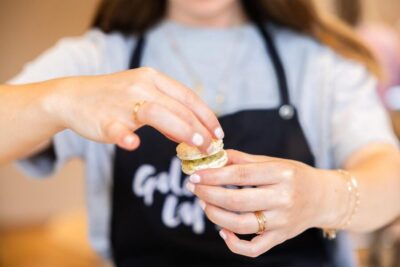
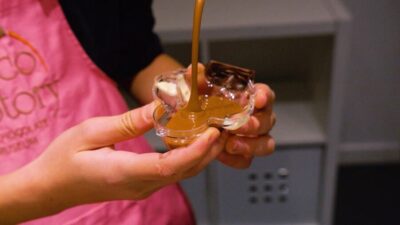
45-minute Chocolate Making Workshop at Choco-Story
Read our review →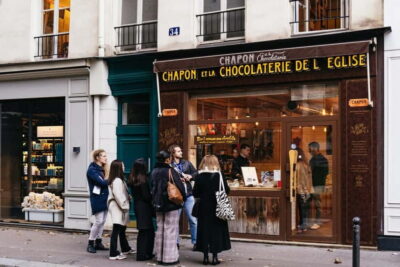
Chocolate & Patisserie Walking Tour with Tastings
Read our review →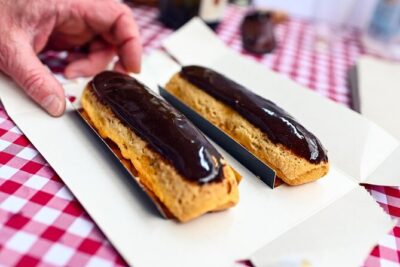
Paris Chocolate, Macaron & Pastry Food Tour: 10 Gourmet Tastings
Read our review →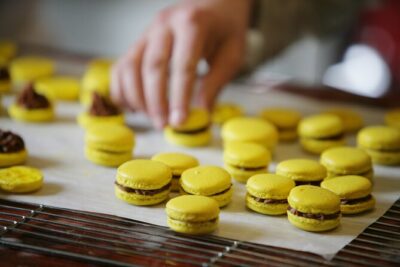
Paris Macarons Small-Group Baking Class with a Chef
Read our review →Browse the lists this tour appears in