
Reviewed · WINE TASTINGS
Paris: French Wine Tasting Class with Sommelier
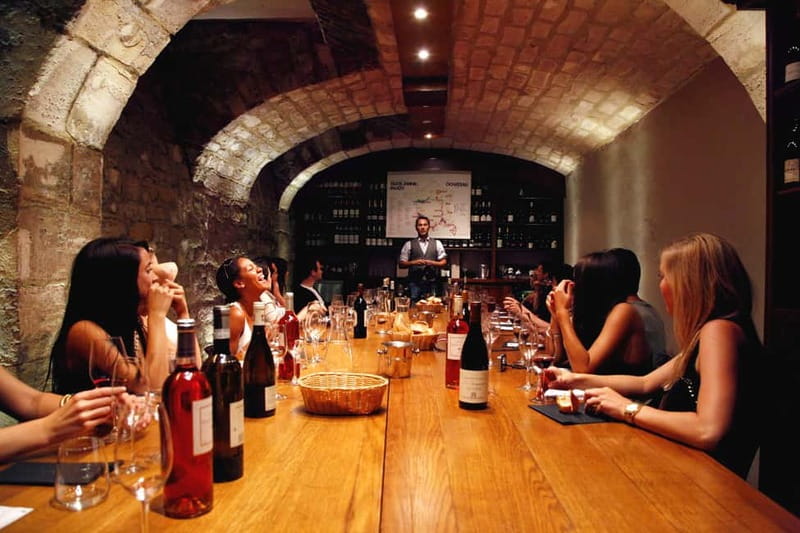
Paris can feel like a wine school you did not sign up for. This French wine tasting class fixes that in two hours, with a guided, sit-down format that teaches you how to taste, not just what to taste. I like that it starts in a 17th-century wine cellar a short walk from the Louvre area, so the setting fits the subject. One thing to keep in mind: cellars can run warm, and some sessions can feel large, so asking questions is easiest when you speak up early.
What I also like is the structure. You taste six wines from six regions of France, including Champagne, and the sommelier ties each pour to grapes, style, and the words you will see on labels. The one potential drawback is that pours use the same glassware for different wine colors, so you may not get a full, formal tasting-table setup.
Key things to know before you go
- Six wines, six regions, plus Champagne, so you get breadth fast
- Terroir and appellation explained in plain language
- Label reading for both French wine and Champagne
- Food pairing focus, starting with bread and optional add-ons
- English live guide with lots of time for questions at the end
- Wine available to buy after the class, if you want a bottle matched to what you learned
Entering a 17th-Century Wine Cellar Near the Louvre at 5pm
This class begins around 5:00pm, which is a smart time in Paris. The afternoon crowds are starting to thin, and you still have energy for a pre-dinner event. You will meet at 68 Rue Jean-Jacques Rousseau in the 1st arrondissement, and the walk is easiest if you use Louvre-Rivoli (Line 1) or Étienne Marcel (Line 4). Either way, you are about a short walk from the Louvre area.
The setting is a real part of the experience. You are not in a showroom or a bland training room. You are tasting in a wine cellar that feels built for slow attention. That matters, because wine tasting is partly about mood. You are paying attention with your nose and palate, so anything that reduces distraction helps.
A practical note: bring light layers or wear something breathable. Some guests mention the cellar runs warm. If you get overheated, you lose focus on smelling and tasting.
More wine tastings in Paris:
- Authentic Parisian Gourmet Food Tour with 10 Local Dishes & Wines
★ 5.0 · 4,754 reviews - Loire Valley Castles Day Trip from Paris with Complementary Wine
★ 4.5 · 3,907 reviews - Montmartre Hill French Gourmet Food and Wine Tasting Walking Tour
★ 5.0 · 2,588 reviews
How the two-hour tasting lesson actually works (six regions plus Champagne)
The pace is built around a simple goal: you leave able to make sense of what is in your glass. You will taste one Champagne and five still French wines, each connected to a different region. The sommelier uses that lineup like a map of France.
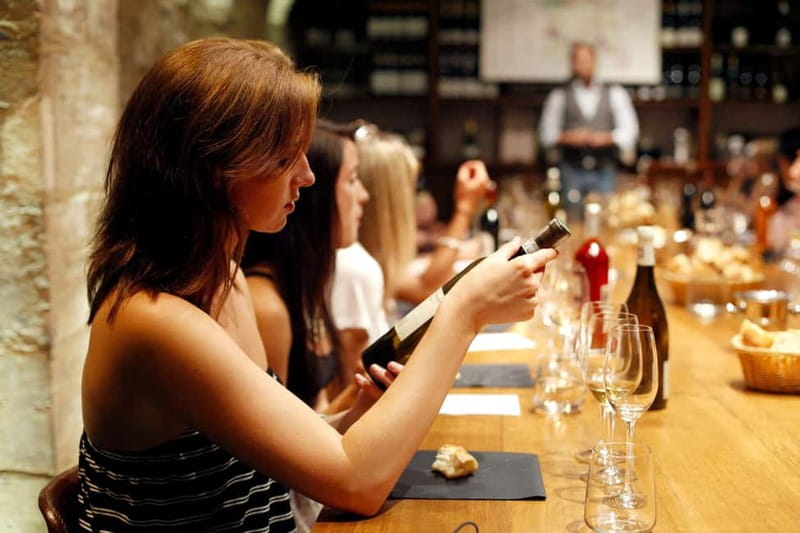
In the first stretch, you get the basics of tasting. Expect the guide to talk you through how to taste wine step by step: look, smell, swirl, and then sip. The goal is not to turn you into a scientist. It is to give you a repeatable routine you can use later in a shop or restaurant.
Then come the wines themselves. Each wine is tied to the region that made it, including:
- what grapes are typical there
- the general style you will recognize
- what the taste should suggest, compared to the other pours
One consistent theme is comparison. You are tasting different styles close together, which is the quickest way to learn what changes the flavor. One moment you are focusing on a wine’s fruit and texture, the next you are noticing structure like acidity or tannins. And because you taste Champagne as its own lesson, you can separate bubbles in your head from still wine expectations.
By the end, the class is not a one-way lecture. There is time to ask questions, so you can push into whatever you care about most. People ask about how Champagne is made, where grape varieties grow, what tannins really do, and what is trending in wine right now.
Terroir and appellation: turning wine label terms into real meaning
A lot of wine education fails because it stays abstract. This session takes those two key terms, terroir and appellation, and turns them into something you can use.
Here is how the concepts usually land when you hear them in this kind of tasting format:
- Terroir becomes the idea that a place shapes a wine through climate, soil, and growing conditions.
- Appellation becomes the set of rules that protects that place and style, including what can be grown and how the wine is made.
The point is not to memorize definitions. The point is to help you read a bottle with logic. If you understand terroir and appellation, you can stop guessing and start predicting. You might not get every detail right on your first try, but you will stop being totally lost when a menu lists a French region instead of a grape name.
It also helps that the sommelier connects the concept to what you taste. As you move through the regions, you can link the words on the table to actual sensory differences. That is why six regions works well here. It is a guided shortcut to pattern recognition.
Champagne, tannins, and the stuff you will actually ask for later
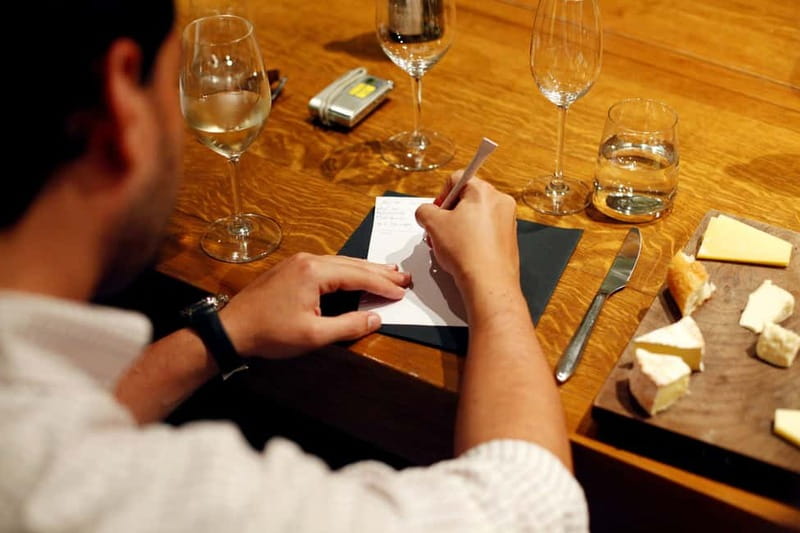
A surprising amount of wine anxiety comes from vocabulary. This class tackles that. Champagne is covered directly, including how it is made, so you are not just treating bubbles like a novelty item. You will also get clarity around tannins, which are usually mentioned but rarely explained in a way that sticks.
Tannins matter because they affect how a wine feels on your palate. They can add a dry, firm sensation, and they also influence food pairing. If you understand tannins, you can make better choices when you see words like dry, structured, or full-bodied on a menu.
The sommelier also covers practical label language and wine reading skills. People often leave saying they can finally look at a bottle and understand what it is telling them, rather than treating labels like decorative text. That is a huge payoff for the small time commitment.
More hands-on workshops in Paris:
- Fragonard Paris: Mini Perfume Workshop
★ 4.5 · 1,924 reviews - Paris Cooking Class and Lunch with Wine plus Market Visit Option
★ 5.0 · 1,024 reviews - Paris Croissant Small-Group Baking Class with a Chef
★ 5.0 · 910 reviews - Paris: Macaron Class at Galeries Lafayette
★ 4.3 · 905 reviews
Reading French wine and Champagne labels without freezing
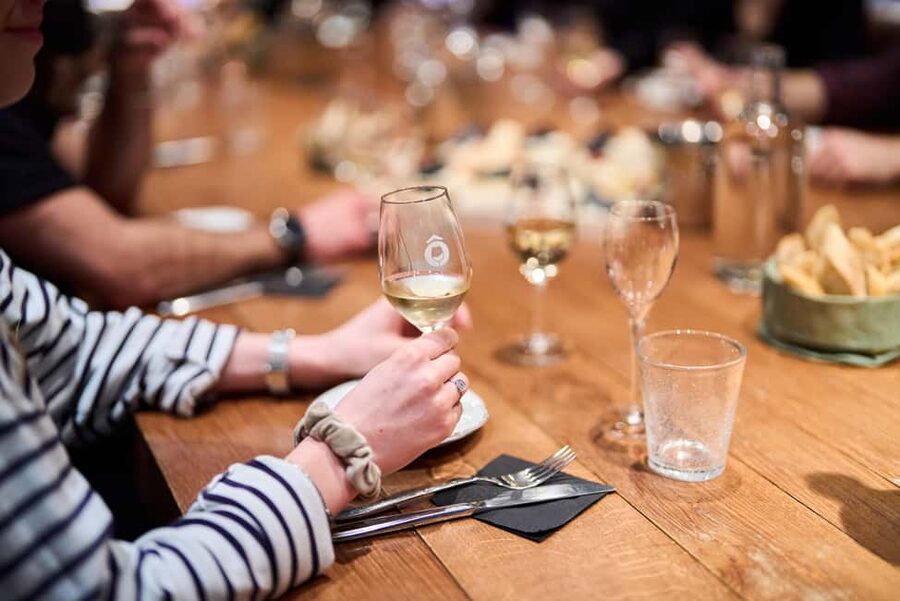
You will get instruction on how to read French wine and Champagne labels. That means you will start noticing patterns:
- what the label suggests about style
- how names relate to regions and rules
- how to interpret key terms you would otherwise skip
Why this matters in Paris: you will likely run into French wine on nearly every restaurant menu. If you can interpret even a few label cues, you can order with confidence instead of defaulting to the easiest-looking bottle.
And Champagne is a special case. The label carries specific information, so learning how to decode it helps you avoid common ordering mistakes, like assuming all sparkling wine works the same way.
If you want to practice on the spot, ask your sommelier to point out what you should look for on the bottle that is in front of you. You will get a more useful lesson when it is tied to real label examples, not just general advice.
Food pairing: bread now, cheese or charcuterie if you want more
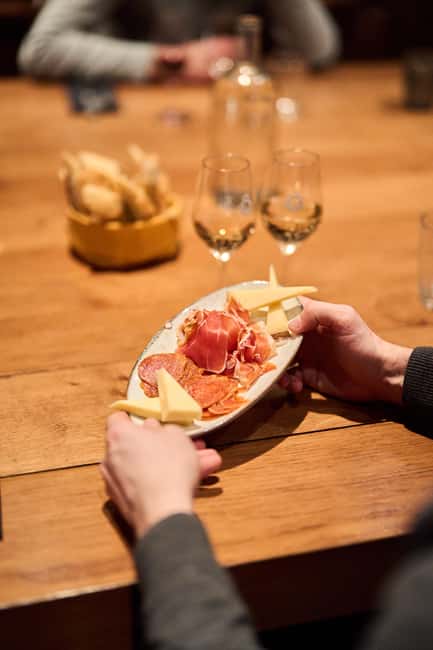
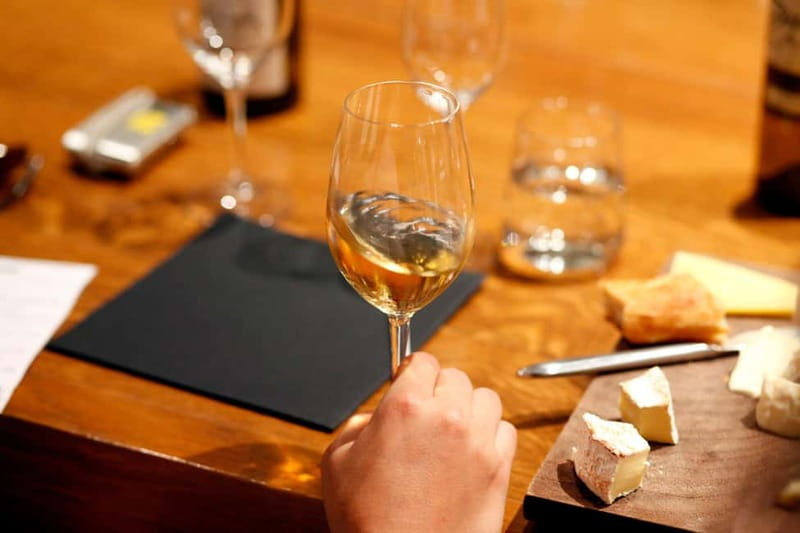
Food pairing is part of the lesson, not an afterthought. You start with a basket of bread and still water on the table, and the guide will connect pairing ideas to the wines you are tasting. Bread is a great tool here because it is neutral. It shows you what the wine tastes like without a complex sauce stealing the focus.
There is also an optional add-on. You can add a cheese or charcuterie platter for plus €15. If you love pairing, this is the moment to lean in. Some people say the cheese option was worth adding on, and at least one guest found the add-on experience better than expected.
One realistic caution: details around add-ons can be a little messy in the real world. If you add a platter, confirm what is included before you pay so there are no surprises later. That kind of check takes 30 seconds and saves a headache.
The value question: is $85 worth it for a two-hour class?
At $85 per person, you are paying for three things at once: instruction, guided tasting, and the opportunity to compare multiple French regions without doing the heavy lifting yourself.
Here is the value logic that makes this feel fair:
- You taste six wines (one Champagne plus five still wines) in a guided flow.
- You get a sommelier-led explanation of terroir, appellation, label reading, and tasting method.
- You leave with a clearer sense of what to order in restaurants, which can save money and disappointment later.
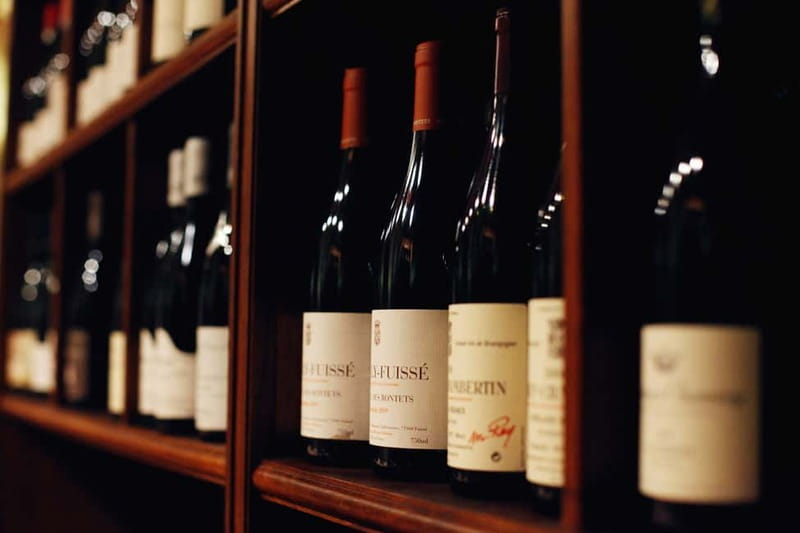
And there is a practical bonus: wines served in the class are available to buy afterward, and you can ask the sommelier for recommendations. That turns learning into action. If you find a style you like, you can take it home instead of hoping you remember the bottle name.
Also, the pacing matters. Two hours is long enough to learn something real, but short enough that you can still enjoy the rest of your evening.
Who should book this Paris wine class
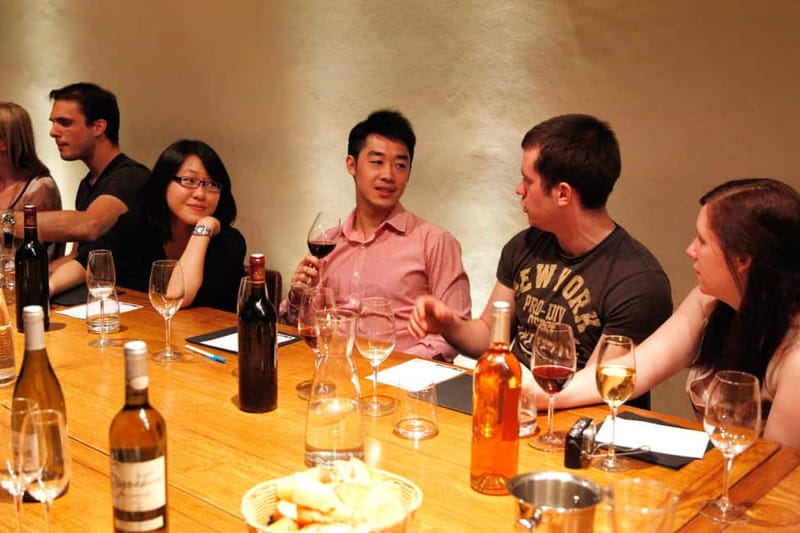
This works well if:
- you are brand new to tasting and want a simple routine
- you want to understand French wine labels without getting stuck in trivia
- you like a pre-dinner activity that still feels social and fun
- you want expert guidance in English with time for questions
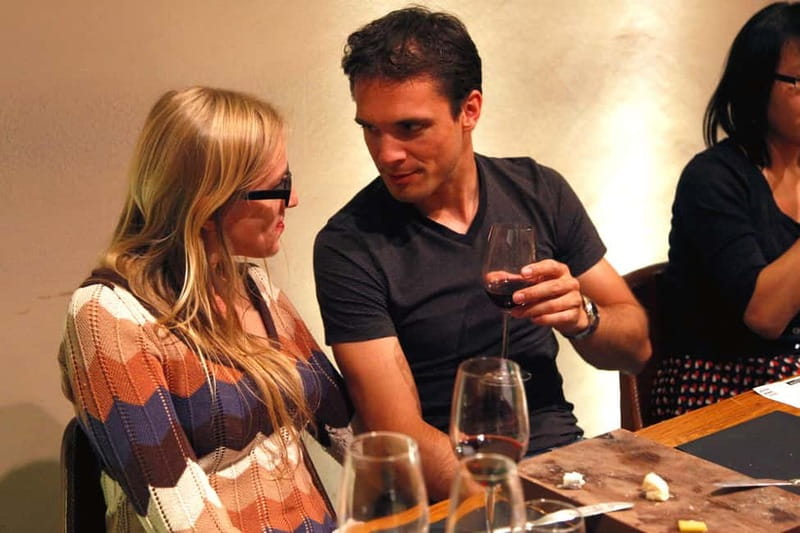
It is also a good fit for couples and small groups. The format encourages interaction, and many guests describe feeling relaxed and comfortable once the sommelier sets the tone. You will likely meet friendly people at the table, and tasting as a group keeps it lively.
One more note: if you hate big group settings, pick your comfort level. Some classes can feel sizable, like a group of about 25. In that situation, questions are still possible, but you may need to ask earlier rather than waiting for the very end.
Small tips that make a big difference
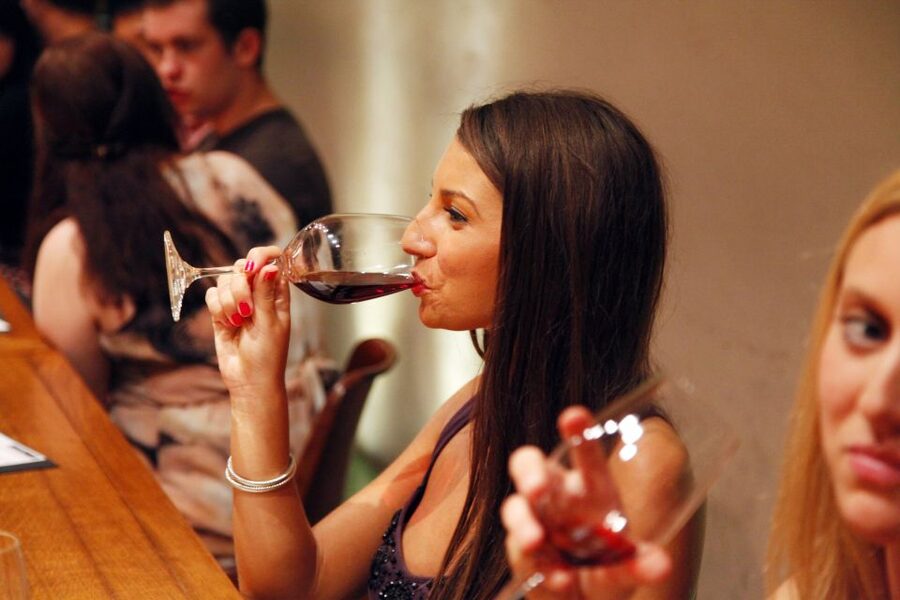
These are the tiny things that help you get more out of the class:
- Ask about what makes each wine different right after you taste it. The comparison window is fresh then.
- If tannins or Champagne questions are on your mind, write them down mentally and save them for the question time around 7:00pm.
- If you add a cheese or charcuterie platter, double check what is included before you pay.
- Dress for warmth. You might be in a cellar where the temperature surprises you.
Names you might meet, and why the host style matters
A big part of why these classes land well is the way the host teaches. Different sommelier styles show up across the sessions, and you may recognize names like Jasmina, Clement, Pierre, Laurie, Paul, Preston, and Gerard. In general, the best ones balance humor with clear explanations, and they keep the group involved while still moving through the planned wines.
If you get a host who teaches through questions and quick comparisons, you will learn faster because you are doing the thinking, not just listening.
Should you book the O Chateau Paris Wine Tasting class?
I would book it if you want a focused, fun way to learn French wine without spending all day on it. The two-hour timing, the six-region tastings, and the label and pairing teaching make it a strong value for $85. It is also ideal as a first wine experience because it gives you tools you can reuse immediately.
Skip it only if you strongly prefer a very small class size or you dislike structured tastings where the host controls the schedule. In larger groups, you might feel a bit less confident asking questions unless you are proactive.
If you want to start your Paris evening with something smarter than wandering, this is a reliable pick. You will leave with a tasting routine, a few French wine words that actually mean something, and a better idea of what to order when you see that next bottle on a restaurant menu. Santé et bon appétit.
FAQ
What time does the wine tasting start?
The class starts at 5:00pm and lasts 2 hours. It typically ends around 7:00pm.
Where is the meeting point?
You meet at 68 Rue Jean-Jacques Rousseau in Paris (1st arrondissement). The closest metro stations are Louvre-Rivoli (Line 1) and Étienne Marcel (Line 4).
How many wines will I taste?
You taste six samples total: one Champagne and five still French wines from five different regions of France.
What does the class include?
It includes a sommelier presentation, a wine list, still water, and a basket of bread. The tastings include Champagne and five additional French wines.
Is there an optional add-on?
Yes. You can add a cheese or charcuterie platter for €15.
Will the tour be in English?
Yes, the live guide provides the experience in English.
What will I learn besides tasting wine?
You will learn how to taste wine, understand concepts like terroir and appellation, and how to read French wine and Champagne labels. Food and wine pairing is also covered.
Can I buy the wines after the class?
Yes. Wines tasted during the class are available to buy, and you can ask the sommelier for recommendations.
What is the cancellation policy?
Free cancellation is available up to 24 hours in advance for a full refund.
More Food & Drink in Paris
- Paris: Seine Cruise & Crepe Tasting near the Eiffel Tower
★ 4.4 · 11,231 reviews - Normandy D-Day Small-Group Day Trip with Omaha Beach, Cemetery & Cider Tasting
★ 5.0 · 2,786 reviews - Paris: Illuminated Evening River Cruise & Waffle Tasting
★ 4.1 · 2,697 reviews - Devour Paris Ultimate Food Tour
★ 5.0 · 2,087 reviews
More Wine Tours in Paris
- Paris: Moulin Rouge Cabaret Show Ticket with Champagne
★ 4.7 · 16,088 reviews - Paris: Montmartre Cheese, Wine & Pastry Guided Walking Tour
★ 4.8 · 2,255 reviews - Paris: Paradis Latin Cabaret Show with Optional Champagne
★ 4.6 · 2,231 reviews - From Paris: Loire Valley Castles Day Trip With Wine Tasting
★ 4.6 · 1,727 reviews
Recently added around Paris
- Paris: Louvre Masterpieces Private Tour with Reserved Entry★ 4.3 · 144 reviews
- Paris: Living Cheese Museum Guided Tour with Cheese Tasting★ 4.8 · 182 reviews
- Paris Louvre Exclusive Semi Private Guided Tour Max 6 People★ 4.6 · 28 reviews
- Paris: Louvre Guided Tour with Skip-the-Line Entry Tickets★ 3.5 · 73 reviews
- Paris Le Marais Walking Tour: Small Group Experience★ 5.0 · 7 reviews
- Paris: Lemon Tart Baking Class with a Pastry Chef★ 5.0 · 4 reviews
- Paris: Live Guided Cruise with Crepe and Soft Drink★ 3.9 · 14 reviews
- Paris Le Marais Food Tour: Full Traditional French Feast★ 4.8 · 119 reviews
Wine Tastings, compared.
Authentic Parisian Gourmet Food Tour with 10 Local Dishes & Wines
Read our review →
Loire Valley Castles Day Trip from Paris with Complementary Wine
Read our review →
Montmartre Hill French Gourmet Food and Wine Tasting Walking Tour
Read our review →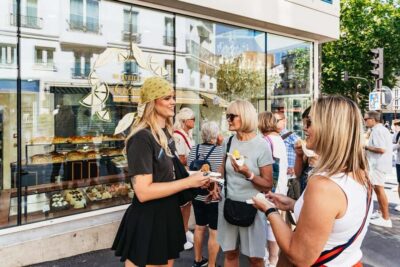
Montmartre Cheese, Wine & Pastry Guided Walking Tour
Read our review →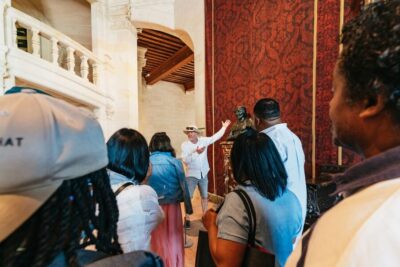
Loire Valley Castles Day Trip With Wine Tasting
Read our review →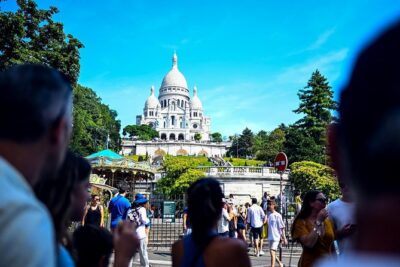
Private Montmartre Food Tour with Wine, Cheese & Pastries
Read our review →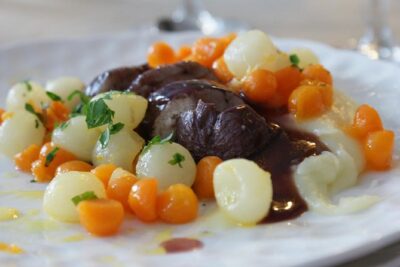
Paris Cooking Class and Lunch with Wine plus Market Visit Option
Read our review →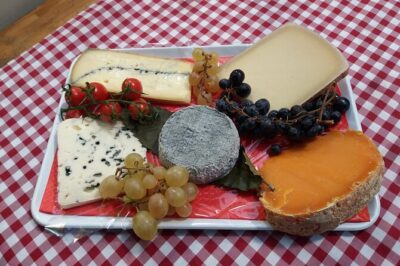
Paris Le Marais Food Tour With 10+ Tastings, Cheese, Wine & More
Read our review →Browse the lists this tour appears in