
Reviewed · MACARON & PASTRY CLASSES
Paris: French Croissant Baking Class with a Chef
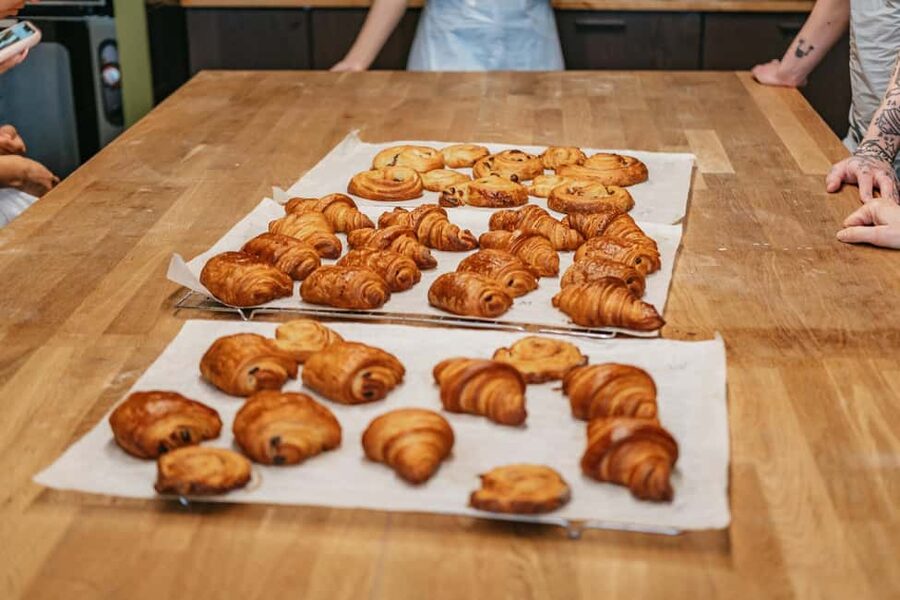
This croissant baking class is interesting because you learn the real moving parts of French laminated pastry in Maison Fleuret school in Paris, not just a quick recipe demo. I love the small group of 8, since it turns the class into hands-on coaching instead of watching from the sidelines. I also like that you practice more than plain croissants, including chocolate options like pain au chocolat-style pastries and chocolate snails.
The main drawback to consider is value for money. At $159 per person, it is a splurge, and because there is no hotel pickup, you’ll want to be confident navigating to 3 Rue des 3 Portes on your own.
Key things I’d focus on before you book
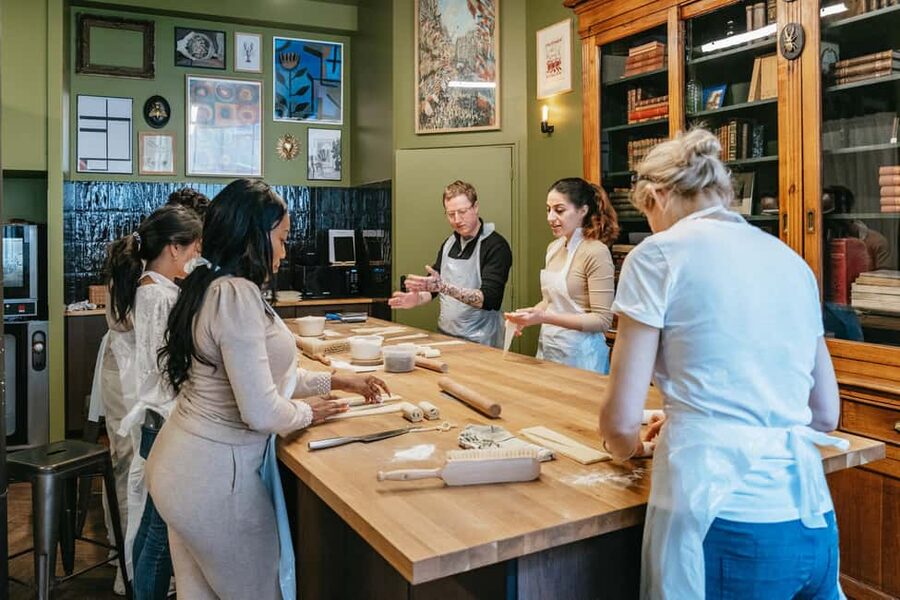
- Small group, close coaching with a limit of 8 participants, so you can ask questions while the dough is still in play
- Laminated dough technique that you can actually repeat at home, not just a vague “fold and bake” lesson
- Classic plus chocolate pastries including chocolate croissants and chocolate snails, with plenty of guided practice
- English-speaking chef instruction, which matters a lot for timing, feel, and dough texture
- Left Bank location at Maison Fleuret, a convenient base near the Notre-Dame area
- You eat and take home what you make, so the class can cover more than one meal
Maison Fleuret croissant class in Paris, why the format matters
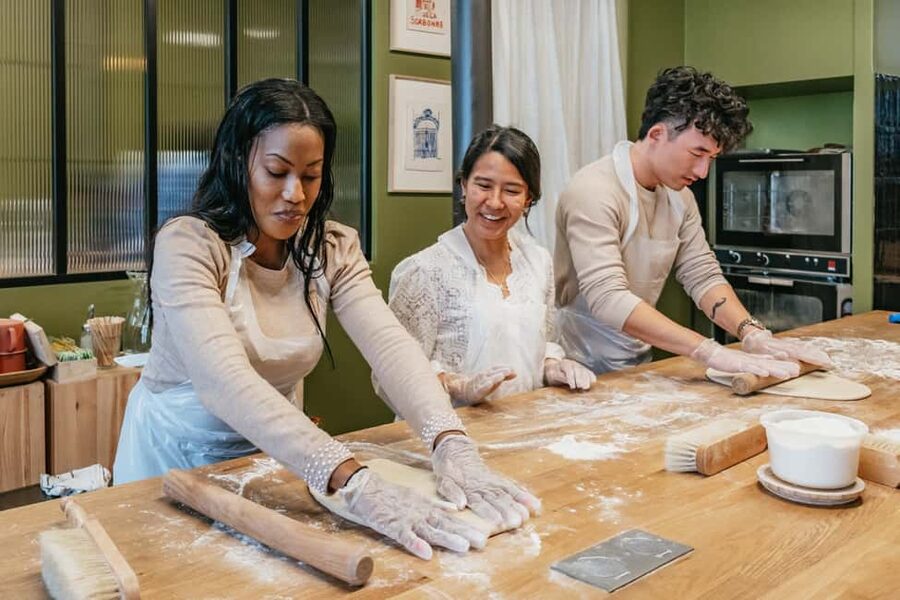
If you have ever tried to make croissants at home, you already know the hard part is not the romance. It is the process control. Timing, temperature, and the way the butter layer behaves inside the dough are what make or break that crisp, airy texture.
That is why I like this setup at Maison Fleuret. You are working in a real pastry school environment, with pro instruction geared toward getting you to competence, not just a tasty result. The small group size is a big deal too. With only up to 8 people in the room, you get the kind of attention that lets you correct problems early, like when dough warms up too fast or when folds get uneven.
I also appreciate that the class treats croissants as a skill you can build. You are not just handed a final recipe card and sent off. You practice technique, learn why each step matters, and then leave with the confidence to repeat the work at home.
More macaron and pastry classes:
- Paris Croissant Small-Group Baking Class with a Chef
★ 5.0 · 910 reviews - Paris: Macaron Class at Galeries Lafayette
★ 4.3 · 905 reviews - Paris Cooking Class: Learn How to Make Macarons
★ 5.0 · 634 reviews
Finding 3 Rue des 3 Portes on the Left Bank
You start at 3 Rue des 3 Portes, on the Left Bank, then the activity runs from that meeting area to the Maison Fleuret space and back again. The practical value here is simple: you do not end up stranded across the city after the class. Plan to arrive a few minutes early, then once you check in, you can treat the neighborhood like part of your warm-up.
People also note this area as lively and close to the Notre-Dame side of Paris. That matters because it makes the class easier to work into a day. If you have ever scheduled cooking classes in the middle of nowhere, this is the opposite. You can pair it with a short walk after, or schedule it early so you get your pastry fix without stealing your entire day.
One more real-world tip: metro delays happen. In one recent session, the group did not start without late participants. I would still not plan on a guaranteed wait every time, but it is reassuring to know the team can handle small timing hiccups.
What happens in the 150 minutes, step by step
The class runs about 150 minutes, which is a sweet spot. Long enough to teach laminated dough in a meaningful way, short enough that you are not stuck in a kitchen for half a day.
Here is what your session typically feels like, in human terms:
- You begin with a chef instructor who sets the workflow and explains what you are about to do, in English. This is crucial for croissants because “fold” is not one action. It is a series of moves with specific goals.
- You work through the dough and butter layering process. Expect lots of technique talk: how the dough should feel, how to handle it without tearing, and how to keep the layers intact.
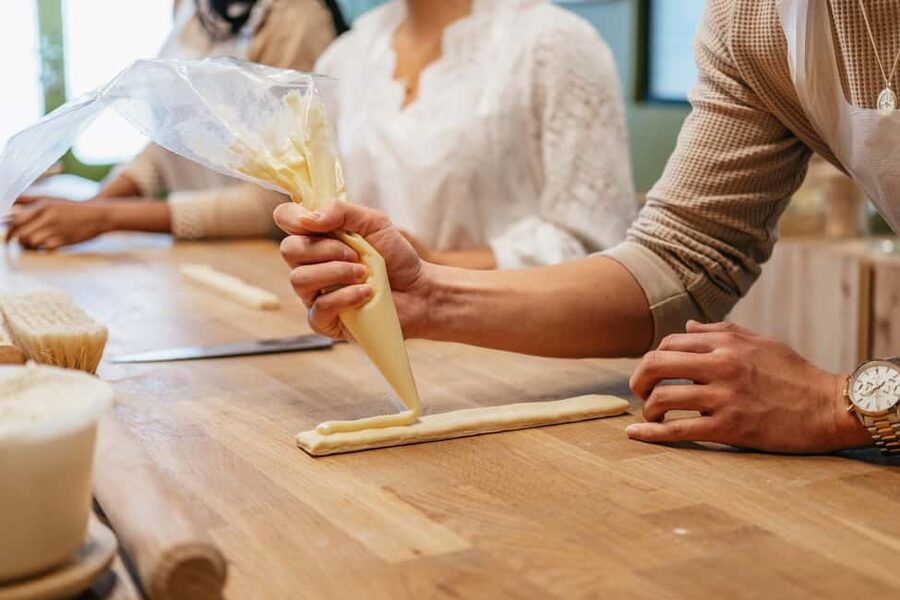
- You shape and form items, then bake. Even if you are not doing every stage from start to finish yourself, you are involved enough to understand where mistakes happen.
- You finish with a tasting, plus a take-home stash based on what you made.
Because croissants are timing-sensitive, you do not get to freestyle. That is a good thing. Professional guidance helps you avoid the two most common home-baker failures: overworking the dough and letting it warm up too much before baking.
Another practical detail I like: the group is small enough that you can work in pairs and still feel like you have a direct line to the chef when you need help.
Laminated dough technique you can repeat at home
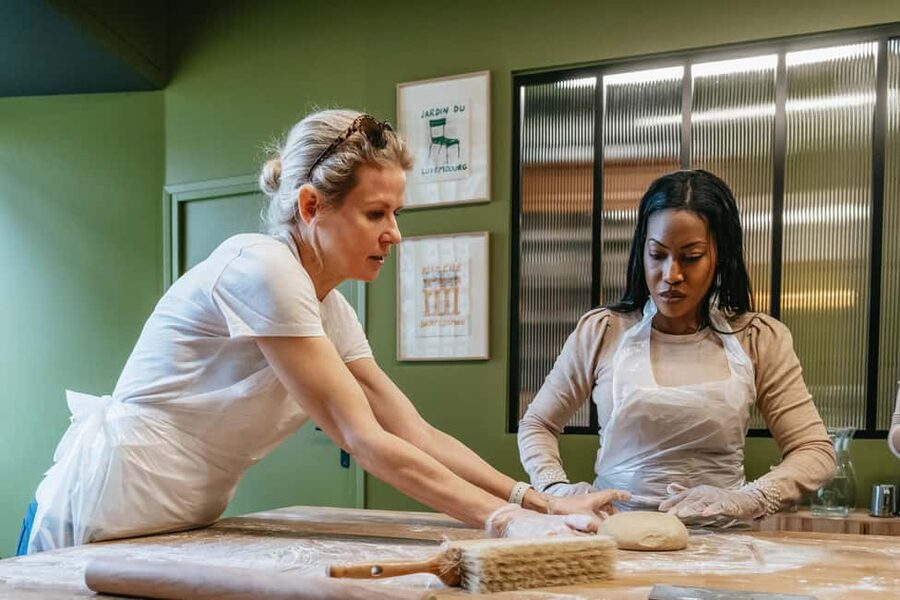
Let’s talk about the thing that makes or breaks this class: laminated dough. In French pastry, laminated dough is basically the art of trapping butter in layers so that, during baking, it creates steam and separation. That separation gives you the flaky structure and the crisp exterior.
You are taught the technique of creating authentic French croissants, with a focus on the “why,” not just the “what.” That includes guidance on texture and handling. When instructors are doing their job well, you stop thinking of butter as an obstacle and start seeing it as the engine of the pastry.
Instructors get praised a lot for step-by-step teaching and clear pacing. Named examples include Chef Felix, Chef Guillaume, Chef Erika, Chef Alice, and Chef Ines. Even when the chefs are different people, the pattern shows up: instructions stay practical, and they correct problems as you go rather than waiting until the end.
What should you watch for as you bake?
- Temperature control: If dough gets too warm, layers can smear and you lose the lift. The chef’s method helps you manage timing and handling.
- Folding accuracy: Croissants need consistent folds to create repeatable layers. You learn how to align folds so the structure forms correctly.
- Shaping discipline: The final shape affects how the pastry expands. You get guidance on forming so you get those signature ridges and airflow channels.
If you take this class, the best outcome is not that you can impress someone at a dinner party. It is that you can stop guessing. You start understanding what went wrong when your homemade croissants come out flat or overly dense, and you know where to adjust.
More hands-on workshops in Paris:
- Fragonard Paris: Mini Perfume Workshop
★ 4.5 · 1,924 reviews - Paris Cooking Class and Lunch with Wine plus Market Visit Option
★ 5.0 · 1,024 reviews - Paris: 2-Hour Perfume Creation Workshop
★ 4.8 · 731 reviews - Paris: French Macaron Culinary Class with a Chef
★ 4.9 · 591 reviews
Chocolate croissants and chocolate snails, plus the history bite
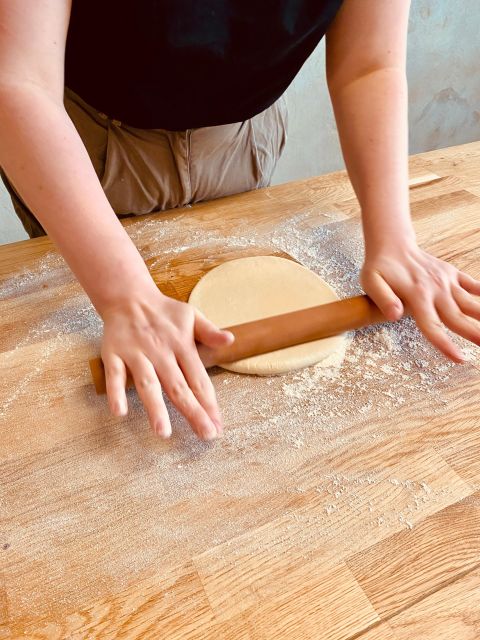
Croissants are the headline, but the class also gives you variety. You practice chocolate croissant-style pastries and chocolate snails, so you get to see how the dough behaves when it is filled and shaped differently.
That matters because fillings change your workflow. You need to portion filling without breaking the dough, and you need to shape in a way that helps the pastry close properly. This is where a chef’s coaching is especially valuable, since it is easy to overfill at home.
You also get a short history context around when croissants gained popularity with Parisians and the French in the early 20th century. You are not stuck in a lecture, but it adds meaning to the technique. It connects the craft to a food culture where breakfast pastry is treated like an everyday ritual, not a once-a-year project.
One more perk: a few sessions include extra pastries beyond the standard croissant lineup, like pain au chocolat and even variations such as cinnamon swirls. Even if your exact menu varies by class, the core idea stays the same. You leave understanding how laminated dough supports multiple styles.
Price and logistics: is $159 a good value?
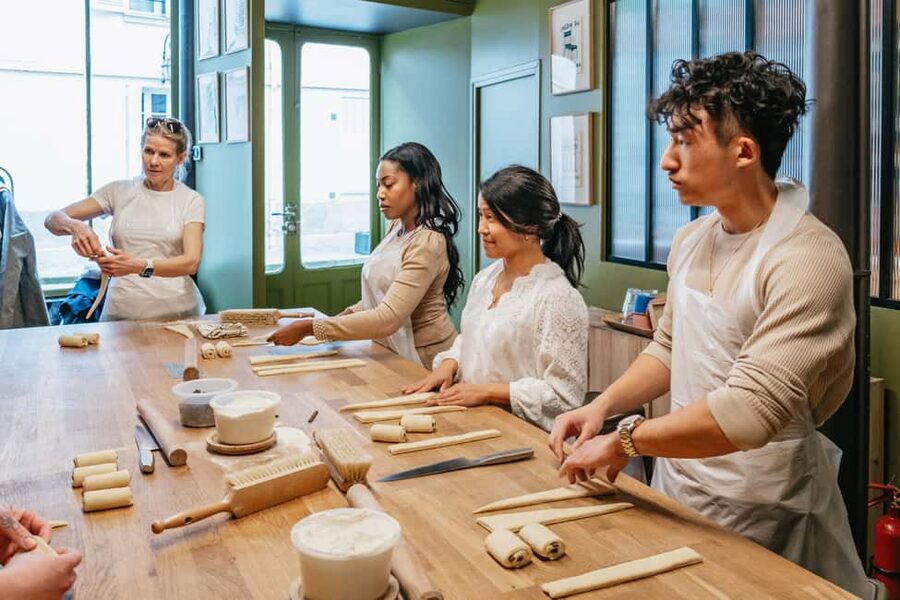
At $159 per person, this is not a budget activity. The value case depends on what you want from Paris.
If your goal is a hands-on skill you can repeat, the price starts to make sense. You pay for:
- a chef instructor who teaches you technique in English
- the equipment and classroom setup
- a small group format that reduces time wasted and increases personal help
- croissants and pastry outcomes you can eat and take away
That take-away part is real value. Many participants mention leaving with enough pastry for the next meal or two. If you are scheduling this early in your trip, the class can also simplify breakfast planning. One person even described it as a reason they did not need breakfast before the session, then used the baked goods afterward.
Logistics are the other cost lever. There is no hotel pickup or drop-off, so you need to handle your own arrival. This matters because cooking classes reward punctuality. You do not want to show up stressed, juggling directions while your dough clock is ticking.
My practical take: If you love baking, want a real culinary memory, and you are the type who will actually use laminated dough technique at home, this is a solid splurge. If you only want a one-time snack in Paris and do not care about repeating the process, you might want to choose a cheaper tasting-focused food experience instead.
Who this croissant class suits best
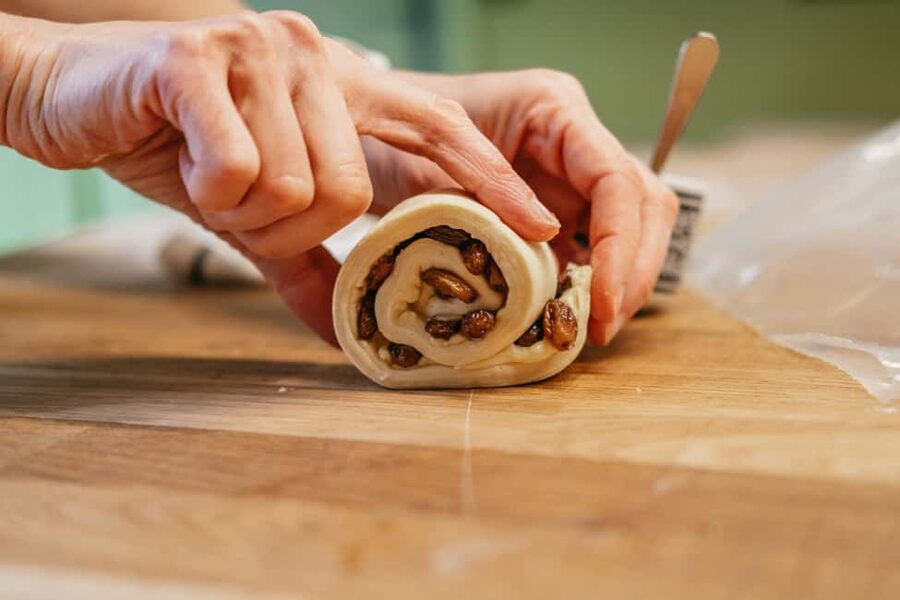
This is a strong fit for anyone who likes to learn by doing, especially if you want guidance rather than a self-guided tutorial.
It works particularly well for:
- Beginners who want clear, step-by-step coaching and reassurance while handling delicate dough
- Baking-minded travelers who want to understand why croissants behave the way they do
- Families and teens who can handle the kitchen tempo and enjoy shaping pastries with a chef’s help
- Rainy-day planners who still want an energetic activity with a clear end point and something to eat
The instruction language is English, so you can follow technique without translation friction. The class is also wheelchair accessible, which is worth noting when you are sorting through Paris activities.
The small group setup also means the atmosphere is usually friendly and focused. Some participants mention that the chefs handle different needs with patience, which helps the room feel welcoming rather than rigid.
Should you book this Paris croissant baking class?
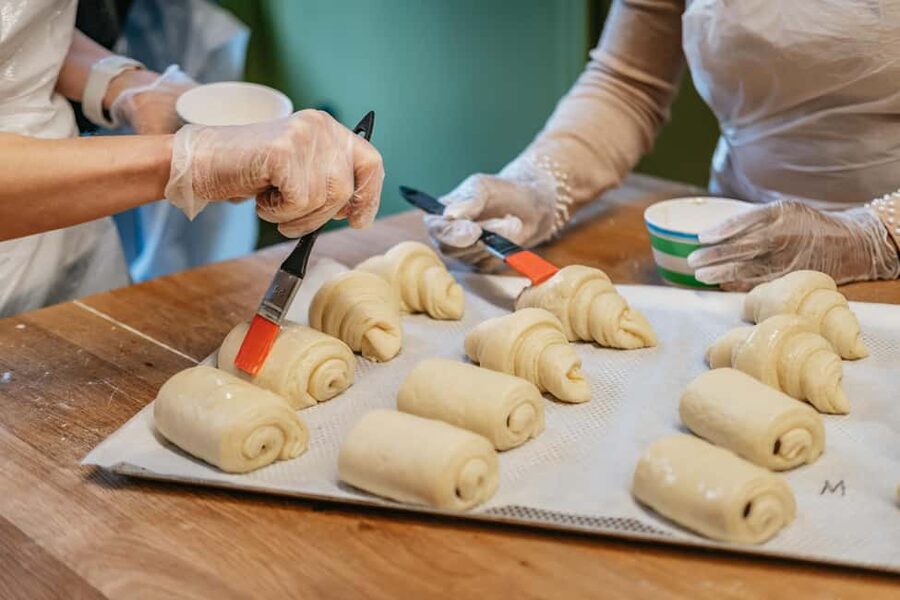
Book it if you want a real skill, not just a pastry souvenir. If you care about learning laminated dough technique, practicing both classic croissants and chocolate styles, and getting close feedback in a small group of 8, this class hits the sweet spot.
Consider skipping or comparing if:
- you dislike high prices for food experiences and prefer free walking tours plus affordable pastries
- you are not interested in baking again after the trip
- you need hotel pickup to keep your day stress-free, since this one expects you to manage getting to 3 Rue des 3 Portes yourself
If you do book it, schedule it when you can arrive calm and hungry. Croissant dough is a timing game. Walk in ready to learn, then enjoy the best part: tasting what you made, and taking home enough to make tomorrow morning feel a little like France.
FAQ
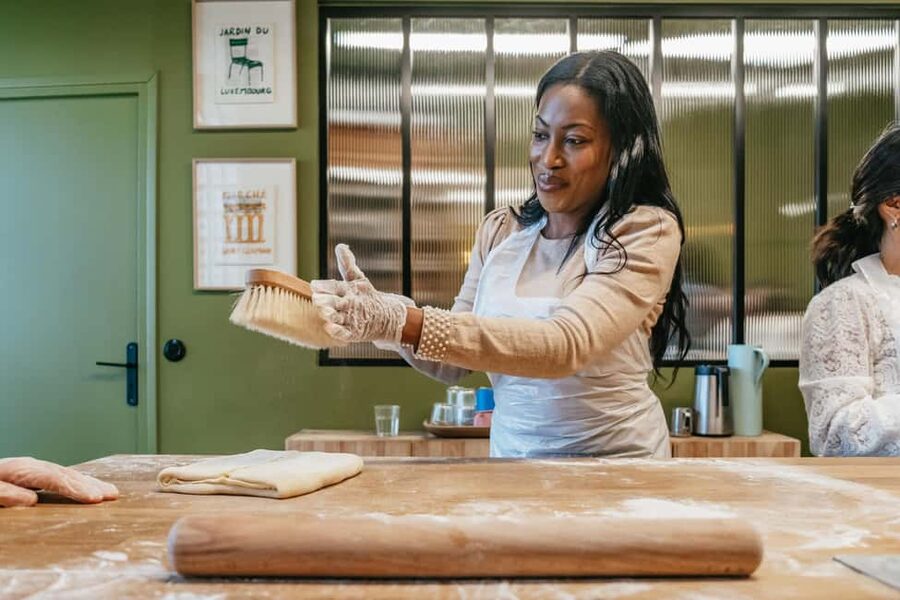
How long is the French croissant baking class?
The class lasts about 150 minutes.
Where does the class meet in Paris?
The meeting point is at 3 Rue des 3 Portes, on the Left Bank area.
Where is the class held?
It takes place in the Maison Fleuret space at Maison Fleuret Ateliers Parisiens.
What is the class price?
The price is $159 per person.
Is the class taught in English?
Yes, the instructor teaches in English.
How big is the group?
The group is small, limited to 8 participants.
What is included in the price?
The cooking class, cooking equipment, and a chef instructor are included.
Is hotel pickup or drop-off included?
No. Hotel pickup and drop-off are not included.
Can I cancel for a full refund?
Yes, free cancellation is available up to 24 hours in advance for a full refund.
Are the pastries you make something you can take home?
You make croissants and related pastries during the class, and participants describe taking home what they bake.
Recently added around Paris
- Paris: Louvre Masterpieces Private Tour with Reserved Entry★ 4.3 · 144 reviews
- Paris: Living Cheese Museum Guided Tour with Cheese Tasting★ 4.8 · 182 reviews
- Paris Louvre Exclusive Semi Private Guided Tour Max 6 People★ 4.6 · 28 reviews
- Paris: Louvre Guided Tour with Skip-the-Line Entry Tickets★ 3.5 · 73 reviews
- Paris Le Marais Walking Tour: Small Group Experience★ 5.0 · 7 reviews
- Paris: Lemon Tart Baking Class with a Pastry Chef★ 5.0 · 4 reviews
- Paris: Live Guided Cruise with Crepe and Soft Drink★ 3.9 · 14 reviews
- Paris Le Marais Food Tour: Full Traditional French Feast★ 4.8 · 119 reviews
Macaron & Pastry Classes, compared.
Paris Croissant Small-Group Baking Class with a Chef
Read our review →
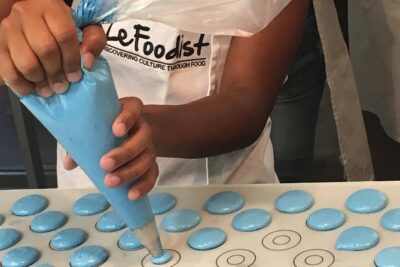
Paris Cooking Class: Learn How to Make Macarons
Read our review →
45-minute Chocolate Making Workshop at Choco-Story
Read our review →
Chocolate & Patisserie Walking Tour with Tastings
Read our review →
Paris Chocolate, Macaron & Pastry Food Tour: 10 Gourmet Tastings
Read our review →
Paris Macarons Small-Group Baking Class with a Chef
Read our review →Browse the lists this tour appears in