
Reviewed · DESSERT TOURS
Paris: Entrance Ticket to the Chocolate Museum
Chocolate Museum Paris is interesting because it turns a food obsession into a timed, hands-on history lesson. I especially like the tastings built into the route and the fact that the exhibits cover chocolate’s journey from ancient rituals to modern production. One thing to plan for is that it is self-guided, so you will move at your own pace, and the tasting flow depends on what you choose to stop for.
I also like that the museum feels made for more than one type of visitor, families included. You get educational displays plus activities like a kids treasure hunt, and reviews consistently point to friendly staff and well-organized stops. The main drawback to keep in mind is that large bags are not allowed, so travel light.
If you want a break from typical Paris sightseeing, this is a warm, chocolate-focused indoor experience with a clear path to follow. You can spend about a half day to most of the day, then finish with shopping if you want souvenirs made from cocoa.
Key points that make this ticket worth it
- Over 4,000 years covered: From Olmecs and Mayas to Aztecs and Europe’s chocolate trade
- Tastings during the visit: Including samples and specific bites like praliné and ganache
- Virtual demo by MOF artisans: A chocolate-making demonstration linked to artisanal technique
- Designed for kids too: Treasure hunt and kid activity materials help younger visitors stay engaged
- A lot of artifacts in a compact space: You’ll see 1,000+ chocolate-related objects in about 2,789 sq ft
- Audio support available on site: An audioguide is offered at the welcome desk for 3 euros per person
Chocolate Museum Paris in plain terms, what it feels like
This is the kind of museum you can do even if you do not love museums. The setting is focused, the story is clear, and chocolate samples show up along the way, so you are not just reading. The route is self-guided, which means you can linger where you are curious and skip what does not interest you.
The museum’s main promise is a 4,000-year timeline of cocoa and chocolate, starting with ancient American cultures and moving forward to modern chocolate production. You explore exhibits and demonstrations spread across about 2,789 square feet (850 square meters), and you are looking at more than 1,000 chocolate-related artifacts.
The tone is part history lecture and part tasting experience. That mix is exactly why it works for groups that include both adults and children.
More dessert and chocolate tours:
- Paris: Day or Sunset Cruise with Drink, Ice Cream or Dessert
★ 4.4 · 4,225 reviews - Private Montmartre Food Tour with Wine, Cheese & Pastries
★ 5.0 · 1,027 reviews - Paris French Sweets Tasting Tour with Pastries and Chocolates
★ 4.5 · 947 reviews
Where you go, how long to plan, and the one rule that matters
Start at the Chocolate Museum Paris, Le Musee Gourmand du Chocolat, at 28 Boulevard de Bonne Nouvelle in the 75010 area. It is an easy add-on to your day in Paris because it is in a central neighborhood where you likely already have other plans.
Plan for around a half day to a full day. The ticket is valid for one day, and the museum only takes last admission at 4:30 PM, so late starts can squeeze your time. Also note the museum does not allow luggage or large bags, so if you are traveling with a big backpack, you may need to rethink how you carry it.
Wheelchair accessibility is listed, and the exhibits include visitor-friendly spacing. Since the visit is self-guided, you can take breaks whenever you need them.
Walking the exhibits: 4,000 years of cacao, from rituals to trade
The big idea is simple: chocolate was not always candy. The museum shows you chocolate as a food with ceremonial meaning, then as an ingredient that spread across continents, and finally as a refined product with production techniques you might recognize from the store shelves.
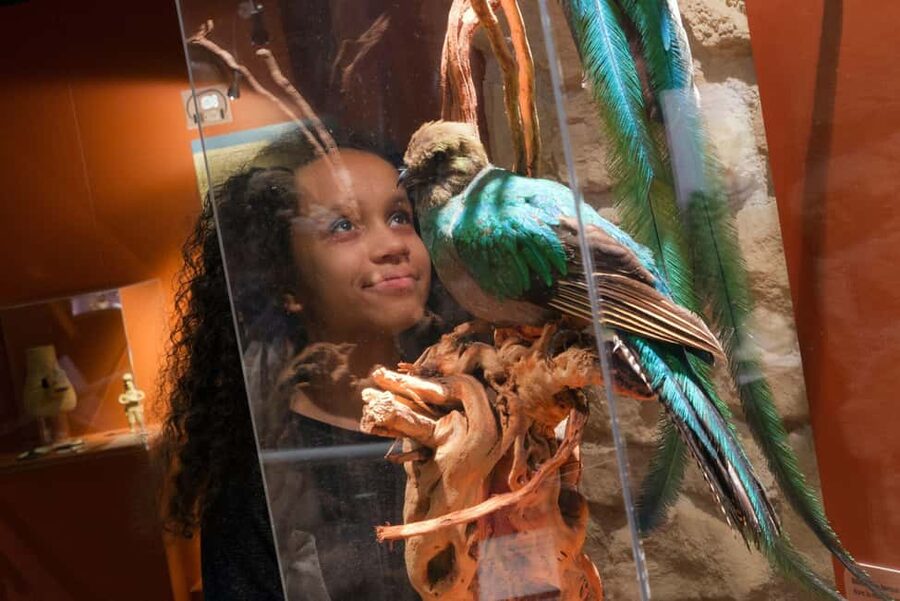
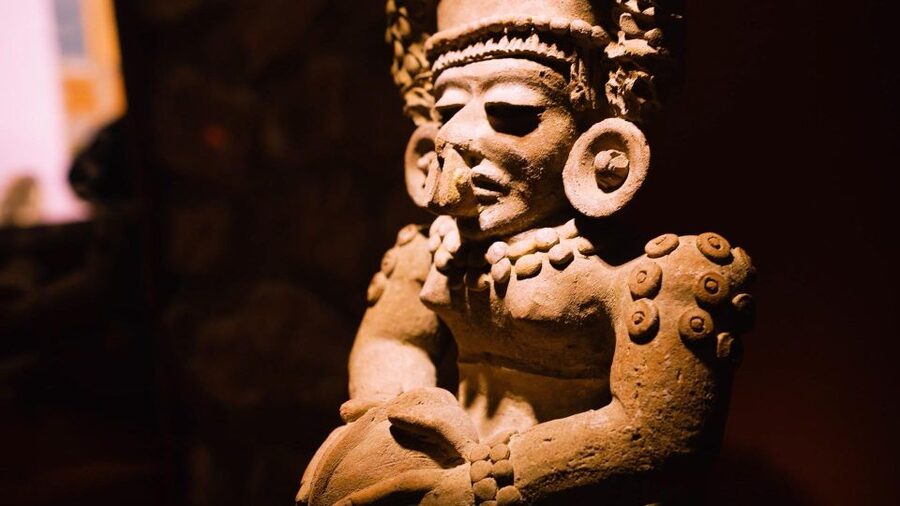
Expect the early sections to focus on ancient cultures, including the Olmecs, Mayas, and Aztecs. The exhibits connect cacao to mystical rituals, which is one of the more memorable themes because it reframes chocolate as more than a sweet treat.
As you move forward, the story shifts into what Europeans learned and what they did with it. The museum covers the 1500s moment when the Aztec emperor Montezuma introduced cocoa to Europe. You also get the Columbus thread, where he is described as tasting the tchocoatl drink but not liking it, which helped explain why early European attention was limited.
I like this structure because it gives you a timeline you can follow without a map. And when you learn the origin story, the later chocolate-making parts make more sense.
The tasting route: praliné, ganache, and chocolate samples you can plan around
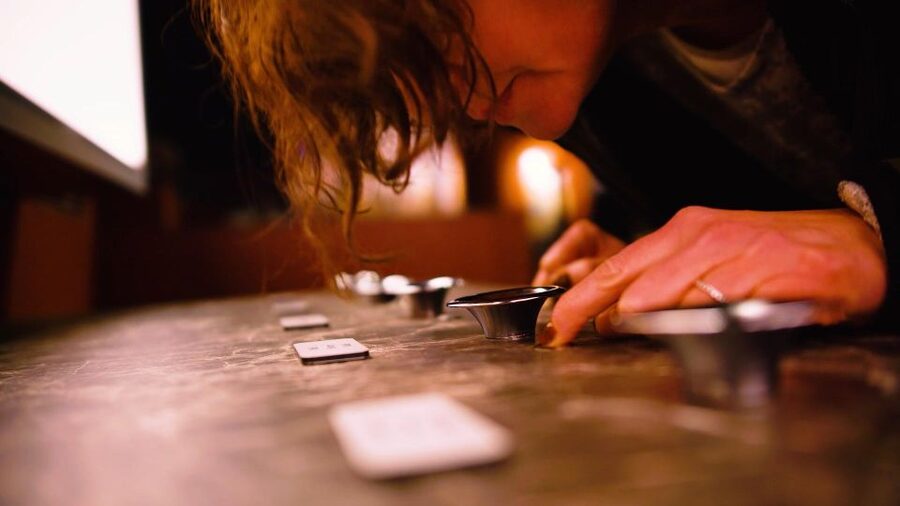
This ticket stands or falls on taste, and that is where it scores big. The included experience includes chocolate samples, and the highlight list also points to tasting a praliné and a ganache chocolate.
In practice, you will likely find tastings sprinkled through the museum, so it feels like you are learning and sampling at the same time. Many reviews highlight an almost unlimited-feeling sampling flow, and that is a big part of why the rating is so steady.
The key to enjoying it is pacing. If you rush straight through, you might miss the tastings that make the visit feel special. If you slow down, you can match each tasting to what you just learned, especially when the displays explain flavor differences tied to cocoa origins.
Also pay attention to the cocoa-region descriptions that are built into the exhibit content. The museum references chocolates described as Costa Rican (milky smoothness), Peruvian (fruitiness that melts in your mouth), and beans from Vanuatu (sweet aromas), among others. Even if you do not memorize every origin, you will start recognizing how cacao variety affects taste.
More museum tickets in Paris:
- Paris: Louvre Museum Timed-Entrance Ticket
★ 4.6 · 71,977 reviews - Louvre Museum Masterpieces Guided Tour with Access
★ 4.5 · 12,023 reviews - Paris: Louvre Museum Entry Ticket With Host and River Cruise
★ 4.6 · 9,926 reviews - Les Invalides: Napoleon’s Tomb & Army Museum Entry
★ 4.6 · 9,185 reviews
Virtual chocolate demo with MOF artisans, what you actually get from it
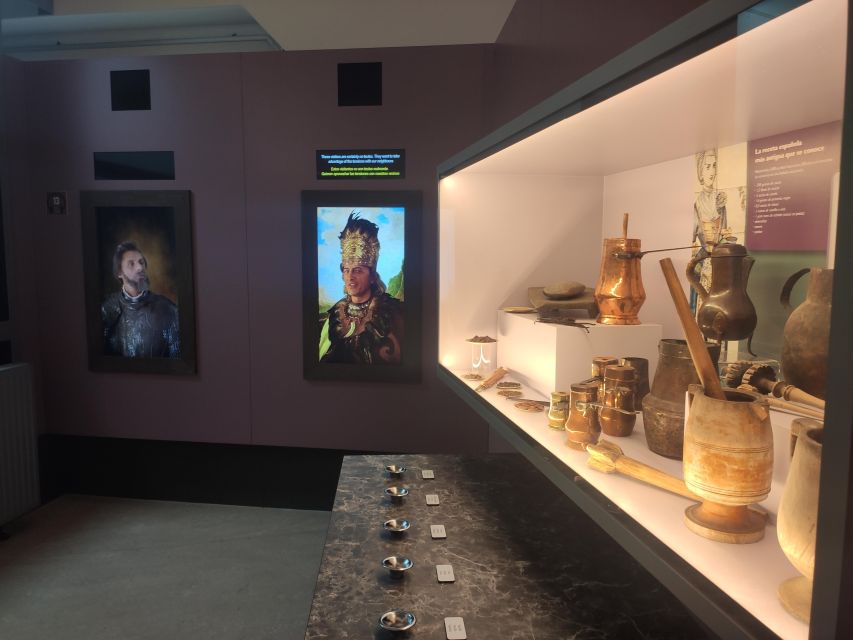
One of the most useful parts of the museum for adults is the demonstration element, even though it is described as virtual. The highlight list says you watch a virtual demonstration featuring two Meilleurs Ouvriers de France.
What matters is the technique angle. The museum explains secrets behind the shiny outer coat that makes chocolate treats look and taste the way we expect. That kind of explanation helps you understand why good chocolate has a certain snap and shine, and why different coatings behave differently.
You also get instruction-focused content that connects to making chocolate sweets. This is not a full hands-on workshop where you leave with a finished item, but it is still an important “how it works” piece inside a history museum.
If you learn visually, this demo is worth treating like a main event. Plan your time so you are not late to it or distracted.
How the “modern chocolate” section changes your perspective
A lot of chocolate museums stop at lore and visuals. This one keeps going into modernization, showing how the chocolate-making process became more streamlined over time. That shift matters if you care about why chocolate became widely available, why it standardized in shape and flavor, and why the industry looks the way it does now.
The exhibit panels explain the evolution from early use to modern production, and the tastings tie the story back to your palate. You learn that chocolate flavor is not random, it is shaped by process and ingredient choices.
I also like that the museum is not only about indulgence. The experience includes messaging about health benefits of chocolate, so your enjoyment is framed as part of a broader picture rather than pure guilt.
The kids treasure hunt: why it works even if you do not want a kids museum
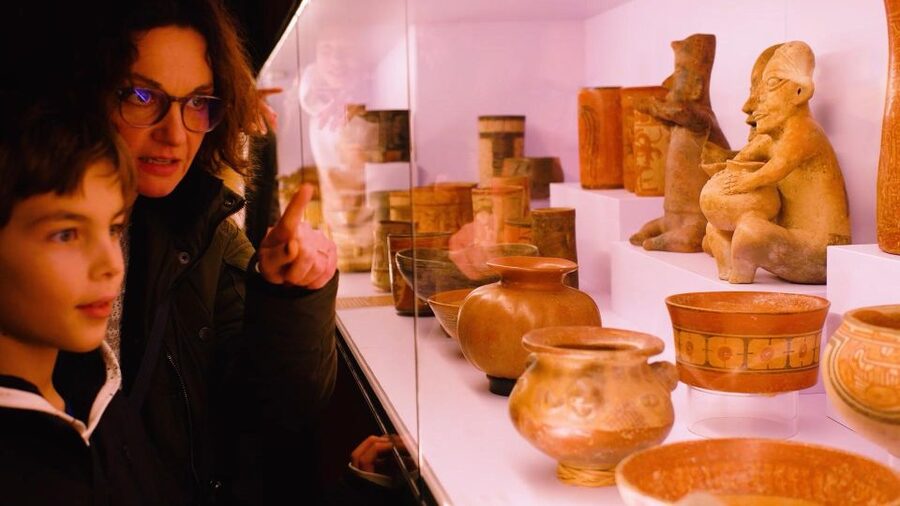
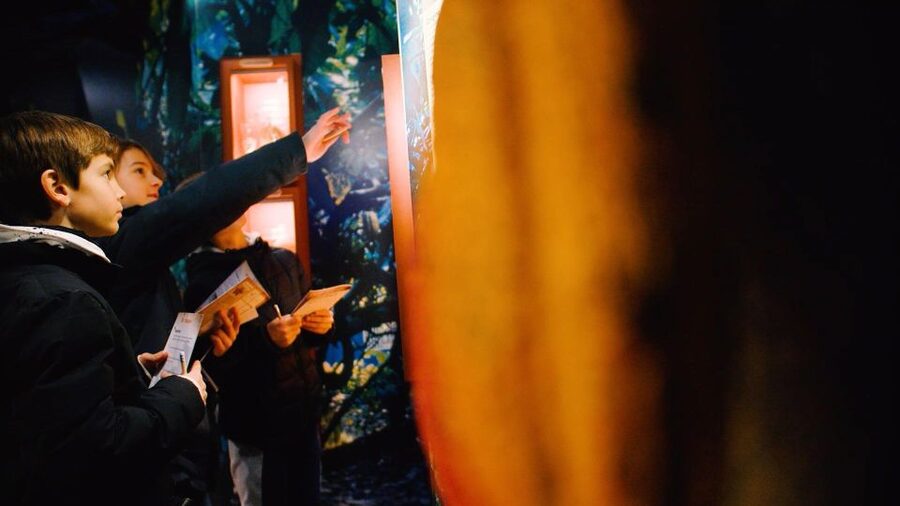
Families love this place for a reason. The museum includes children’s activities, including a treasure hunt. It is the kind of game that encourages kids to look at the panels and spot details, not just run around.
You will also see evidence that kid materials are not an afterthought. Reviews mention an activity booklet for children and that the hunt helped keep kids, even teenagers, engaged.
This is one of the best uses of space that I have seen in a food-themed museum. Instead of turning the whole place into a playground, it uses the exhibits as the “answer key.” That makes the experience better for adults too because you are not just supervising, you are also learning.
Audio guide and language support: how to make the museum easier
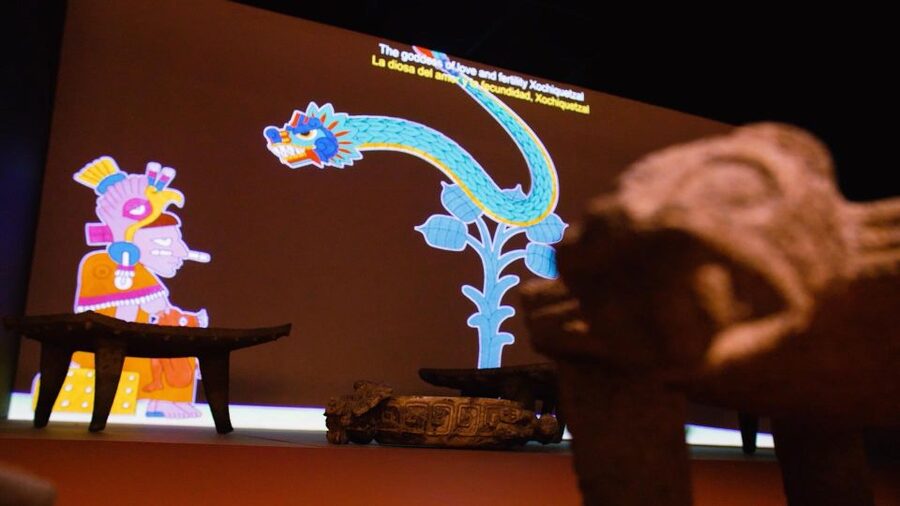
The museum is described as self-guided, but you are not stuck with silence. You can pick up an audioguide at the welcome desk for 3 euros per person, and it is available in multiple languages including French, English, German, Dutch, Spanish, Italian, and Portuguese.
The panels inside are in English, French, and Spanish. That means you can read the story without needing the audio, but the audio helps if you want smoother pacing or you prefer listening while you walk.
If you plan to do the museum in a single morning or afternoon, audio is a smart tool. It helps you stay oriented and prevents that “what am I looking at” feeling.
If you are traveling with mixed-language group members, the panel languages and optional audioguide make life easier.
The “hidden” value for adults: artifacts plus tasting literacy
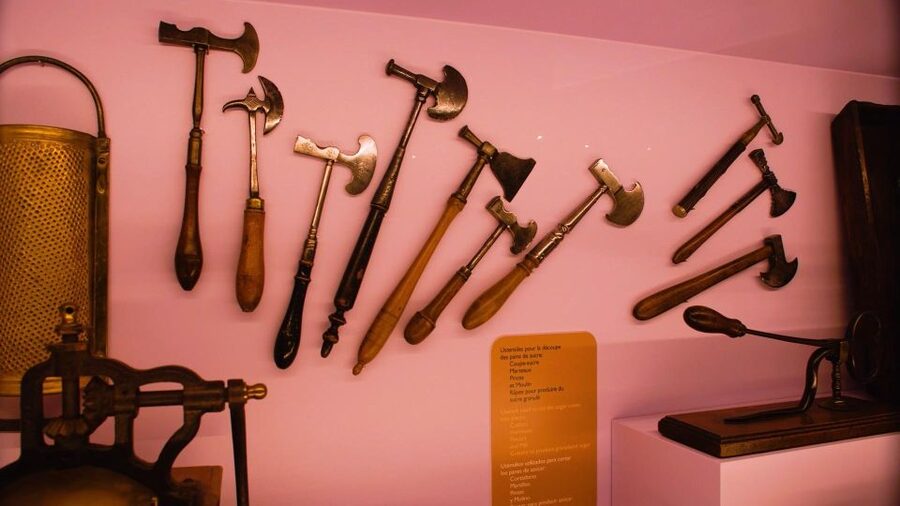
The museum’s floor space is compact, but the content density is high. You see more than 1,000 artifacts related to chocolate history, which is a lot for a smaller museum.
The value for adults is that the museum connects the artifacts to the story, instead of treating them as random collectibles. You will get an explanation for what you are looking at, then you can taste chocolate that ties back to the same idea.
That connection is why adults often come out feeling they learned real production concepts. Even if you came for the samples, you leave with a better understanding of how chocolate evolved.
Hot chocolate at the end, and why it is worth asking about
A common highlight in reviews is a hot drink at the end. Some visitors mention hot chocolate as included and describe it as delicious. Others report paying an extra 3 euros per cup, so it may depend on what is offered that day or how the package is handled.
So here is my practical tip. If hot chocolate matters to you, ask at the desk what is included in your ticket and what costs extra. That one quick question can prevent disappointment.
Either way, finishing with a warm cup makes sense in a museum about chocolate. It turns the last stop into a reward and helps you end on a cozy note before you head back out into the Paris day.
Museum shop: what to bring home without overthinking it
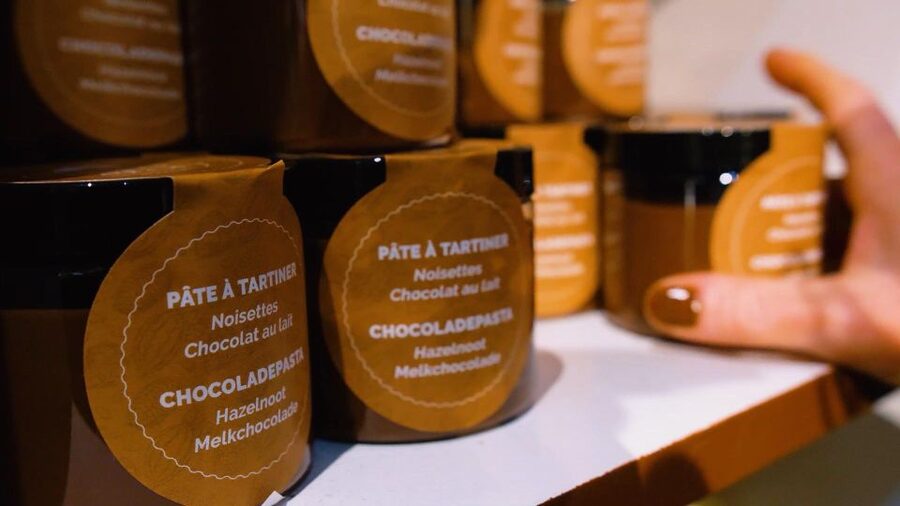
Like many tourist museums, there is a shop. After your visit, you can browse books and chocolate-related products, which is a great option if you want something specific beyond a standard souvenir magnet.
Also, if you are traveling with family, shops are often where you find gifts that make the visit feel complete. A few reviews mention buying items like chocolate-themed souvenirs, including molds.
If you have limited time, you can skip the shop during your visit and just grab one or two items at the end. If you love chocolate, it is also a good way to keep tasting culture going once you leave.
Pricing and value: what $21 buys you (and what to double-check)
At about $21 per person, this ticket is priced like a niche attraction that expects you to spend time inside. The value comes from two things: history content plus multiple tastings.
If you are purely shopping for chocolate, you could compare it to a chocolate tasting flight at a café. But the museum adds educational context, which is where the ticket starts to justify itself.
Where value can shift is around the hot chocolate question. Some people report it as included, others mention a small extra charge. If you expect hot chocolate every time, confirm at the welcome desk.
Another value factor is time. You have self-guided freedom, and you can easily make it a 2 to 3 hour experience. Reviews mention times like a morning visit, and others note they spent around three hours. If you match your pace to the tastings and demonstrations, it can feel like more than a quick stop.
Best time to go, and how to plan around crowds
The museum limits last admission to 4:30 PM, so timing matters. If you want a calmer experience for families, going earlier usually helps, because school visits can affect what you see at certain moments.
Also plan your visit in a “tasting first, reading second” order if you are with kids or if you get impatient reading. Start with one or two main displays, do the tastings that are easiest to spot, then circle back to read details when your group is settled.
If you care about the virtual demonstration, time your route so you do not miss it. The demo is a highlight, and being rushed can make it feel like just another screen.
Who this museum is for, and who may not love it
This is ideal for:
- Families with kids who want activities like a treasure hunt
- Chocolate lovers who want structured tastings tied to chocolate origins
- Adults who like food history with real process explanations
It may not be ideal for:
- People who need a guided tour with a live lecturer, because it is self-guided
- Anyone planning to arrive with luggage or large bags, since you cannot bring them inside
If you are already planning a jam-packed Paris day, this is still a solid choice because it is indoor and focused. It does not require navigating a complex route across town once you are there.
Should you book this Chocolate Museum Paris ticket?
I think you should book if you want a day that mixes tastings with an easy-to-follow story about cacao and chocolate. The experience is designed for multiple ages, and that kids treasure hunt plus kid materials can turn the visit into a shared activity rather than a compromise.
I would pause before booking if you are sensitive to self-guided experiences or you dislike any museum format where you need to read panels and manage your own timing. Also, if hot chocolate is a must for you, confirm what is included versus what costs extra.
If your travel group includes at least one person who loves chocolate, this ticket is usually a safe bet for a satisfying break in Paris. You leave with better chocolate literacy, a belly full of samples, and a souvenir shop option for the sweet-tooth finish.
FAQ
Is this a guided tour or self-guided?
The visit is self-guided. An audioguide is available at the welcome desk for 3 euros per person if you want audio support while you walk.
What languages are available inside the museum?
Descriptive panels are available in English, French, and Spanish. The audioguide offered at the welcome desk is available in French, English, German, Dutch, Spanish, Italian, and Portuguese.
What tastings are included?
The ticket includes chocolate samples, and the experience highlights that you can taste a praliné and a ganache chocolate. The museum also offers tasting of chocolates described from different countries during the visit.
Is hot chocolate included?
Many visitors mention hot chocolate as part of the experience, but some reviews report paying an extra 3 euros per cup. Ask at the welcome desk what is included with your specific visit.
What time is the last admission?
The last admission is at 4:30 PM. If you want time for tastings and the demonstration, aim to arrive earlier.
Are bags allowed in the museum?
Luggage or large bags are not allowed. If you are traveling with large baggage, plan to leave it elsewhere before you go in.
Recently added around Paris
- Paris: Louvre Masterpieces Private Tour with Reserved Entry★ 4.3 · 144 reviews
- Paris: Living Cheese Museum Guided Tour with Cheese Tasting★ 4.8 · 182 reviews
- Paris Louvre Exclusive Semi Private Guided Tour Max 6 People★ 4.6 · 28 reviews
- Paris: Louvre Guided Tour with Skip-the-Line Entry Tickets★ 3.5 · 73 reviews
- Paris: Lemon Tart Baking Class with a Pastry Chef★ 5.0 · 4 reviews
- Paris: Live Guided Cruise with Crepe and Soft Drink★ 3.9 · 14 reviews
- Paris Le Marais Walking Tour: Small Group Experience★ 5.0 · 7 reviews
- Paris Le Marais Food Tour: Full Traditional French Feast★ 4.8 · 119 reviews
Dessert Tours, compared.

Day or Sunset Cruise with Drink, Ice Cream or Dessert
Read our review →
Private Montmartre Food Tour with Wine, Cheese & Pastries
Read our review →
Paris French Sweets Tasting Tour with Pastries and Chocolates
Read our review →
A Morning in Paris Food Tour: Croissants, Baguettes & Chocolate
Read our review →
45-minute Chocolate Making Workshop at Choco-Story
Read our review →
Chocolate & Patisserie Walking Tour with Tastings
Read our review →
Paris Chocolate, Macaron & Pastry Food Tour: 10 Gourmet Tastings
Read our review →
Browse the lists this tour appears in