
Reviewed · MACARON & PASTRY CLASSES
Paris: Macarons Class, Teatime and To-Go Box
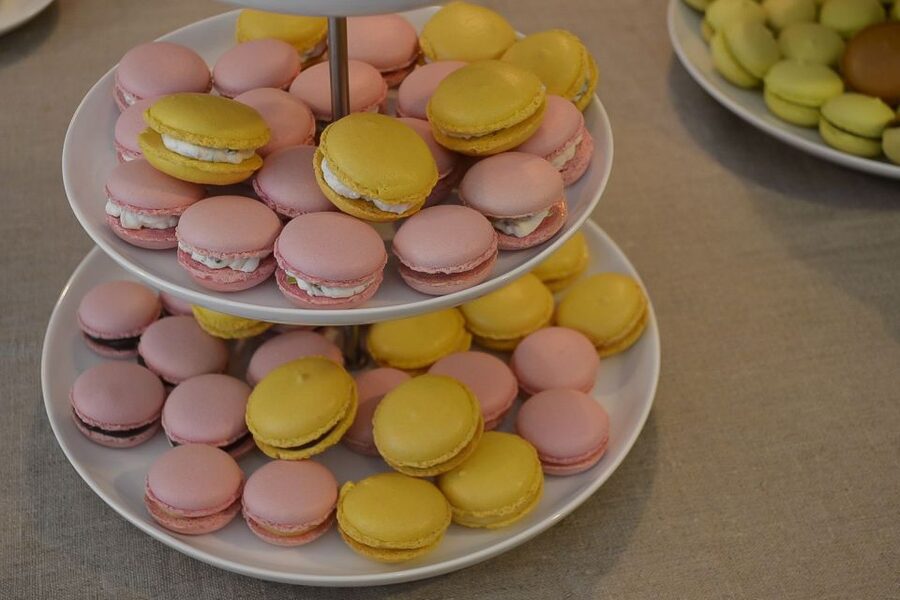
This hands-on macaron class at Le Foodist turns a fussy French cookie into something you can actually make, with English-speaking guidance and a small group in the heart of Paris. You are not just watching, you are mixing, piping, and finishing your own shells and fillings.
I love the focus on the Italian meringues method, described as harder to master but more reliable, and I love that the class ends with a proper teatime where you eat what you made, plus take-home macarons for the next day’s dessert plans. It is a full arc, not a half experience.
One possible drawback: there are strict age rules and kitchen access limits. Kids under 12 cannot participate, and only participants can enter the kitchen, so plan around that if your group includes younger family members.
Key Highlights That Matter
- Italian meringues method for shells, taught with hands-on coaching in a small group
- Up to 6 participants so you get real attention while you pipe and assemble
- Shell color and piping practice, plus guidance on incorporating your filling
- Choice of fillings including ganache or curd, with instruction on making them
- Teatime with drinks and stories, including tea, coffee, and fruit juices
- A to-go box so you leave with macarons you made yourself
Why Le Foodist’s Macaron Class Feels More Like Real Paris Cooking Than a Demo
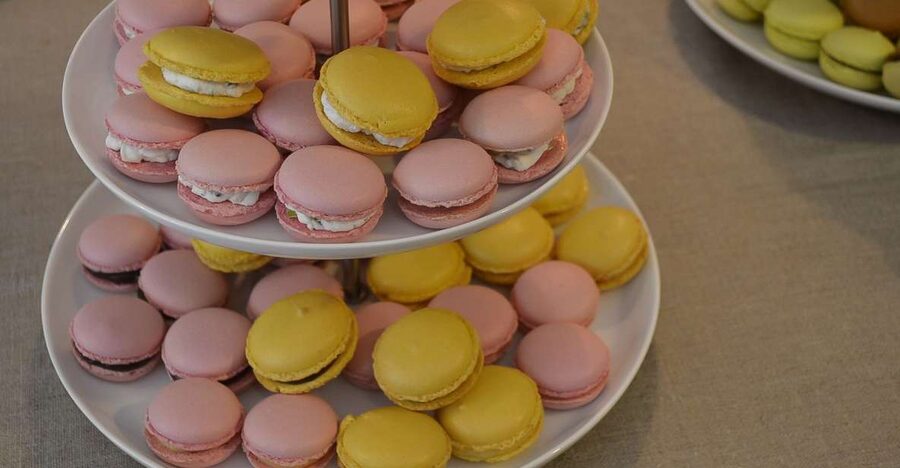
If you have ever bought macarons and thought, I should be able to do this, this class is built for that exact moment. Le Foodist keeps it small and hands-on, so the time feels purposeful. In about 3 hours total, you go from ingredients and technique to a box of macarons you can serve to friends, or quietly hoard for yourself over the next few days.
What makes the experience work is the method and the structure. You learn macarons using the Italian meringues method, not just vague tips or a shortcut approach. And you do multiple steps yourself, including piping and finishing your shells with a filling. That means when something goes wrong in your own kitchen at home, you know where the issue likely started.
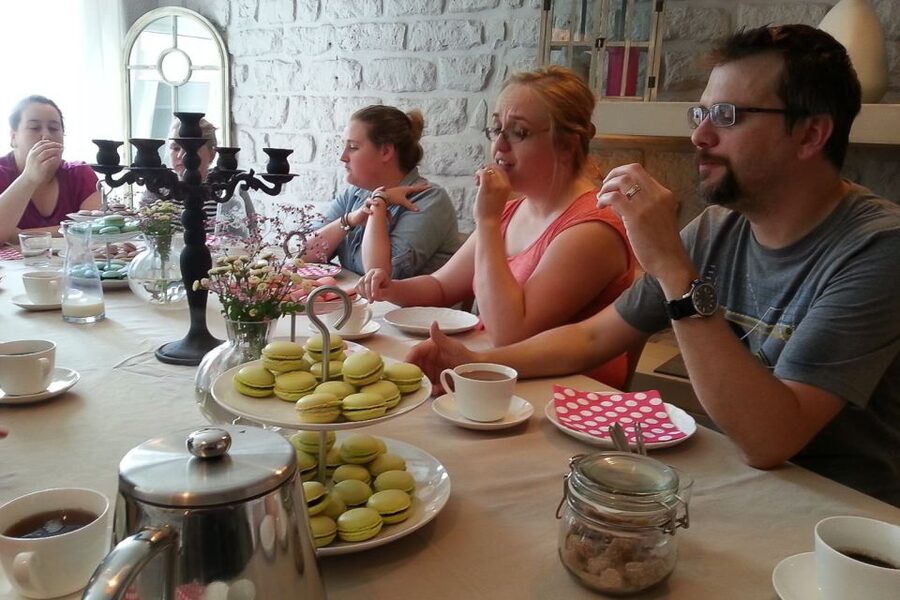
I also like how the class mixes technique with storytelling. After the baking time, you sit down for teatime with tea, coffee, and fruit juices. Your host shares stories about macarons and a couple other bits of French culture, often with a wink of humor. It is a nice break from the intensity of baking, and it makes the whole thing feel like an afternoon with people who genuinely enjoy food.
One more practical plus: the class includes equipment and an apron, so you are not hunting for tools at the last minute. You just show up and bake.
More macaron and pastry classes:
- Paris Croissant Small-Group Baking Class with a Chef
★ 5.0 · 910 reviews - Paris: Macaron Class at Galeries Lafayette
★ 4.3 · 905 reviews - Paris: French Croissant Baking Class with a Chef
★ 4.9 · 712 reviews
Your 3-Hour Flow: What Happens Before, During, and After You Pipe Macarons
The schedule is simple, and that is a good thing with macarons. You get 2 hours of hands-on class time, then you transition into teatime, and the final part is taking your macarons home.
During the 2-hour baking portion, you work on the core parts of macarons:
- making the shells using the Italian meringues method
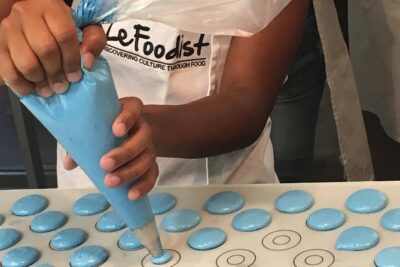
- learning how to pipe
- adding color to your shells
- making a filling, either ganache or curd, and learning how to assemble
Because it is small-group instruction, the host or instructor can correct details as you go. That matters for macarons, where small changes can affect the final look and texture. You are not left guessing. You are guided while you practice.
Then comes the teatime. This is not an afterthought snack. It is a shared moment with drinks, including tea, coffee, and fruit juices, plus a selection of the macarons you made. Your host uses this time to tell stories about macarons and French culture, often tongue in cheek, which keeps the tone light after all that focus at the counter.
Finally, you leave with a to-go box of your own macarons. This is one of the best parts for real-life travel. You do not just taste a sample and walk away. You get a take-home souvenir that actually tastes like something you earned.
The Italian Meringues Method: Why This Technique Is Taught Here
Macarons have a reputation for being tricky, and the class tackles that head-on by teaching the Italian meringues method. The big point, as the class describes it, is that it is harder to master but more reliable. That tells you they are aiming for results, not just theory.
So what does that mean for you? You learn a technique that is more structured than the approach you might find online. Instead of winging it, you get step-by-step guidance while you work. And since the class is limited to a small number of people, your instructor can see what you are doing and help you correct early, before you have to rescue a batch.
This is also where the class’s “hands-on” promise earns its keep. You are not only mixing. You are learning the flow of macaron making in a coached environment, including the piping stage and how your batter should behave during preparation.
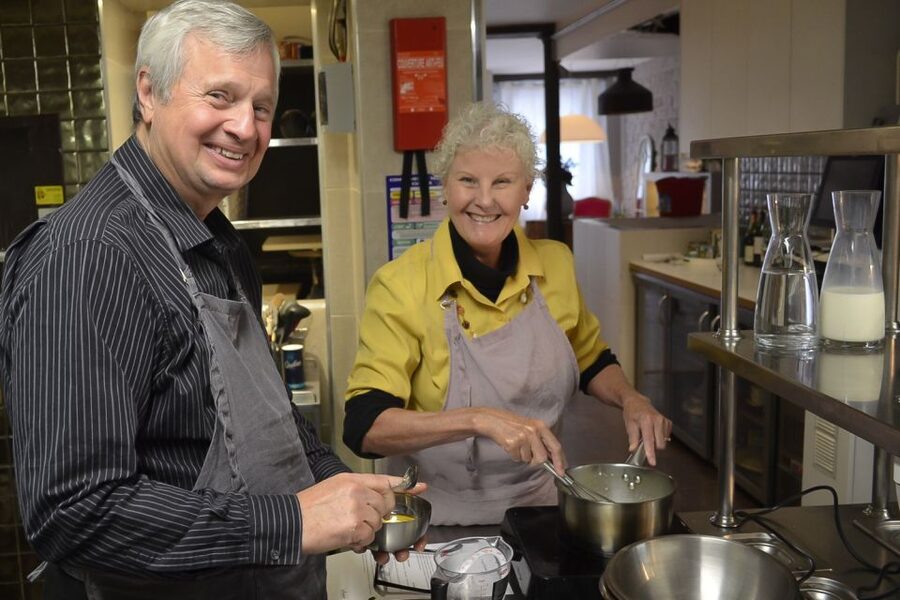
Past participants consistently highlight the patience and individual attention from instructors, including names like Luc and Anne. One student specifically praised Luc for being patient and entertaining, which is exactly what you want when you are learning a method that can feel technical at first.
If you want to walk away with a repeatable process, the Italian meringues method is the most useful piece of the class. It gives you a foundation you can use at home, and the recipes you receive in English help you translate what you learned into your own kitchen.
Piping, Shell Color, and the Part Most People Underestimate
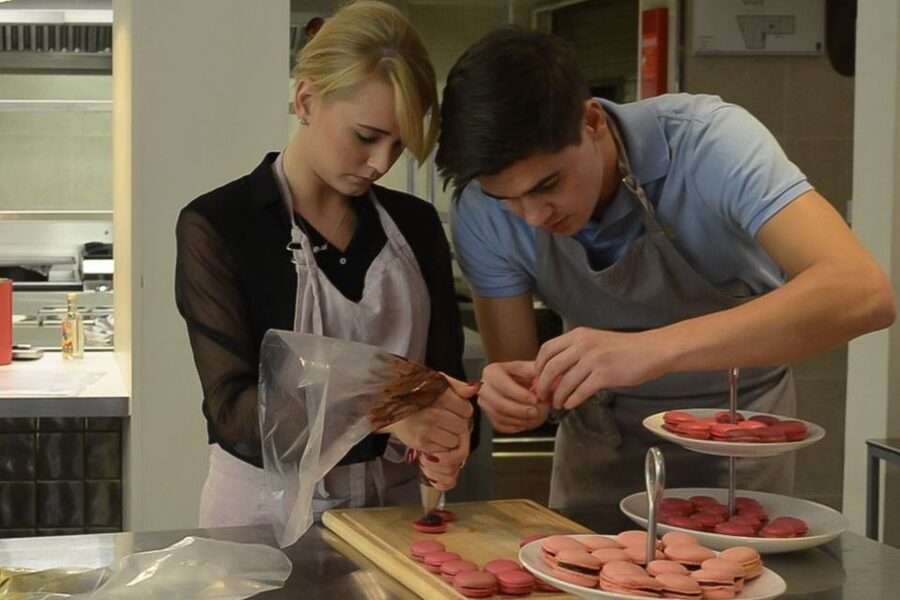
Piping sounds simple until you are actually trying to do it while someone watches and explains what good technique looks like. That is why this class includes instruction on how to pipe, not just a quick demonstration.
You also get to add color to your shells. This is fun and visual, and it is practical too, because it forces you to think about your batter and consistency while you are working. If you have ever wondered how bakeries get that clean, consistent look, this gives you a safe way to learn what matters.
The class then ties piping to the rest of the macaron process. Since you are making both shells and filling, you see the full cycle of what you are building. That makes your final result more satisfying, because the macarons in your box are not random freebies. They are connected to the decisions you made at the piping stage.
One small but real detail from how the experience is run: you are supplied with the equipment and an apron. It reduces friction and lets you focus on technique rather than logistics. And because it is a small group, you are not stuck waiting for a turn while everyone else finishes.
More hands-on workshops in Paris:
- Fragonard Paris: Mini Perfume Workshop
★ 4.5 · 1,924 reviews - Paris Cooking Class and Lunch with Wine plus Market Visit Option
★ 5.0 · 1,024 reviews - Paris: 2-Hour Perfume Creation Workshop
★ 4.8 · 731 reviews - Paris Cooking Class: Learn How to Make Macarons
★ 5.0 · 634 reviews
Filling It In: Ganache or Curd, Plus Assembly Skills You Can Use Again
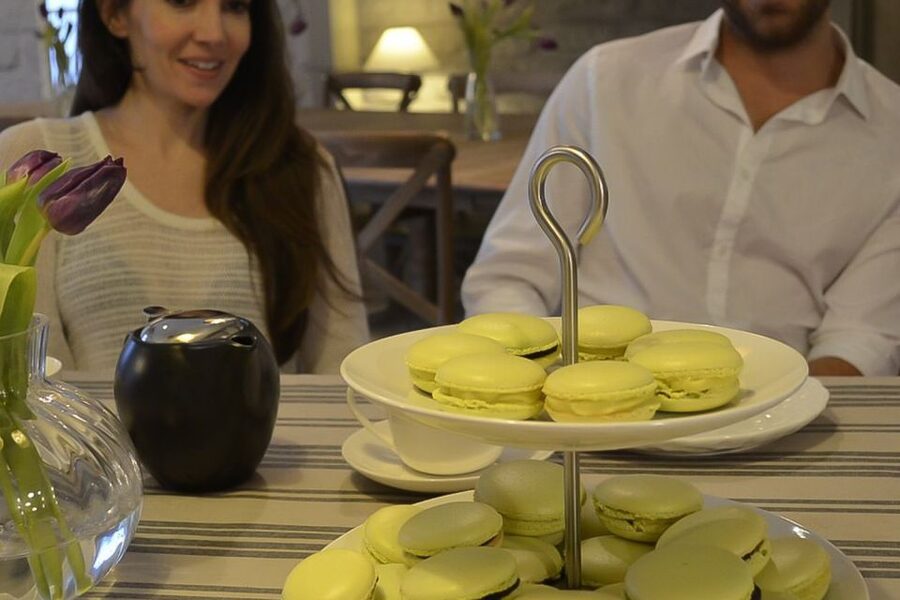
The next step is the filling. The class lets you make your own filling and learn how to pipe, then assemble the final macarons with your chosen flavors. According to what the class offers, you will work with either a ganache or curd filling.
Why does this matter? Because many baking classes teach one part well and skip the rest. Here, the filling is part of what you learn, not just a pre-made component you spoon in. It is the difference between tasting macarons and understanding how a macaron becomes a complete dessert.
It is also a great way to personalize your effort. Even if you do not get the “perfect” look on every macaron, you still end up with a box of edible, shareable results. And since you sit down for teatime after, you get to enjoy your work right away, which reinforces what you did right.
Several students highlighted that they left confident in their macarons skills, which usually means they were not overwhelmed. In the feedback, instructors like Stéphane Jimenez and other hosts were praised for taking time with each student to ensure the macarons were made properly. That kind of hands-on checking is a big reason the class feels beginner-friendly without being basic.
Teatime at Le Foodist: Stories, Coffee, and the Reward Portion That Actually Pays Off
After the two hours of baking, you shift into teatime at Le Foodist. This is where the class becomes more than a skills workshop. You get tea, coffee, fruit juices, and a selection of your macarons.
The host also shares teatime stories. The focus is typically the story of the macaron itself, plus a couple interesting stories about French culture, often told in a tongue-in-cheek way. This is smart. When you are learning baking technique, you spend a lot of mental energy on textures and timing. The stories reset your attention, and you come out feeling like you experienced Paris, not only learned a recipe.
Also, teatime helps with something practical: you get to taste what you made in a relaxed setting. That means you can compare your finished macarons to what you expected while everything is still fresh in your mind.
A few review details hint at why people remember this part. People talked about having more than enough macarons to eat during class, plus leftovers to take home. One student even noted taking home more than a small bag of treats, including multiple boxes for sharing. That take-home stash is a big part of the value, especially for families and groups.
Instructor Attention in a Small Group of Up to 6
Small group instruction is not a marketing buzzword here. The class is limited to 6 participants, and groups are described as intimate, typically between 3 and 7 in practice. With fewer people at the stations, the instructor can watch you pipe, adjust where needed, and keep you moving.
This is exactly what the most enthusiastic feedback points to: individual attention, patience, and a fun tone. Names that show up in past experiences include:
- Luc, praised for patience and entertainment
- Anne, praised for knowledge and patience, with students feeling comfortable at any skill level
- Stéphane Jimenez, highlighted for taking his time with each person
- Fanny and Amanda, mentioned for making the class fun and approachable
If you are a complete beginner, this matters. You want someone to notice what you might not notice yet, like consistency issues or piping technique. If you are an experienced baker, the same small-group attention helps you refine details rather than just collect a general overview.
There is also a comfort factor. A few participants mentioned a clean, sanitary kitchen environment, and another said the facility was very nice. When you are working with sticky batter and hot processes, that kind of organization makes the class feel less stressful.
Price and Value: Is $152 Worth It?
At $152 per person for 3 hours, the price is not cheap, but it is easier to justify when you look at what you actually get.
You receive:
- 2 hours of hands-on macarons instruction
- equipment and an apron (so you are not buying tools you will use once)
- teatime with drinks (tea, coffee, fruit juices) and stories
- recipes in English, available as hard copy and electronic copy
- a box of your macarons to take home
Then add the intangible value. This class saves you time and guesswork. Making macarons at home can turn into a multi-batch, multi-day experiment if you do not have guidance. Here, you learn a specific method, practice piping, and finish with an outcome you can taste immediately.
Also, the class is limited to a small group, so you are paying for attention. That shows up in the feedback, with repeated praise for instructors who take their time and help everyone stay involved.
What about the main caution? You should go into this knowing it is a baking class with real work. You are standing, piping, assembling, and learning. If you want a purely relaxed food tour with minimal effort, this might feel too hands-on.
But if you want a memorable Paris activity that ends with a take-home dessert that is genuinely yours, this price looks more like value and less like a splurge.
Who Should Book This Class, and Who Might Want a Different Plan
This is a great match for:
- couples who want a hands-on Paris activity that is still easy to enjoy
- families with kids who are old enough to participate, since instructors are repeatedly praised for patience and keeping everyone involved
- anyone who wants technique, not just taste, and wants recipes afterward in English
- groups of friends who like team activities, since you meet other people and work together at the stations
But check the age rules first. The class does not allow unaccompanied minors. Children under 12 cannot participate. Kids between 12 and 16 must be accompanied by a participating adult. There are no childcare facilities, and only participants can enter the kitchen. So if your plan includes younger children who want to watch, this will not work the way you might expect.
That is also relevant if you are planning a multigenerational visit. You will want to structure who is participating at the class versus who is waiting outside the kitchen area.
Finally, if you are someone who worries about baking failure, this kind of coached practice can calm that down. The method taught here is described as more reliable, and instructors get praised for helping each person get it right.
Should You Book This Paris Macarons Class?
Book it if you want a hands-on, small-group Paris activity that ends with teatime and a to-go box of macarons you made yourself. The Italian meringues method, the shell coloring and piping practice, and the ganache or curd filling instruction give you real skills you can use again at home.
Skip it if you need a low-effort experience, or if your group includes children under 12, or non-participating kids who want to watch from inside the kitchen. If those fit, this class is one of the best “learn and leave with something” experiences in Paris.
FAQ
How long is the macaron class, and what’s the timeline?
The class lasts 3 hours total, including 2 hours of hands-on macarons instruction and then a shared teatime where you enjoy drinks and your macarons.
What method do I learn for making macarons?
You learn macarons using the Italian meringues method, which the class describes as harder to master but more reliable.
What do I make during the class?
You make macaron shells using Italian meringues, learn to pipe, add color to the shells, and create a filling, either ganache or curd.
Are recipes provided after the class?
Yes. You receive recipes in English in both hard copy and electronic copy.
Is the class suitable for children?
Children under 12 cannot participate. Ages 12 to 16 must be accompanied by a participating adult. Unaccompanied minors are not allowed, and only participants can enter the kitchen.
Where do I meet for the class?
Meet at Le Foodist, 59 Rue Cardinal Lemoine, 75005 Paris.
Recently added around Paris
- Paris: Louvre Masterpieces Private Tour with Reserved Entry★ 4.3 · 144 reviews
- Paris: Louvre Guided Tour with Skip-the-Line Entry Tickets★ 3.5 · 73 reviews
- Paris: Living Cheese Museum Guided Tour with Cheese Tasting★ 4.8 · 182 reviews
- Paris Louvre Exclusive Semi Private Guided Tour Max 6 People★ 4.6 · 28 reviews
- Paris Le Marais Walking Tour: Small Group Experience★ 5.0 · 7 reviews
- Paris: Lemon Tart Baking Class with a Pastry Chef★ 5.0 · 4 reviews
- Paris: Live Guided Cruise with Crepe and Soft Drink★ 3.9 · 14 reviews
- Paris Le Marais Food Tour: Full Traditional French Feast★ 4.8 · 119 reviews
Macaron & Pastry Classes, compared.
Paris Croissant Small-Group Baking Class with a Chef
Read our review →
Paris Cooking Class: Learn How to Make Macarons
Read our review →
45-minute Chocolate Making Workshop at Choco-Story
Read our review →
Chocolate & Patisserie Walking Tour with Tastings
Read our review →
Paris Chocolate, Macaron & Pastry Food Tour: 10 Gourmet Tastings
Read our review →Browse the lists this tour appears in