
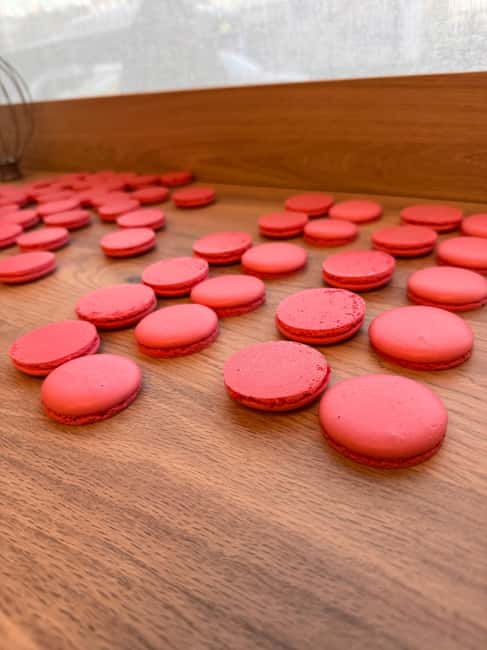
Reviewed · MACARON & PASTRY CLASSES
Paris: Macaron Baking Class in Central Paris
A macaron baking class in central Paris is interesting because it turns a fussy, famous French cookie into something you can actually learn and repeat. I like that it is hands-on and not just a watch-and-hope demo. I also like the small group size, so you are not stuck waiting your turn. One consideration: macarons here are not suitable for everyone, especially if you have nut allergies or you follow a vegan diet.
The class is built to help you feel real progress fast. I love that you learn the steps behind the look and texture, not just the steps themselves. I also love that the session ends with tasting what you made, so you get a clear sense of what worked and what to fix next time.
Before you book, double-check your constraints. If you are traveling with kids under 12, this format is not for them, and it is not designed for people with nut allergies.
Key things to know before you go
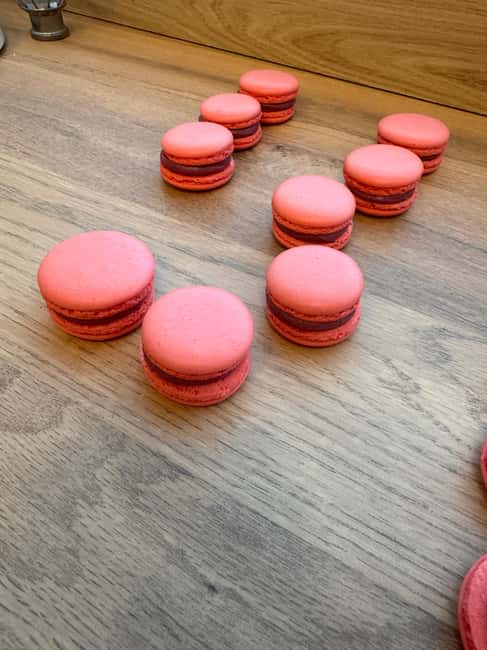
- English-led instruction focused on step-by-step baking technique
- Small group limit (10 people) for more attention while you pipe and mix
- Macaron science, explained simply, so you understand what each step is doing
- Clean, well-organized studio setup, with measured ingredients and tools at your station
- You taste your own macarons, then leave with a recipe to repeat at home
- Instructors like Chef Leo and Maria earn repeated praise for clarity, patience, and humor
The real draw: learning macarons, not just buying them
Paris is full of pretty macaron boxes. This class is different. You are not just sampling the final product, you are learning the process that creates the shell, the smooth top, and the chewy center. That is where the satisfaction lives.
I especially like how the teaching style shows up in the results. People consistently describe instructors who guide you through each stage, including the tricky parts like mixing and piping. The goal is not perfection on the first try. The goal is confidence by the end, so you can make a batch back home without starting from scratch.
Possible drawback, practical one: macarons are delicate. Humidity and technique matter, so if you expect a cake-style, forgiving bake, you might find macarons more demanding than you planned. That said, the class format is designed for you to practice under supervision.
More macaron and pastry classes:
- Paris Croissant Small-Group Baking Class with a Chef
★ 5.0 · 910 reviews - Paris: Macaron Class at Galeries Lafayette
★ 4.3 · 905 reviews - Paris: French Croissant Baking Class with a Chef
★ 4.9 · 712 reviews
Studio Pâtisserie and finding the grey storefront
You will meet at the grey-colored store front on the main road. That sounds simple, but it helps to arrive a few minutes early so you can spot the right door without stress.
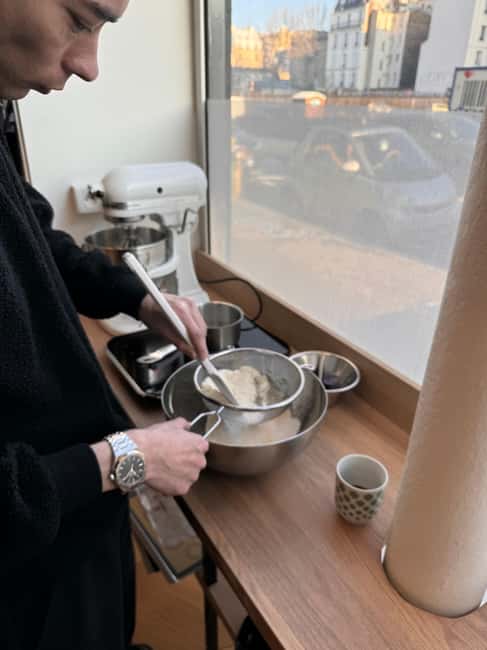
Once inside, the vibe matters. Several class descriptions highlight a clean, organized workspace with stations set up so you are not packed shoulder-to-shoulder. That is not just comfort, it also makes technique easier. When your tools are where you need them, your piping and timing stay more consistent.
What you should bring is equally practical: comfortable shoes and comfortable clothes. You will stand and move while you mix and pipe. Also, if you are the type who hates staying out of the kitchen, this is the opposite of that. You will be actively doing the work.
Welcome briefing, macaron history, and why this starts with context
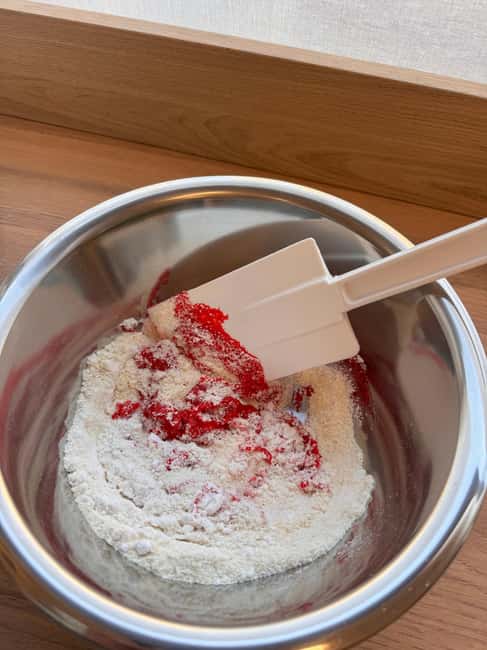
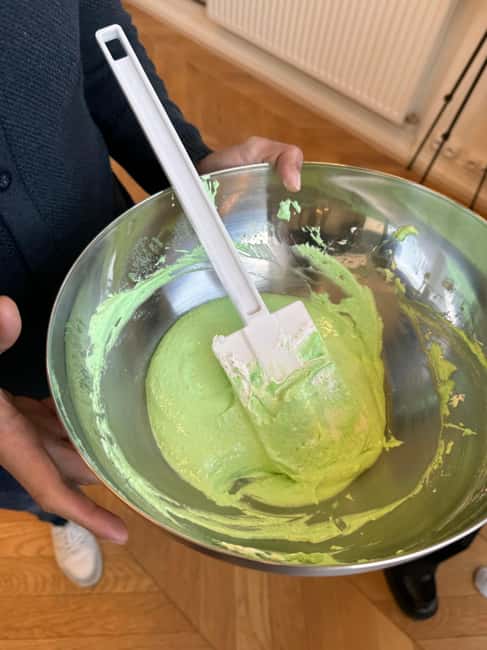
The first part of the class sets you up to understand what you are about to do. You begin with an intro covering the history and artistry of macarons, plus the cultural significance and the ingredients that go into the cookies.
Why does this matter? Because macarons are not just a sugar-and-flour cookie. The key ingredients drive structure. Egg whites give you the foam and the shell. Sugar helps stabilize. Almond flour contributes body. Even if you do not memorize the science, you start to recognize why each step exists.
You also get a framing that shows up in good teaching. One pattern in the instructor praise is how they explain the why, not only the what. When you know why you are mixing a certain way or piping a certain shape, troubleshooting becomes less mysterious.
This is also a social start. You meet fellow bakers, and a small-group format means you are usually interacting right away. If you want a fun, grounded way to meet people in Paris without forcing small talk all day, this can do that.
Hands-on shells: mixing, piping, and getting the right texture
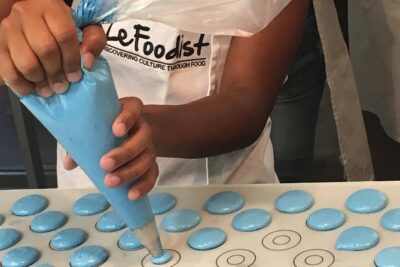
Now the class turns practical. You learn how to make macaron shells and the core technique steps that create their signature look and bite.
Here is what tends to be emphasized in strong classes like this one:
- Getting the batter consistency right before piping
- Piping evenly so the shells bake uniformly
- Managing timing so shells bake and set correctly
You are not just watching. The teaching flow is step-by-step, and you work along with your instructor. People repeatedly mention the benefit of practicing while someone is watching your process. That matters because macaron mistakes often happen in the texture stage, before anything goes into the oven.
Also, the setup helps. Many descriptions say ingredients and measured items are arranged in a way that makes the process easy to follow. That reduces the most common beginner pain point: not knowing what you are holding, or when you should do the next step.
The instructors are described as patient and interactive. Chef Leo in particular comes up again and again for being clear, humorous, and willing to troubleshoot on the spot. Maria also receives high marks for being funny and helpful, with an energetic teaching style that keeps the session moving.
More hands-on workshops in Paris:
- Fragonard Paris: Mini Perfume Workshop
★ 4.5 · 1,924 reviews - Paris Cooking Class and Lunch with Wine plus Market Visit Option
★ 5.0 · 1,024 reviews - Paris: 2-Hour Perfume Creation Workshop
★ 4.8 · 731 reviews - Paris Cooking Class: Learn How to Make Macarons
★ 5.0 · 634 reviews
Filling and assembly: turning shells into the real macaron
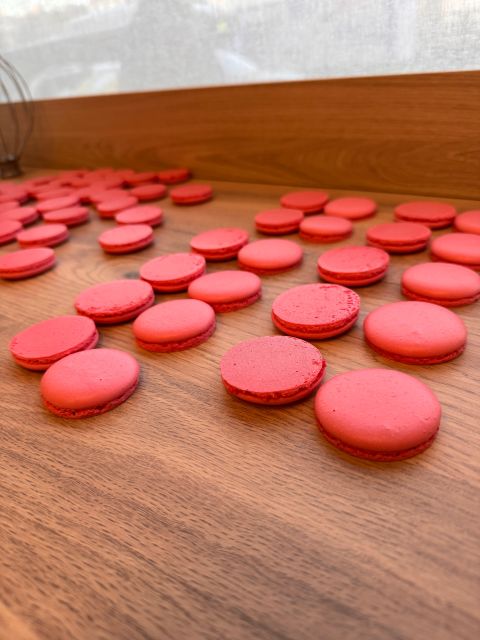
Shells are only half the story. The class includes making the fillings and assembling the macarons.
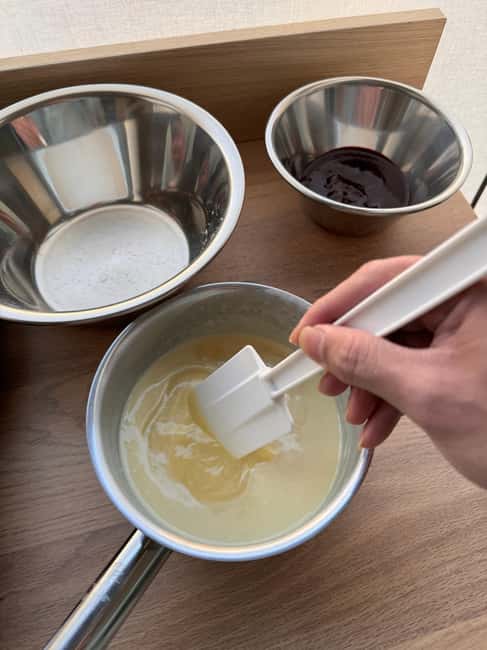
This is where you learn that a macaron is about balance. Too much filling makes it messy and heavy. Too little leaves you with a cookie that does not feel complete. Timing also plays a role, because macarons are at their best when the shells and filling settle into each other.
One detail worth flagging: flavor selection can vary by class. Some participants mention flavors like chocolate, black currant, and passionfruit. If you have strong preferences, keep your expectations flexible. The bigger win here is mastering the process, not locking into a specific flavor lineup.
If you are a home baker already, you may notice you are learning a workflow you can reuse. If you are a total beginner, you will likely appreciate that the instruction does not assume you know anything. That is a big reason people describe the challenge as right-sized, not overwhelming.
The tasting moment, plus what you take home
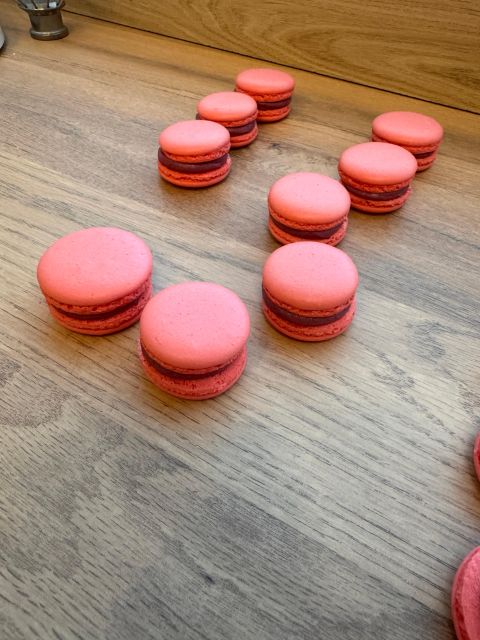
After baking, you get to taste what you made. This is a high-value part of the class because you get instant feedback. You can connect what you felt while mixing and piping with what you see and taste after the bake.
I like how this turns learning into closure. You are not leaving with a raw recipe and vague hope. You are leaving with something you already understand. If your batch is not perfect, you still learn what “good” tastes like, so your next attempt at home has a reference point.
You also take home a recipe. That matters for value, because the recipe is what turns the class from a one-time souvenir into a skill you can practice. Several descriptions mention leaving with enough macarons to enjoy later, including boxes of what you made. That is not only a treat, it is also proof of what you accomplished during the session.
There is also mention of getting additional recommendations for what to do in Paris, including suggestions from the instructor. That is optional value, but it can make the class day feel more connected to the trip.
Price and value: what $122 buys you in the real world
At $122 per person, you are paying for more than ingredients. You are paying for:
- English-led instruction that stays hands-on
- Small-group attention while you pipe and bake
- A prepared studio setup with tools and measured components
- Tasting during the session
- A recipe to repeat the results later
For Paris, the price feels reasonable when you compare it to the typical cost of a “single bite” experience, like a tasting at a shop, where you only consume and do not learn technique. Here, you are buying time in a working pastry space with direct coaching.
Is it the cheapest thing on your itinerary? No. But if you like food, and you want a memory that is more than a photo, it is a smart splurge. You walk away with skills plus treats, which is exactly the combo that makes this class worth it for many visitors.
Who should book this macaron class (and who should skip it)
This works best if you:
- Want a fun activity in central Paris that is clearly French, but not just sightseeing
- Enjoy hands-on cooking and learning technique
- Like small groups and want interaction with an instructor
- Prefer English instruction and step-by-step guidance
It might not be your best choice if:
- You travel with kids under 12 (not suitable)
- You follow a vegan diet (not suitable)
- You have nut allergies (not suitable)
- You are looking for a completely low-effort, hands-off class
If you are celebrating something, it also fits nicely. Several class descriptions mention birthdays and family trips where the hands-on element keeps everyone engaged.
Practical tips for enjoying the full 150 minutes
The class lasts 150 minutes, so plan your day around it. You want to be rested enough to stand, pipe, and focus, but not so rushed that you are thinking about your next stop the whole time.
A few practical tips that help:
- Wear comfy shoes. You will stand at your station.
- Dress for a working kitchen, not a museum. Comfortable clothes beat fancy outfits.
- Arrive on time and look for the grey storefront at the main road meeting point.
- If you care about flavors, understand that selections can be class-dependent.
You do not need special baking skills. What you do need is willingness to follow instructions closely, then adjust based on what you see. Macarons reward attention, and this class is built to teach that attention.
Should you book this Paris macaron baking class?
If you want one genuinely interactive food experience in Paris, I think this is an easy yes. The biggest reason is not the finished cookie. It is the structure of the lesson: small group size, English instruction, hands-on technique, and a recipe you can use right away.
Book it if you:
- Like learning skills you can repeat
- Want a high-feedback experience with tasting at the end
- Appreciate a clean, organized studio where you are not fighting for space
Skip it if your priorities are purely low effort, kid-friendly content under 12, or dietary restrictions like vegan or nut allergies. In those cases, the class format does not fit.
If your goal is to leave Paris with both a box of macarons and a real sense of how to make them, this class delivers.
FAQ
How long is the macaron baking class in central Paris?
The class lasts 150 minutes.
Where is the meeting point?
You should look for a grey-colored store front on the main road.
Is the class taught in English?
Yes. The instructor speaks English.
How big is the group?
It is a small group limited to 10 participants.
What is included in the experience?
It includes an instructor, the baking class itself, tasting, and a recipe to take home.
Who can participate?
The class is not suitable for children under 12 years, vegans, or people with nut allergies.
What should I wear or bring?
Wear comfortable shoes and comfortable clothes.
What is the price per person?
The price is $122 per person.
What are the cancellation and payment options?
You can cancel up to 24 hours in advance for a full refund, and you can reserve now and pay later to keep plans flexible.
Recently added around Paris
- Paris: Louvre Masterpieces Private Tour with Reserved Entry★ 4.3 · 144 reviews
- Paris: Living Cheese Museum Guided Tour with Cheese Tasting★ 4.8 · 182 reviews
- Paris Louvre Exclusive Semi Private Guided Tour Max 6 People★ 4.6 · 28 reviews
- Paris: Louvre Guided Tour with Skip-the-Line Entry Tickets★ 3.5 · 73 reviews
- Paris Le Marais Walking Tour: Small Group Experience★ 5.0 · 7 reviews
- Paris: Lemon Tart Baking Class with a Pastry Chef★ 5.0 · 4 reviews
- Paris: Live Guided Cruise with Crepe and Soft Drink★ 3.9 · 14 reviews
- Paris Le Marais Food Tour: Full Traditional French Feast★ 4.8 · 119 reviews
Macaron & Pastry Classes, compared.
Paris Croissant Small-Group Baking Class with a Chef
Read our review →
Paris Cooking Class: Learn How to Make Macarons
Read our review →
45-minute Chocolate Making Workshop at Choco-Story
Read our review →
Chocolate & Patisserie Walking Tour with Tastings
Read our review →
Paris Chocolate, Macaron & Pastry Food Tour: 10 Gourmet Tastings
Read our review →Browse the lists this tour appears in