
Reviewed · WORKSHOPS
Paris: Couture workshop, upcycle your own jacket
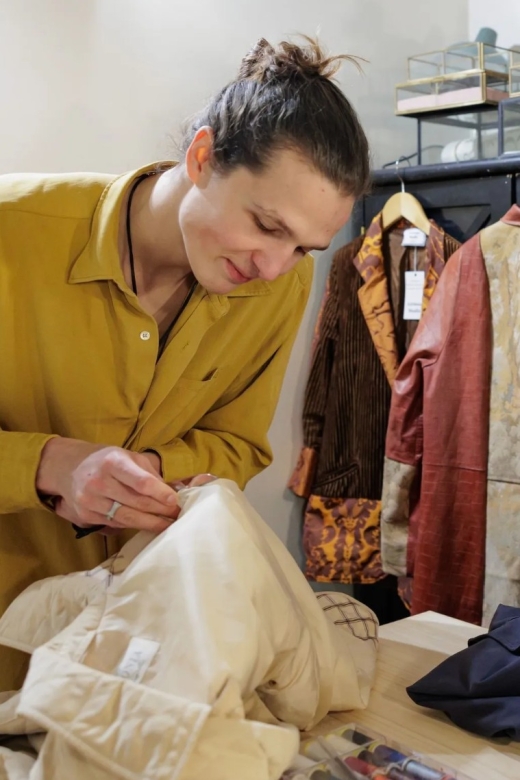
Paris can be all couture windows and perfect seams. This workshop swaps the showroom for a working studio where you learn real craft and leave with a jacket you actually made. It also has that satisfying sustainable twist: you start with something old, then you give it a new life.
Two things I like a lot: you’re taught couture-level techniques in a small group, and you don’t just watch, you cut, sew, and create. One possible drawback is the time limit. Three hours is great for a focused project, but it means you should expect a plan, not a full-blown fashion factory day.
Key Things You’ll Do (And Actually Remember)
- Meet Tara and learn how upcycling can look polished, not patchy
- Choose your base jacket from thrift picks in different sizes, or bring your own
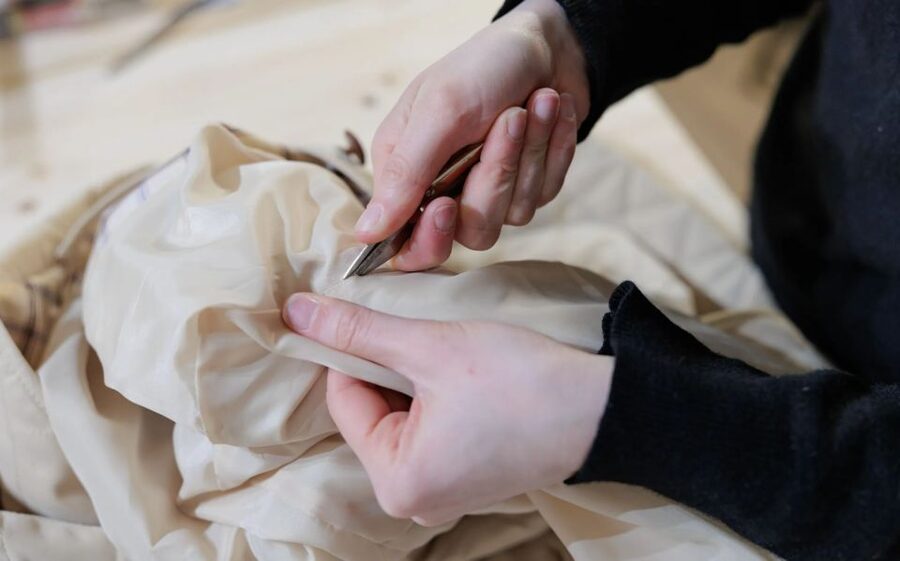
- Try patchwork, cut out, and embroidery (one or combine all three)
- Work with luxury cut-offs and upcycling materials chosen for character and results
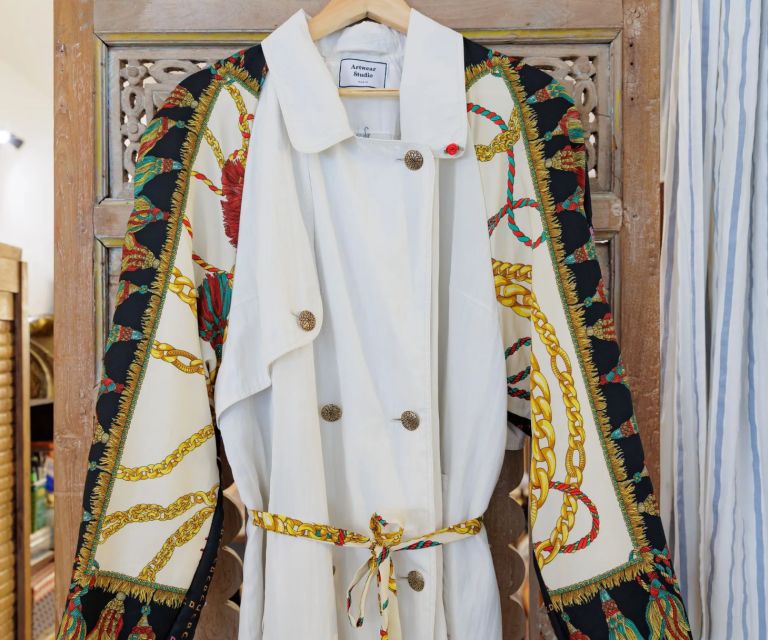
- Finish with a take-home jacket that’s uniquely yours, not a mass-produced souvenir
Why a Couture Upcycling Workshop Near Montmatre Makes Paris Feel Real
What’s interesting here is the mix of Paris attitude with practical skills. You’re in a studio space where the goal is wearable, durable design, not just a nice photo. And because it’s close to Montmatre, the vibe feels like creative Paris rather than museum-only Paris.
I like that the experience is built around real technique. You learn how to handle fabric, shape details, and add decoration in ways that make a jacket look intentional. You’re not just “decorating,” you’re making design decisions, like a small couture project.
I also like the sustainability angle because it’s not preachy. You see how materials from thrift stores and fabric scraps can become something strong and stylish. The idea is simple, reuse what exists first, then buy smarter second.
One consideration: if you want a completely relaxing class, this may feel hands-on and focused. Sewing takes concentration, especially when you’re learning new methods. If you like doing, you’ll love it.
More hands-on workshops in Paris:
- Fragonard Paris: Mini Perfume Workshop
★ 4.5 · 1,924 reviews - Paris Cooking Class and Lunch with Wine plus Market Visit Option
★ 5.0 · 1,024 reviews - Paris Croissant Small-Group Baking Class with a Chef
★ 5.0 · 910 reviews
Walking Into the Atelier, Then Picking Your Jacket Base
When you arrive, you meet Tara, who runs the parisian atelier and shares her approach to creative and sustainable fashion. She shows examples of her own upcycled creations so you can picture the end result before you start cutting.
Then comes a key moment: choosing the jacket. You’ll find jacket options sourced from thrift stores in various sizes, and you’ll also see fabric cut offs from luxury design houses. It’s a smart setup because it removes the hardest part of upcycling for beginners, finding usable fabric and a base that can actually be transformed.
Here’s how I’d think about the choice if I were planning my own project. Look for a jacket shape that fits your body or style goals, even if it’s not perfect now. Since you’ll be making changes with patchwork, cut out, and embroidery, your starting jacket doesn’t need to be a blank canvas. It needs potential.
Optional but worth noting: you may bring your own jacket to upcycle. If you do, I’d bring something with sentimental value, or a piece you already know fits well. If you’re unsure, using one of the studio’s thrift jackets can be easier because the designer has already curated sizes and materials for success.
The Studio Plan: A 3-Hour Project That Moves
This is a 3-hour workshop built to get you from idea to a completed jacket. That timing matters. It means the class runs with structure, so you’re not stuck waiting for inspiration to arrive.
You’ll get a clear introduction to upcycling first. Then Tara guides you through the options and design logic, including what kinds of fabric cut-offs work well for details. After that, you choose your jacket and pick how you want to work.
From there, the workshop shifts into making mode. You’ll move through three techniques, with the option to focus on one or combine all three. Expect you to make decisions, then act on them, with hands-on help so the project stays doable inside the time window.
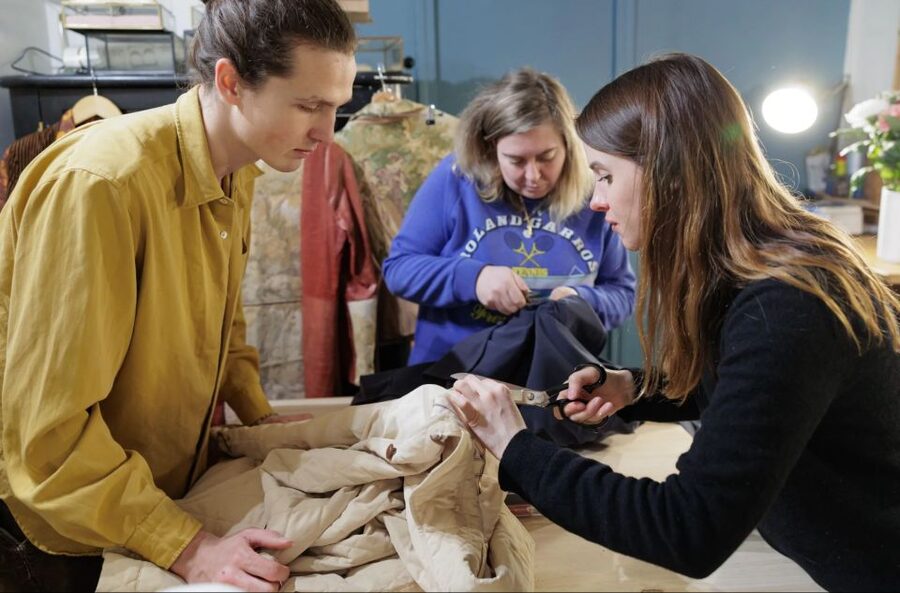
Small group size helps a lot here. The workshop is limited to 5 participants, which means more time for individual guidance when something gets tricky.
Patchwork, Cut Out, and Embroidery: Your Three Design Tools
This workshop teaches three techniques: patchwork, cut out, and embroidery. What I like is that these aren’t random craft tricks. They’re design tools that let you change the look and structure of a jacket while keeping it stylish and durable.
Still in Paris, but a different sort of outing:
- Paris: Louvre Museum Timed-Entrance Ticket
★ 4.6 · 71,977 reviews - Disneyland® Paris 1-Day Ticket
★ 4.6 · 49,412 reviews - Paris: Versailles Palace and Gardens Full Access Ticket
★ 4.6 · 41,579 reviews - Paris: Evening River Cruise with Music
★ 4.4 · 22,721 reviews
Patchwork: Add Texture and Shape
Patchwork is where you can turn fabric leftovers into intentional design blocks. It’s a great way to add interest without needing extra shopping. If your jacket has worn spots, patchwork can also help disguise or reinforce areas, depending on what you choose.
In practice, patchwork is also one of the most beginner-friendly techniques because it gives you clear sections to work with. You can build from there and decide how bold you want the contrast to be.
Cut Out: Create a Clean, Graphic Detail
Cut out is more “design-forward.” Instead of covering a problem, you carve out a detail that changes the jacket’s silhouette and visual rhythm. You’ll be guided through how this works so you don’t end up with a pattern that looks accidental.
This technique can be especially satisfying because it shows immediate progress. Once the cut-out design is in place, you can see the jacket becoming something new.
Embroidery: Finish With Personality
Embroidery adds character. It’s where your jacket starts to look like your jacket, not just a recycled one. You can use embroidery to add accents around patchwork seams, echo a cut-out shape, or simply bring a signature touch to the overall look.
Embroidery also helps visually “tie it all together.” Even if your patchwork and cut out are different styles, embroidery can unify the theme.
A smart approach if you’re new is to pick one technique as your main event. Then add a supporting technique or two. The workshop lets you do that, and it often produces the most confident-looking results inside a short class.
Hands-On Time With Real Help, Not Just Instructions
What makes this workshop feel worthwhile is the balance of teaching and doing. You’re not left to figure out your project alone. Tara guides you through the methods, then helps as you cut, sew, and build.
The small group format matters because sewing problems are personal. A sleeve bulkier than expected, a seam that doesn’t want to cooperate, fabric that behaves differently than you expected. With a limit of 5 participants, you’re more likely to get the help you need right when you need it.
From the feedback you can piece together a pattern: people call Tara patient and skilled, and they like that the instruction stays clear even when hands are busy. That’s exactly what you want in a creative class. You should feel focused, not rushed.
And yes, there’s an emotional side to making something from something you almost threw away. As you work, you start to see the logic behind second chances for forgotten pieces. You’re also learning a mindset shift: look at what you already have and treat it like raw material, not trash.
What You Leave With: A Jacket With Your Name on It
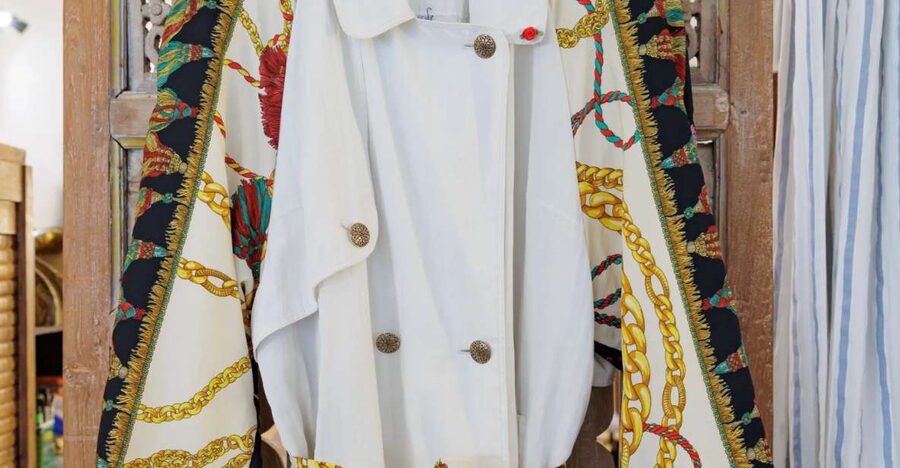
At the end, you take home your upcycled jacket. That’s not a tiny perk. It’s the point. If you spend three hours learning sewing techniques but don’t get a finished item, the whole thing can feel like an expensive hobby trial.
Here, you leave with something you designed by using the studio’s materials and your own choices. Since you pick the base jacket and choose your technique mix, your outcome should look personal and durable, not like a generic workshop product.
Also, you’ll probably notice how confident you feel about continuing after the class. The workshop experience is built to encourage you to explore upcycling on your own, not just repeat what you did once. Even if your first attempt isn’t as polished, you’ll know what to try and what to avoid.
One small reality check: you’ll have a brand-new jacket, but it may not be perfect couture in the way a store-bought designer item is. That’s okay. The value is in knowing how it was made, and learning enough to improve next time.
Price and Value: Is $170 Worth It for 3 Hours?
At $170 per person, this isn’t a budget craft class. But in context, the price can feel reasonable because you’re paying for multiple things at once:
- A 3-hour workshop led by an established fashion designer
- A vintage jacket to upcycle provided for you (if you choose a studio jacket)
- Upcycling materials to build your custom piece
- Small-group instruction limited to 5 participants
- A take-home outcome you can wear
If you were to buy a jacket, pay for materials, and then pay for one-on-one instruction, the cost would likely rise fast. Here, the workshop bundles the whole process into one price, and you’re not just learning abstract skills, you’re producing a jacket.
Who gets the best value? You get the most from this class if you want something tangible, you enjoy making choices, and you’re open to learning couture-ish techniques in a practical format.
Who might feel the price is high? If you only want casual crafting with no real sewing, or if you already know the techniques and are looking for something advanced, you might want to compare alternatives.
Who This Workshop Suits Best (And Who Should Skip It)
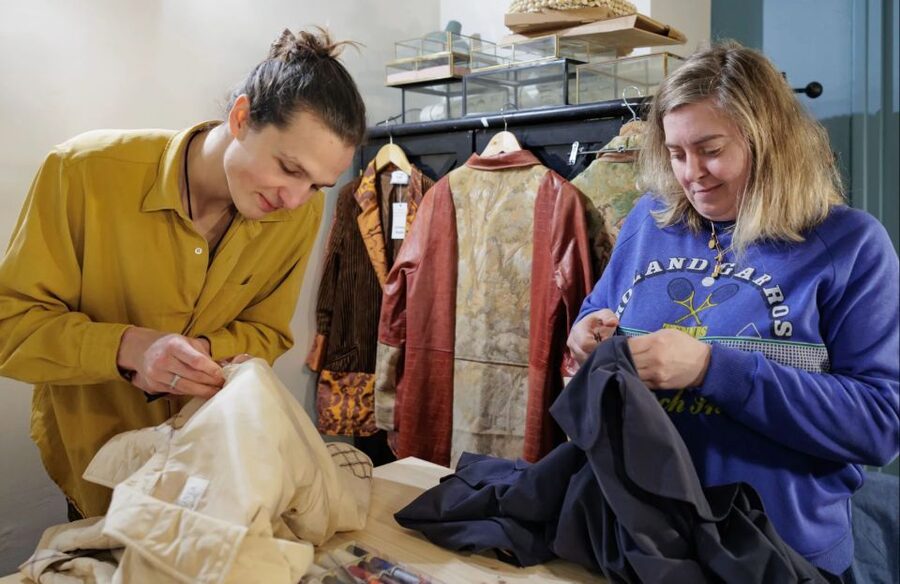
This workshop is a strong match for anyone who likes two things: fashion and hands-on creativity. It’s especially good for people who want a stylish souvenir that isn’t mass-produced. You’re building something functional, not a decoration you’ll store.
It’s also a great fit if you care about sustainability and want to do it with skill. You’ll learn how to work with upcycling materials, including luxury design house fabric cut-offs and thrift store jackets.
A practical note: it’s not suitable for children under 10. Also, since instruction is in English and French, you’ll feel most comfortable if you can follow either language at a basic to intermediate level.
If you’re traveling solo, this can still work well because the group is small and you’ll be busy the whole time. If you’re traveling as a couple or friends, you might enjoy doing separate projects or focusing on different technique combinations.
Tips for Getting Better Results on Your Jacket Choice
If you bring your own jacket, you’ll have more control over the final look. If you rely on studio jackets, you’ll benefit from Tara’s selection, which is designed to work for upcycling.
Either way, here’s how I’d set yourself up for success based on what the workshop emphasizes:
- Pick a base jacket that already fits your overall style, even if it’s not perfect today.
- Choose fabric you’re excited to work with since patchwork, cut out, and embroidery will show up on the final design.
- Be willing to make decisions quickly. The class moves, and good results come from committing to a plan rather than second guessing every step.
- If you’re nervous, stick to one main technique. You can still add embroidery or small details, but it keeps the project realistic in three hours.
And don’t overthink it. The whole point is to transform something you didn’t think you’d wear again. Paris is full of reinvention, and this is reinvention with a sewing machine.
Getting There: The Black Door Code and the Atelier Setup
The meeting point is very specific, so don’t rely on guesswork. You’ll go to a black door with code A5961, then head to Building A, 2nd floor.
Because it’s an atelier and not a big tourist attraction, you’ll want to arrive on time. Once you’re inside, you’ll have everything you need for the workshop, including the jacket and materials if you’re using studio options.
A useful habit for this kind of workshop: bring any questions you have about your technique choices before you start cutting. Once fabric is on the table, focus beats over-planning.
Should You Book This Couture Upcycling Workshop?
Book it if you want a hands-on Paris experience that’s actually useful. You’ll learn patchwork, cut out, and embroidery, and you’ll leave with a jacket you created, not just memories.
Skip it if you only want a low-effort activity, or you’re looking for something that’s purely guided sightseeing. This is about making, and you should show up ready to sew and make choices.
If you’re the type of traveler who likes practical crafts, sustainable style, and small-group instruction, this is a very solid pick. In a city full of expensive things to look at, this is a surprisingly satisfying way to make something you can wear.
FAQ
How long is the Paris couture upcycling workshop?
The workshop lasts 3 hours.
What is included in the price?
The price includes 3 hours of sewing workshop with an established designer, a vintage jacket to upcycle, and upcycling materials to create your custom piece.
Can I bring my own jacket to upcycle?
Yes. Bringing your own jacket is optional, in addition to the vintage jacket option provided by the atelier.
How big is the group?
The group is small, limited to 5 participants.
What languages are the instruction available in?
The instructor provides instruction in English and French.
Is it suitable for children?
No, it is not suitable for children under 10.
Recently added around Paris
- Paris: Louvre Museum Timed Entry Ticket & Pop Culture Tour★ 4.6 · 26 reviews
- Paris: Louvre Must-See Tour with Reserved Entry Ticket★ 4.9 · 164 reviews
- Paris: Louvre photoshoot or Seine bridges Eiffel Tower walk★ 5.0 · 49 reviews
- Louvre & Mona Lisa Morning Tour with Reserved Access★ 4.0 · 15 reviews
- Paris: Louvre Museum Skip-the-Line Tickets for Monalisa★ 3.0 · 42 reviews
- Paris: Louvre Museum and Orsay Museum Guided Tour★ 5.0 · 6 reviews
- Paris: Louvre Museum Mona Lisa First Viewing Semi-Private★ 4.2 · 21 reviews
- Paris: Louvre Museum Ticket with Optional Hosted★ 3.1 · 89 reviews
Workshops, compared.


Paris Cooking Class and Lunch with Wine plus Market Visit Option
Read our review →
Paris Croissant Small-Group Baking Class with a Chef
Read our review →


Paris Cooking Class: Learn How to Make Macarons
Read our review →
Browse the lists this tour appears in