
Reviewed · WORKSHOPS
Paris: Bread and Croissant-Making Class
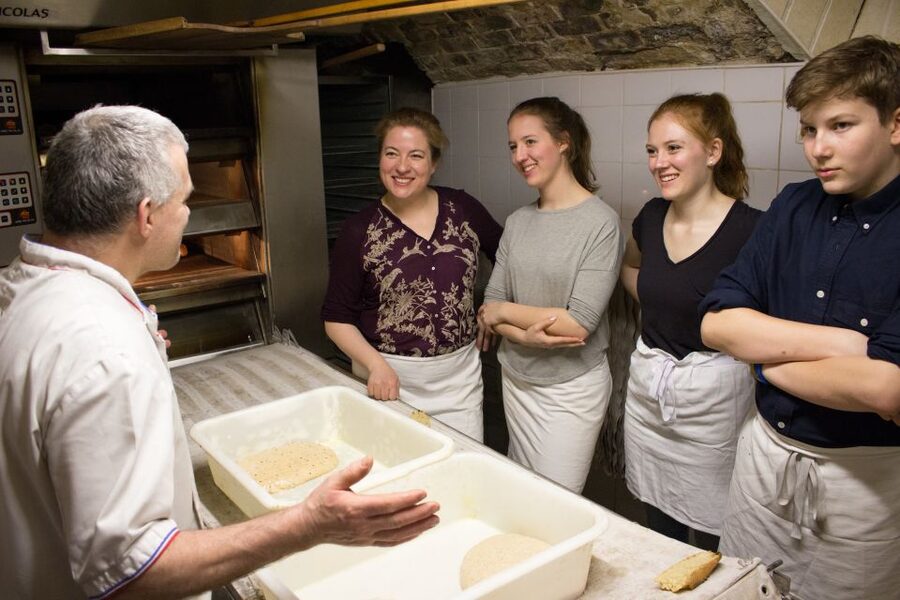
Paris has plenty of food tours. What makes this one different is that it happens behind the counter of a family-run boulangerie, where you learn the craft from dough to shape. You get the kind of bread-making details you usually only pick up after years in the kitchen.
I especially like two things: you practice baguette shaping and crust-making techniques, and you also learn how to make and shape croissants the French way. The small group format helps, because you are not just watching from the sidelines.
The one drawback to consider is that this is a hands-on class. If you prefer sightseeing with minimal mess, flour in your sleeves is part of the deal, and the full learning happens over a tight 2-hour window.
Key things I’d circle on your Paris itinerary
- A real boulangerie setup, not a studio, with an owner-style teaching approach
- Classic baguette plus La Parisse, a special version the bakery is known for
- Croissant making and shaping, guided step-by-step
- Small group size, capped at 8 participants
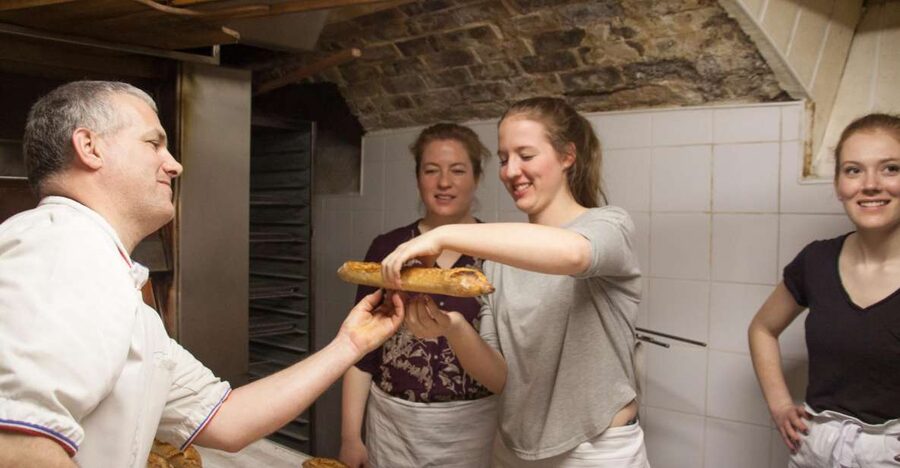
- Warm bread moments while the baking finishes
- Recipes sent by email, so you can repeat the method at home
Behind Le Petit Mitron’s counter, not behind a rope
This class is interesting because it treats bread like real work, not a performance. You meet at Le Petit Mitron, 8 rue Oberkampf in the 11th arrondissement, and then you get close to the action in the actual bakery space. There is a big difference between a “look at the oven” tour and learning what dough feels like, how it responds, and why small choices matter.
I love that the teacher is tied to a true bread lineage. The baker runs the place, and family knowledge goes back through his father and grandfather. That family continuity shows up in how the class is paced, with tips that sound practical, not ceremonial.
I also like the focus on results, not just tradition. You are taught how to get a crusty golden exterior with a soft, warm interior, and you do it with both a classic baguette and the bakery’s famous La Parisse. That mix makes it more useful for home cooks, because you are learning what changes when you shift from one bread style to another.
More hands-on workshops in Paris:
- Fragonard Paris: Mini Perfume Workshop
★ 4.5 · 1,924 reviews - Paris Cooking Class and Lunch with Wine plus Market Visit Option
★ 5.0 · 1,024 reviews - Paris Croissant Small-Group Baking Class with a Chef
★ 5.0 · 910 reviews
What happens in the 2 hours, minute by minute
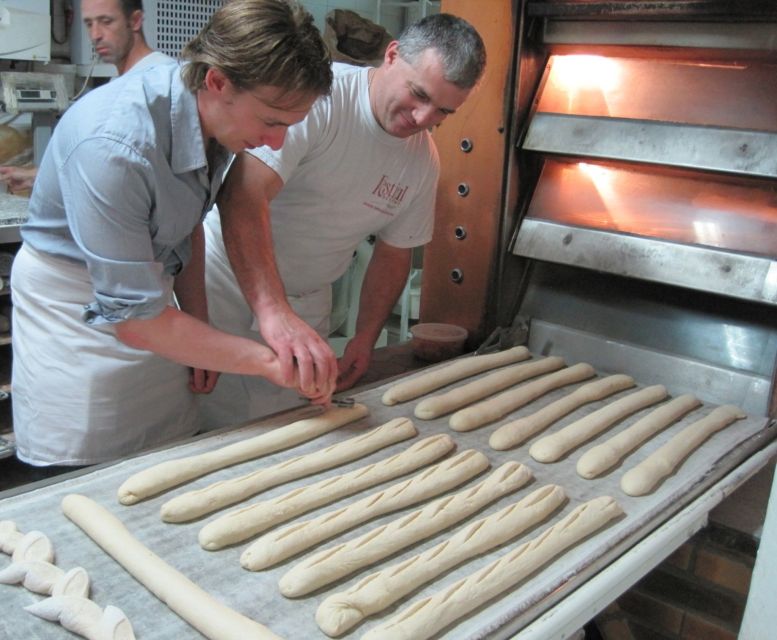
You should plan on rolling up your sleeves. You will be given utensils and an apron, and you will work directly with ingredients, not just observe. The pace is built for a small group, so you can ask questions and still stay on track for shaping and baking.
The format is built around two parts: baguette-making first, then croissants. Along the way, you get tips on technique and timing, plus a guided walkthrough from the start of dough work to the shaping stage. In many sessions, translation is handled by English speakers such as Luce or Luis, and in other groups an interpreter like Elsa can be part of the team. The goal is the same either way: you should understand what to do, not just follow along.
Here is what I’d tell you to bring, beyond the basics. Wear clothes you can tolerate getting dusted with flour. Bring an extra layer if you run cold, because bakery spaces can feel cool when ovens are off-cycle. And if you get hungry quickly, keep in mind you may spend some time waiting for loaves to finish baking while everyone keeps working or tasting.
Baguettes, from classic French to La Parisse
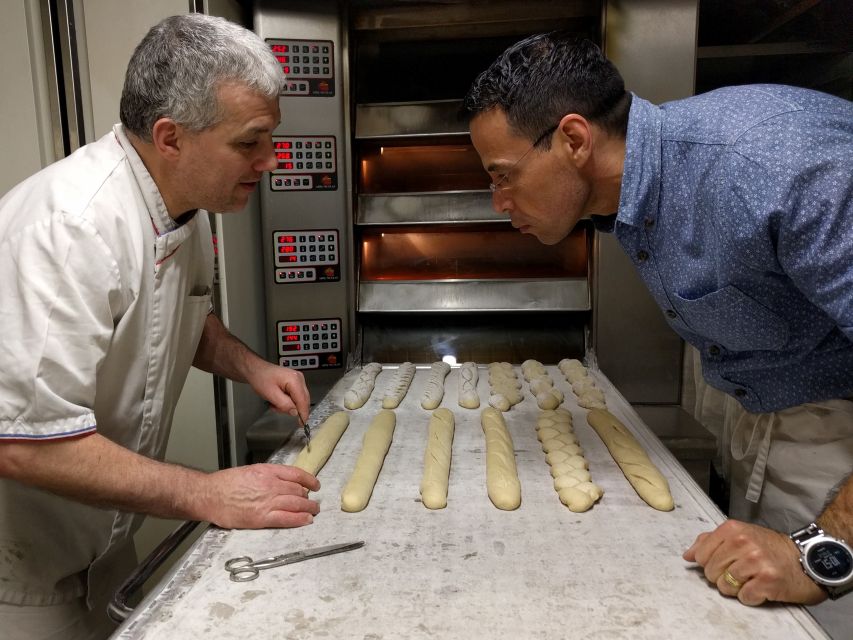
Baguette is where French baking gets real. A great baguette is not only about flavor, it is about contrast: a crisp crust, a tender interior, and that unmistakable shape you see in French bakeries every morning. In this class, you learn the process step-by-step and pick up the specific techniques that help with crust and texture.
You will bake two types of baguette. First is a classic French baguette, shaped and handled in the way that gives you that baked-to-golden look. Then you make La Parisse, a special version for which the bakery is famous throughout Paris. That matters because it teaches you that “baguette” is not one single method. It is a category, and the details change with the baker’s signature style.
One unique part of this workshop is that you make a special baguette unique to the bakery. That is why it feels more like craft training than a generic food activity. You do not just learn theory. You leave having made something tied to this specific boulangerie’s identity.
Croissants: shaping your way to layers
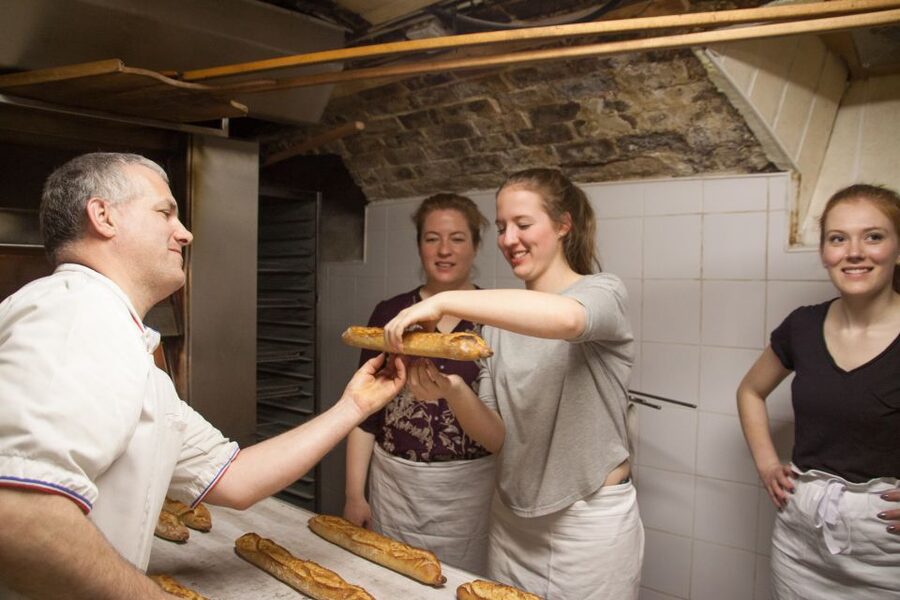
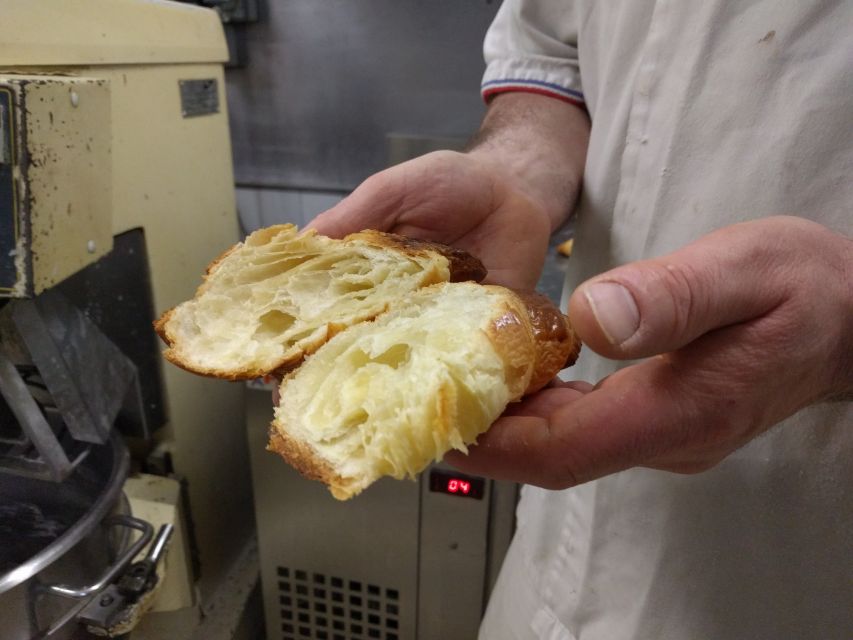
Croissants are a very visual skill. People often assume they are only about patience, but the shaping and handling matter just as much. In this class, you learn how to make and shape croissants using a master baker’s tips.
The teaching style tends to be hands-on with clear guidance. You learn what to do with the dough in practical steps, and you get coaching on technique so your croissants look like they belong on a Paris tray instead of a science experiment. This is also where a good interpreter becomes more than “translation.” When the baker explains in plain terms and the interpreter keeps up, the lesson clicks fast.
A lot of students also enjoy the fact that the class typically includes warm croissant and baguette tasting during the workshop. That taste-and-learn rhythm is powerful. You are not only making bread, you are also comparing your results and understanding what “good” should feel like in your mouth, right now.
Still in Paris, but a different sort of outing:
- Paris: Louvre Museum Timed-Entrance Ticket
★ 4.6 · 71,977 reviews - Disneyland® Paris 1-Day Ticket
★ 4.6 · 49,412 reviews - Paris: Versailles Palace and Gardens Full Access Ticket
★ 4.6 · 41,579 reviews - Paris: Evening River Cruise with Music
★ 4.4 · 22,721 reviews
Why tasting warm bread during class is more than a bonus
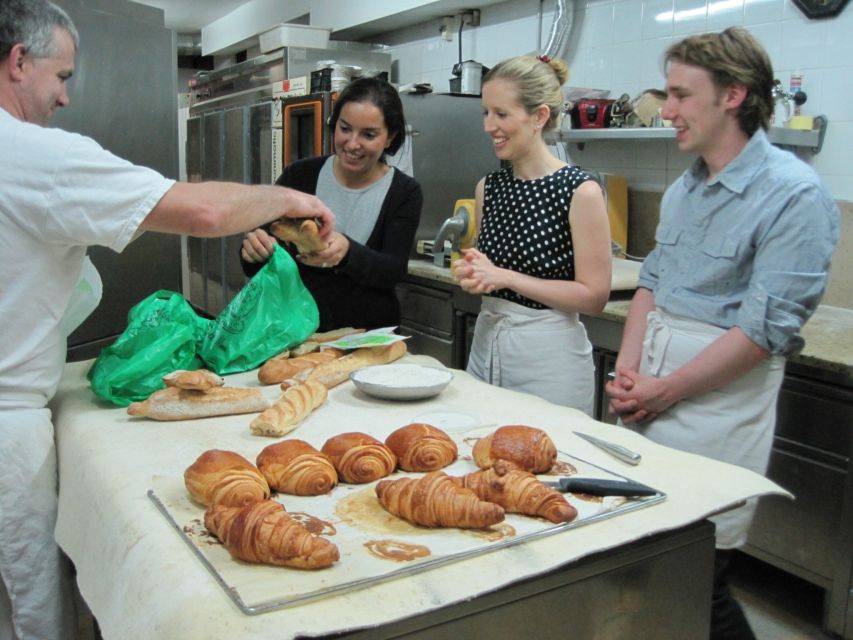
You might think the best part is “learning the dough.” It is, but tasting during the process is what helps you connect technique to payoff. When you taste warm baguettes and croissants, you can immediately notice texture differences: crust feel, interior softness, and how quickly the flavors come through.
That is where small tips turn into real skill. For example, if the baker emphasizes how to get that crunchy golden exterior with a soft warm interior, tasting is how you internalize what that means. You stop treating bread like a recipe you copy and start treating it like a craft you can adjust.
Another practical benefit: tasting keeps your energy up during the parts of class that involve waiting. Even when you are working on shaping, baking time can create a bit of pause. If you tend to get restless, plan to use that moment to pay attention to what the baker says about the next step. You are building technique, not just producing food.
Price, group size, and what $258 buys you
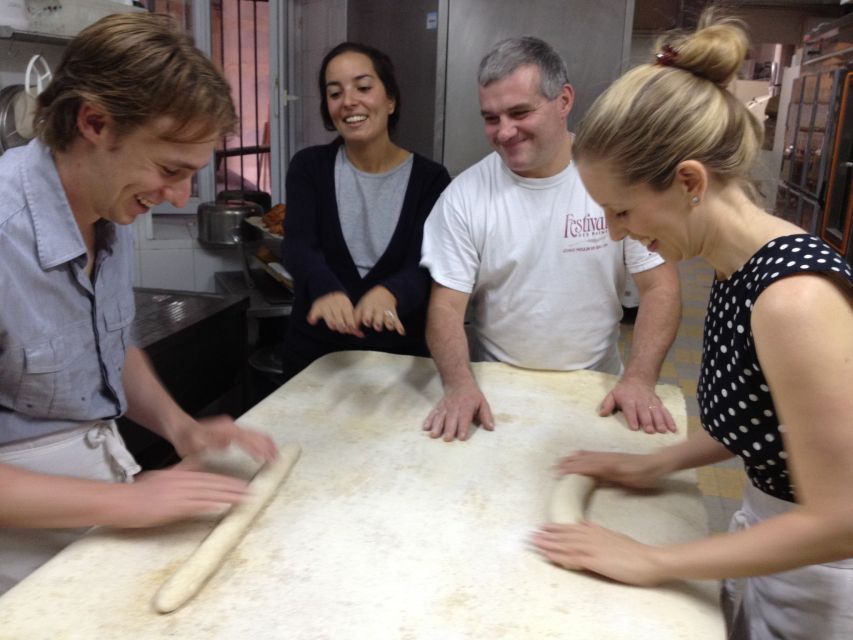
At $258 per person for a 2-hour workshop, you should judge value by what you actually get. Here, that is not a “watch and snack” experience. You get the ingredients, utensils, and an apron. You also get a small group size, limited to 8 participants, which matters a lot when the teacher needs to see how your hands are working.
You are also getting access to a family-run boulangerie and instruction from a master baker. That type of teaching is hard to recreate at home, even if you follow a bread video perfectly. The teacher’s tips are grounded in years of bread production, and the class includes a special bakery bread you are unlikely to find in a generic cookbook.
Then there is the take-home piece. You leave with recipes sent by email, and the experience itself produces bread you can enjoy. Many people describe leaving with more bread than they expected, and that “take-home” part is a major reason the price starts to feel reasonable. You are not paying only for entertainment. You are paying for skill transfer you can reuse.
Who this Paris bread and croissant class is perfect for
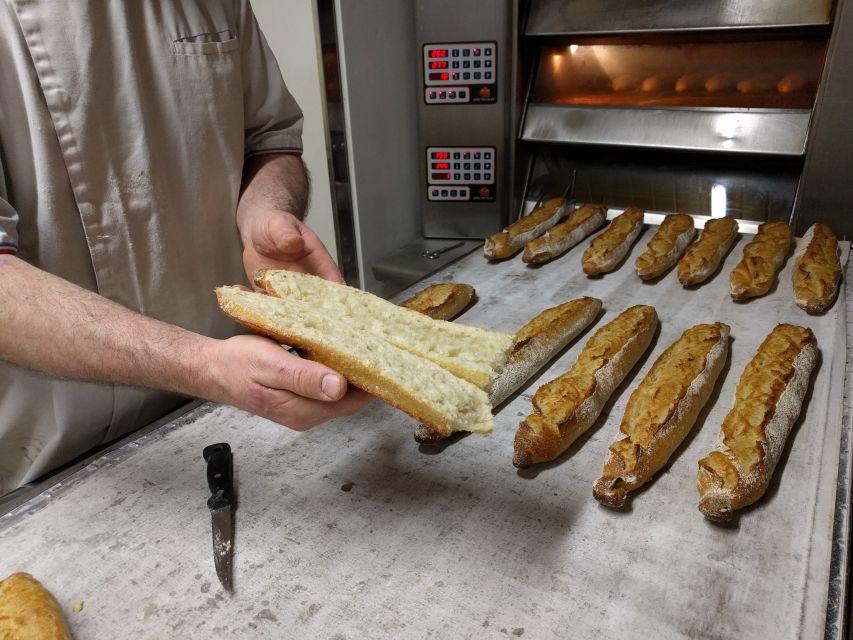
This class fits best when you want a hands-on, culture-rich food experience. If you care about technique and want to understand why French baking behaves the way it does, you will likely love it. It is also a great choice if you like learning from people who treat their work seriously, yet teach with humor and energy.
It is also family-friendly for kids old enough to participate. The class is not suitable for children under 6, but multiple families have done it with older kids around the 8-10 range and enjoyed the hands-on time. The small group setup also helps keep things interactive, so adults do not get stuck waiting while kids watch.
One thing to keep in mind if you have dietary concerns: the class offers flour made on site with no additives according to at least one participant experience, and another person with gluten intolerance reported no reaction after trying the breads. Still, because allergies vary and ingredient lists are not provided in the details here, you should ask the operator about your specific needs before booking.
Should you book this class at Le Petit Mitron?
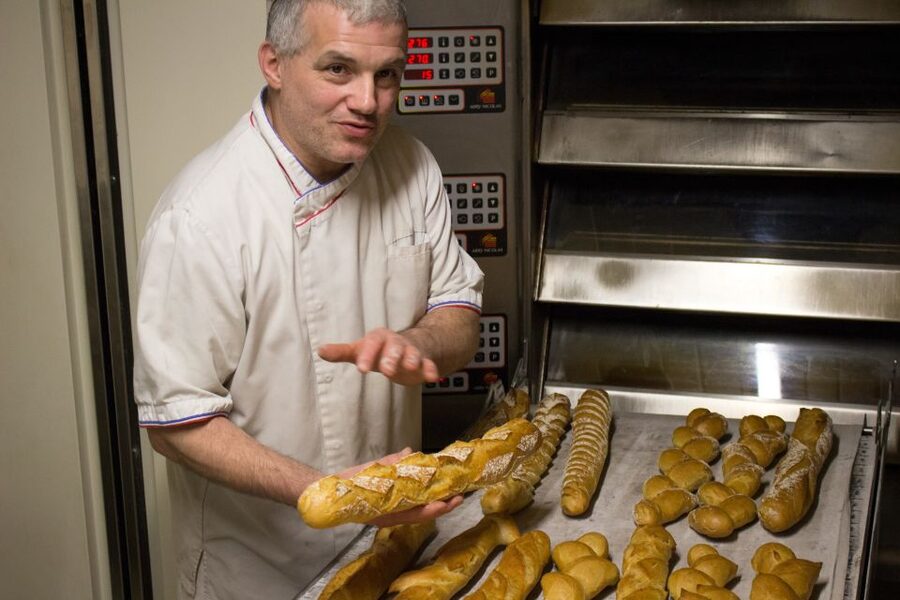
I think you should book if you want an authentic Paris food skill, not just a meal out. You are paying for a small-group, hands-on class in a real bakery space, where you make classic baguette, La Parisse, and croissants, and you walk away with recipes to practice at home. If you enjoy practical cooking and want to bring back technique you can use long after your trip, this is an easy yes.
Skip it only if you strongly prefer passive sightseeing, or if you know you would struggle with the hands-on part of dough work. It is also less ideal if you want a long food crawl, because this is focused on bread making in one concentrated 2-hour block.
FAQ
Where is the meeting point for this class?
Meet at Le Petit Mitron, 8 rue Oberkampf 75011 Paris.
How long does the bread and croissant-making class last?
The class duration is 2 hours.
How many people are in each group?
It is a small group limited to 8 participants.
What languages are available for the instructor and interpretation?
The instructor can work in English, French, Japanese, and Spanish.
What will I make during the class?
You will learn French baguette making, make and shape croissants, and make a special baguette unique to the bakery, including the bakery’s famous La Parisse.
Is the class suitable for children?
It is not suitable for children under 6.
What is included in the price?
All ingredients are included, along with utensils and an apron.
Will I get recipes to use at home?
Yes. You get a copy of the recipe sent by email.
Can I cancel and get a refund?
Yes, free cancellation is available up to 24 hours in advance for a full refund.
Recently added around Paris
- Paris: Louvre Museum Timed Entry Ticket & Pop Culture Tour★ 4.6 · 26 reviews
- Paris: Louvre Must-See Tour with Reserved Entry Ticket★ 4.9 · 164 reviews
- Paris: Louvre photoshoot or Seine bridges Eiffel Tower walk★ 5.0 · 49 reviews
- Louvre & Mona Lisa Morning Tour with Reserved Access★ 4.0 · 15 reviews
- Paris: Louvre Museum Skip-the-Line Tickets for Monalisa★ 3.0 · 42 reviews
- Paris: Louvre Museum Ticket with Optional Hosted★ 3.1 · 89 reviews
- Paris: Louvre Museum and Orsay Museum Guided Tour★ 5.0 · 6 reviews
- Paris: Louvre Museum Mona Lisa First Viewing Semi-Private★ 4.2 · 21 reviews
Workshops, compared.

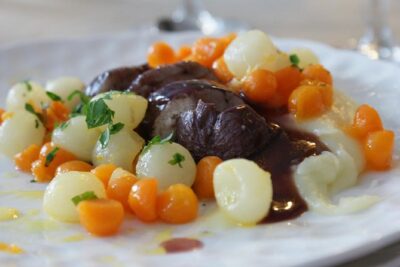
Paris Cooking Class and Lunch with Wine plus Market Visit Option
Read our review →
Paris Croissant Small-Group Baking Class with a Chef
Read our review →

Paris Cooking Class: Learn How to Make Macarons
Read our review →
Browse the lists this tour appears in