
Reviewed · WORKSHOPS
Paris: Baguette and French Breads Class
A bread class in Paris is interesting because it turns the biggest street food icon into a real skill set, not a souvenir. You start with the basics, flour, water, salt, yeast, and then you learn how small choices change everything about the dough. That makes the time feel practical, even if you do not bake at home much.
I love that the class is hands-on from the first measure to the final shaping. I also love the finish, you take home a bag full of what you made, plus you get to sit together and eat it right there with French pairings. The vibe feels friendly, not stiff.
One possible drawback to consider: in a small group of up to 8 people and with work often done in pairs, you might spend a bit less time watching every moment of mixing and baking than you would in a private session. If you want extreme supervision, plan for that and ask questions when you can.
Key Points Before You Go
- Small group size (8 max) means you get more direct help than in big classes
- Breads made from scratch in 4 hours typically include baguettes, brioche, and ciabatta
- Shaping techniques matter especially baguette tension and brioche rolling
- Scoring and signing the loaf is taught as an oven-critical step, not just for looks
- Baking depends on humidity so the class explains why times and temps are not one-size-fits-all
- You leave with a bag to share or picnic plus you taste your breads with classic add-ons
Why This Paris Bread Class Feels Like Local Food Culture
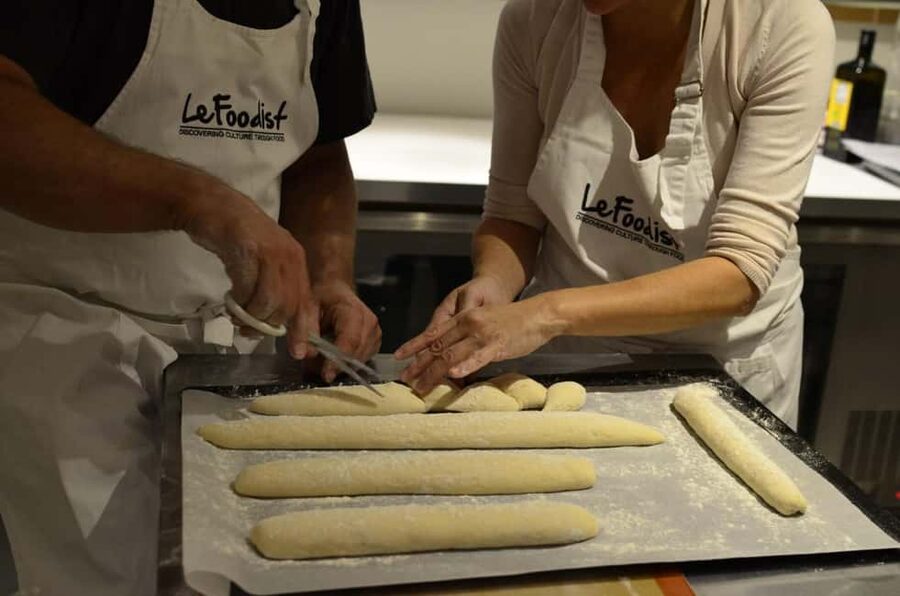
This is not a lecture where you watch someone else work. You and your hands do the work, step by step, with clear guidance and real outcomes. In a city famous for bread, that matters, because the technique is the story.
I also like the pacing. It is structured like real bread making: mix, rest, proof, shape, proof again, sign, bake, then taste. You start learning cause and effect right away, which makes it easier to repeat at home without guessing.
And you get the best kind of Paris lesson, the kind that ends with food. You are not just leaving with photos. You are leaving with bread you made, to share or to save for later.
More hands-on workshops in Paris:
- Fragonard Paris: Mini Perfume Workshop
★ 4.5 · 1,924 reviews - Paris Cooking Class and Lunch with Wine plus Market Visit Option
★ 5.0 · 1,024 reviews - Paris Croissant Small-Group Baking Class with a Chef
★ 5.0 · 910 reviews
What You Make in 4 Hours, and How Each Bread Changes the Dough
You begin with four ingredients, flour, water, salt, and yeast. That base matters because it is the foundation for so many French breads. Then the instructor shows how small changes can steer the results.
You will make baguettes and you will also make other French breads such as brioche and ciabatta, depending on the class flow. You also get tasting built into the experience, including options like French cheese, jam, and even bread served as Pain Perdu.
Here is the useful part for you: each bread teaches a different skill. A baguette is mostly about structure and handling dough with confidence. Brioche pushes you into enriched dough behavior, where fats change texture. Ciabatta tends to help you understand how dough relaxation and shaping choices affect the crumb.
You will not leave with one recipe. You will leave with a set of practical mental tools for how dough behaves.
Mixing, Measuring, and the Tips That Save You From Dense Bread
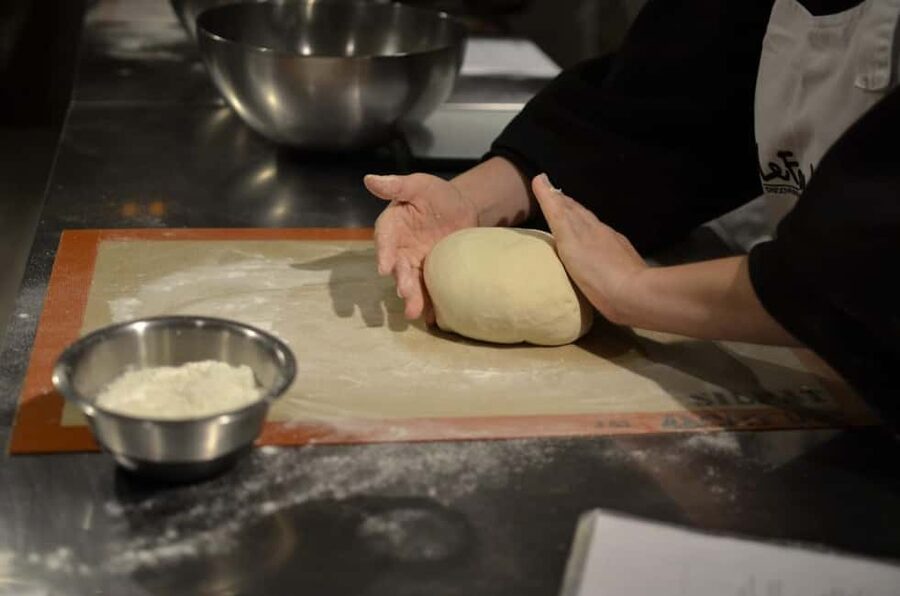
The session starts with measuring. That sounds basic, but it is the first reason home baking often goes wrong. A few grams can change dough feel and rise time, especially when you are learning.
Then it is mixing time. You learn what you are looking for while dough comes together, not just how to do the motions. This is where you pick up real bread-making habits, like how dough should look and feel as it develops.
The class also frames the fat question in a simple way. From the four essentials, you can do a lot. Add a little butter or a little oil and you can do even more. Even if your exact formula is not what you would copy at home right away, the lesson is clear: ingredient choices shift how the dough holds gas and how it bakes.
If you like learning by doing, this section is satisfying. You can ask questions while the dough is in front of you, and you see feedback immediately.
Proofing, Deflating, and Shaping Steps That Actually Control the Oven Spring
Bread making in this format is taught as a sequence with purpose. After mixing, dough needs proofing to rise. Then you deflate it before shaping, because that step sets up how the final loaf will expand in the oven.
The class explains that proofing can happen in one or several steps. That matters because it changes texture. You are not memorizing a timeline. You are learning why the dough needs rest at each point.
Next comes shaping, and this is where the Paris bread details show up. For baguettes, tension is critical. That means how you form the dough affects how it holds shape and how it opens during baking. For brioche, you roll, and the technique changes what you get in the baked crumb and crust.
You also get guidance on technique after resting the dough. This is not only about making it look right. Shaping impacts structure, which impacts how the loaf bakes through evenly.
Still in Paris, but a different sort of outing:
- Paris: Louvre Museum Timed-Entrance Ticket
★ 4.6 · 71,977 reviews - Disneyland® Paris 1-Day Ticket
★ 4.6 · 49,412 reviews - Paris: Versailles Palace and Gardens Full Access Ticket
★ 4.6 · 41,579 reviews - Paris: Evening River Cruise with Music
★ 4.4 · 22,721 reviews
The Big Deal Moment: Proofing Again, Then “Signing” the Bread
After shaping, you proof again, and you also sign your bread. That is the part that looks artistic, but it is also practical. The instructor guides the signing, and you learn that it is connected to how the loaf expands in the oven.
Think of scoring or signing as a controlled release. Without it, the dough may open in places you did not plan. With good technique, you get predictable oven spring and a more even bake.
Aesthetics matter here, yes. But I like that the class does not treat it as decoration only. It is framed as a success step. You can leave thinking like a baker instead of like a hobbyist copying a shape.
If you are the type who enjoys the craft side, this is your moment. If you are not, you will still appreciate it because the results show up in how the loaf looks and tastes.
Baking Like a Parisian: Temperature, Time, and Humidity
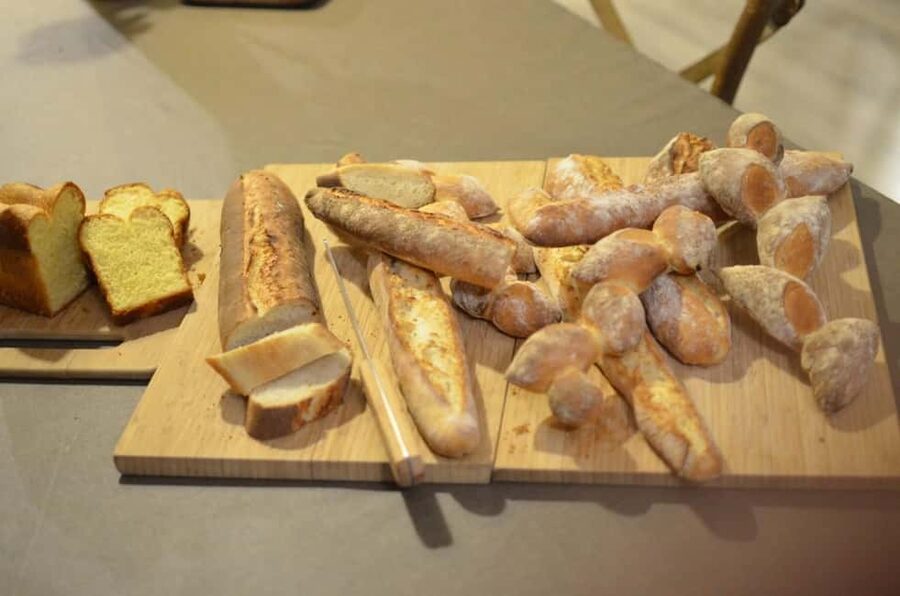
Then comes the oven. This class makes it clear that baking depends on more than temperature and time. Humidity affects results too, which is a key lesson if you ever tried to bake bread at home and wondered why things did not match what you expected.
You learn why the timing is not just a rule. It is a real-world variable situation. The dough goes from proof to bake, and that shift needs the right environment to set crust and finish the interior properly.
Even if you are not running the oven yourself, you should be watching and listening. Baking is where all the earlier choices show up, from proofing to tension to signing.
At the end, you taste the breads you made, often with simple add-ons. The class experience includes French cheese, jam, and you might try Pain Perdu, a great way to turn bread into something cozy and satisfying.
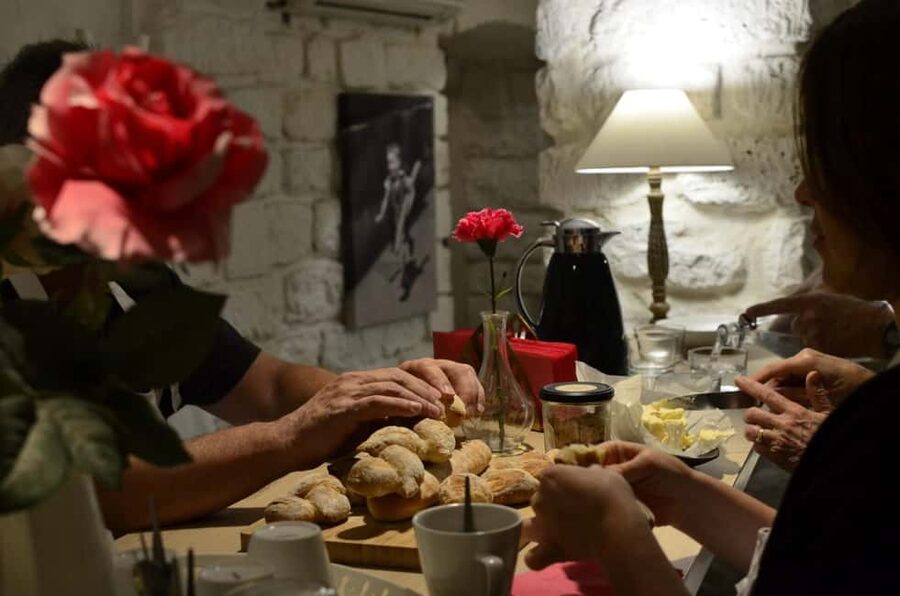
In one example of the class flow, people ate together with butter, cheese, and wine, which feels very Paris for the time it gives you. It turns learning into a meal.
Small Group Size, Pair Work, and How That Changes Your Experience
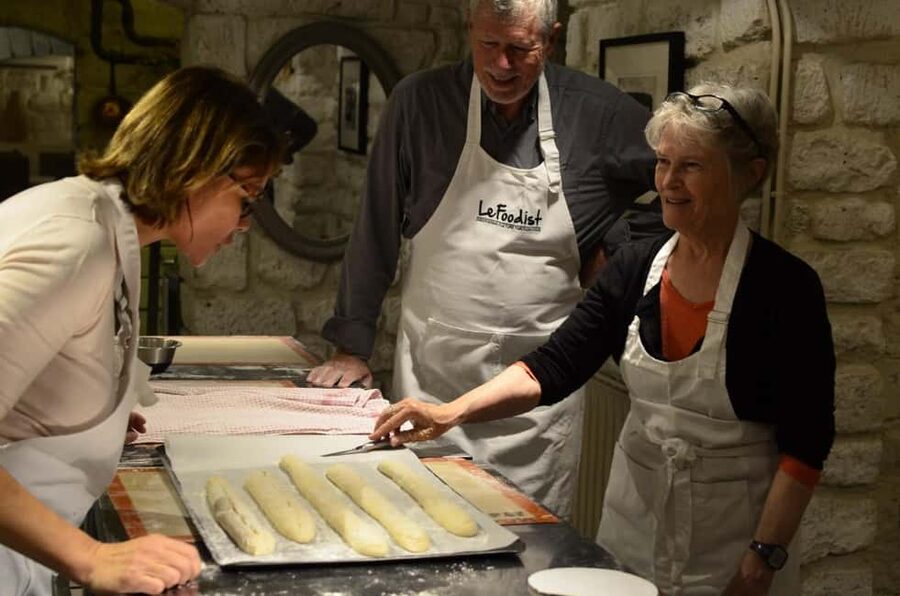
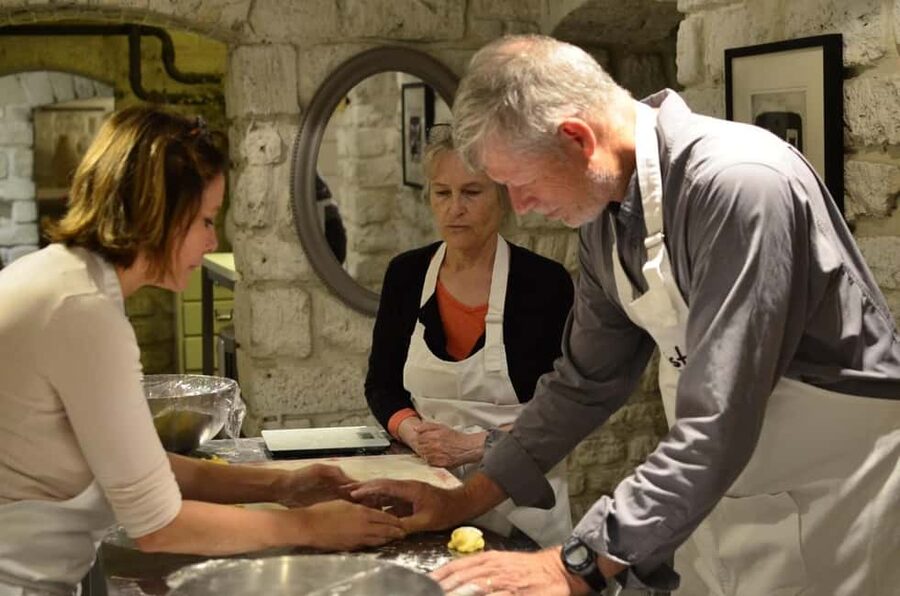
The group is limited to 8 participants, and the instructor is English. That size helps because you are not lost in a crowd. You can ask questions without shouting, and the instructor can correct technique while you are working.
In practice, the class often runs with pair work. That can be ideal if you like learning with someone else and sharing the tasks. You move faster, and you can compare notes with your partner in real time.
Now, the fair caveat. If you prefer to be fully in control of every stage, you might wish you had more time doing every single movement, like seeing dough mixing closely or seeing ingredient weights more clearly. In other words, pair work is efficient, but it can feel less like a full private coaching session.
My advice: treat it like a hands-on class, but ask for the why. If you learn the reasoning behind the steps, you can still reproduce the process later even if you did not personally run every motion during baking.
Price and Value: Is $175 for a 4-Hour Bread Class Worth It
$175 per person is not cheap. But you are paying for a short, guided, results-focused skill session, not a casual tasting.
Here is what you get for that price, based on what the class includes and how it runs:
- A 4-hour cooking class with an English instructor
- A small group setting limited to 8 people
- Hands-on bread making from basic ingredients
- Multiple breads you create, plus tasting during the session
- A bag full of breads to take home
That last piece matters more than it sounds. When you leave with bread you baked, the class becomes a tangible outcome, not just a one-time experience. Also, bread making requires ingredients, equipment access, and time. Those costs add up in a real cooking class setting.
If you already love baking and you want to improve technique, this is a strong value because it targets the exact steps that usually fail at home. If you are new to bread entirely, you can still enjoy it, but lean into questions, and expect a learning curve.
If your goal is only to eat French bread, you can do that for much less elsewhere. But if your goal is to learn how baguettes and enriched breads behave, $175 starts to make sense.
Who Should Book This Bread Class (And Who Might Skip It)
You should book if you:
- Want a hands-on food experience in Paris that teaches actual technique
- Like learning by making, measuring, shaping, and tasting
- Want a small-group class rather than a big tour-style session
- Plan to bring the results home, share with friends, or do a picnic later
You might skip or choose something else if:
- You want a fully private coaching feel, with you doing every motion
- You are very sensitive to waiting while a partner or group step happens
- You mainly want restaurant-style dining and not a skills workshop
This class is a great fit for couples, solo travelers who like collaborative work, and anyone who enjoys bread enough to want to understand why it works.
Should You Book This Baguette and French Breads Class in Paris?
My take: yes, if you want a meaningful bread skill in a city where bread is culture. The structure is clear, the group is small, and you leave with your own breads to taste and share. That combination is rare in short classes.
If you can handle pair work and a shared pace, you will likely get a lot out of it. The emphasis on real bread steps, including shaping tension for baguettes and the signing step before baking, gives you more than just one finished loaf. You get a framework you can use next time.
If you are the type who learns best by watching every step closely, go in with a plan. Ask about dough feel, ask about the signs to look for during proofing, and ask how humidity and timing affect what you see in the oven.
Overall, this is the kind of class that turns Paris bread from a thing you buy into a thing you can make.
FAQ
What is the duration of the Paris Baguette and French Breads Class?
The class lasts 4 hours.
How many people are in the group?
It is a small group limited to 8 participants.
Is the instructor English-speaking?
Yes, the instructor teaches in English.
What is included in the price?
The included item is the cooking class.
What will I make during the class?
You will bake baguettes and other French breads, and you will also taste breads during the session.
Will I take the bread home?
Yes, you will leave with a bag full of your creations to share or enjoy later.
What is the price per person?
The price is $175 per person.
Recently added around Paris
- Paris: Louvre Museum Timed Entry Ticket & Pop Culture Tour★ 4.6 · 26 reviews
- Paris: Louvre Must-See Tour with Reserved Entry Ticket★ 4.9 · 164 reviews
- Paris: Louvre photoshoot or Seine bridges Eiffel Tower walk★ 5.0 · 49 reviews
- Louvre & Mona Lisa Morning Tour with Reserved Access★ 4.0 · 15 reviews
- Paris: Louvre Museum Skip-the-Line Tickets for Monalisa★ 3.0 · 42 reviews
- Paris: Louvre Museum and Orsay Museum Guided Tour★ 5.0 · 6 reviews
- Paris: Louvre Museum Mona Lisa First Viewing Semi-Private★ 4.2 · 21 reviews
- Paris: Louvre Museum Ticket with Optional Hosted★ 3.1 · 89 reviews
Workshops, compared.

Paris Cooking Class and Lunch with Wine plus Market Visit Option
Read our review →
Paris Croissant Small-Group Baking Class with a Chef
Read our review →


Paris Cooking Class: Learn How to Make Macarons
Read our review →
Browse the lists this tour appears in