
Reviewed · COOKING CLASSES
Paris: 2.5-Hour French Pastry Cooking Class
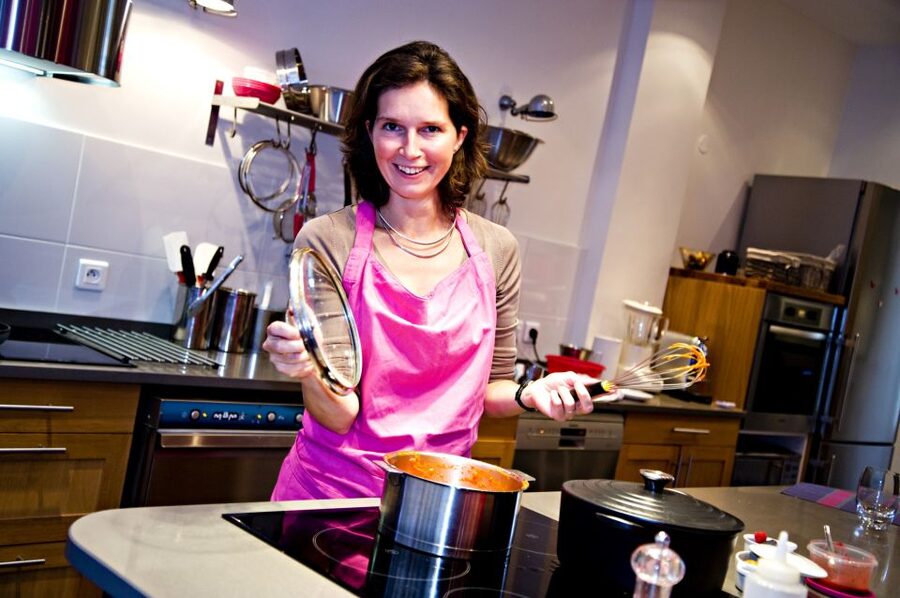
This experience is interesting because you get Paris pastry technique in a real working loft kitchen, not a demo room. I like that the class is led by Chef Noémie, trained at the Lenôtre Culinary Institute, and that you get step-by-step coaching while you actually bake. My only caution: because it is a small group of up to 8, participation can be a shared rhythm, so you may not be doing every single task at the same moment.
You’ll spend 150 minutes learning how classic French desserts are built, then you’ll sit down right after class with tea or coffee and talk shop. The payoff is practical, not just pretty. You’ll leave with techniques you can use again, even if your kitchen is smaller than a Paris loft.
Key points worth your attention
- Chef Noémie’s Lenôtre training means you learn the why behind the steps, not only the what.
- Small group (max 8) keeps the pace manageable and makes questions feel normal.
- Hands-on guidance focuses on core skills like mixing, piping, and baking timing.
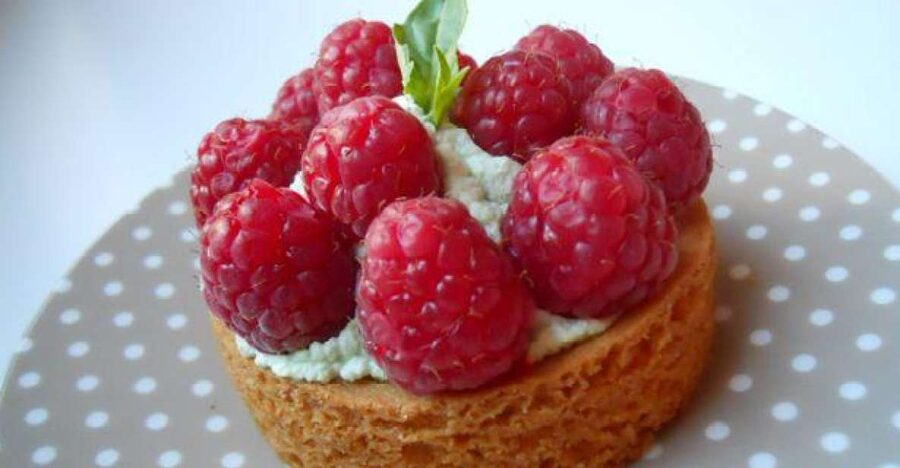
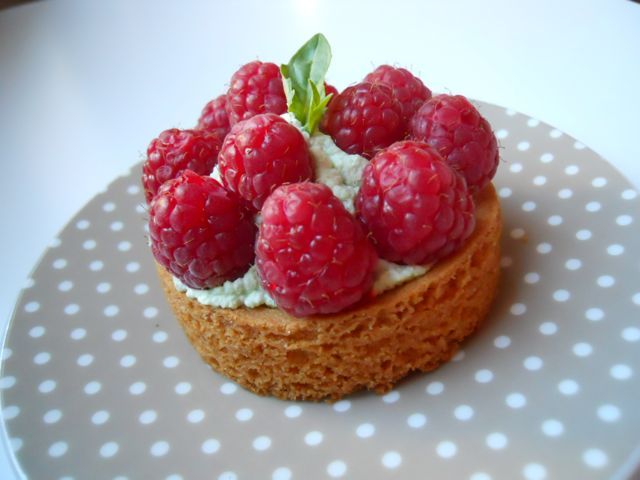
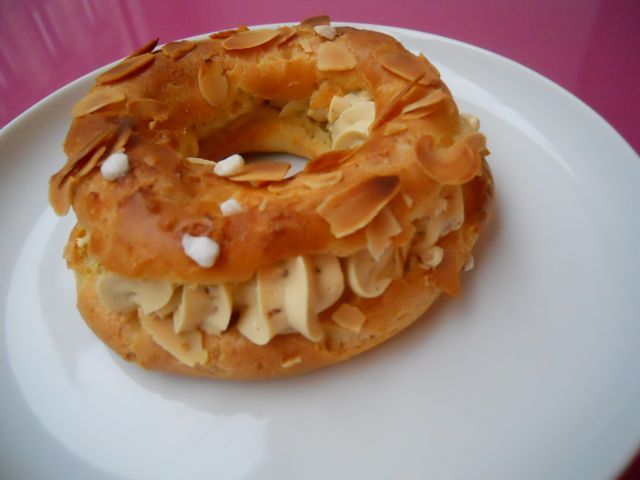
- Seasonal dessert selection can include Paris-Brest, molten chocolate cake, and Grand Marnier soufflés.
- Tea or coffee tasting lets you judge your own results in a relaxed setting.
Chef Noémie and the Lenôtre touch: learning pastry craft in plain language
French pastry can look intimidating from afar. Up close, the process is a series of controlled steps, and that is exactly what Chef Noémie seems to focus on: practical direction, clear reasoning, and lots of patience. She is a graduate of the Lenôtre Culinary Institute, and the effect is that the techniques feel like real craft work, not a vague tradition that lives only in cookbooks.
I like how the class blends skills with context. You do not just pipe and hope. You learn what you are aiming for, like the texture and structure that should happen while baking. That matters because the same dessert can fail for different reasons, and pastry timing often comes down to small details.
One small thing to consider: the instruction is in English, but pastry itself is hands-on. If you are brand new, you should expect to learn by doing, then practicing after. That is still the fastest way to improve, and it is also why this class is a great use of a short Paris trip.
More cooking classes in Paris:
- Paris Cooking Class and Lunch with Wine plus Market Visit Option
★ 5.0 · 1,024 reviews - Paris Cooking Class: Learn How to Make Macarons
★ 5.0 · 634 reviews - Paris: French Macaron Culinary Class with a Chef
★ 4.9 · 591 reviews
Getting to 92 rue Nollet: the easiest way to arrive near Line 13
The meeting point is 92 rue Nollet, 75017 Paris, in the 17th arrondissement. This is a solid area for transit, and the class location is reachable without fancy transfers.
From the Metro, you can use Line 13 and get off at either Brochant or La Fourche. If you prefer buses, routes include 66, 54, and 74 with the Legendre stop, plus 31 with the Parc Martin Luther King stop. There is also the Navette Péreire Pont Cardinet with a Pont Cardinet stop if that fits your day.
Arrive a few minutes early. In a loft atelier, you want a calm start, time to settle in, and a quick look at what you will make. Also, plan your clothes like you would for any kitchen job. You will be working with batter and tools, and you’ll appreciate mobility more than style.
The 150 minutes: how a French pastry class usually runs (and what you do during it)
The class runs 150 minutes, and the structure is meant to keep you moving while still giving you time to learn. You get guided, step-by-step instruction for the desserts you make, and the pace is designed around a small group size.
You can expect to rotate through tasks like measuring, mixing, and using piping tools. That is how the class stays fair and how everyone gets skill time. One review experience that matches this approach: even when the group is small, the chef uses a turn-taking flow so each person touches the process, instead of watching the whole time.
Here’s the practical value: you learn technique through repeated actions. You handle the batter, you see the consistency the chef is aiming for, and you get corrections while it still matters. That is how you avoid the classic beginner problem, overmixing, underbaking, or rushing the step that needs a pause.
Also watch for the way the chef explains timing and texture targets. Pastry rewards attention. If you treat it like “just follow steps,” it will be fine. If you treat it like “notice what changes,” you’ll remember the method for the next attempt at home.
What you might bake: Paris-Brest, molten chocolate cake, and Grand Marnier soufflés
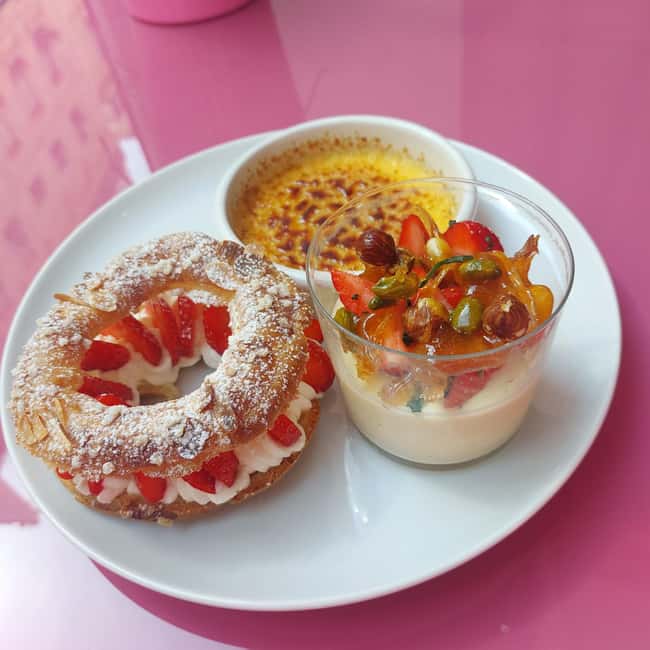
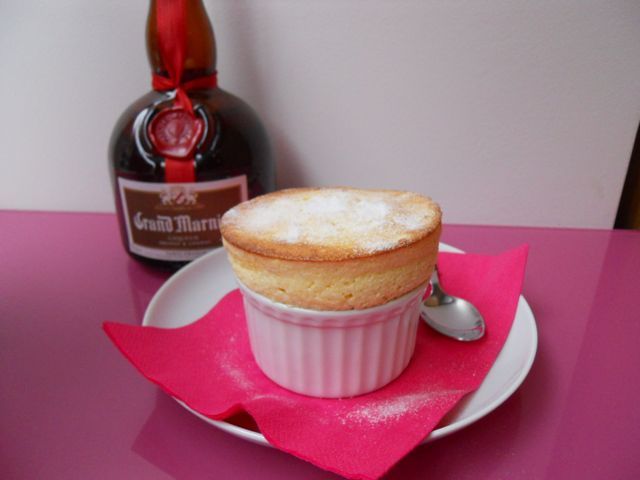
The menu changes with the season, but the class is built around 2 or 3 famous French desserts. Examples include Paris-Brest, molten chocolate cake, and Grand Marnier soufflés. That lineup is a smart mix because it covers different pastry styles: nutty choux-based construction, chocolate timing, and airy egg-based technique.
Paris-Brest is especially useful if you want a foundation skill. Choux pastry appears in many French desserts, and learning it gives you a tool set for future baking. You’ll practice the logic of dough consistency and the act of forming the pastry for baking, which is the part beginners often struggle with.
Molten chocolate cake is the opposite of choux. It is about controlled heat and timing so the center ends up soft. Even if you only make it once, the chef’s guidance on doneness teaches you how to judge the difference between fully baked and perfectly molten.
Grand Marnier soufflés bring another skill category: careful mixing and bake-time nerves. Soufflés look delicate, but they are a method problem. Once you understand what the batter needs and how the bake should progress, it stops being magic and becomes technique.
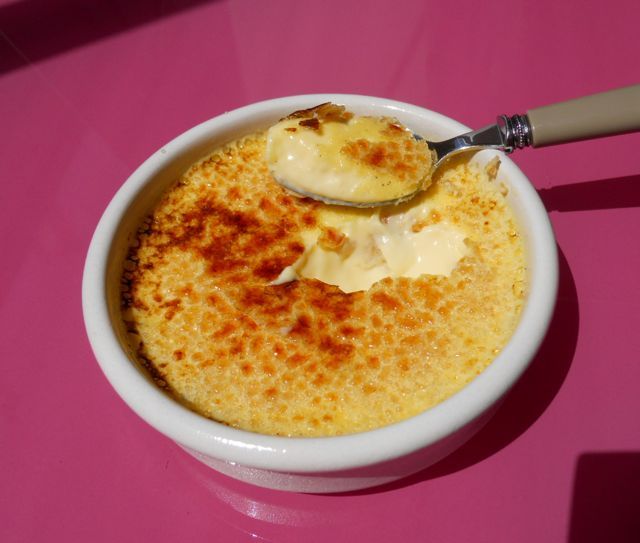
One more helpful note from the experiences shared: some sessions include desserts like crème brûlée. That is great if you want something you can easily recognize, with a clear “target result” you can check at the end.
More hands-on workshops in Paris:
- Fragonard Paris: Mini Perfume Workshop
★ 4.5 · 1,924 reviews - Paris Croissant Small-Group Baking Class with a Chef
★ 5.0 · 910 reviews - Paris: Macaron Class at Galeries Lafayette
★ 4.3 · 905 reviews - Paris: 2-Hour Perfume Creation Workshop
★ 4.8 · 731 reviews
How hands-on you really get with a group of 8
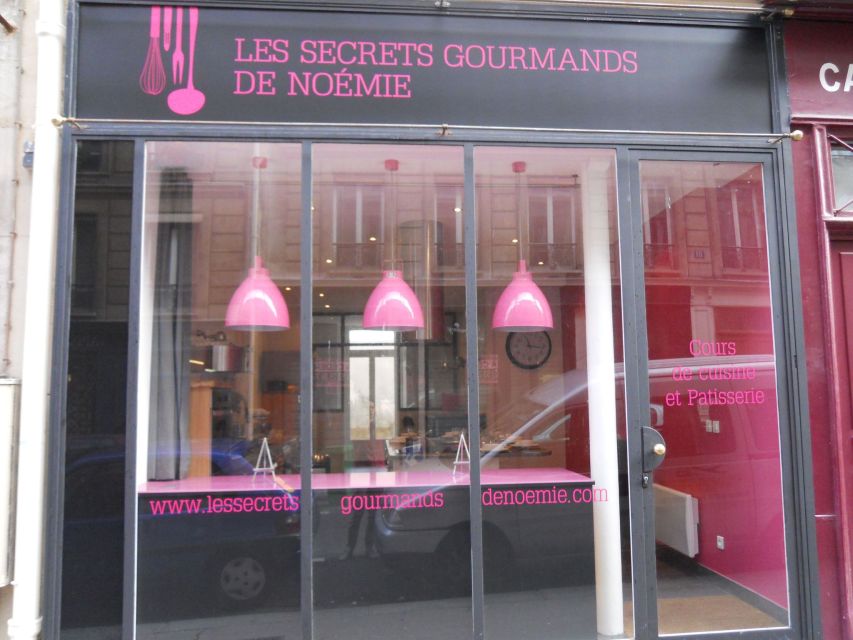
This class is small, with a limit of 8 participants, and that size is intentional. You are not packed into a big room where you watch from the back. Instead, you have enough space to work, plus enough people that the workflow can rotate.
Do not assume it means every second is solo hands-on for every person. One experience described the setup as not completely hands-on in every moment, which is realistic for a pastry class with multiple steps, shared tools, and ovens. What you should expect is meaningful participation. You should measure, mix, pipe, and help shape the results at least some of the time.
The upside of the small group is the coaching quality. When you hit a sticking point, the chef can correct it right away. That is hard to get in larger classes where the instructor is split between multiple stations.
If you want a class that also feels social, this group setup is friendly. There is room to laugh when something looks off, then learn how to fix it. That makes it a good choice even if you are not “a baking person.”
The loft tasting with tea or coffee: practice judging your own results
After baking, you sit down to taste what you made with tea or coffee. This is not just a snack break. It is where the learning locks in.
You can compare texture, sweetness, and structure across the desserts. You also get an excuse to ask questions when the food is fresh. The chef chats with you here, and it is a good moment to clarify what worked, what might need adjustment at home, and why one batch bakes differently than another.
This tasting also helps you understand the real goal of French pastry: balance and repeatability. You learn how a correct result should feel when you bite into it, not just how it should look on a plate.
Also, if you are the type who likes to leave a class with something to enjoy right away, this is a big win. You get immediate gratification with professional instruction behind it.
What’s included, and why the “extras” matter
You get a few thoughtful extras that make the class more useful later. An apron is included, which means less worry about kitchen clothes. You also get an English-language copy of the recipes, which is important if you want to recreate the desserts at home without translating from scratch.
The tea or coffee after class is included too, and that turns the experience into a full 150-minute visit, not a quick sprint. Since the class focuses on technique, having the recipe set afterward helps you practice the next version with more confidence.
The big value is what you take home mentally. After a hands-on session, you typically remember the steps better because you felt them. That is how you go from “I can follow a recipe” to “I understand what the dough should do.”
Price and value: what $141 buys in central Paris
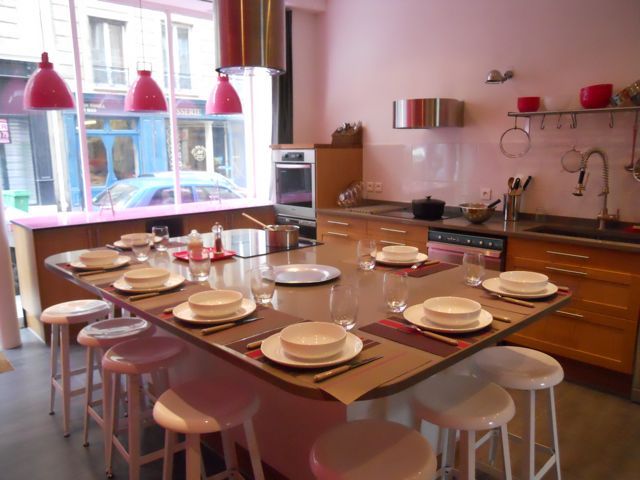
At $141 per person for 150 minutes, this is not a bargain class. But it is also not priced like a huge event where you only watch and move on. For this price, you get small-group instruction capped at 8, English recipes, an apron, and a sit-down tea or coffee tasting.
In central Paris, that kind of format is what drives cost: a trained pastry chef, a private loft-style setup, and real materials and oven time. The most “value” part is the coaching. If you want one reliable way to learn technique quickly, a guided class often beats trial-and-error baking at home because you fix mistakes while they are happening.
If you are traveling with a tight schedule, this is a concentrated skill session. You spend only a few hours, yet you leave with techniques you can use again. That is why the price starts to feel more reasonable once you think about what you are actually buying: kitchen time plus expert feedback.
Who should book this French pastry class, and who should skip it
This class is a strong fit if you want a hands-on souvenir that you can eat and reproduce. It works for adults and families, and you can tell it is taught with different ages in mind based on the way instruction is described. If you bring kids, a chef who is patient and step-by-step oriented is exactly what you want.
It is also a good fit if you like classic French flavors and want to understand the technique behind them. Choux-based desserts, chocolate timing, and egg-based soufflés cover three different pastry “muscle groups,” so you end up learning more than one narrow trick.
Skip it if you only want a sightseeing style activity. This is about technique and baking work. You will spend most of your time actively participating, not roaming around for views.
And consider your comfort level with small-space kitchens. A loft atelier is typically compact, even if it feels charming. If you hate close quarters or you get anxious with heat and tools, you might feel more comfortable with a lighter format.
Should I book Chef Noémie’s pastry class?
Yes, if you want a high-quality, small-group Paris food experience with a real chef teacher and recipes in English. It is a solid choice if you care about technique, not just tasting something sweet.
Book it if you like dessert styles such as Paris-Brest, molten chocolate cake, or Grand Marnier soufflés, and you want to learn how those results happen. The price makes more sense when you treat it as skill-building plus a full tasting, not as a quick activity.
Think twice if you expect fully nonstop hands-on for every minute. With a group limit of 8 and a step-driven workflow, participation is shared. You will still learn a lot, but you may sometimes watch briefly or rotate tasks.
FAQ
Is the class in English?
Yes. The class includes an English-language live guide and you also receive an English copy of the recipes.
How long is the pastry class?
The class lasts 150 minutes.
How big is the group?
The group is small, limited to 8 participants.
Where is the meeting point in Paris?
The meeting point is at 92 rue Nollet, 75017 Paris, France.
What dessert will I make?
You will make 2 or 3 French desserts, chosen to fit the season. Examples include Paris-Brest, molten chocolate cake, and Grand Marnier soufflés.
Is tea or coffee included?
Yes. Tea and coffee are included, and you’ll have them after the class while tasting what you made.
Is an apron provided?
Yes, an apron is included.
What restrictions are there at the class?
Pets are not allowed, and smoking is not allowed.
Can I get a refund if my plans change?
There is free cancellation up to 24 hours in advance for a full refund.
Recently added around Paris
- Paris: Louvre Masterpieces Private Tour with Reserved Entry★ 4.3 · 144 reviews
- Paris: Living Cheese Museum Guided Tour with Cheese Tasting★ 4.8 · 182 reviews
- Paris Louvre Exclusive Semi Private Guided Tour Max 6 People★ 4.6 · 28 reviews
- Paris: Louvre Guided Tour with Skip-the-Line Entry Tickets★ 3.5 · 73 reviews
- Paris Le Marais Walking Tour: Small Group Experience★ 5.0 · 7 reviews
- Paris: Lemon Tart Baking Class with a Pastry Chef★ 5.0 · 4 reviews
- Paris: Live Guided Cruise with Crepe and Soft Drink★ 3.9 · 14 reviews
- Paris Le Marais Food Tour: Full Traditional French Feast★ 4.8 · 119 reviews
Cooking Classes, compared.
Paris Cooking Class and Lunch with Wine plus Market Visit Option
Read our review →
Paris Cooking Class: Learn How to Make Macarons
Read our review →
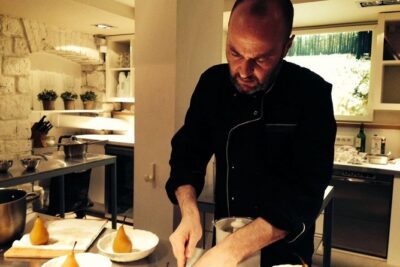
Paris Evening Cooking Class French Dinner and Market Visit Option
Read our review →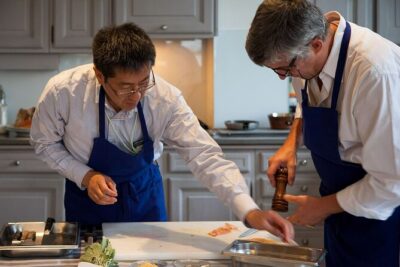
Paris French Cuisine Small Group Cooking Class with Lunch
Read our review →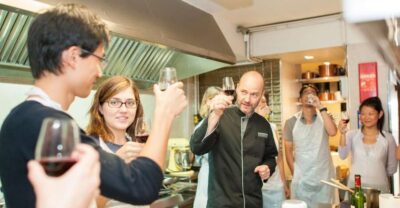
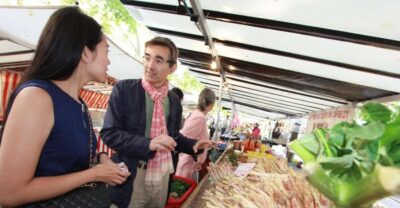
Market Visit and Cooking Class with a Parisian Chef
Read our review →Browse the lists this tour appears in