
Reviewed · MONTMARTRE TOURS
Montmartre Walking Tour in English
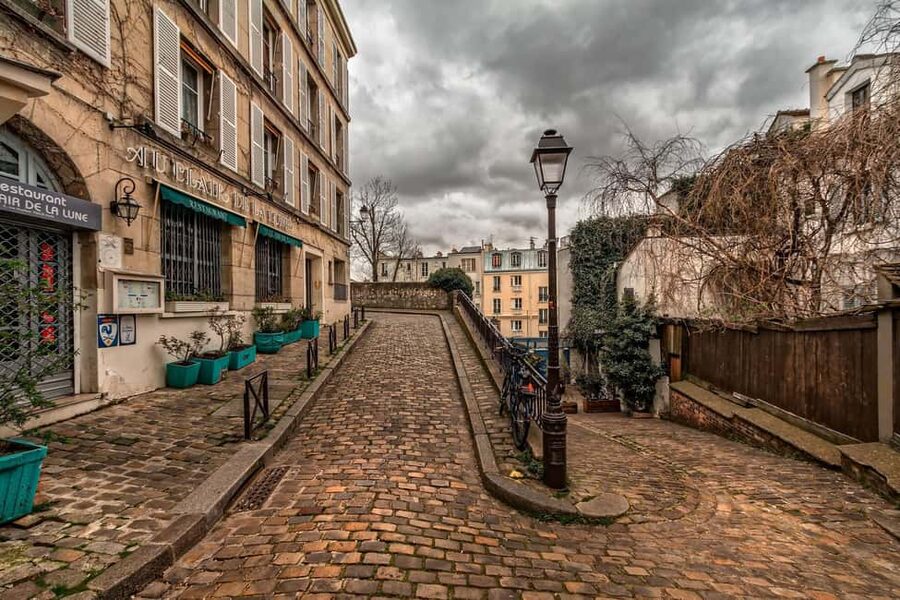
Montmartre is interesting because it feels like two places at once: a hill with very old legends, and a neighborhood that turned into an artist magnet the moment cheap wine and low rents made it easy to stay awhile. You get a clear, story-led walk that connects the history to what you can actually see on the streets.
I especially like the way the tour treats Montmartre’s “famous names” as people you can picture in real settings, not just names on a map. Two highlights that really pull me in are Café Deux Moulins (the one tied to Amélie) and the art stop energy around Van Gogh’s house.
One consideration: the experience is narrative-heavy, so if you prefer a faster pace with less speaking, you may want to mentally prep for more explanation than a short “point and shoot” tour.
Key Points You Will Notice on This Walk
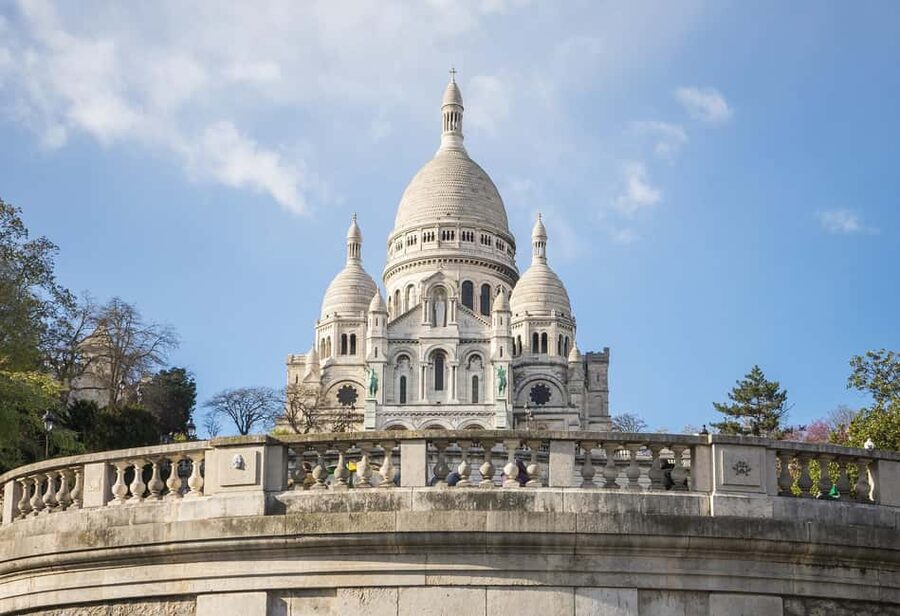
- A legend-first intro to Mons Martyrum, with the Saint Denis story setting the tone
- Café Deux Moulins stop tied to Amélie, paired with real neighborhood café vibes
- Van Gogh and the Montmartre art loop, where painters and their streets connect
- Studios tied to Picasso and Modigliani, framed as part of how the scene formed
- Vineyard slopes and an oldest cabaret stop, linking food, wine, and nightlife history
- Moulin Rouge area finish, with classic cabaret atmosphere and photo-friendly angles
First Steps at Metro Blanche and the Yellow Umbrella
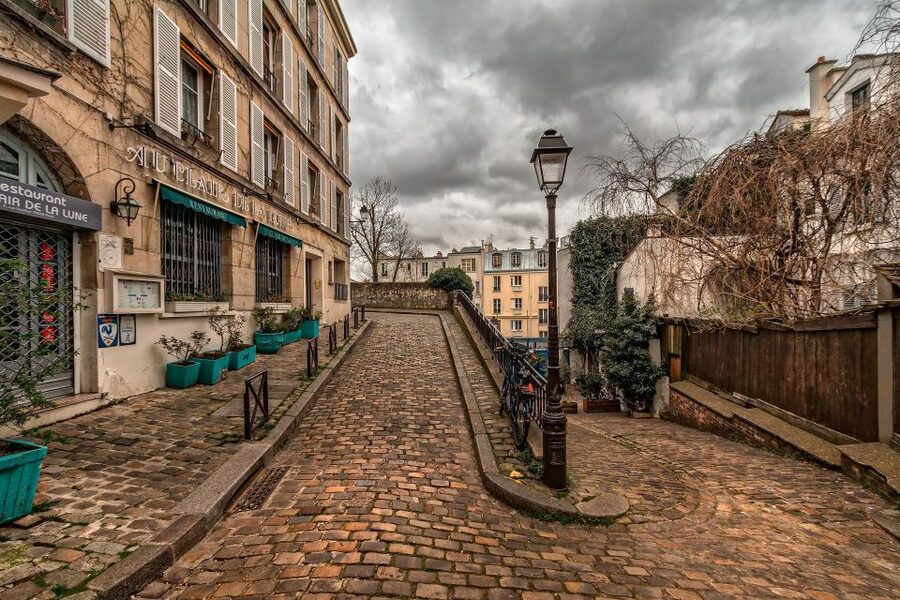
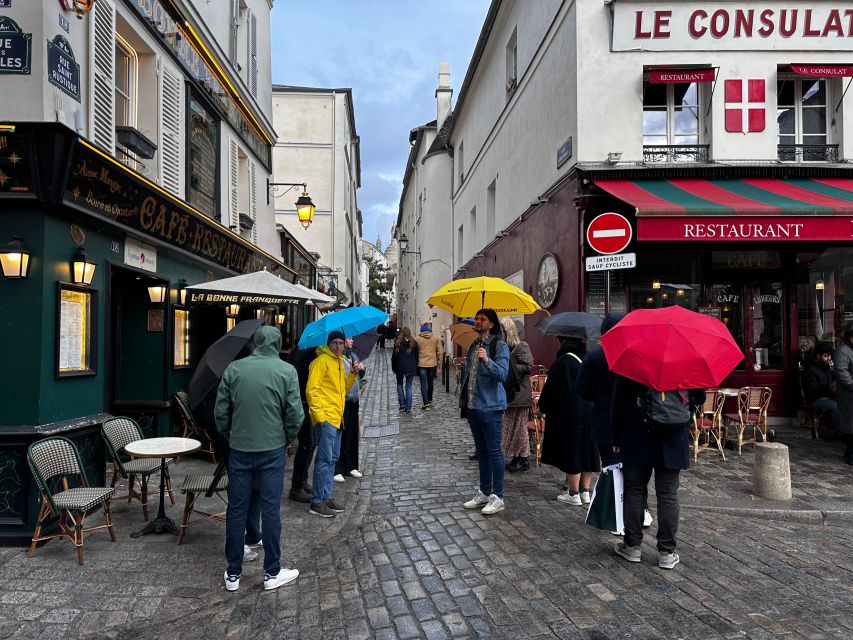
Meet in front of Metro Blanche at the only exit, then look for the yellow umbrella. That simple detail matters, because Montmartre is all curves, stairs, and side streets, so you want to start your walk with zero stress.
This is an English-language, guided experience with a thoroughly constructed narrative. That means you are not just checking off locations. You are getting the why behind them, which is great if you like places that come with context, not just captions.
If you hate waiting, arrive a few minutes early. In Montmartre, even a short delay can turn into a detour because everything looks “nearby” while quietly being steeper than it first appears.
More Montmartre walking tours:
- Montmartre Hidden Gems and Scenic Highlights Walking Tour
★ 5.0 · 2,684 reviews - Montmartre Hill French Gourmet Food and Wine Tasting Walking Tour
★ 5.0 · 2,588 reviews - Paris: Montmartre Cheese, Wine & Pastry Guided Walking Tour
★ 4.8 · 2,255 reviews
150 Minutes in the Real Montmartre: Mons Martyrum to Artist Hill
The tour gets you oriented fast with Montmartre’s meaning. The neighborhood name comes from Latin Mons Martyrum, literally Hill of Martyrs. Then you get the legend of Saint Denis, who was beheaded by the Romans for refusing to renounce his faith, picked up his severed head, and carried it down the hill until he finally dropped dead.
It is a creepy story, yes. But the reason it works on a walking tour is practical: it helps you understand why a place can feel haunted, symbolic, and set apart from the rest of Paris long before artists ever arrived.
Then the mood shifts. Before Montmartre became famous for cafés and cabarets, it was described as a sleepy village on a hill surrounded by vineyards, gardens, and orchards. The tour’s history of the working landscape is one of the smartest parts of the experience. You learn that as many as 13 mills once worked on the slopes to grind wheat, barley, and rye, and only two survived to become today’s neighborhood symbols.
That matters because it gives you an anchor. When you walk past scenic corners that look like pure movie sets, you can also see them as former working slopes, not just postcard scenery.
Café Deux Moulins and the Amélie Link That Still Feels Local
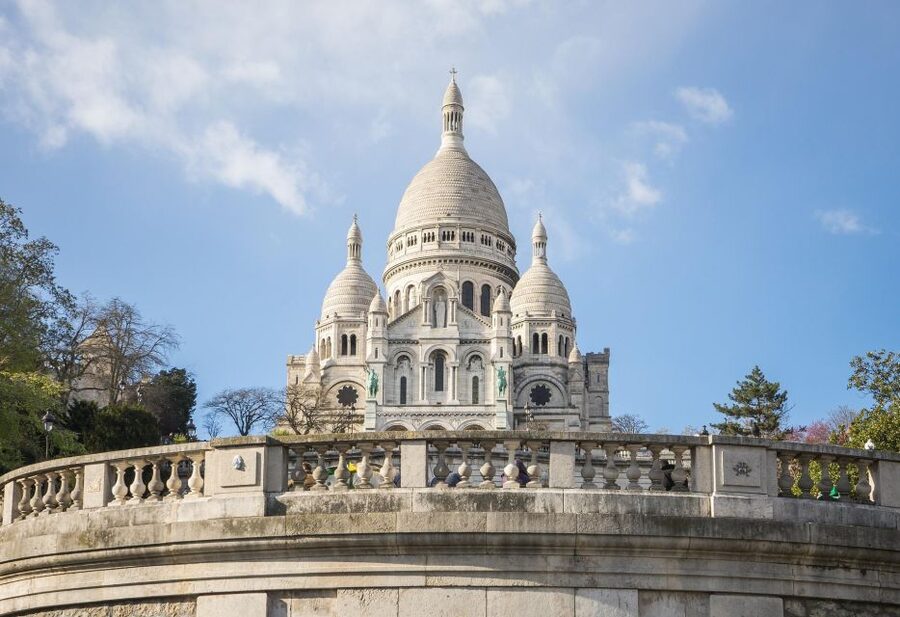
One of the most recognizable stops is Café Deux Moulins, known from the film Amélie. This is where Montmartre tourism can easily turn into a theme-park moment, but a good guide keeps it grounded.
What you will enjoy here is the contrast. The café is famous because of film culture, but the neighborhood is famous for day-to-day street life: small talk, people-watching, and the simple fact that every corner seems to offer a place to pause.
You do not need to be obsessed with the movie to get value. The stop is really a doorway into the broader Montmartre story: why cafés multiplied, why the atmosphere felt relaxed, and why people stayed longer than they planned.
If you do want to buy a drink or snack, plan it as a bonus rather than a requirement. The tour’s main payoff is the storytelling and the sights, so you can still enjoy the stop even if you just take in the vibe.
Van Gogh’s House: Seeing Montmartre Through One Artist’s Attention
Van Gogh’s house is a major art-world anchor for this walk. And the way this kind of stop helps you is simple: it turns “Montmartre the artist neighborhood” into “Montmartre the specific lived place.”
The tour frames Montmartre as a magnet, especially in the 19th century. Drinking establishments were plentiful, rents were lower, and the overall tone was friendly and unforced. That combination is exactly what draws artists from different places.
So at Van Gogh’s house, you are not only thinking about a painter. You are thinking about the practical conditions that let artists cluster. It is easier to feel why the area “took off” when you connect it back to real neighborhood economics and daily life.
There is also a pacing benefit. A tour like this can either feel like a slideshow or feel like a walk with breath between stops. Van Gogh’s house is one of those points where you can slow down, look around, and let the story do its job.
More walking tours in Paris:
- Paris Top Sights Half Day Walking Tour with a Fun Guide
★ 5.0 · 2,893 reviews - Paris Île de la Cité and Notre-Dame Walking Tour With Crypt
★ 5.0 · 2,272 reviews - Paris in a Day: Louvre or Orsay, Eiffel Tower, City Walk & Cruise
★ 5.0 · 1,956 reviews - Paris: Montmartre Highlights Walking Tour with a Local Guide
★ 4.9 · 1,668 reviews
Picasso and Modigliani Studios: How Style Grew in Real Rooms
Another strong set of stops focuses on studios tied to Picasso and Modigliani. Even without turning every corner into a museum lecture, these studio references help you picture the creative workflow: people testing ideas, trading influence, and building reputations slowly.
Montmartre’s artistic boom is explained as more than “genius gathered here.” The tour’s narrative highlights the social setup that allowed it to happen. Cheap wine and low rents made staying easier. The atmosphere was relaxed, and the area was full of places where artists could meet, perform, and spend time.
This is also where you may feel the tour’s “constructed narrative” style most. A good guide connects the famous names to the neighborhood’s lived rhythm, instead of treating them as random stops.
If you love modern art and want to understand how the scene could form in a small area, this section is the kind of coverage that gives you real perspective. You are not memorizing facts for a test, you are learning how a creative district becomes one.
Vineyard Slopes and the Oldest Cabaret in Paris
Montmartre was once vineyard country. The tour uses that detail to remind you that the neighborhood’s identity did not start with nightlife. It started with agriculture, with orchards and garden land, and with the practical work of a hill community.
Then you move from vines to the nightlife layer. The tour includes a vineyard/oldest cabaret in Paris stop, which helps you understand how a place can shift identities without fully losing its earlier character.
Cabarets in Montmartre are not just about costumes. They are part of the social engine that kept people coming back. The tour’s framing makes it clear that cheap wine, performance spaces, and a tolerant culture made Montmartre a repeat destination for outsiders and local regulars.
One useful way to enjoy this part: when you look at the slopes and street layout, try to picture the earlier village life too. That’s when the neighborhood feels like more than a list of landmarks.
Moulin Rouge: Cabaret Energy and a Classic Paris Ending
You finish with Moulin Rouge, one of the most famous cabaret names in the world. For many visitors, this is the spot that feels like the “Paris you imagined,” and that is not wrong. But the tour’s value is that it gives you a reason those images stuck.
Montmartre’s nightlife history is tied to the broader cultural shift at the turn of the 19th and 20th century. Once the neighborhood became known for drinking, cheap wine, and relaxed social life, it pulled in artists and performers from everywhere. Moulin Rouge sits at that end of the story.
Practically, this is also a good final stop because it is the right kind of “big sight” for ending a walk. You get the atmosphere, the visual recognition, and the feeling of arriving at a symbol.
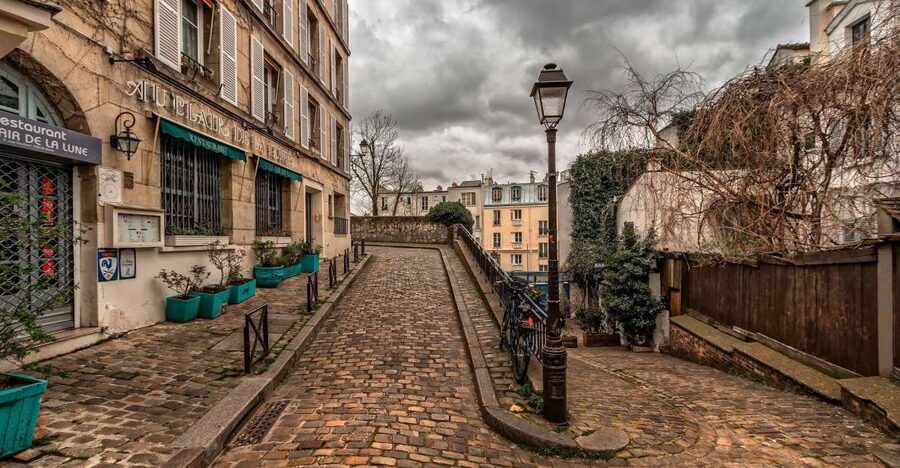
If you plan photos, give yourself a few minutes for street-level angles. The district’s steep, crooked streets can make “straight-on” pictures tricky, so a little wandering for better views is worth it here.
Price and Value: The Pay-What-You-Wish Structure
The posted price is $31 per person, and the tour is described as pay what you wish. In other words, the amount you pay now is an online booking fee, and the amount you give your guide as your final payment is up to you.
That can be a little confusing at first, but it can also be good value. If you love story-led guiding and you feel you got real value from the guide’s explanation, you can reflect that in your final amount. If you are on a tight budget, you are still allowed to book without guessing your exact tip upfront.
Think of it like this: the “price” you see gets you access to a guided experience, and the pay-what-you-wish part lets you reward effort and communication. This tour’s narrative approach suggests you should judge it on how well the guide connects history to streets and details you can see.
A fair rule of thumb for these formats: if you walked away understanding why Montmartre became an artist hotspot, and not just what famous people are associated with it, you already got your money’s worth.
What the Guide Style Feels Like in Real Life
The guide experience is one of the most praised elements. I like that the tour is built around a guide who can mix information with humor, not just recite dates. Some guides in this format are known for passion and humor, and that shows in the way the legend of Saint Denis connects to why a hill village later became an artist district.
You also get an English explanation that is described as very informed. One guide named Eva was highlighted for passionate, humorous delivery, and another guide named Raj was noted for having lots of good information. Those details matter because they suggest the tour avoids the empty “surface level” vibe.
The one drawback to watch for is pacing. If you prefer a quick-moving walk with minimal talking, you might find the narration slower than you want. One note like this is not a dealbreaker, but it is smart to know before you go.
My advice: treat this tour as a story walk, not a museum run. If that fits your travel style, you will likely be happy with the balance.
Who Should Book This Montmartre Tour (and Who Might Skip It)
Book this if you want Montmartre with context. You like when a guide connects legends, everyday neighborhood life, and famous art names into a single storyline.
It is also a good choice if you care about both sides of Montmartre: the quiet hill history and the later cabaret and café culture. This tour specifically includes the working landscape idea with the mills, plus the vineyards, plus the cabaret and Moulin Rouge layer.
You might skip it if you mainly want quick landmark photos and you dislike speech-heavy tours. The tour duration is 150 minutes, and the narrative focus means you will spend that time listening as much as walking.
It also suits people who are comfortable walking on hilly streets. Montmartre is described as steep and winding, and you should plan for that reality.
Quick Practical Tips So the Walk Feels Easy
This tour runs rain or shine, and if conditions get bad, the guide finds cover. So you do not have to cancel just because the sky looks moody, which is a relief in Paris.
You should still dress for comfort. Montmartre is steep, and your legs will notice. Wear shoes you can rely on for cobblestones and inclines.
Bring a small layer too. Even if it is sunny, hill weather shifts fast, and the tour includes outdoor time. If it turns cold, the guide’s plan is to find cover, but you still want to be comfortable while you wait and listen.
Finally, plan to arrive on time for the meeting point. Looking for the yellow umbrella is easy when you start early, and stressful when you start late.
Should You Book This Montmartre Walking Tour?
I think this is a solid booking if you want Montmartre to make sense. The tour’s biggest strength is that it ties together the neighborhood’s legend, its working hill past, and its rise as an art and cabaret center, all while hitting famous reference points like Café Deux Moulins, Van Gogh’s house, studio stops linked to Picasso and Modigliani, a vineyard or oldest cabaret stop, and Moulin Rouge.
If you love a good guide voice and you enjoy walking while learning, you will probably leave feeling like you understand Montmartre, not just like you walked through it. If your travel style is short, fast, photo-first, this may feel a bit talk-heavy for your taste.
If you tell me your travel vibe, I can help you decide between a narrative tour like this and a more self-guided Montmartre plan.
FAQ
How long is the Montmartre Walking Tour?
The tour lasts 150 minutes.
Is the tour guided in English?
Yes, the tour is conducted with a live guide in English.
Where do I meet the guide?
Meet in front of the Metro Blanche, at the only exit, and look for the yellow umbrella.
Is hotel pickup or drop-off included?
No, hotel pickup and drop-off are not included.
What major places are included in the tour?
The tour includes stops such as Café Deux Moulins, Van Gogh’s house, Studios Picasso/Modigliani, a vineyard/oldest cabaret stop, and Moulin Rouge.
Is the payment fixed, or is it pay what you wish?
This tour is described as a pay what you wish tour. What you pay now is only an online booking fee, and the guide payment is up to you.
What is the weather plan if it rains?
The tour happens rain or shine. If it rains or gets cold, the guide finds cover.
Is free cancellation available?
Yes, you can cancel up to 24 hours in advance for a full refund.
Can I reserve now and pay later?
Yes. You can reserve now & pay later, keeping your travel plans flexible.
Recently added around Paris
- Paris: Louvre Masterpieces Private Tour with Reserved Entry★ 4.3 · 144 reviews
- Paris: Living Cheese Museum Guided Tour with Cheese Tasting★ 4.8 · 182 reviews
- Paris Louvre Exclusive Semi Private Guided Tour Max 6 People★ 4.6 · 28 reviews
- Paris: Louvre Guided Tour with Skip-the-Line Entry Tickets★ 3.5 · 73 reviews
- Paris Le Marais Walking Tour: Small Group Experience★ 5.0 · 7 reviews
- Paris: Lemon Tart Baking Class with a Pastry Chef★ 5.0 · 4 reviews
- Paris: Live Guided Cruise with Crepe and Soft Drink★ 3.9 · 14 reviews
- Paris Le Marais Food Tour: Full Traditional French Feast★ 4.8 · 119 reviews
Montmartre Tours, compared.

Montmartre Hidden Gems and Scenic Highlights Walking Tour
Read our review →
Montmartre Hill French Gourmet Food and Wine Tasting Walking Tour
Read our review →
Montmartre Cheese, Wine & Pastry Guided Walking Tour
Read our review →
Montmartre Highlights Walking Tour with a Local Guide
Read our review →
Sacré-Coeur and Montmartre Tour with Expert Guide
Read our review →
Private Montmartre Food Tour with Wine, Cheese & Pastries
Read our review →
Paris Montmartre Food Tour – A Full French Meal by Do Eat Better
Read our review →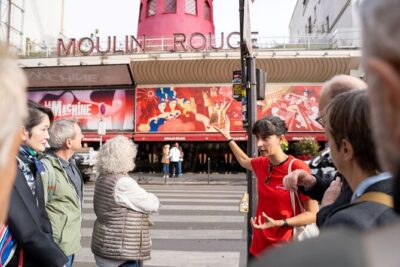
Hidden Montmartre: Paris’ Secret Streets Walking Tour
Read our review →Browse the lists this tour appears in