

Reviewed · MONTMARTRE TOURS
German private Walking Tour through Montmartre & Passages
A private, German walking tour through Montmartre and Paris’ passages is a great way to see the city without losing the plot. I like the way the route has a clear storyline, starting at Moulin Rouge to Sacré-Cœur and then flowing onward to the bigger boulevards. One thing to consider: the tour is timed as one 4-hour block, so if you need a very quick break for kids, you’ll want to plan for the fact that the pace may include longer stops.
My second favorite part is the mix of headline sights and quieter 19th-century streets, especially the passages like Passage Jouffroy and Passage Verdeau. You also finish at Opéra Garnier, with context for the Phantom of the Opera story, which makes the theater feel less like a photo stop and more like a place with meaning. If you can handle a good walking pace, this one is a smart, value-minded way to see a lot of Paris in a small-group setting.
Key highlights you will actually feel on the ground
- German-speaking guide so you can ask questions and understand the neighborhood context, not just the landmarks
- Montmartre artists route built around classic stops like Place du Tertre and Sacré-Cœur
- Old 19th-century passages, including Passage Jouffroy and Passage Verdeau, that most people miss
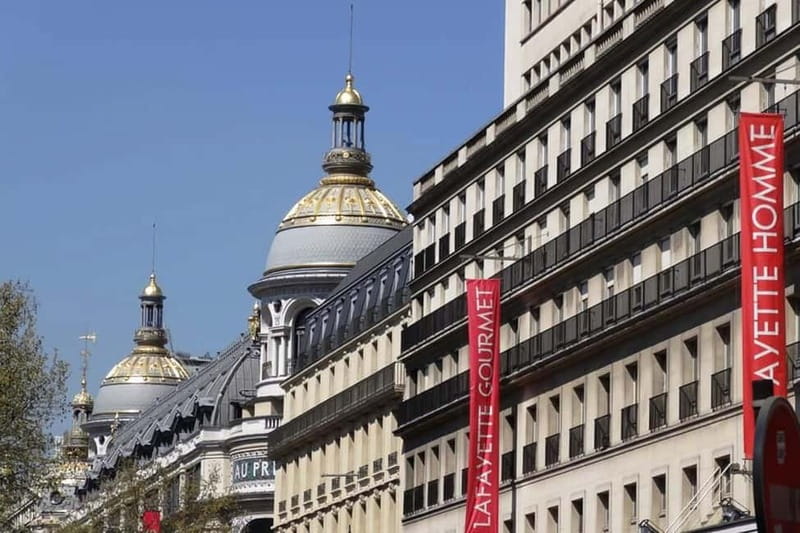
- Grands Boulevards viewpoints for wide city views and a smoother shift from hill streets to big-city Paris
- Opéra Garnier finale with story context tied to the Phantom of the Opera
What makes this Montmartre and passages route special
This tour works because it pairs big, recognizable Paris with smaller, more surprising spaces, all in a tight loop. You start where the Paris nightlife imagination lives, then move into Montmartre’s art-and-cobblestone world, and finally head back toward the grand public spaces that helped shape modern Paris.
The German language is not a minor detail. It changes how you experience the streets. You are not just reading plaques or following a loud group. Instead, you can actually track names, history, and neighborhood reasons behind what you are seeing, which is especially helpful in Montmartre where the landscape feels like a patchwork of eras.
You should also know the tour is private for your group only. That matters for comfort and pace, and it often means you get more of the guide’s attention when you ask questions. It does not mean the walking time magically shrinks. It just means you are steering the experience more than you would on a large-group tour.
More Montmartre walking tours:
- Montmartre Hidden Gems and Scenic Highlights Walking Tour
★ 5.0 · 2,684 reviews - Montmartre Hill French Gourmet Food and Wine Tasting Walking Tour
★ 5.0 · 2,588 reviews - Paris: Montmartre Cheese, Wine & Pastry Guided Walking Tour
★ 4.8 · 2,255 reviews
Starting at Place Blanche, right by Moulin Rouge
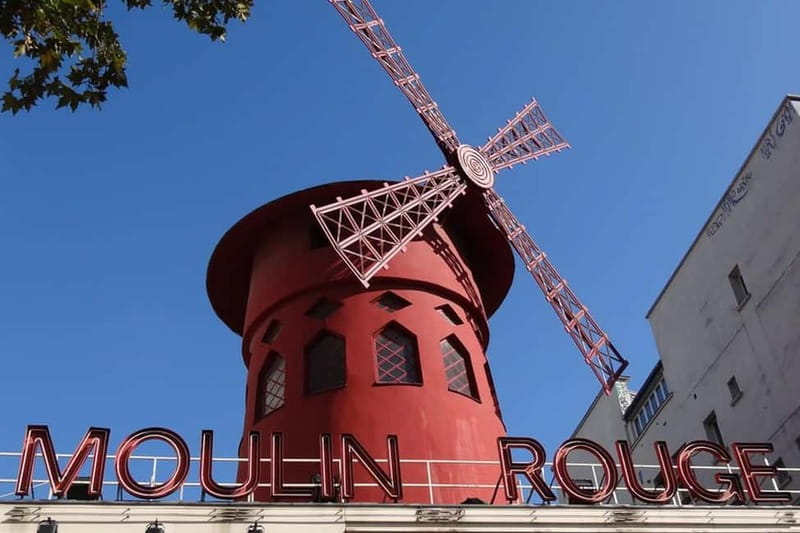
The meeting point is simple and specific: Metro station Blanche (line 2), at the small traffic island in front of Moulin Rouge. You should look for your guide with a HelpTourists bag.
Why this start works: you begin in an area that instantly tells you what Paris tourism is like on the surface, then you work backward into layers. Moulin Rouge is a strong “anchor landmark,” so you can orient yourself quickly before you start climbing into Montmartre and its older streets.
Practical tip: arrive a few minutes early and keep your meeting point photo handy. The streets around Moulin Rouge can feel busy, and a minute or two of waiting is easier than losing time later.
Moulin Rouge to Sacré-Cœur: turning the volume down as you climb
Your first major sightseeing leg takes you from Moulin Rouge toward the Sacré-Cœur Basilica. This is one of the most satisfying transitions on the tour because it is not just “walk and look.” Your guide shares history and connects it to the artists who lived and worked in Montmartre at the end of the 19th century and the beginning of the 20th century.
Sacré-Cœur is not only a famous viewpoint. It is also a symbolic ending point for the Montmartre story. When you pair it with the artist context, the hill feels less like a backdrop and more like a stage that shaped real lives and creative communities.
What to expect here:
- You will spend time at the Sacré-Cœur Basilica area for sightseeing
- You will hear neighborhood history and artistic connections aimed at helping you understand why this area mattered
Possible drawback: if you have mobility limits, this segment can feel like real uphill walking, even if the route is managed as a tour. You will get breaks, but you should still wear shoes you trust.
Place du Tertre: artists’ square without the superficial script
After Sacré-Cœur, you head to Place du Tertre. This is where Montmartre’s art identity becomes very visible.
The value here is how the tour frames the square. Instead of treating it as a postcard stop, your guide explains insider information about the famous artists’ square. That means you will likely walk through it with a clearer sense of what made the area so attractive to creators in that earlier period.
How to enjoy it:
- Take a slow lap. You do not have to freeze for long in front of every stall.
- Listen for the connections your guide makes between the square and the wider Montmartre neighborhood.
If you hate long periods standing in one spot, tell your guide early. In a private format, they can often adjust small things like how long you linger at each point.
More walking tours in Paris:
- Paris Top Sights Half Day Walking Tour with a Fun Guide
★ 5.0 · 2,893 reviews - Paris Île de la Cité and Notre-Dame Walking Tour With Crypt
★ 5.0 · 2,272 reviews - Paris in a Day: Louvre or Orsay, Eiffel Tower, City Walk & Cruise
★ 5.0 · 1,956 reviews - Paris: Montmartre Highlights Walking Tour with a Local Guide
★ 4.9 · 1,668 reviews
The heart of Montmartre: stepping into the artist footsteps
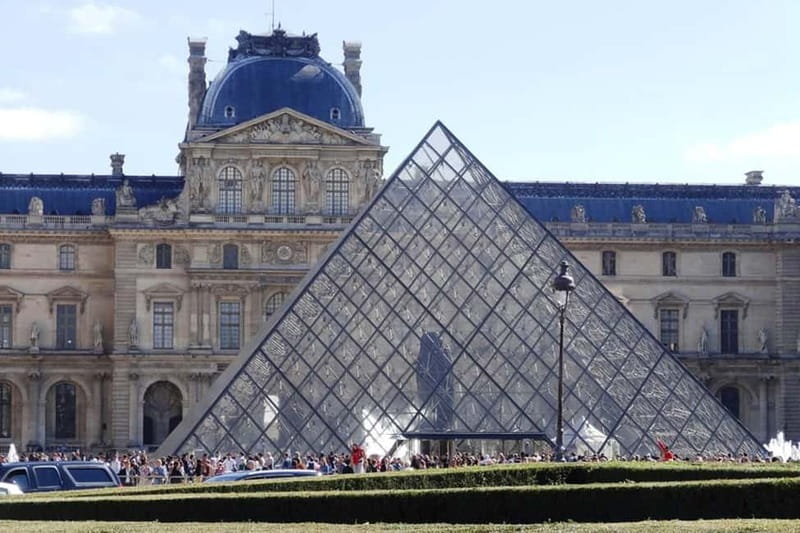
One of the tour’s selling points is that you follow in the footsteps of famous artists. In practice, that means the Montmartre section is treated like a story corridor. You are not just doing a checklist of famous sights. You are moving through the quarter with a sense of how artists’ lives shaped the place.
You also get time beyond the most obvious tourist bits. The tour description specifically calls out lesser-known sides of Montmartre, beautiful places that offer distance from the crowds. That is where a private guide can really earn their fee, because the “off beaten” areas usually require local eyes and local timing.
A note on reviews and guide quality: one German guide name that stands out in the feedback is Katharina. The guidance described with her emphasizes local detail and lots of stories and useful facts around the 19th arrondissement. That kind of commentary is exactly what makes a Montmartre walk more than a photo run.
Two “extra sightseeing” segments that keep the story moving
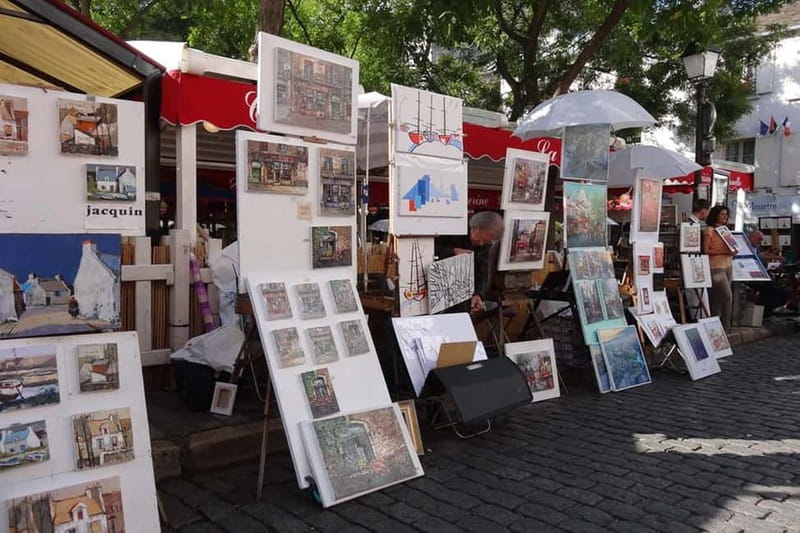
Your route includes two additional sightseeing stops labeled as sightseeing (Stop 6 and Stop 10 in the schedule). These are not specified as single landmarks in the details you provided, but they are part of how the guide keeps the narrative flowing while you travel between the big anchors.
In a good walking tour, these “in-between” sections matter because they often contain:
- orientation points that help you understand the neighborhood layout
- viewpoint moments
- explanation of what you are seeing from street level rather than from a map
So if you feel like you are waiting around between major sights, you can still use these segments to rest your feet, ask questions, and get context for what is coming next.
Grands Boulevards: switching from hill lanes to wide-city views
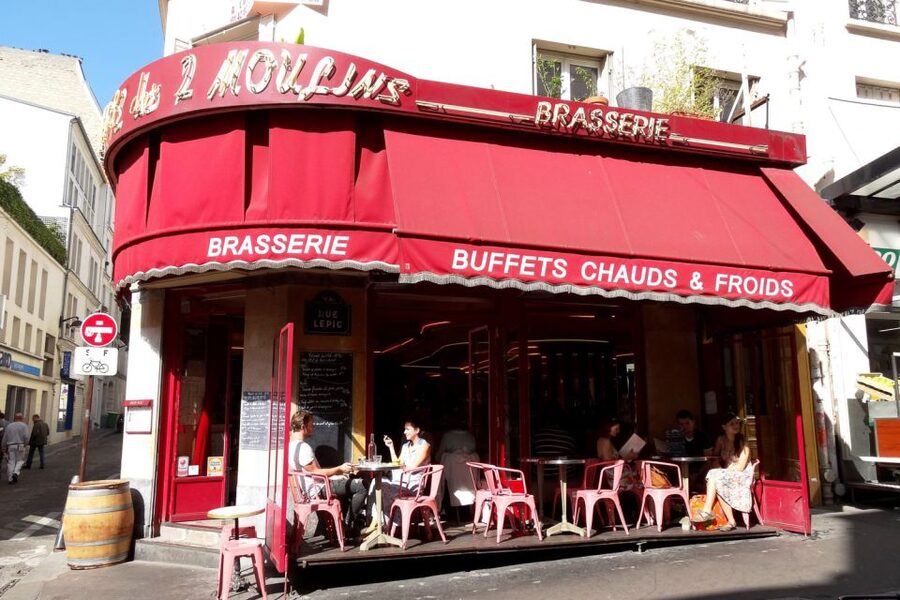
After Montmartre, the tour shifts toward the Grands Boulevards. This is a smart contrast. Montmartre can feel tight, angled, and steep. The Grands Boulevards feel open, formal, and built for the “big Paris” image.
The schedule includes sightseeing along the Grands Boulevards and promises views of the city. This is the part of the tour where the city starts to look less like a neighborhood and more like a system. If you want your Paris photos to include both charming streets and grand views, this is where you get that balance.
A simple way to make the most of it: use the wide streets for orientation. When you can see far down a boulevard, you understand where the city pulls you next. That makes Opéra Garnier feel less random when you reach it later.
Passage Jouffroy: the 19th-century shortcut most people miss
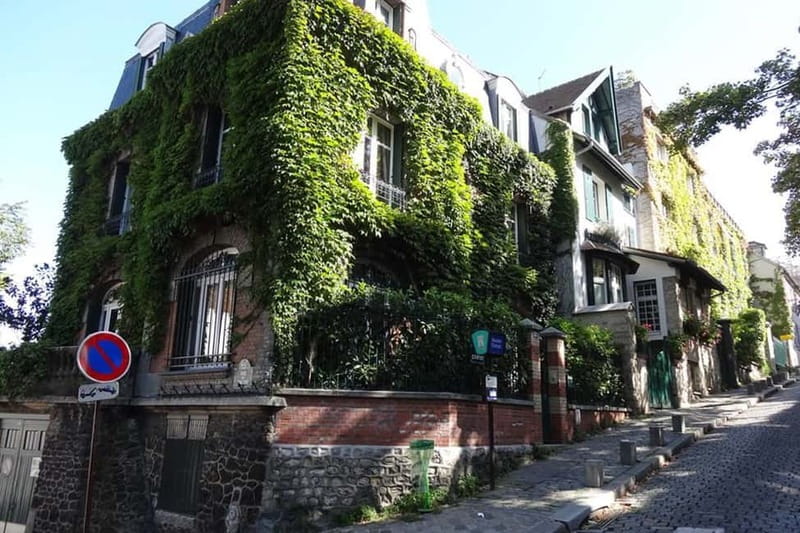
Then you get into Paris’ covered passages. The tour includes Passage Jouffroy, described as a hidden passage from the 19th century.
Why passages are worth your time: they are small-scale Paris in motion. You move through them and notice how street life changes under a roof. Instead of open sky and big street noise, you get a hallway-like world with its own rhythm. You also get a break from the “big landmark” pattern, which helps keep the tour feeling fresh.
What to look for in Passage Jouffroy:
- the sense of enclosure compared to the boulevards
- the visual details that make these corridors feel like their own era
- your guide’s explanation of why these passages became part of everyday city life
Passage Verdeau: more covered city, more story
The tour continues to Passage Verdeau. Like Jouffroy, this is another 19th-century passage, and it adds variety so it does not feel like you are repeating the same sight twice.
Pairing these two passages is a smart choice because it shows you how similar architectural ideas can still produce different experiences depending on the corridor’s layout and surrounding streets. You will also see how passages connect different corners of Paris in a way that feels practical, not just decorative.
If you want a tactic that works: take one photo early, then pause and look up and around without photographing. The best moments in passages are the slow ones, where you notice proportions and details.
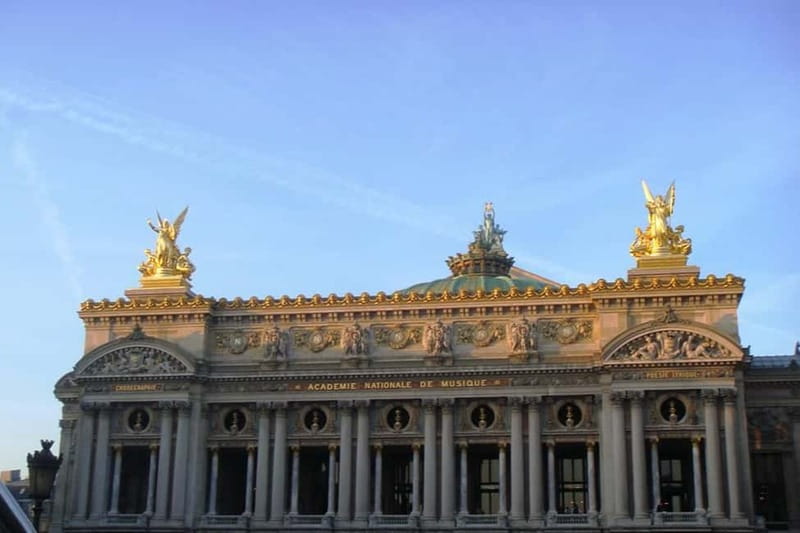
Palais Garnier and the Phantom of the Opera story setup
Toward the end, the route includes time near the Opera area. Your tour passes Palais Garnier and includes information about the history tied to the Phantom of the Opera.
This is valuable because it turns the building from a standalone landmark into a story setting. When you arrive already knowing the narrative thread the guide is using, you will look at corners, stairways, and overall grandeur with more meaning than just “wow, big building.”
What to expect:
- you will pass the opera and get story context
- you finish at Opéra Garnier for sightseeing
Note: one part of the details says the activity ends back at the meeting point, while another says it finishes at Opéra Garnier. When you book, confirm the exact end point for your day and group. Either way, the tour is clearly built to end at the Opéra Garnier area.
How much time you get in each place, and why it matters
This is a 4-hour private walking tour. That time limit is both a benefit and a constraint.
It is a benefit because you do not wander all day. You get a concentrated Montmartre experience, plus passages and boulevards, and you still end near a major hub. It is a constraint because you cannot do slow, leisurely sightseeing in every stop like you might on your own.
So for planning your day, I suggest treating this as a “Paris backbone” tour. Do it when you want orientation and context, not when you are trying to squeeze in a long lunch with a hard deadline.
One caution from real-world pacing: there is at least one feedback note about the tour taking longer than expected around a restaurant stop when people wanted a quick midday meal with small children. That tells me you should communicate your timing needs early, especially if your group includes kids or anyone who needs frequent food breaks.
Price and value: what you pay for at $183 per person
At $183 per person, this tour sits in the private tour category. The honest value question is: what are you getting beyond the landmarks?
You are paying for three things that matter:
- a private, German-speaking guide, which lets you understand the story rather than guess
- a route that connects multiple Paris “modes” (art hill, famous squares, passages, grand boulevards)
- time at both iconic and quieter spots, including Passage Jouffroy and Passage Verdeau, which many visitors skip
If you only wanted one or two famous sights, you could do it cheaper on your own. But if you want a single structured walk that threads Montmartre art context together with the covered passages and ends at Opéra Garnier, this price can start to make sense fast.
For best value, book for a day when you are not rushed. A tour like this shines when you let it set your pace.
Who this tour suits best, and who should adjust expectations
This tour is best for you if:
- you want Montmartre in German and you like asking questions
- you enjoy seeing famous sights but also want the “how and why” behind them
- you want a guided connection between Montmartre and the passages rather than separate day plans
- you can do a solid walk for 4 hours
It may be less ideal if:
- you need very short stops and frequent quick snack breaks
- your group has strict timing for another reservation immediately after the tour
- you prefer minimal walking and would rather take transit between each landmark
A good rule: if you can handle a typical half-day walk, you will probably love this. If not, you can still book, but plan to go slower and ask your guide to prioritize the top stops for your group.
Tips to get the most from the German tour experience
A few practical habits make a huge difference:
- Wear comfortable shoes. This route includes multiple sightseeing segments and a longer walking loop.
- Bring a charged phone for orientation, not for replacing the guide. Use it to help you follow along.
- If you have kids or anyone with timing needs, mention it early so the guide can plan sensible pauses.
Also, since this is a German-language tour, consider learning a few simple phrases for questions like where the story is going next or what to focus on at a given stop. Even if your German is basic, the guide can often work with you.
Should you book this German private tour?
If you want a structured, narrative walk through Montmartre and Paris’ covered passages, then yes, this is the kind of tour I think you should book. The combination of Moulin Rouge, Montmartre’s art-centered stops, the 19th-century passages, and the Opéra Garnier finale makes it more than a standard highlights loop.
I would especially book it if German is your comfort language and you like learning context as you walk. And if you have small kids or a tight lunch window, plan for extra flexibility, because pacing can expand when meal or rest stops come into play.
If you want one confident half-day that ties together some of Paris’ most memorable “places with stories,” this one is a strong pick.
Recently added around Paris
- Paris: Louvre Museum Timed Entry Ticket & Pop Culture Tour★ 4.6 · 26 reviews
- Paris: Louvre Must-See Tour with Reserved Entry Ticket★ 4.9 · 164 reviews
- Paris: Louvre photoshoot or Seine bridges Eiffel Tower walk★ 5.0 · 49 reviews
- Louvre & Mona Lisa Morning Tour with Reserved Access★ 4.0 · 15 reviews
- Paris: Louvre Museum Skip-the-Line Tickets for Monalisa★ 3.0 · 42 reviews
- Paris: Louvre Museum Ticket with Optional Hosted★ 3.1 · 89 reviews
- Paris: Louvre Museum and Orsay Museum Guided Tour★ 5.0 · 6 reviews
- Paris: Louvre Museum Mona Lisa First Viewing Semi-Private★ 4.2 · 21 reviews
Montmartre Tours, compared.

Montmartre Hidden Gems and Scenic Highlights Walking Tour
Read our review →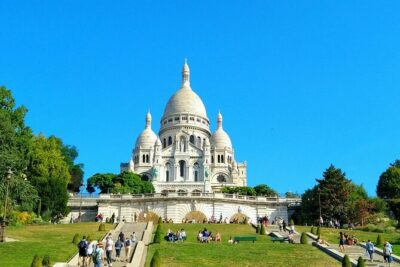
Montmartre Hill French Gourmet Food and Wine Tasting Walking Tour
Read our review →
Montmartre Cheese, Wine & Pastry Guided Walking Tour
Read our review →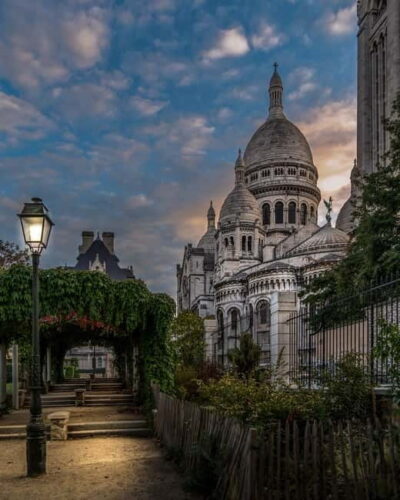
Montmartre Highlights Walking Tour with a Local Guide
Read our review →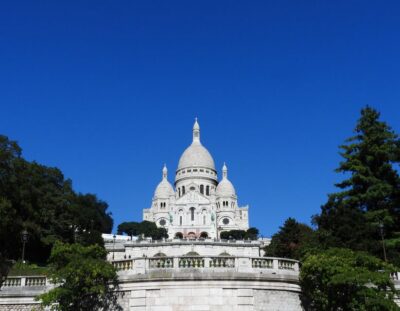
Sacré-Coeur and Montmartre Tour with Expert Guide
Read our review →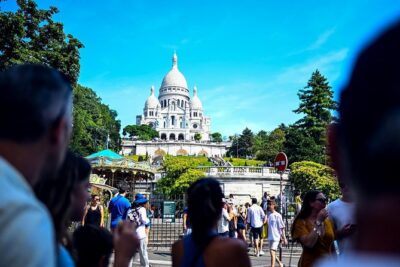
Private Montmartre Food Tour with Wine, Cheese & Pastries
Read our review →
Paris Montmartre Food Tour – A Full French Meal by Do Eat Better
Read our review →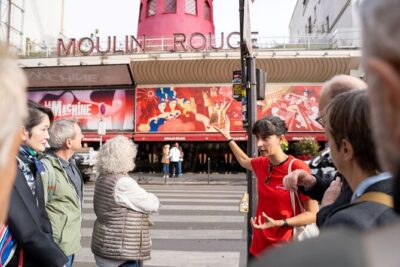
Hidden Montmartre: Paris’ Secret Streets Walking Tour
Read our review →Browse the lists this tour appears in