
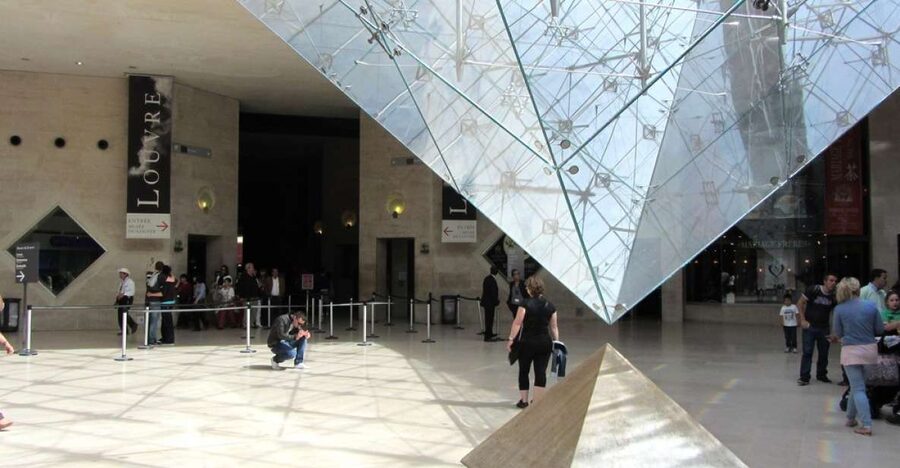
Reviewed · LOUVRE TOURS & TICKETS
Paris: Louvre Museum Skip-The-Line Tour
This Louvre experience is interesting because it does something most rushed Louvre visits miss: it builds a clear art story across Renaissance to Romanticism, and you start with skip-the-line entry instead of burning time in the crowd.
I love the way the tour spotlights Botticelli frescoes, then keeps going with connected Renaissance ideas, not just name-dropping. I also like the humanism context, especially the guide’s focus on how the transition from the Medieval world to a more human-centered way of thinking shows up in the art.
One drawback to plan around is the 2-hour limit. You will see major works and learn a lot, but it is not the full Louvre. Also, there is no food included, so you may want a simple snack plan before or after.
Key Things I’d Not Miss
- Skip-the-line entry so your time goes to art, not waiting
- Botticelli fresco work plus the guide’s explanation of the shift toward Humanism
- Nike of Samothrace for that instantly striking Neoclassical sense of motion and victory
- Big-name Renaissance and Romanticism paintings placed in context, not just checked off
- Private group with English, French, or Serbo-Croatian, which helps the pace stay realistic
Why This Louvre Tour Works in 2 Hours
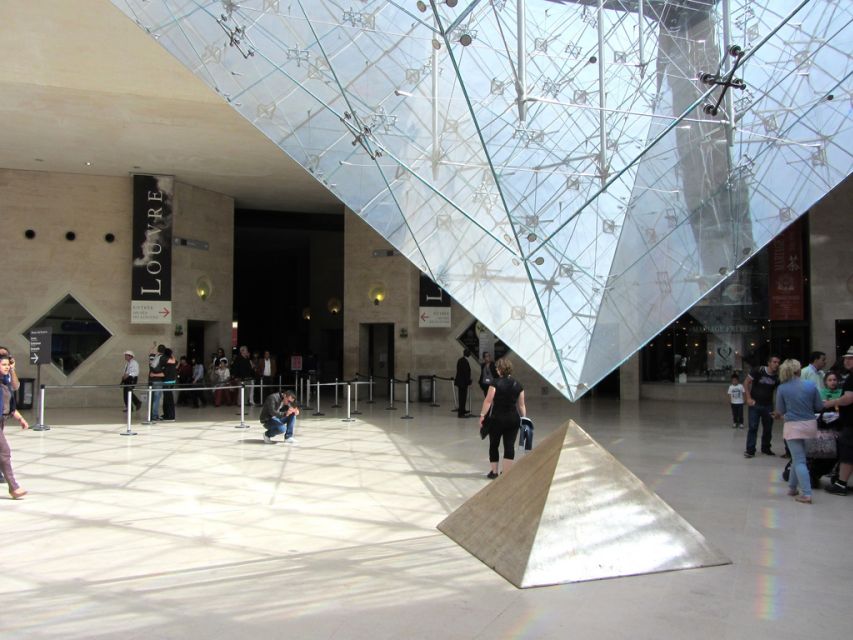
The Louvre can feel like a city inside one building. Even if you think you are prepared, the museum has a way of eating time. This tour is built to avoid that trap by focusing on a few high-impact stops and connecting them through themes you can actually remember later.
The big promise here is not seeing everything. It is seeing the right things while someone knowledgeable helps you notice what matters: how artists changed their subjects, how styles evolved across Renaissance, Neoclassicism, and Romanticism, and what those changes meant to people at the time.
You get a guided route that moves between periods while staying practical. A 2-hour format means the pacing is usually sharper, and you are less likely to end up staring at walls, hoping your feet will magically stop complaining.
More Louvre tours and tickets:
- Paris: Louvre Museum Timed-Entrance Ticket
★ 4.6 · 71,977 reviews - Paris: Louvre Guided Tour with Reserved Access & Boat Cruise
★ 4.3 · 16,353 reviews - Louvre Museum Masterpieces Guided Tour with Access
★ 4.5 · 12,023 reviews
Getting In Fast: Meet at Arc de Triomphe du Carrousel
Your meeting point is the Arc de Triomphe du Carrousel, and the guide will be carrying a red tote canvas bag. That detail matters because the Louvre area has lots of entrances and distractions. Arrive a little early so you can find the group quickly and avoid that last-minute scramble.
Once you’re in, the skip-the-line entrance ticket does more than save minutes. It protects your energy. The Louvre is a long walk even when you are excited, and skipping the worst waiting helps you stay present once you start moving through galleries.
Also, this tour operates rain or shine, so you will want a rain layer you can tolerate for a short, focused stroll outside and then inside galleries. Louvre light can be bright, even when it is gray outside, so bring sunglasses or a cap if you use them.
Renaissance Storytelling: Botticelli, Mantegna, and Humanism

The Renaissance portion is where the tour becomes more than a checklist. You are not just seeing famous works, you are learning how ideas changed, and then seeing how those ideas show up on the walls.
One of the signature stops is Botticelli and the fresco Venus and the Three Graces Presenting Gifts to a Young Woman. This kind of work is easy to admire but harder to interpret if you see it alone. With a guide, you can slow down enough to notice how figures are arranged, how grace and movement are suggested, and how the subject fits into the culture that valued beauty, learning, and classical references.
You also look at early Renaissance themes, including the shift from the Medieval world toward Humanism. That sounds academic until someone points out what to watch for in art. Humanism shows up in the way people are portrayed, in the balance of realism and idealization, and in the broader cultural interest in the individual and classical thought.
The tour includes Mantegna’s early Florentine art, including Saint Sebastian. If you have ever wondered why religious scenes can feel both dramatic and controlled, this is one of those good places to compare emotion, composition, and symbolism without getting overwhelmed.
And yes, you also get stops tied to Bellini’s Venetian paintings. Even without a long lecture, Venetian work tends to reward careful looking, so expect your guide to steer your attention to what makes the style different from the Florentine focus you may have seen earlier.
Neoclassical Stop: Finding Nike of Samothrace in Real Time
If you like art that makes you feel the action, the Neoclassical highlight is Nike of Samothrace, a 2nd-century BC marble sculpture of the goddess Nike. This is the kind of piece that stops most people cold because you can read motion in the drapery and pose.
When you see it in person, the main value of a guide is speed-to-understanding. You might already know it is important. What you might not know is how sculptors use rhythm, tension, and expression to make victory feel immediate. A good guide helps you see that the sculpture is not only about the figure, it is also about how the body seems to be captured mid-movement.
This stop is a smart anchor between periods. It reminds you that the Renaissance and later styles were not born from thin air. Artists were constantly talking with older classical models, borrowing ideas, and reshaping them for new audiences.
More museum tickets in Paris:
- Paris: Louvre Museum Entry Ticket With Host and River Cruise
★ 4.6 · 9,926 reviews - Les Invalides: Napoleon’s Tomb & Army Museum Entry
★ 4.6 · 9,185 reviews - Louvre Museum – Exclusive Guided Tour (Entry Included)
★ 5.0 · 6,296 reviews - Paris: Louvre Museum Hosted Entry and Mona Lisa Audioguide
★ 4.6 · 5,235 reviews
Leonardo, Veronese, and the Big Painting Moment
No Louvre highlights list feels complete without Leonardo da Vinci. This tour includes Leonardo via works such as Mona Lisa. The practical benefit of a guided stop is that you are less likely to stand there blankly while everyone around you does the same. Your guide’s job is to point you toward what to notice, so the experience feels personal instead of like a photo stop.
Another major stop is Veronese and Marriage at Cana. The tour notes it as the largest painting in the Louvre, and that alone is a reason to go. Big canvases are impressive in size but tricky to read unless someone tells you where to look first.
A good way to experience a painting that large is to use a guide to choose a starting point, then expand outward. That is what you get here: a pathway into the scene, rather than waiting for your eyes to find the story on their own.
Romanticism: Géricault, Delacroix, and the Drama of Ideas
Romanticism is where Louvre art starts to feel more emotional and more political, and this tour intentionally includes that shift.
You will see Géricault’s Raft of Medusa. This is not the kind of work you appreciate from a quick glance. The value of a guided visit is that you can understand why it moved people and how its composition pushes your attention toward the moments of crisis. Even if you do not know the full historical background, the guide helps you read the painting’s emotional structure.
Then comes Delacroix’s Liberty Leading the People, tied to the July Revolution of 1830. This is one of those works where the symbolism can be hard to catch at first if you do not know what you are looking for. With a guide, you get help decoding the visual language, so it lands as more than just a dramatic image.
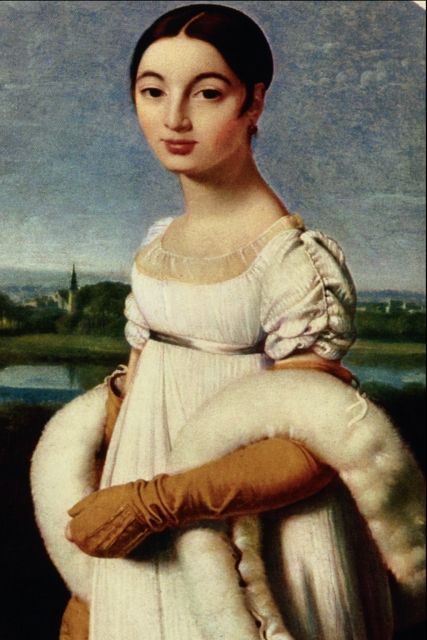
You also see other key figures of the era, including Ingres’s Une Odalisque and Jacques-Louis David’s Crowning of Napoleon and The Oath of The Horatii. Together, they show you that Romanticism does not just mean soft emotions. It can mean intensity, ambition, power, and moral stakes, all packaged in how the artists constructed the scene.
What the Guide Actually Adds (Even If You Only Know a Few Names)
The real win with this tour is not that it covers famous art. It is how the guide stitches the periods together so you can recognize patterns across centuries.
On past tours, guides like Boris have been praised for a strong historical perspective, including how artists used light and the sun in their work. That kind of commentary is practical. It trains you to look beyond subject matter and start noticing artistic choices.
You can also expect the guide to adapt the pace. The tour is a private group, and that matters for the Louvre because people need different amounts of time at different works. Some want a deeper explanation, some want the key points without feeling rushed, and this format usually handles that better than a large bus tour.
Language options include English, French, and Serbo-Croatian. That can make a surprising difference because art history words get lost in translation fast. When the guide can speak your language, the explanations stick.
And if you are traveling with teenagers, this tour style can be a good match because you get a focused route and a clear structure, which helps the visit stay active instead of drifting.
Price and Value: Is $294 for a 2-Hour Louvre Tour Fair?
At $294 per person for a 2-hour skip-the-line, this is not a budget activity. You are paying for three things at once:
First, skip-the-line access. The Louvre’s time cost is real. If you value not wasting your morning, that alone can make the price feel more reasonable.
Second, you are paying for a live guide who helps you see what you would otherwise miss. A major museum visit can become passive if you are left alone to figure out what to notice. This tour tries to stop that by teaching the art story as you go.
Third, you are paying for a private-group format. Even if the group is small, it usually means fewer distractions and a more workable pace. You get to focus on the Renaissance, Neoclassicism, and Romanticism route rather than spreading out across the entire museum.
If your goal is to experience the Louvre as efficiently as possible and you want guidance that connects styles and ideas, the value here is strong. If your goal is to roam freely and you love getting lost in museums, then you might do better building your own itinerary and using a self-guided plan.
Who This Tour Suits Best
This is a smart choice if you:
- Want the Louvre highlights, but with context you can actually use
- Like art periods and want to understand how Renaissance ideas shift into Neoclassicism and then Romanticism
- Plan a short visit and need a structured route
- Prefer a smaller, private group experience
It can be less ideal if you:
- Want to see a wide range of non-Renaissance works as the main goal
- Have very limited stamina for standing and walking in a large museum (even with a shorter time window, you will still cover some ground)
- Expect food included, because this tour does not include snacks or meals
Should You Book This Louvre Skip-The-Line Tour?
Yes, I think you should book it if you want to make your Louvre time count and you enjoy learning how art changes across eras. The pairing of skip-the-line entry plus a focused Renaissance through Romanticism route is the kind of decision that saves energy and boosts enjoyment.
Wait or consider another approach if you want a free-form museum day, or if you are okay spending extra time figuring out what to prioritize on your own. In a museum this huge, “free time” can quietly turn into “lost time,” and this tour is designed to prevent that.
FAQ
How long is the Louvre skip-the-line tour?
The tour lasts 2 hours.
Where do we meet for the tour?
Meet at the Arc de Triomphe du Carrousel. The guide will be carrying a red tote canvas bag.
What is included in the price?
The tour includes a skip-the-line entrance ticket to the Louvre and a live guide.
Is food and beverages included?
No, food and beverages are not included.
What languages are available for the guide?
The tour is offered with a live guide in English, French, and Serbo-Croatian.
Is the tour wheelchair accessible?
Yes, the tour is wheelchair accessible.
Are there luggage or item size limits?
Oversize luggage is not allowed. Items exceeding 55x35x20 cm are not permitted in the museum.
Recently added around Paris
- Paris: Louvre Museum Timed Entry Ticket & Pop Culture Tour★ 4.6 · 26 reviews
- Paris: Louvre Must-See Tour with Reserved Entry Ticket★ 4.9 · 164 reviews
- Paris: Louvre photoshoot or Seine bridges Eiffel Tower walk★ 5.0 · 49 reviews
- Louvre & Mona Lisa Morning Tour with Reserved Access★ 4.0 · 15 reviews
- Paris: Louvre Museum Skip-the-Line Tickets for Monalisa★ 3.0 · 42 reviews
- Paris: Louvre Museum Ticket with Optional Hosted★ 3.1 · 89 reviews
- Paris: Louvre Museum and Orsay Museum Guided Tour★ 5.0 · 6 reviews
- Paris: Louvre Museum Mona Lisa First Viewing Semi-Private★ 4.2 · 21 reviews
Louvre Tours & Tickets, compared.

Louvre Guided Tour with Reserved Access & Boat Cruise
Read our review →
Louvre Museum Masterpieces Guided Tour with Access
Read our review →
Louvre Museum Entry Ticket With Host and River Cruise
Read our review →
Priority Access Louvre with Host -Direct to Mona Lisa
Read our review →
Mona Lisa & Louvre Masterpieces Tour with Reserved Access
Read our review →
Louvre Museum – Exclusive Guided Tour (Entry Included)
Read our review →
Louvre Reserved Ticket and River Cruise Combo
Read our review →Browse the lists this tour appears in