
Reviewed · LE MARAIS TOURS
Paris: Le Marais Walking Tour
Le Marais can feel like Paris in fast-forward, all texture, style, and stories, and this 90-minute walk helps you read the neighborhood fast. I like how it connects street scenes to real places, like the inside-out look of Centre Pompidou and the quieter drama of the old lanes around the Street of Rosebushes.
The main thing to keep in mind is that the walk is about 2 miles, even at a leisurely pace, and you will be outside rain or shine. Also, the Stravinsky Fountain has been listed as under renovation until 2023, so plan for possible changes there depending on the day.
Key Takeaways for This Le Marais Walking Tour
- Two start options let you begin at either the Stravinsky Fountain area or Centre Pompidou
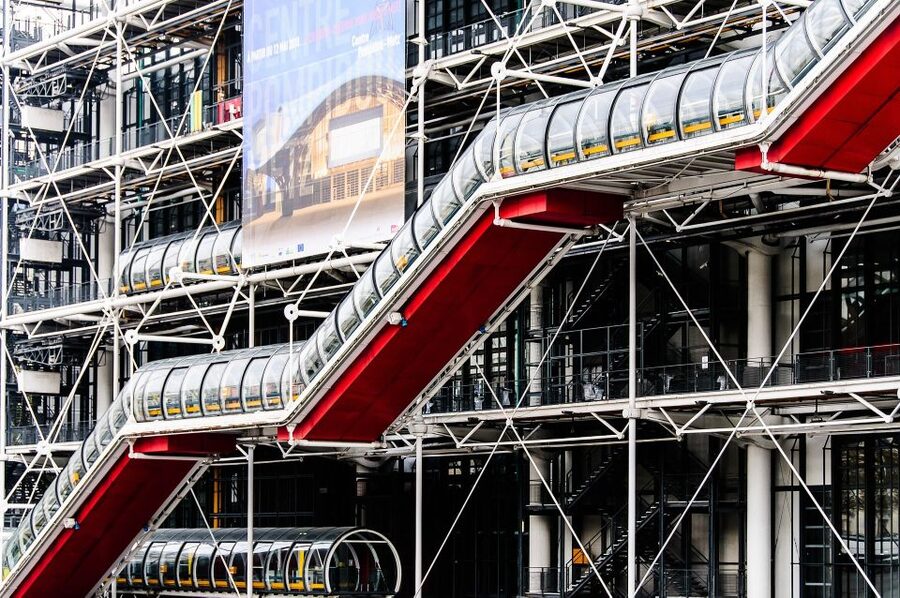
- Centre Pompidou’s inside-out architecture is a highlight for anyone who likes design that shows its guts
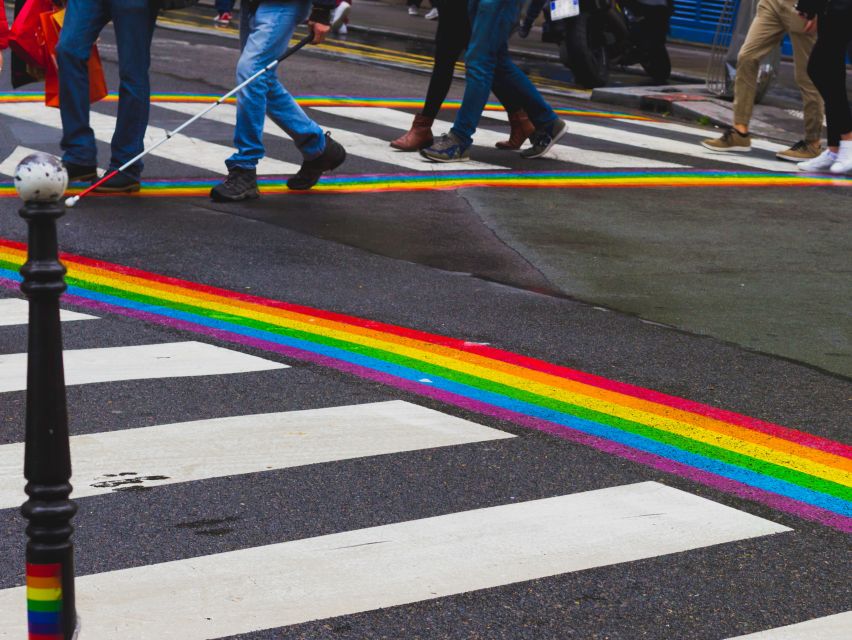
- Sainte-Croix-de-la-Bretonnerie and the LGBTQ+ stories give Le Marais more depth than shop windows
- Churches and cloisters like the Église des Billettes and the Cloister of Billettes add old-Paris texture
- The Street of Rosebushes and Impasse des Arbalétriers feel like secret Paris, even when you’re walking them with a group
- Finish at Le Village Saint-Paul so you can keep browsing antiques, art galleries, and artisan boutiques
Le Marais, 90 Minutes, and the Right Mix of Culture and Street Life

This is the kind of tour that works well when you want more than a photo stop. You get a guided stroll through one of Paris’s most fashionable areas, Le Marais, where Parisians actually come to hang out, not just sightseeing buses.
What makes it special is that it’s not only about famous monuments. The route blends architecture, neighborhood history, and community stories, including the area’s LGBTQ+ presence. You walk away with a better sense of why Le Marais looks the way it does today.
The value angle is also strong. At $42 per person for a 90-minute guided tour, you’re paying for context, not just movement from A to B. And since food and drink are not included, you’re free to decide your own café stop after the tour.
More tours of the Marais:
- Award-Winning Paris French Bakery Experience — Le Marais, 4th Arr
★ 4.5 · 1,186 reviews - Paris Le Marais Food Tour With 10+ Tastings, Cheese, Wine & More
★ 5.0 · 985 reviews - Paris Le Marais District Original Food and Wine Tasting Tour
★ 4.5 · 880 reviews
Starting Points: Stravinsky Fountain vs. Centre Pompidou
You have two possible places to begin, and it changes the feel of the first part of your walk.
If you start at the Stravinsky Fountain on Rue Brisemiche, you begin with a burst of playful modern art. Expect abstract, outlandish sculptural forms that move and spray water. It’s the kind of scene that makes everyone stop for photos because it looks slightly unreal and instantly memorable.
If you start at Centre Pompidou, the mood shifts to bold design. The “inside-out” concept is the star here, with structure and function exposed rather than hidden. It’s a great way to jump into Le Marais with a fresh eye, because you’ll soon be contrasting this modern energy with older streets and churches.
One practical note: the Stravinsky Fountain has been listed as under renovation until 2023. I would treat that as a heads-up to check what you’ll actually see on your date. If it’s affected, your guide can usually steer you toward the best nearby views and photo angles.
Walking the Design Language of Le Marais, Pompidou to the Old Streets
After you start, the tour moves at a leisurely pace. You’ll cover roughly 2 miles total, which is about the right distance for a focused guided morning or early afternoon without turning it into a marathon.
This is where I like the guide-led format. Even if you love wandering on your own, a good guide helps you notice details you would otherwise pass. In Le Marais, that means you start seeing the district’s different eras in the same walk, not as separate trips.
And you get a useful rhythm: stop briefly, look closely, learn a key point, then walk on. It keeps your brain engaged without exhausting your feet.
Sainte-Croix-de-la-Bretonnerie and LGBTQ+ Stories in the Streets
One of the tour’s biggest strengths is the way it teaches Le Marais as a living neighborhood with changing communities. The route includes Rue Sainte-Croix-de-la-Bretonnerie, where you’ll learn about the area’s thriving gay community and how that identity shaped the neighborhood over time.
This matters because Le Marais today can look like a clean collage of architecture, galleries, and boutiques. The guided story makes it more human. You understand that the same streets you’re photographing also held community life, social change, and a distinct kind of Parisian energy.
If you’re the type who loves history but gets bored by dates, this part is built for you. It’s less about memorizing and more about connecting the dots between place and people.
More walking tours in Paris:
- Paris Top Sights Half Day Walking Tour with a Fun Guide
★ 5.0 · 2,893 reviews - Montmartre Hidden Gems and Scenic Highlights Walking Tour
★ 5.0 · 2,684 reviews - Montmartre Hill French Gourmet Food and Wine Tasting Walking Tour
★ 5.0 · 2,588 reviews - Paris Île de la Cité and Notre-Dame Walking Tour With Crypt
★ 5.0 · 2,272 reviews
Église des Billettes, Cloister of Billettes, and the Calm Inside the Noise
The tour then heads to the Église des Billettes and the Cloister of Billettes area. These stops are the opposite of a loud landmark. Instead of huge scale, you get quieter moments that reward paying attention to shape and atmosphere.
Churches and cloisters can be hit-or-miss on tours, depending on the guide. Here, you’re not just looking at stone, you’re getting the reason it exists and how it fits into the district’s story.
This section is also a good reset for your legs. You’ll still be walking, but the pauses feel productive rather than like waiting for the group.
Notre-Dame-des-Blancs-Manteaux and the Medieval Anchor of the Route
Next up is Notre-Dame-des-Blancs-Manteaux. It’s built into the tour as a major historical anchor, and you’ll learn about its origin in the 13th century, specifically its construction by Saint Louis in 1258.
That date may sound like trivia, but it helps you picture Le Marais before it became known for design shops and fashionable streets. When you stand in front of a church like this with a guide’s context, it’s easier to see the district as a long-running stage for Paris life, not just a snapshot from the present.
If you enjoy religious architecture or simply like understanding how older Paris still survives inside a modern district, this stop is worth the time.
Impasse des Arbalétriers, the Street of Rosebushes, and a Little Paris Magic
Now you get to the part that feels like a storybook. The route includes the Impasse des Arbalétriers and then the Street of Rosebushes on Rue des Rosiers.
Impasse des Arbalétriers works because it’s compact. It’s the kind of passage that makes you slow down and look, because the setting is intimate compared to the wider streets outside. It also gives the tour variety, so the day doesn’t become only churches and big squares.
Then comes Rue des Rosiers, the Street of Rosebushes. This lane is tied to the neighborhood’s Jewish quarter past, and it’s also famous for its own visual identity. Even if you don’t plan to stop for a snack right there, you’ll understand why people keep returning to this street for the vibe and the history.
This is also one of those moments where you’ll probably want a photo or two, not because it’s touristy, but because it genuinely looks like a special pocket of Paris.
The Library of Hôtel de Ville, Hôtel Carnavalet, and the “Paris That Explains Itself”
As your walk continues, it reaches more civic and cultural stops, including the bibliothèque de l’hôtel de ville de Paris and the Hôtel Carnavalet.
The bibliothèque stop helps you switch from architecture to ideas. Libraries are places where cities store memory, and having it on the route makes Le Marais feel less like a set of streets and more like a district that actively preserves its own story.
Hôtel Carnavalet tends to land well when you like French culture with a bit of structure. Even if you don’t go inside as a priority, the building and the surrounding area help connect the dots between the neighborhood’s past and the way Paris presents it.
If you’re short on time in Paris and want your day to include more than one kind of attraction, this section is smart. It keeps you grounded in “real Paris” instead of only chasing the big headline sites.
Place des Vosges, the Classic Ending, and Why It Works
The tour reaches Place des Vosges, one of the most recognizable squares in Le Marais. This is where the district opens up visually, giving you a breather and a clearer sense of scale.
Place des Vosges is useful as an ending because it acts like a final chapter. You can compare what you just learned about smaller passages and religious spaces with a larger, more formal setting.
If you like architecture, this stop is satisfying. You can take your time, look around, and let the rest of the walk snap into place.
Finish at Le Village Saint-Paul, Where the Tour Stops and Shopping Begins
You end at Le Village Saint-Paul, which is a strong send-off. This area is known for antiques, art galleries, and artisan boutiques, and it’s a practical choice because it gives you something to do right away after your guided time ends.
I like finishing here because you can keep it low-pressure. If you feel like browsing, you can. If you just want a calm drink or a quick bite nearby, you can do that too.
It’s also a good moment to ask your guide one last question. If you got a guide like Joanna, who was praised for being very well informed and clear, or Maria, who was noted for sharing recommendations after the tour, you’ll likely leave with ideas for your next stop. Even a simple suggestion for what to see nearby can save you time and help you avoid aimless walking later.
Price, Pace, and the Seine Cruise Upgrade That Changes the Whole Day
Let’s talk money and how it translates into your actual day.
At $42 per person for a 90-minute guided walk, the price makes sense if you care about context. If you only want to stroll and take photos, you could do Le Marais on your own. But if you want the why behind the streets, the guide turns that walk into something more efficient.
Also pay attention to what’s included:
- A local guide
- A Paris shuttle for convenient transportation
- A private option if you want it
- An optional upgrade for a narrated Seine river cruise
That Seine cruise upgrade is the big “make the day feel bigger” add-on. It’s a narrated cruise on the Seine, and it’s good for a year from your tour date. So you don’t have to force it into the same day. If you plan to spend more than a couple of days in Paris, that flexibility is real value.
Food and drink are not included, so you should plan your own café break before or after. Le Marais has plenty of options, but it helps to have the guide end point so you’re not wandering too far.
Pace matters too. The tour includes about 2 miles of walking at a leisurely pace, and it’s wheelchair accessible. It’s rain or shine, so bring a light layer and something with grip. Strollers are also mentioned as workable on the route, which is a good sign for the general path comfort.
Should You Book This Le Marais Tour?
Book it if you want Le Marais with structure and story. This is especially good if you’re interested in how different communities shaped the neighborhood, and if you like architecture but also want the human context behind it. The route hits modern design at Centre Pompidou, medieval-era churches, and the Rosebushes street scene, then finishes in a shopping and gallery zone where you can keep exploring.
Skip or adjust your expectations if you’re mainly chasing one or two single headline stops and don’t care about guided interpretation. Also, if you’re very schedule-tight, build in a few minutes of buffer to reach the meeting area early, because meeting point timing is the one area that can make or break an experience.
FAQ
FAQ
How long is the Le Marais walking tour?
The tour is 90 minutes long.
Where does the tour start?
You can start at one of two options: Stravinsky Fountain, 2 Rue Brisemiche, or Centre Pompidou. The exact meeting point may vary depending on the option you book.
Is the tour guided in English?
Yes, there is a live tour guide in English.
What is the walking distance like?
The tour involves about 2 miles of walking at a leisurely pace.
Does the tour run in bad weather?
Yes, it takes place rain or shine.
Is the narrated Seine cruise included?
The narrated Seine river cruise is an optional upgrade. It is described as good for a year from your tour date.
Recently added around Paris
- Paris: Louvre Masterpieces Private Tour with Reserved Entry★ 4.3 · 144 reviews
- Paris: Living Cheese Museum Guided Tour with Cheese Tasting★ 4.8 · 182 reviews
- Paris Louvre Exclusive Semi Private Guided Tour Max 6 People★ 4.6 · 28 reviews
- Paris: Louvre Guided Tour with Skip-the-Line Entry Tickets★ 3.5 · 73 reviews
- Paris Le Marais Walking Tour: Small Group Experience★ 5.0 · 7 reviews
- Paris: Lemon Tart Baking Class with a Pastry Chef★ 5.0 · 4 reviews
- Paris: Live Guided Cruise with Crepe and Soft Drink★ 3.9 · 14 reviews
- Paris Le Marais Food Tour: Full Traditional French Feast★ 4.8 · 119 reviews
Le Marais Tours, compared.

Award-Winning Paris French Bakery Experience — Le Marais, 4th Arr
Read our review →
Paris Le Marais Food Tour With 10+ Tastings, Cheese, Wine & More
Read our review →
Paris Le Marais District Original Food and Wine Tasting Tour
Read our review →
Paris Bike Tour Hidden Secrets in the Latin Quarter & Le Marais neighborhoods
Read our review →
Food and Wine Tasting Walking Tour in Le Marais
Read our review →
Le Marais District & Jewish Quarter Guided Walking Tour 12ppl Max
Read our review →
Le Marais/Paris – The Historic, Trendy, Jewish, LGBT district
Read our review →
Paris Le Marais Food & Wine Tour with Eating Europe
Read our review →Browse the lists this tour appears in