Reviewed · TOURS
Paris: French Revolution Tour Relive the 14th July 1789
Paris’s French Revolution story is usually told with big monuments and museum vibes. This one tells it with streets, courtyards, and architecture that still show the social clues behind July 14, 1789. I like how the guide, Robin, makes the day feel hour by hour, and I also like that the route stays in neighborhoods many people skip. One possible drawback: the tour focuses on the build-up and the 1789 moment, so if you want later chapters like the Reign of Terror or Napoleon, you’ll need another tour.
You’ll start near the Bastille end of the story and work your way through the Paris that helped push events forward, especially the working-class areas around Saint Antoine. Robin’s style is lively but never fluffy, and you’ll get real chances to ask questions, not just stand and listen. At the end, you land at Place de la Bastille, where the story stops being abstract and starts feeling physical.
Key Things That Make This July 14 Tour Worth Your Time
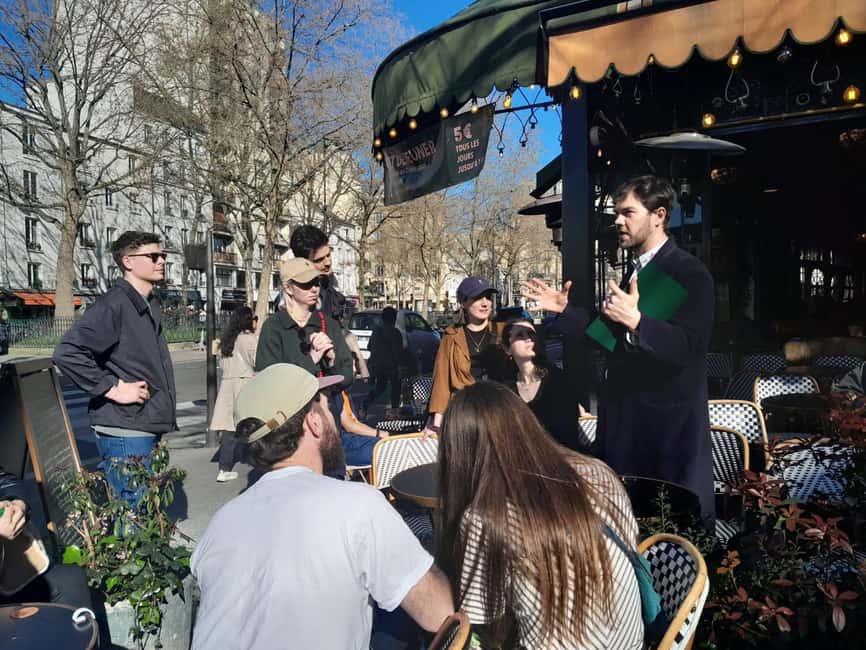
- Small group size keeps it interactive, with room to talk and ask questions.
- Le Faubourg Saint Antoine gives you the social context behind the uprising.
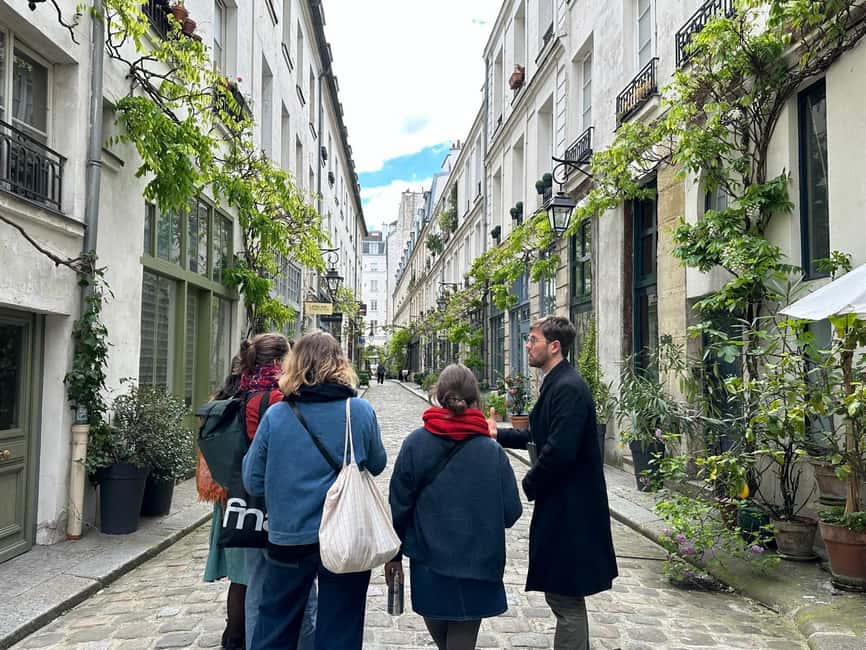
- La Folie Titon and Le passage de Lhomme turn lesser-known spots into story anchors.
- Photo stop/viewpoint helps you connect streets to the events.
- Ends at Place de la Bastille, so you finish where the history is loudest.
Street-Level History at July 14, 1789
This tour is built around one day, July 14, 1789, and the hours leading up to it. Instead of treating the Revolution like a textbook, you track how pressure, hunger, and political anger moved through real neighborhoods.
I like that it stays grounded in what people could see and touch. Buildings, passages, and street corners become evidence, not decoration. And Robin keeps the story moving, with clean explanations that make you feel caught up, not overwhelmed.
Other Paris bookings worth comparing before you pick:
- Paris: Louvre Museum Timed-Entrance Ticket
★ 4.6 · 71,977 reviews - Disneyland® Paris 1-Day Ticket
★ 4.6 · 49,412 reviews - Paris: Versailles Palace and Gardens Full Access Ticket
★ 4.6 · 41,579 reviews
Meeting Near the Cafes, Finishing at Place de la Bastille
You’ll meet between Café les Blouses Blanches and Mon Café. The walk’s start point is listed at 1 Pl. du Dr Antoine Béclère, and the route finishes at 28 Pl. de la Bastille, so you should expect a one-direction flow rather than random backtracking.
The full experience is about 90 minutes, which is short enough to fit into a sightseeing day, but long enough to build context. Plan for a solid walking pace for a small group, with stops for explanations and photos.
What Makes Robin’s Storytelling Work (and Why That Matters)
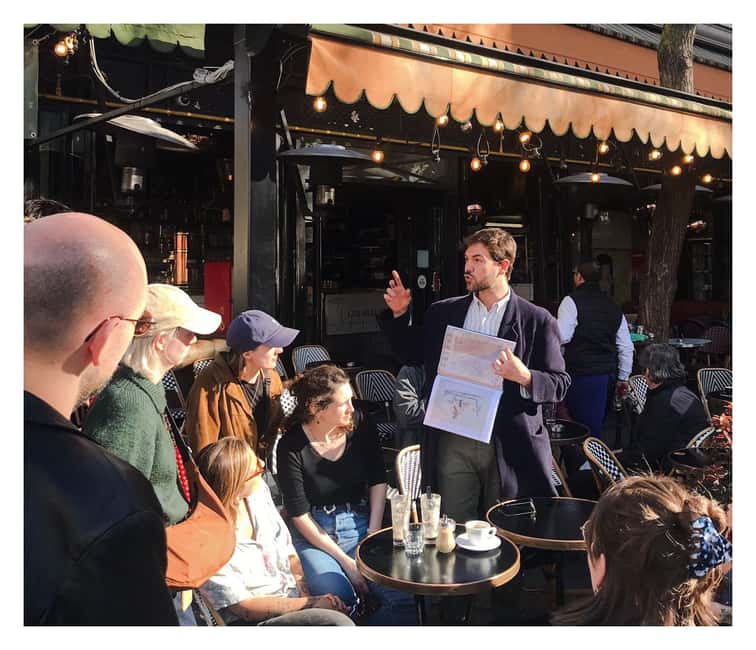
The biggest difference here is the guide. Robin is described as funny and entertaining, but also serious about accuracy, and he explains the “why” behind events, not just the “what.” Several guests highlight that he points out small details in the area that are easy to miss on your own.
There’s also a teaching vibe. People note that Robin has a deep academic background and a talent for making history accessible. In practice, that means you get a clear thread from daily life to political action, which is the part many history tours skip.
If you like asking questions or you enjoy a guide who answers with specific examples, you’ll probably have a good time. If you only want a quick hit of famous sites, you might feel the pace is more thoughtful than fast.
Le Faubourg Saint Antoine, Where Social Tension Gets Specific
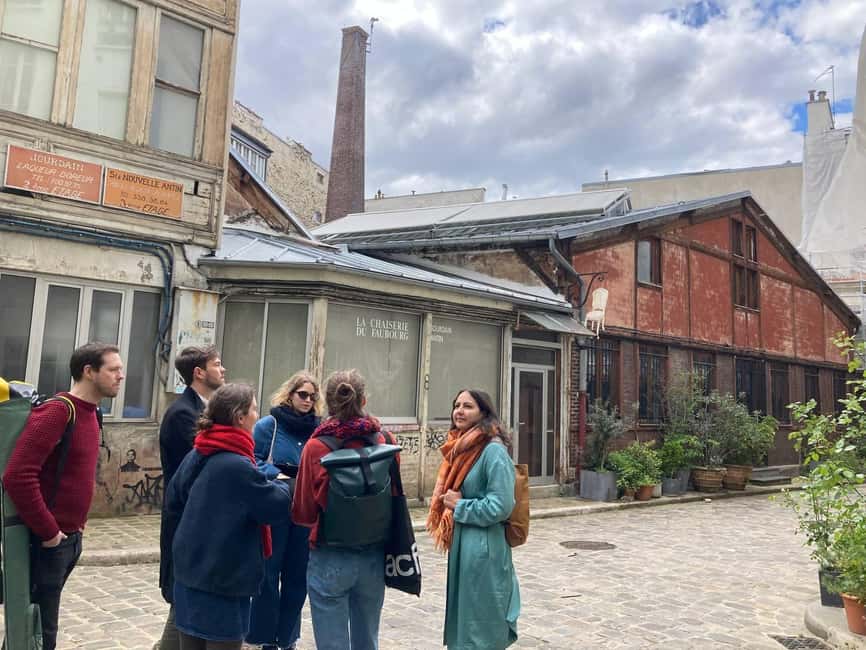
One of the tour’s stars is Le Faubourg Saint Antoine. This matters because it’s not just a name on a sign. The area’s character helps explain why anger could ignite quickly, and why the Revolution was not only elite politics.
You’ll walk through the neighborhood in a way that connects daily life to the Revolution’s momentum. The guide helps you “see” what the city looked like in the 18th century, and more importantly, why the residents were positioned to act when events turned.
This is also where the tour often feels most different from the typical Paris loop. You’re not rushing between postcards. You’re learning how working neighborhoods shaped the outcome, which makes July 14 feel less like a sudden explosion and more like the result of steady pressure.
Still in Paris, but a different sort of outing:
- Paris: Evening River Cruise with Music
★ 4.4 · 22,721 reviews - Paris: Eiffel Tower Entry Ticket with Optional Summit Access
★ 4.4 · 20,035 reviews - Paris: Eiffel Tower Summit or Second Floor Access
★ 4.3 · 17,248 reviews - Paris: Louvre Guided Tour with Reserved Access & Boat Cruise
★ 4.3 · 16,353 reviews
La Folie Titon, Turning a Surprise Landmark into a Timeline
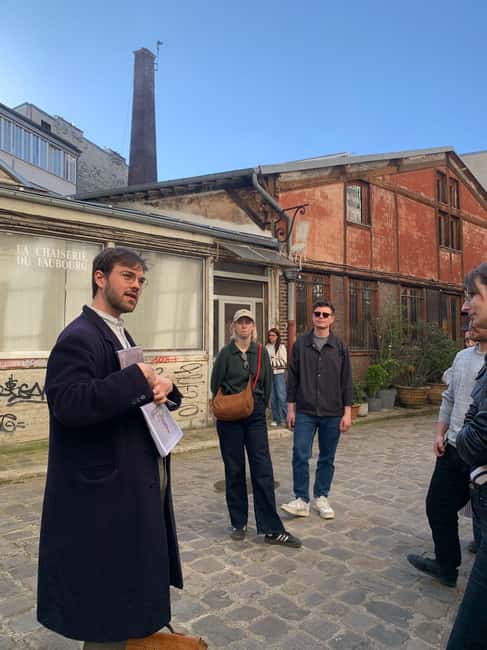
Another highlight is La Folie Titon. Even if you’ve never heard the name, the tour approach helps you understand why a place like this can matter. You won’t just read about the landmark and move on. You’ll connect it to the broader setting of the time.
The payoff is that you start noticing how Paris can hide history in plain sight. A site like this works as a “bookmark” in the narrative, so when the guide moves forward to the next step of July 14, your brain already has a place to put the story.
There’s also value in learning this kind of detail before you visit the big sights. It changes the way you interpret what you see later, especially around Bastille.
Le passage de Lhomme, A Secret Stop With Real Story Weight
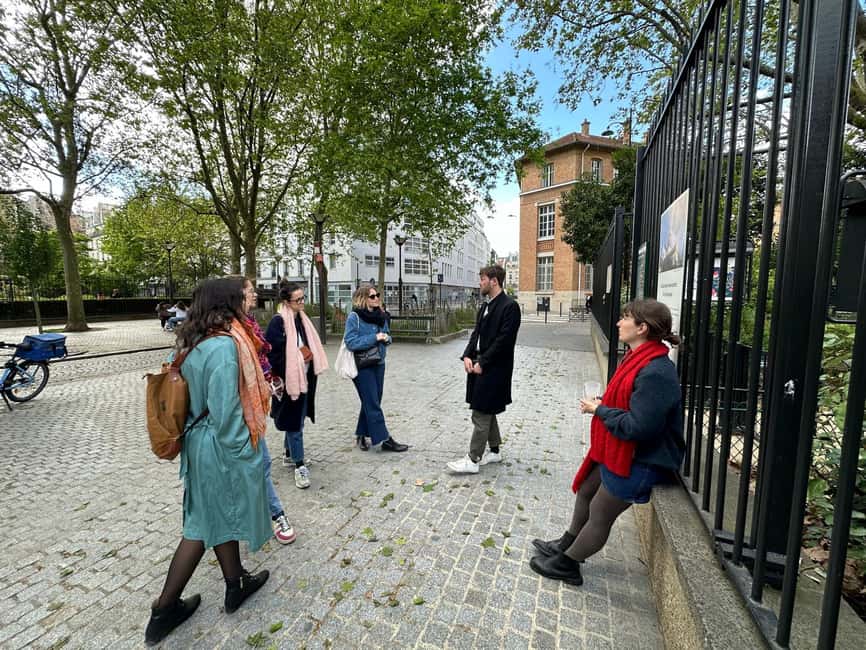
Le passage de Lhomme is one of those spots that feels private and off the main route. That’s the point. It’s the kind of place you would normally walk past without a clue, even if you were looking at Paris all day.
The guide uses this kind of location to show how the Revolution played out through the city’s smaller spaces, not only the grand public squares. It’s a good reminder that big events depend on networks of everyday people and movement through the city.
If you like quiet corners and architectural details, this stop will feel especially satisfying. If you prefer only open-air locations, just know that some parts of the route are more “inside the story” than “outside in the view.”
A Photo Stop With a View, Then Straight to the Bastille
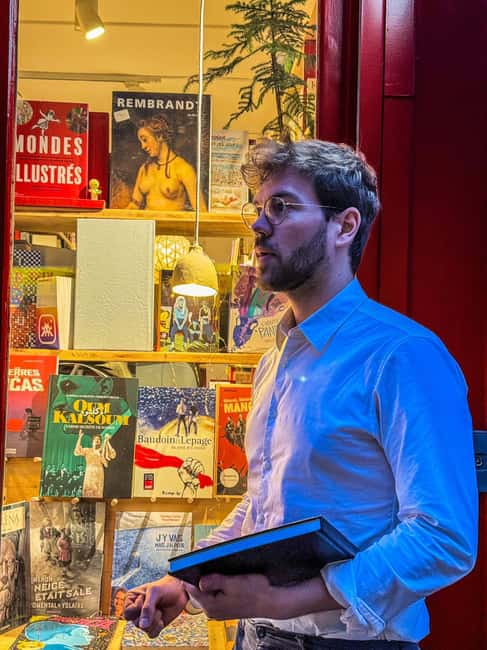
The itinerary includes a viewpoint photo stop before you finish. That pause matters because it lets you step back, take a picture, and re-orient your mental map of the route.
After that, you end at Place de la Bastille. That’s where the story lands with maximum impact. The guide ties the walking route back to the events, so the square doesn’t feel like just another monument stop.
The emotional effect is real, but it’s also practical. Finishing at Bastille gives you a clear end point for the day, and it’s a natural place to continue your own exploration on foot or by transit.
The Big Value: Context for Why July 14 Happened
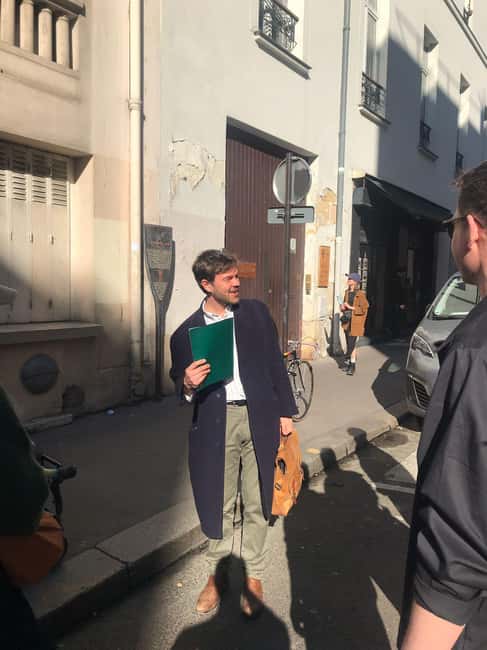
A lot of Revolution tours focus on dramatic moments and skip the buildup. This one emphasizes what led people to act, including the social conditions in the areas where tension was ready to snap.
That approach is useful even if you only know a few facts. You’ll leave with a better sense of how the Revolution was not only a political idea, it was a lived pressure that built in streets and homes.
Several guests also mention that the guide shows the “street level” view of the story. In other words, the Revolution becomes something you can picture and locate in the city rather than something locked behind dates.
Price, Time, and Group Size: A Practical Choice
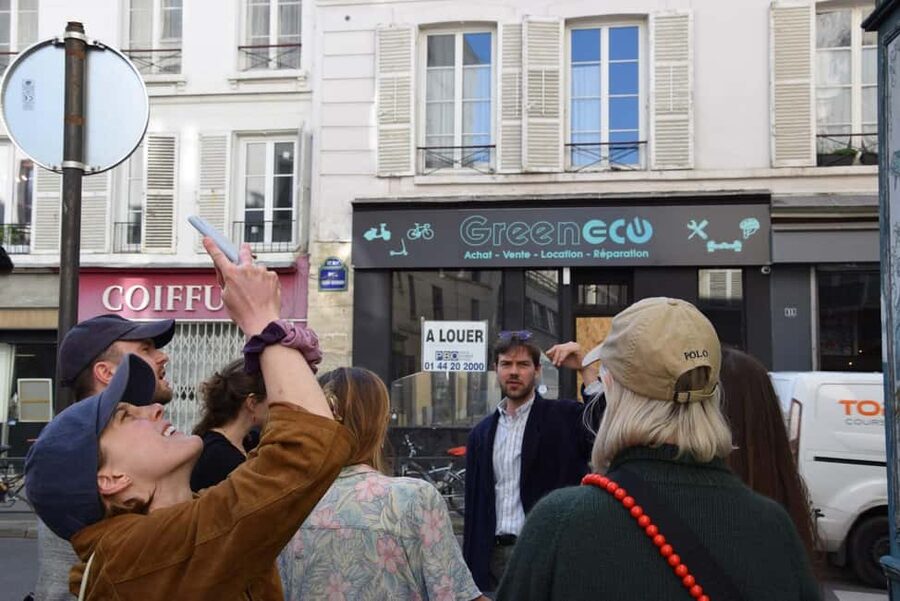
The price is $37 per person for about 90 minutes. Given the small group size (listed as maximum 12 to 15 and often capped around 10 participants), you’re paying for time with a guide rather than just renting a headset and following a crowd.
This is a value-friendly option because:
- You get a focused story for your Paris day.
- The small group format helps you engage, which makes the time feel efficient.
- There are no additional fees added on top during the tour.
If you’re comparing costs to self-guided sightseeing, the math is simple. You’re buying interpretation. And here, interpretation is the whole product.
Languages Offered, and How That Affects Your Enjoyment
Tours are offered in English, French, and German, with a live guide. That means you can likely find a match for your comfort level without sacrificing the quality of the narrative.
Language matters because the guide’s style relies on story flow and explanation, not just facts. If you’re the type who likes to follow closely, the option to tour in your language is a real plus.
Who This Tour Suits Best (and Who Might Want a Different One)
This tour is a great fit if you:
- Enjoy walking tours that explain why places mattered.
- Want the Revolution anchored in neighborhoods, not only big landmarks.
- Like guides who answer questions and keep the group involved.
It may be less ideal if you:
- Want a survey of the entire French Revolution across multiple years.
- Are specifically hoping for the late-1789 and post-1789 phases like the Reign of Terror and Napoleon details.
The way the story is structured keeps the focus on 1789 and the lead-up, which is exactly what many people want. Just check that it lines up with your history goals.
Should You Book ParisVu’s French Revolution Walk?
If you’re going to pick one Revolution-flavored walk that makes July 14 feel real, I think this is a strong choice. The best part is the combination of small group size, guided storytelling, and neighborhood detail, plus the finish at Place de la Bastille so you end with the payoff.
Book it especially if you’ll be spending most of your trip bouncing between famous sights. This tour gives you a different angle on Paris and a clearer sense of what set the Revolution in motion.
If you’re the type who already reads everything about the Revolution and wants the entire timeline in one go, you may find it too concentrated. In that case, pair it with a separate tour that covers the later chapters.
FAQ
Where does the tour start and end?
The meeting point is between Café les Blouses Blanches and Mon Café. The tour starts near Pl. du Dr Antoine Béclère and finishes at 28 Pl. de la Bastille.
How long is the French Revolution tour?
The tour lasts about 90 minutes, which is also described as approximately an hour and a half.
How many people are in the group?
The group is kept small, limited to a maximum of about 10 participants, and is also described as maximum 12 to 15 people to maintain an interactive experience.
What languages are available?
The live guide offers tours in English, French, and German.
What is included in the price?
The tour includes the guided walk, and there are no additional fees mentioned.
Can I cancel for a refund?
Yes. Free cancellation is available up to 24 hours in advance for a full refund.
Recently added around Paris
- Paris: Louvre Museum Timed Entry Ticket & Pop Culture Tour★ 4.6 · 26 reviews
- Paris: Louvre Must-See Tour with Reserved Entry Ticket★ 4.9 · 164 reviews
- Paris: Louvre photoshoot or Seine bridges Eiffel Tower walk★ 5.0 · 49 reviews
- Louvre & Mona Lisa Morning Tour with Reserved Access★ 4.0 · 15 reviews
- Paris: Louvre Museum Skip-the-Line Tickets for Monalisa★ 3.0 · 42 reviews
- Paris: Louvre Museum Ticket with Optional Hosted★ 3.1 · 89 reviews
- Paris: Louvre Museum and Orsay Museum Guided Tour★ 5.0 · 6 reviews
- Paris: Louvre Museum Mona Lisa First Viewing Semi-Private★ 4.2 · 21 reviews
Tours, compared.
Louvre Guided Tour with Reserved Access & Boat Cruise
Read our review →
Big Bus Hop-On Hop-Off Tour with Optional Cruise
Read our review →
Louvre Museum Masterpieces Guided Tour with Access
Read our review →
Skip-the-Line Tour of Palace with Gardens Access
Read our review →
Mona Lisa & Louvre Masterpieces Tour with Reserved Access
Read our review →
Paris Big Bus Hop-On Hop-Off Tour with Optional River Cruise
Read our review →
Louvre Museum – Exclusive Guided Tour (Entry Included)
Read our review →