
Reviewed · MUSEUMS
Rodin Museum Guided Tour
Rodin can feel bigger than life in photos, but what makes this tour special is how the works behave once you stand close. With an expert art historian and a small group, you get the stories and the craft details that usually pass you by. I really liked the way the guide helped me read Rodin’s ideas in plain language, and I also appreciated the small-group pace, no rushing, no herd.
I’ve seen different guides at this museum, and the best ones make you feel like you’re getting the inside scoop. Marcel’s tour style is the kind that makes you feel you’re looking over Rodin’s shoulder, and Sunday stood out for being welcoming and steering the visit toward what the group wanted to see. Still, one consideration: this is a moderate walking experience, and the semi-private format is not listed for walking disabilities or wheelchair users.
If you want Rodin to make sense fast, and you like museum time spent with focus instead of wandering, this is a smart way to do it.
Key highlights to look for

- Skip-the-line entry so you spend your time looking, not waiting.
- Small groups (max 8 guests per guide) for calmer pacing and real Q and A.
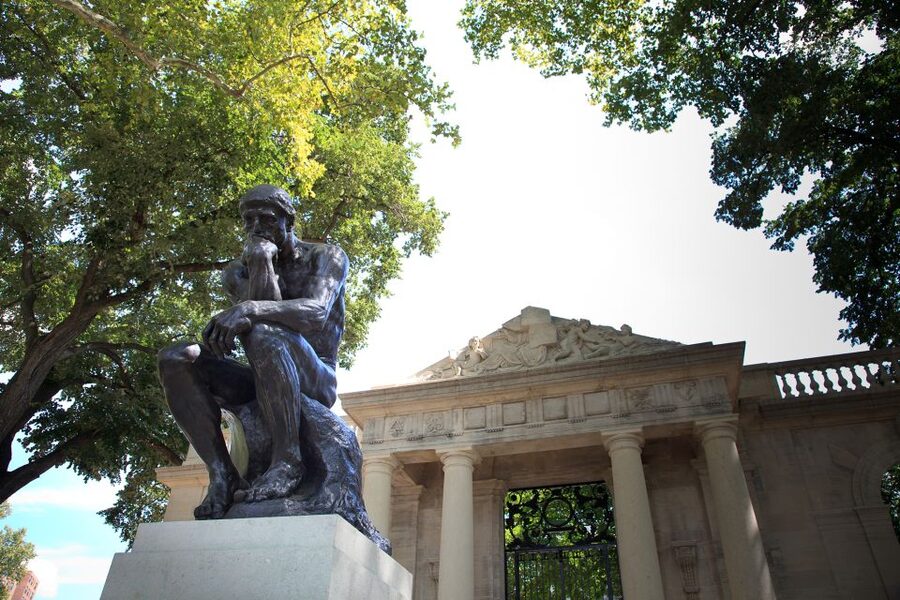
- Inside masterpieces like The Gates of Hell and The Thinker explained clearly.
- Close-up studies of the human form, including hands and the life-sized The Walking Man.
- Rodin’s clay portraits of contemporaries, with Balzac as a standout example.
- Garden of Sculptures for an outdoor follow-through after the museum rooms.
Why a guided Rodin Museum visit works (and why small groups matter)
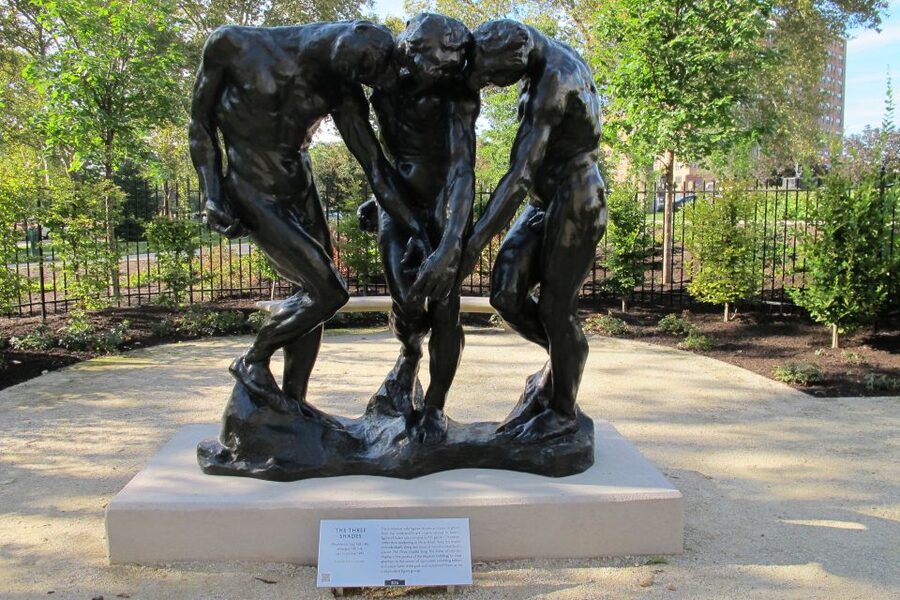
Rodin has this reputation as a giant of modern sculpture, but the museum experience can get messy if you go solo. You’re surrounded by works, sketches, casts, and studies, and it’s easy to admire everything without knowing what to notice first.
That’s where a guide earns their ticket. You’re not just handed dates. You’re taught how Rodin thought. You also get a plan for your feet and your attention. The tour is 2 hours, which sounds short until you realize the museum’s layout can easily swallow half a day if you drift.
The small-group cap, max 8 guests per guide, matters more than you’d think. It keeps the energy human. You can ask questions, you can lean in during explanations, and you don’t feel like you’re trying to read a label through a crowd. If you get a guide like Marcel, the tour feels like it has momentum, because the stories connect one work to the next. If you get someone like Sunday, you’ll feel looked after and able to shape what you see, as long as it fits the flow of the museum.
One more practical point: there are places inside the museum where you may need to keep quiet, or where speaking is restricted. So expect a more thoughtful kind of visit, not a chatty walk-through.
More museum tickets in Paris:
- Paris: Louvre Museum Timed-Entrance Ticket
★ 4.6 · 71,977 reviews - Louvre Museum Masterpieces Guided Tour with Access
★ 4.5 · 12,023 reviews - Paris: Louvre Museum Entry Ticket With Host and River Cruise
★ 4.6 · 9,926 reviews
Entering the museum with skip-the-line momentum
You start in a meeting point that can vary by option, and the tour ends back there. Then you head into the museum with skip-the-line access included. This is a real quality-of-life feature in Paris museums. It doesn’t make the art appear faster, but it saves your energy for when the works finally show up.
The tour is also set up as a walking tour. That matters, because the museum isn’t one of those places where you can sit and get it all at once. You’ll move room to room, and the guide will point out what to look at in each section.
Bring your passport or ID card. Also, plan to travel light. Luggage or large bags are not allowed, so don’t show up with a full suitcase life. I recommend a small day bag you can manage comfortably.
Inside Rodin: more than sculptures, more than one “style”

A big part of why this tour is worth doing is that it covers Rodin beyond the famous bronze hits. Inside, you’ll see rooms with sculptures plus selections of more than 200 paintings that Rodin accumulated over his life. That detail alone changes how you understand him. You start to see that Rodin wasn’t only thinking in three dimensions. He was observing, studying, and collecting visual evidence his entire life.
Here’s what I’d encourage you to do during this part: let your guide set the “spotting rules.” Instead of scanning for the next famous piece, you’ll learn what to notice in Rodin’s studies of the human form.
The human form studies you should not miss
You’ll spend time on Rodin’s repeated experiments with bodies, including numerous studies of hands. Hands sound small until you see how expressive they can be in Rodin’s hands-on approach to emotion and gesture.
You’ll also encounter The Walking Man, life-sized. If you’ve ever thought Rodin was only about heavy dramatic statues, this is where your view shifts. Walking becomes a study of balance, tension, and in-between movement. It’s not just a figure, it’s a problem Rodin kept working out.
This section of the tour is the best antidote to museum overwhelm. It gives you a theme you can carry from room to room.
A few more Paris options to weigh up
- Paris: Louvre Guided Tour with Reserved Access & Boat Cruise
★ 4.3 · 16,353 reviews - Louvre Museum – Exclusive Guided Tour (Entry Included)
★ 5.0 · 6,296 reviews - Versailles: Skip-the-Line Guided Palace Tour and Full Access
★ 4.6 · 5,214 reviews - Louvre Priority Access with Mona Lisa Escort or Guided Option
★ 4.0 · 4,420 reviews
The masterpieces: The Gates of Hell and The Thinker, explained the way you actually need
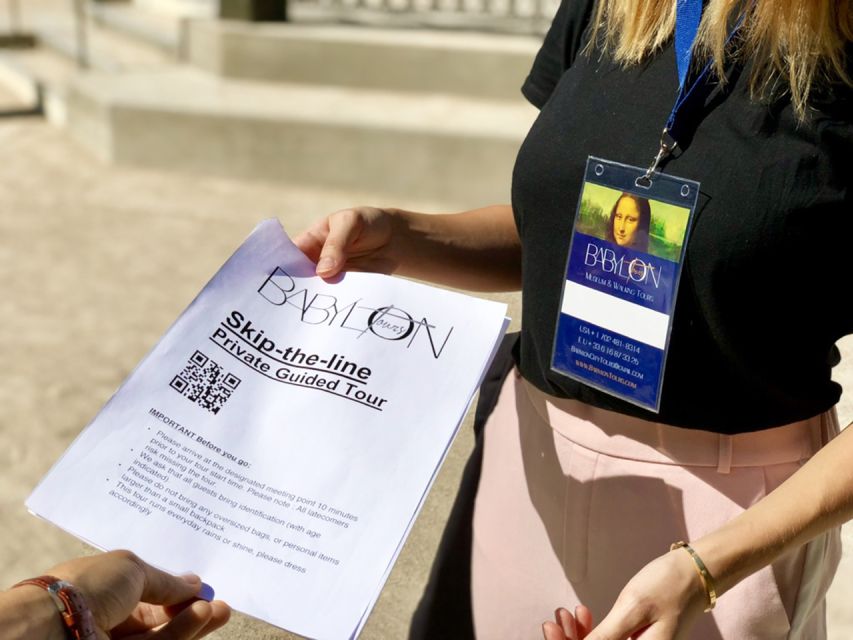
After you get the background, the tour turns toward the works most people come for, and that’s where the guide’s job gets most valuable.
The Gates of Hell is one of those works that can feel like a jumble until someone tells you what to look for. You’ll learn details about the masterpiece and what makes it so recognizable. Then, you’ll connect it to The Thinker, the best-known of Rodin’s creations.
The value here isn’t only that you hear what the pieces are called. It’s that you learn how the ideas are built. The guide helps you understand how Rodin used figures, expressions, and composition to create meaning. You start seeing relationships between parts of the work instead of looking at each figure like a random photo.
If you care about modern art, this is also where you get context. Rodin wasn’t just making art for his own time. The guide explains the role he played in the 20th century art world, including how he became a kind of father of modern sculpture, even if not always in the way people assumed while he was working.
Rodin’s contemporaries in clay: the Balzac angle
One of the most interesting things in this tour is how it treats Rodin’s friendships and subjects. Rodin depicted contemporaries in clay, and you’ll see that approach highlighted through examples like the French writer Balzac.
This matters because clay is a different kind of medium experience. It’s flexible, immediate, and built for revisions. When you understand that, the sculptures and studies stop feeling like isolated finished products. You start to see a process: observe, shape, refine, and return.
If you like stories of artists working alongside writers, thinkers, and cultural figures, this section will feel especially satisfying. It turns Rodin from a name into a working presence in a social and artistic moment.
The Garden of Sculptures: what to look for after the museum rooms
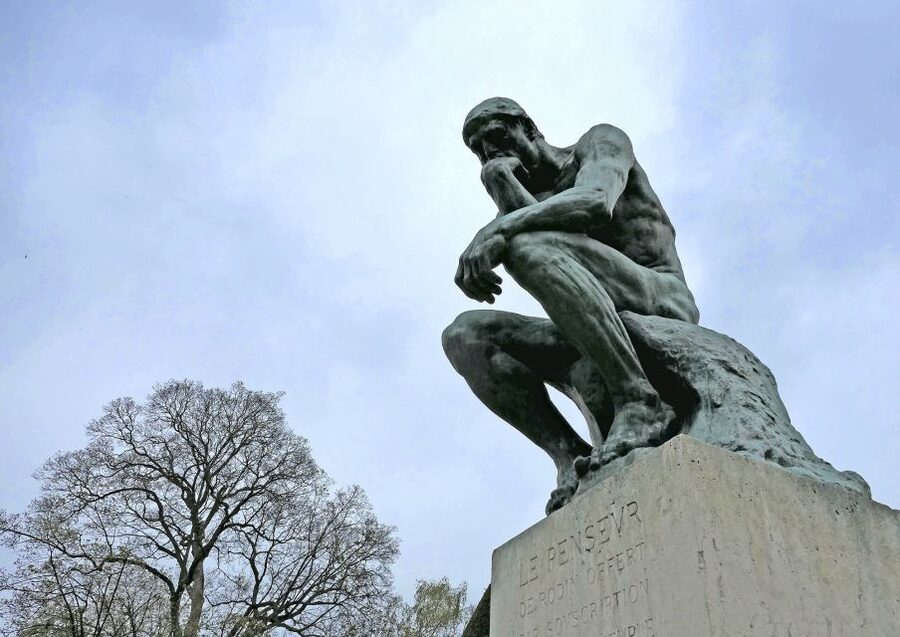
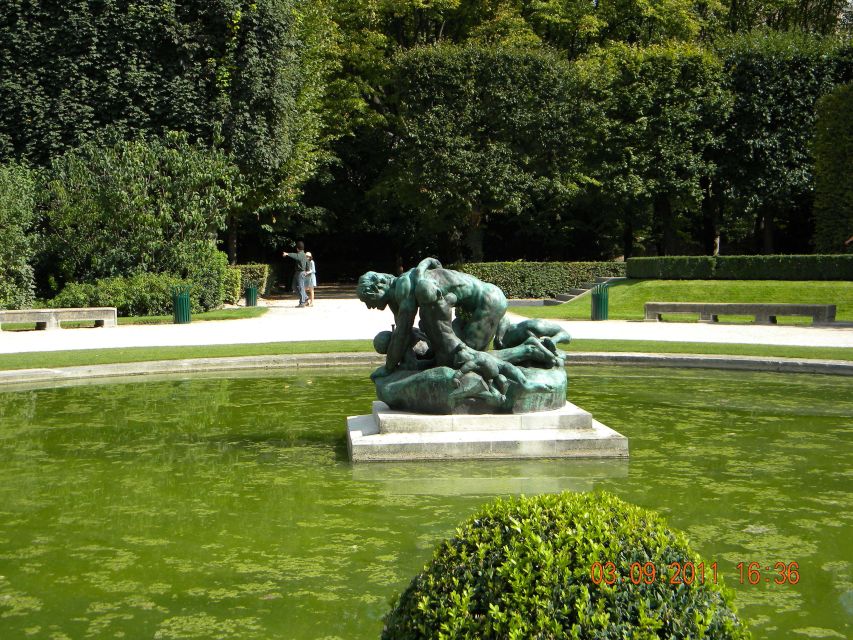
Once you’ve explored the inside galleries, you can stroll the beautifully manicured gardens where more sculptures are on display.
This part is not just a break. It’s a second chapter. Rodin’s work often feels like it belongs outdoors, where the light can move across forms and shadows can do some of the storytelling for you.
Use the time to do two things:
- Compare how works look in daylight versus indoor lighting.
- Watch how the same themes you saw inside, like gesture and human form, show up in the open air.
If you want the garden to land better, don’t treat it like a scenic walk. Treat it like a follow-up lesson. Let the guide point out specific pieces before you wander too far.
Languages and guide styles: what you should expect
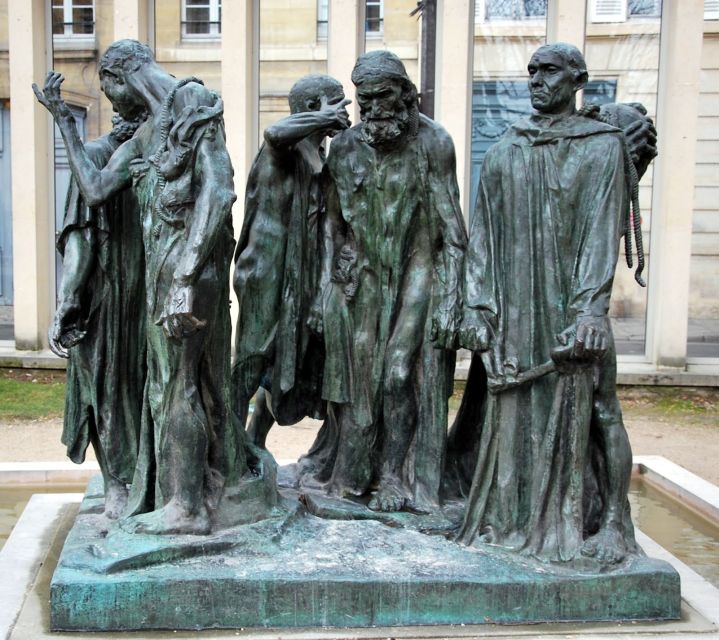
The live guide is available in Spanish, German, Italian, French, Russian, and English. So you should be able to find a tour language that actually feels comfortable, which makes the whole experience easier. Art history is easier when you’re not translating on the fly.
Also, the guides can influence how you experience the same rooms. I saw one guide, Marcel, described as brilliant, with that feeling of getting the story behind each work. Another guide, Sunday, came across as warm and highly informed, and she made sure the visit fit what the group wanted to see.
So if you have specific priorities, this is where you should speak up politely at the start. The tour is guided and structured, but small group tours are often flexible enough to help you focus.
Price and time: is $128 for 2 hours good value?
This tour costs $128 per person for a 2-hour experience. That price can feel steep if you’re thinking only in terms of time. But museums like this are not only about the collection. You’re paying for expert interpretation, skip-the-line entry, and a small-group structure capped at 8 guests per guide.
Also, you’re not just seeing sculptures. You’re getting an organized route through major works like The Gates of Hell and The Thinker, plus studies of hands and the life-sized The Walking Man, plus the broader context of more than 200 paintings Rodin accumulated. That’s a lot to compress into two hours without losing your bearings.
If you’re the type who likes museums but hates wandering aimlessly, the guide reduces wasted time. If you go without one, you might still admire the works. But you’ll spend more time trying to figure out what to notice first.
What’s included, and what you’ll need to plan yourself
Included in the tour:
- Entrance fees and skip-the-line access
- A professional art historian guide
- Private or small group tour options
- Walking tour
- Wheelchair tours available only on request
Not included:
- Hotel pick-up and drop off
- Food and drinks
- Temporary or special exhibitions
Those exclusions matter. The museum may change what’s on view at any moment, and special exhibitions are not part of this specific tour. So if you’re traveling for one specific temporary show, you might need a separate plan.
For your own part, plan to eat before or after. There’s no food included, and the tour is only 2 hours anyway, so you don’t want to hangry-scroll your way through Rodin.
Practical tips that make the tour smoother
Here’s how to set yourself up for an easy, high-quality visit.
- Wear shoes you can walk in for a moderate amount of time. This isn’t a sit-down museum tour.
- Bring a passport or ID card.
- Skip the large bags. Luggage and large bags are not allowed.
- Expect some quiet or restricted speaking rules in specific rooms, so keep your voice in check.
- Have a flexible mindset about closures. The museum may have occasional closures without warning. If opening is delayed more than 1 hour from the tour starting time, you’ll be offered an appropriate alternative, but refunds or discounts are not provided in those cases.
- If you want wheelchair-related options, confirm in advance. The tour info notes wheelchair tours are available only on request, but it also states it is not suitable for wheelchair users, and the semi-private format is not available for those with walking disabilities or wheelchair users. That means you should check what is actually possible for your exact needs.
Group size is capped at 8, and semi-private tours have a minimum number of participants. If the minimum isn’t met for a semi-private date, an alternative date or a full refund may be offered. Pay attention to which format you’re booking so you know what you’re signing up for.
Who should book this Rodin Museum guided tour
Book it if you:
- Want a guided route focused on The Gates of Hell and The Thinker
- Like human-form studies, hands, and the process behind the finished masterpieces
- Prefer small groups and clear explanations over wandering alone
- Plan a short museum stop and want the highlights plus context in 2 hours
You might skip it if you:
- Don’t want a moderate walking experience
- Need a wheelchair-friendly plan. Wheelchair tours may be possible only on request, but the semi-private option is not listed for wheelchair users or walking disabilities, so you need careful confirmation.
Should you book this Rodin Museum Guided Tour?
I think this one is a solid choice for most people who want Rodin to click. You get skip-the-line entry, an art historian guide, and a focused route that hits the big names while also showing what Rodin studied and how he worked. The small-group cap is a real quality upgrade, not just a marketing line.
I’d book it if you’re spending limited time in Paris museums and you want your visit to feel organized and personal. If you’re relying on special mobility needs, or you’re traveling with bulky bags, double-check your options first. Then go in with a light bag, good shoes, and curiosity about hands, bodies, and the meaning packed into those famous forms.
If you want flexibility, this tour offers a reserve now, pay later option and free cancellation up to 24 hours in advance.
FAQ
How long is the Rodin Museum guided tour?
The tour duration is 2 hours. Starting times depend on availability.
Does the tour include skip-the-line access?
Yes. Entrance fees and skip-the-line access are included.
How many people are in the group?
The tour is limited to a maximum of 8 guests per guide for a more intimate experience. Private and small group options are available.
What languages are offered?
The live guide is available in Spanish, German, Italian, French, Russian, and English.
Is the tour wheelchair accessible?
Wheelchair tours are available only on request. The tour is also listed as not suitable for wheelchair users, and the semi-private tour is not available for people with walking disabilities or wheelchair users. Confirm your specific needs in advance.
Are temporary or special exhibitions included?
No. Temporary or special exhibitions are not included.
What should I bring to the tour?
Bring your passport or ID card.
What should I do about bags or luggage?
Luggage or large bags are not allowed.
Recently added around Paris
- A 3 Days Tour of Belgium and Netherlands from Paris★ 5.0 · 4 reviews
- 3 Days Trip to Normandy, Loire and Mont Saint Michel from Paris★ 4.5 · 86 reviews
- Premium private tour of Paris in an Electric TukTuk (4 hours)★ 5.0 · 45 reviews
- Eiffel Tower Second or Summit Floor Access by Elevator with Views★ 3.5 · 161 reviews
- Paris City Tour 3h00 Citroën DS Vintage with Open Roof★ 5.0 · 4 reviews
- Louvre Private Tour – The Essentials and More with Expert Guide★ 5.0 · 227 reviews
- 2H Discovery Tour of Paris in 2CV CITROEN★ 5.0 · 19 reviews
- 2CV tour by night★ 5.0 · 55 reviews
Museums, compared.


Louvre Museum Masterpieces Guided Tour with Access
Read our review →
Louvre Museum Entry Ticket With Host and River Cruise
Read our review →
Les Invalides: Napoleon’s Tomb & Army Museum Entry
Read our review →
Louvre Museum – Exclusive Guided Tour (Entry Included)
Read our review →
Louvre Museum Hosted Entry and Mona Lisa Audioguide
Read our review →
Louvre Museum Tour Mona Lisa & Iconic Masterpieces
Read our review →
Browse the lists this tour appears in