
Reviewed · 2CV & VINTAGE CAR TOURS
Paris: Side-Car Tour of Paris’s most Beautiful Monuments
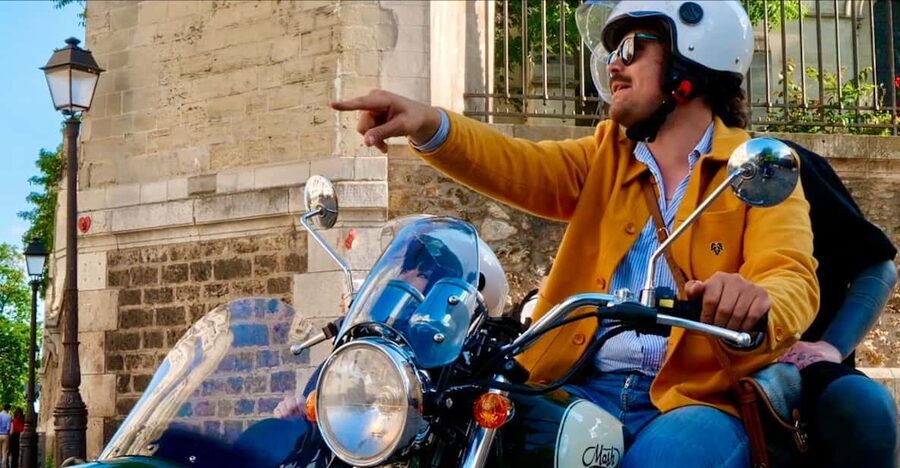
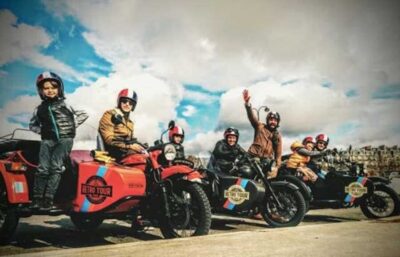
A sidecar tour of Paris is interesting because it changes the way you see the city. You glide through famous streets in an open-air, old-school ride, then stop for photos at the big landmarks that normally need multiple metro trips.
I especially like the vintage sidecar feel and the practical hotel pickup. You also get a proper guide plus a professional driver, so you are not just riding, you are getting context while you shoot pictures.
One possible drawback is timing. Paris traffic is real, and a short tour can feel like it is mostly drive-by viewing if you hit heavy congestion or if you already know the sights well.
Key points to know before you ride
- Vintage sidecars, open-air style for an up-close feel on the street
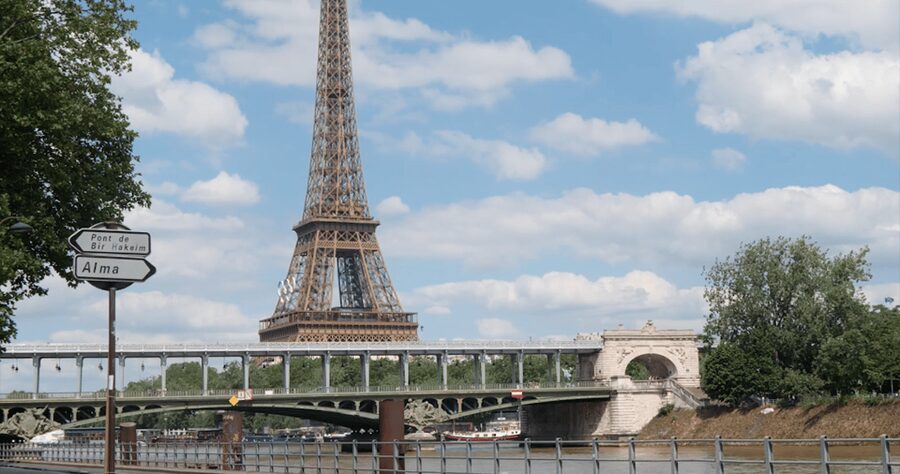
- Top monuments in one go including Eiffel Tower area, Arc de Triomphe, Champs-Élysées, Invalides, and Louvre
- One in the sidecar, one behind the driver so it stays a true two-person experience
- Photo stops built into the route so you can actually get your shots
- Helmet and gloves included for a safer, more comfortable ride
- Raphael gets singled out for storytelling, smart photo spots, and Notre Dame area facts
Why this Paris sidecar tour feels different from the usual bus trip
Paris is easy to over-plan. You stack museums, you chase viewpoints, and somehow you still end up exhausted. This sidecar idea cuts that problem down. You spend your time moving through the most iconic parts of town with quick orientation along the way.
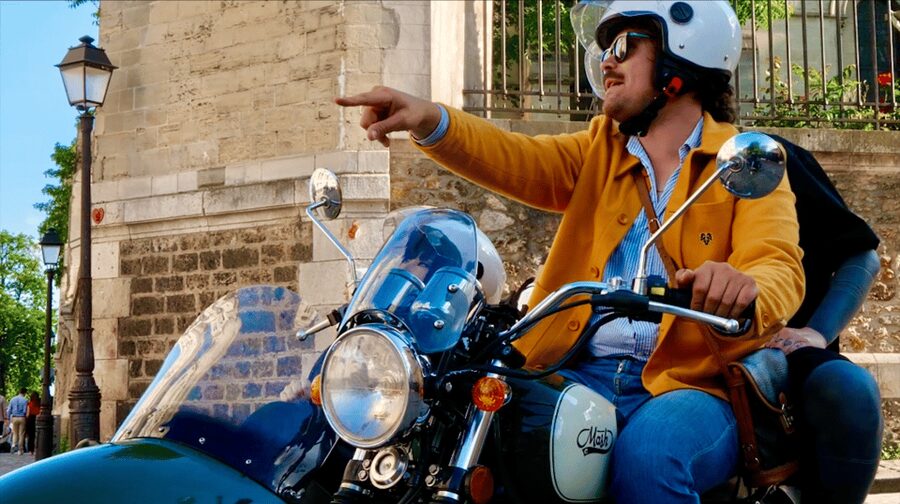
The open-air vintage sidecar matters more than you might think. In a car, you get a window and a muffled view. Here, you get real street atmosphere: the pace, the sounds, and the way the city looks at road level. It is a fun way to get your bearings fast, especially if it is your first visit.
The other thing I like is that this is not trying to do everything. The tour is short, private, and focused on a handful of high-impact stops. You are paying for speed, convenience, and a different transport experience, not for a long walking day.
More vintage 2CV and sidecar rides:
- Paris: Discover Paris by Night in a Vintage Car with a Local
★ 4.6 · 1,058 reviews - Paris Private Flexible Duration Guided Tour on a Vintage Sidecar
★ 5.0 · 776 reviews - Vintage 2CV Adventure: 2 -Hour Paris Secrets Tour
★ 4.5 · 488 reviews
The 1 hour to 1.5 hours route: Eiffel Tower to the Louvre
The tour is described as a 1-hour experience, and it is also promoted as covering Paris highlights in about 1 hour and 30 minutes. In practice, the difference usually comes down to traffic and how long the driver can safely pause for photo moments. That is worth keeping in mind if you are on a tight schedule.
Here is what you can expect to cover, in the general order the route is built around:
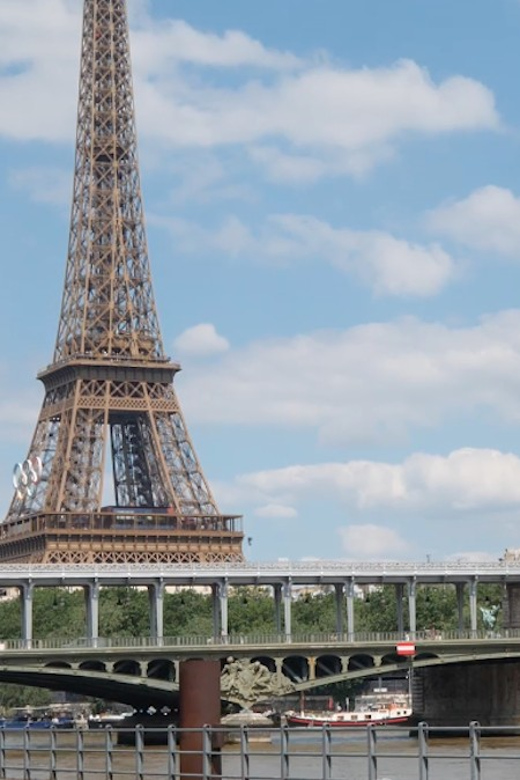
Eiffel Tower area
You start with one of the easiest landmarks to recognize, which is perfect for setting the tone. Even if you do not step out, being close to the Eiffel Tower gives you a strong visual anchor. It helps you connect the rest of the route to where things actually sit in Paris.
If you care about pictures, this is one of the moments to prep your camera settings ahead of time. You will want shots that show both the tower and the surrounding streets, not only the tower by itself.
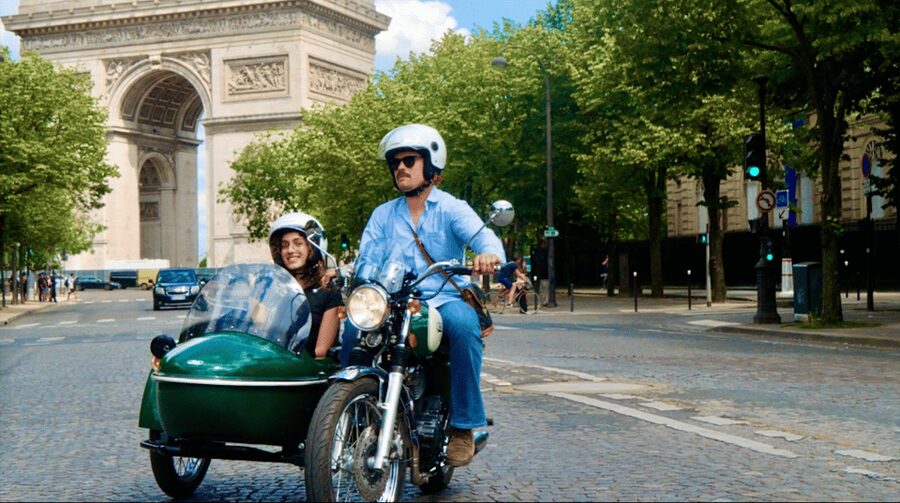
Arc de Triomphe
Next comes another major “you cannot miss it” moment. The Arc is all about scale and geometry. Seeing it from the road gives you a sense of how the surrounding avenues pull your eye outward.
This stop can be especially useful if you are trying to understand Paris layout. You start to feel the city’s major axes instead of treating everything as isolated attractions.
Still in Paris, but a different sort of outing:
- Paris: Louvre Museum Timed-Entrance Ticket
★ 4.6 · 71,977 reviews - Disneyland® Paris 1-Day Ticket
★ 4.6 · 49,412 reviews - Paris: Versailles Palace and Gardens Full Access Ticket
★ 4.6 · 41,579 reviews - Paris: Evening River Cruise with Music
★ 4.4 · 22,721 reviews
Champs-Élysées
Then you hit Champs-Élysées, the big-name boulevard. You get the classic Paris promenade vibe without needing to walk the whole length. It is a good stretch for photos because there is so much signage, architecture, and activity.
Keep your expectations realistic. This is a short tour, so you will not experience the boulevard like a full stroll. You are sampling it from the sidecar, not wandering for hours.
Invalides
Invalides brings the mood down a notch in the best way. It is a major landmark with a formal, monumental feel. This is the kind of place you appreciate more when someone explains what you are seeing while you are passing through.
If you are the kind of person who likes facts, this is where the guide’s commentary adds value. You might also notice details you would otherwise miss at street speed.
Louvre area
Finally, you end up at the Louvre zone. You are not doing a museum visit here. You are seeing the Louvre as a landmark, which is ideal for getting a first impression of the area and the famous surrounding streets.
The best use of the Louvre moment is to place it in your mental map. Once you know where it sits relative to the rest of what you want to do, your next day planning gets easier.
What makes the photo stops actually work
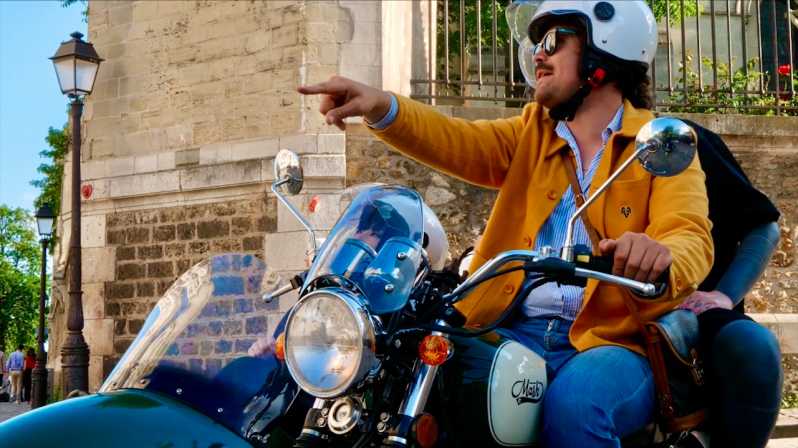
Photo stops are the difference between a good highlight tour and a frustrating drive-by. The tour is designed around picture moments at recognizable monuments, so you can step into the right spot for a quick snapshot.
What I like in particular is that the guide typically helps with photo placement. In real-world experiences, guides like Raphael are praised for steering people toward the best angles and photo spots, so you are not just hoping your timing is right.
A practical tip: bring a small plan for what you want. If you want tower-and-street shots, angle your camera a little wider. If you want clean monument portraits, get ready early and keep your settings stable. Paris light can shift quickly, so moving between monuments is smoother if you are already set.
Open-air sidecar comfort, safety gear, and motion tips
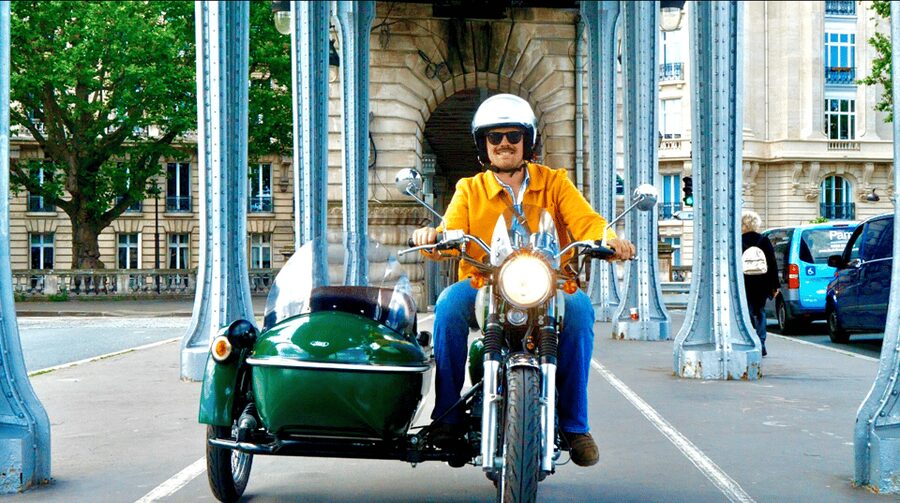
This is an open-air ride, and that is part of the charm. It is also why you should dress like you are riding a motorcycle, not just sitting in a sightseeing car.
The tour includes a helmet and gloves for each passenger. That does two things: it adds comfort and it takes the edge off the wind. Still, helmets can change how you hear, so you will rely more on the guide’s voice than on street sound.
One more thing from the real comfort perspective: motion sensitivity. The sidecar ride can feel different from a normal car ride because the vehicle is designed for balance and movement. If you are traveling with someone who gets uneasy on rides, I would treat the sidecar style as a possible factor, not an afterthought.
If you want the smoothest experience, choose clothing you can move in, wear shoes with grip, and keep your items secure. With an open-air setup, anything loose will feel like it is trying to leave.
The people factor: professional driving and storytelling by name
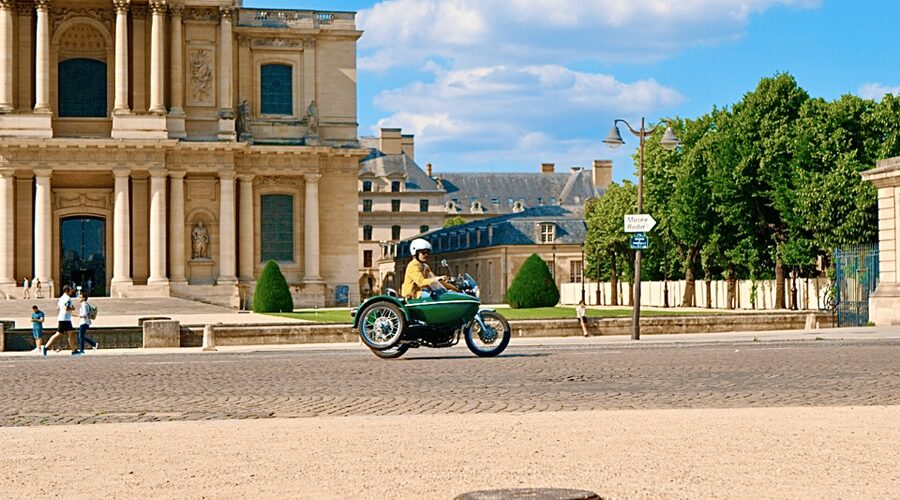
A sidecar tour succeeds or fails on two human skills: smooth control and good storytelling. This experience is built with a professional driver plus a local guide, which helps keep things both safe and interesting.
In multiple experiences, Raphael stands out as a guide people remember. He is noted for sharing facts as you move, and for being especially strong around the Notre Dame area, even when Notre Dame is not listed as a formal stop. That kind of context is exactly what makes a short ride feel like more than scenery.
Also, there is a social side to this tour. The ride draws attention in a friendly way, and it can prompt smiles and waves from people on the street. That is not something you should rely on, but it is often part of the fun of riding something unusual through central Paris.
Who this is best for, and who may want a different style
This tour fits best when you want the big highlights fast, with minimal planning stress.
You will like it if:
- You want iconic monuments in one outing without a long day
- You enjoy photos and like getting guidance on where to stand
- You want a private experience with two riders and a guide present
- You are a first-time visitor who wants quick orientation
You might want to skip or rethink it if:
- You are already very familiar with central Paris and mostly want museum-level depth
- You dislike rides that can feel like they are mostly drive-by viewing if traffic slows things down
- You are very sensitive to motion or wind
One review note that lines up with the practical reality: if it is not your first visit, the quick format can feel like you are just checking boxes from the road. First-time visitors usually get more value because each stop helps build the map for later days.
Price and value for two: is $283 per group fair?
The price is listed as $283 per group up to 2, and that is the key detail. You are not paying per person for a private ride. You are paying for the group experience, including hotel pickup, a professional driver, and a guide, plus the helmet and gloves.
So the value question becomes: are you buying convenience and a unique transport experience, or are you buying deep sightseeing time?
If you would otherwise spend time coordinating metro transfers, walking between far-apart sights, and paying for multiple separate experiences, then this can feel like a good shortcut. You also save energy. A sidecar day can be more enjoyable than doing it all on foot, especially if you arrive in Paris tired or with limited hours.
That said, because the tour is short, it is not meant to replace a day of museum tickets or in-depth neighborhood exploring. If you want hours of walking and deep stops, you will likely feel this is too fast. If you want a high-impact “Paris from the street” sampler, the price starts to look more reasonable.
Timing matters: traffic can change the feel of the whole hour
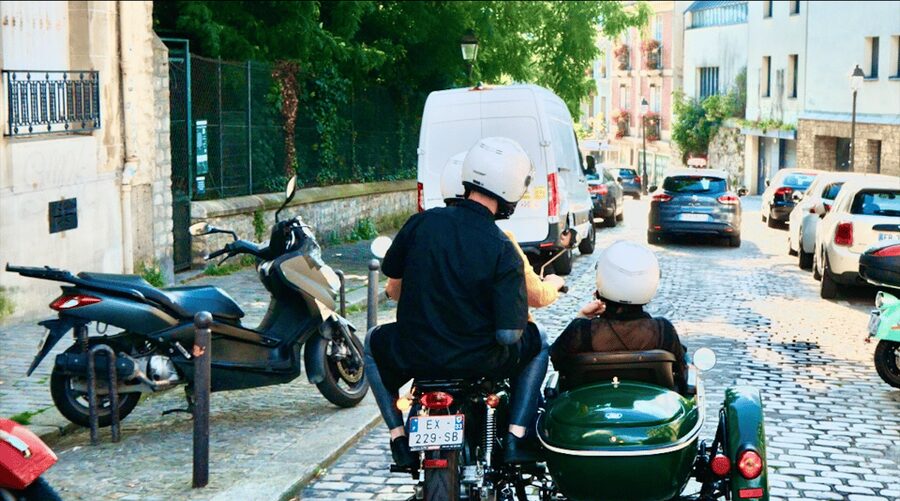
Short tours live and die by timing. The schedule matters because Paris traffic can slow things down, especially in the early evening. When that happens, your “hour” can start to feel like a lot of time spent in transit.
My advice is simple: if your trip plan is strict, pick a time window with less crowding and fewer peak commute pressures. If you have flexibility, you can treat the tour like a relaxed ride where pauses are part of the charm, not a failure.
Also plan your next activity with buffer time. You will not want to race from the monument areas to something time-sensitive right afterward.
What to wear and bring for the best ride
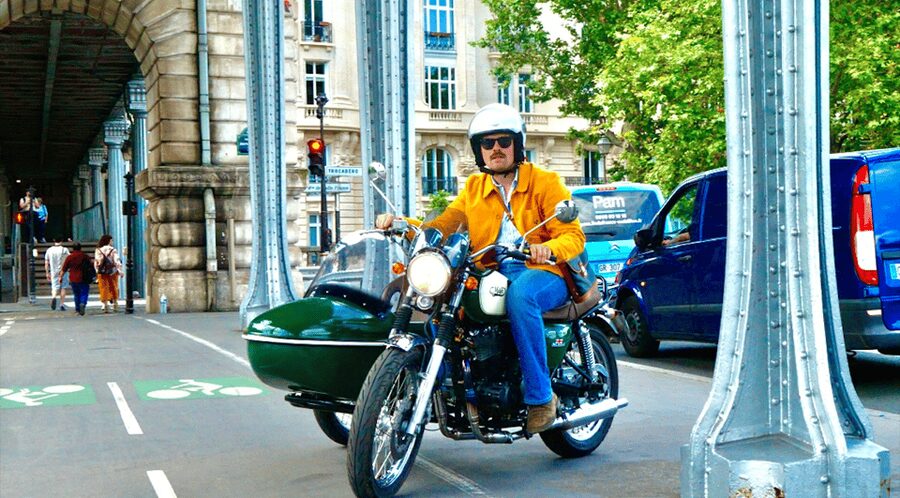
Because this is an open-air sidecar experience, small choices make a big difference.
Bring:
- A camera or phone with a strap (secure is better than fussy)
- A light layer, even in pleasant weather, since wind can cool you fast
- Sunglasses if you get glare, especially on bright boulevard stretches
Wear:
- Gloves-friendly clothing and sleeves that can handle wind
- Shoes with good grip, since you will likely step out briefly for photo moments
- Nothing loose that you worry will fly
Also, if you have a must-have shot, tell the guide when you meet them. The best guides can help you aim for angles and positioning, and that is especially useful on a route packed with famous structures.
Should you book the sidecar tour? My honest take
I would book this if your goal is to see Paris’s headline monuments with minimal planning, in a memorable transport format, and with a guide who knows how to point out what you are actually looking at.
It is a strong choice for:
- First-time visitors who want fast orientation
- Couples and small groups who want privacy
- People who care about getting photos, not just passing by
I would hold off if you are already well-versed in the city and you hate the idea of spending any time in traffic. A short route means you are trading depth for speed.
If you do book it, you will probably enjoy it most when you treat it as the fun, photo-friendly “Paris highlights from the street” day, and then plan your deeper museum visits and neighborhoods for later.
FAQ
How many people can ride in the sidecar?
The tour includes 2 passengers, with 1 person in the side-car and 1 person riding behind the driver.
How long is the Paris sidecar tour?
The listed duration is 1 hour, and the highlights describe coverage that can reach about 1 hour and 30 minutes depending on timing.
What landmarks are included in the tour?
The tour focuses on major sights such as the Eiffel Tower, Arc de Triomphe, Champs-Élysées, Invalides, and the Louvre.
What languages is the guide available in?
The live tour guide is available in English and French.
Is this tour private?
Yes, it is a private group.
What safety gear is included?
Helmets and gloves are included.
Do we get pick-up from a hotel?
Yes, hotel pick-up is included.
Can I cancel for a full refund?
Yes, you can cancel up to 24 hours in advance for a full refund.
Is there an option to pay later?
Yes, the experience offers reserve now & pay later.
Recently added around Paris
- A 3 Days Tour of Belgium and Netherlands from Paris★ 5.0 · 4 reviews
- 3 Days Trip to Normandy, Loire and Mont Saint Michel from Paris★ 4.5 · 86 reviews
- Premium private tour of Paris in an Electric TukTuk (4 hours)★ 5.0 · 45 reviews
- Eiffel Tower Second or Summit Floor Access by Elevator with Views★ 3.5 · 161 reviews
- Paris City Tour 3h00 Citroën DS Vintage with Open Roof★ 5.0 · 4 reviews
- Louvre Private Tour – The Essentials and More with Expert Guide★ 5.0 · 227 reviews
- 2H Discovery Tour of Paris in 2CV CITROEN★ 5.0 · 19 reviews
- 2CV tour by night★ 5.0 · 55 reviews
2CV & Vintage Car Tours, compared.
Discover Paris by Night in a Vintage Car with a Local
Read our review →
Paris Private Flexible Duration Guided Tour on a Vintage Sidecar
Read our review →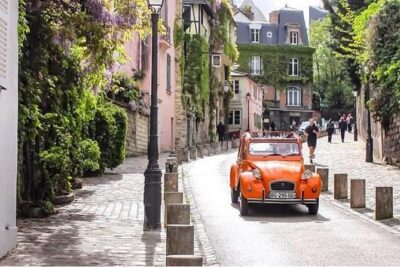
Vintage 2CV Adventure: 2 -Hour Paris Secrets Tour
Read our review →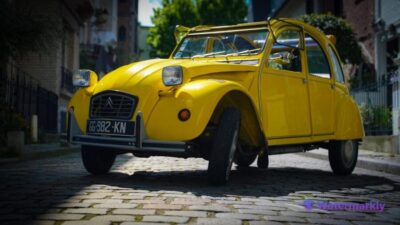
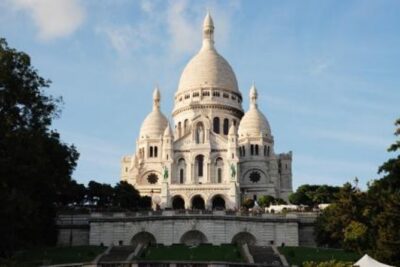
Paris Vintage Private City Tour on a Sidecar Motorcycle
Read our review →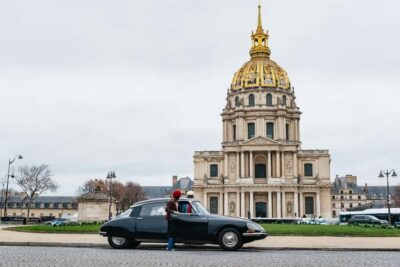
Private Guided City Tour in a Traction Avant or DS 21
Read our review →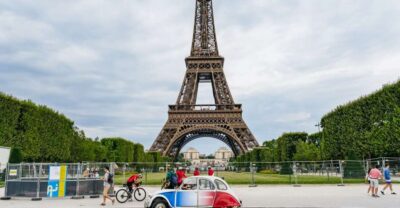
Browse the lists this tour appears in