Reviewed · PRIVATE
Paris: Pompidou Centre Private Guided Tour
The Pompidou Centre is one of those places that looks like it is in a permanent argument with the city, and this private tour teaches you how to read that argument. I love how the guide connects 20th-century art to what was happening in Paris, so the building feels less like a shock and more like a message.
Second, I like the fact that, during reconstruction, you focus heavily on the structure itself, including why locals call it the Notre Dame of Pipes. One drawback to consider: if you were hoping for a classic museum run full of artworks, this is more about architecture and context than gallery time.
Key things to know before you go
- A private, guide-led format that keeps the pace human, not rushed
- Modern art context tied to the museum’s era and Paris in the 1970s
- Building-first visit during reconstruction means you look at the Pompidou like an artefact
- Urban planning meets art so you understand how the museum shaped (and was shaped by) its neighborhood
- “Notre Dame of Pipes” explained with real reasons, not just a nickname
- Excellent for kids and first-timers, since even a 12-year-old can follow the story
Why the Pompidou feels like architecture with a point to make
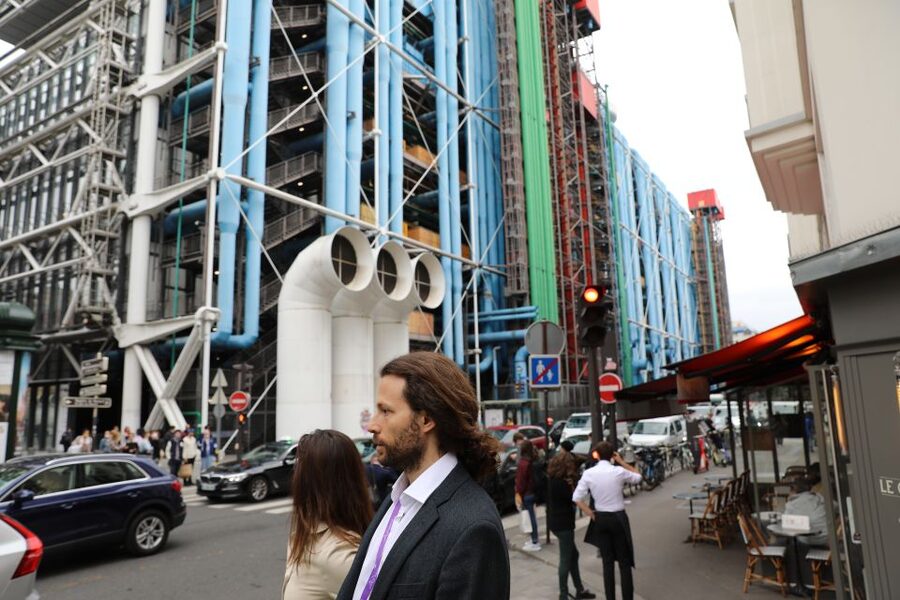
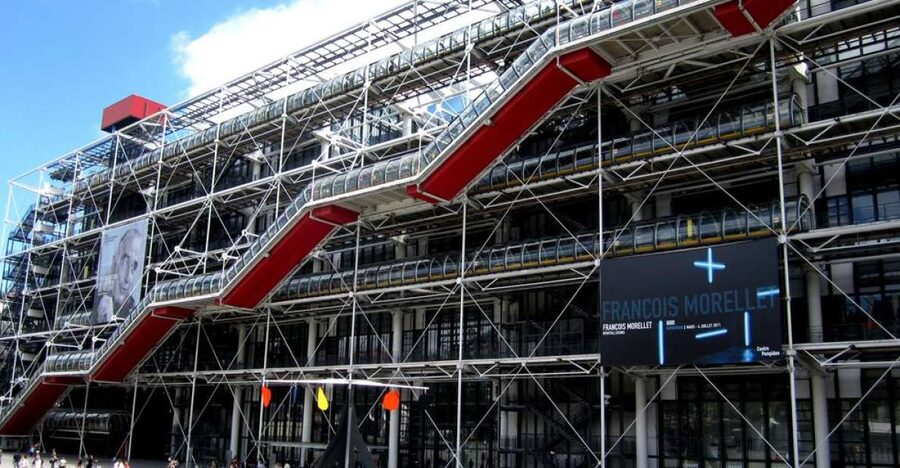
The Pompidou Centre is famous because it broke rules in a very visible way. Instead of hiding the guts of a building, it put the “inside parts” on the outside. That provocation is the whole point, and this tour helps you stop seeing it as random design and start seeing it as urban commentary.
What I like about the approach is that you do not get stuck in style talk. You get the idea behind the look. The Pompidou becomes a way to understand how postmodern architecture can push back against its surroundings, then keep working long after the initial shock wears off.
This is also where the art angle earns its keep. Even if you are not sure you love modern art yet, the Pompidou makes a strong case that art does not live in a vacuum. It grows out of cities, politics, money, and the way people move through public space.
And yes, the building is fun to see. When a guide points out how the structure is designed to function and to announce itself at the same time, you start noticing details faster than you would alone.
A few more Paris options to weigh up
- Paris: Louvre Guided Tour with Reserved Access & Boat Cruise
★ 4.3 · 16,353 reviews - Louvre Museum Masterpieces Guided Tour with Access
★ 4.5 · 12,023 reviews - Louvre Museum – Exclusive Guided Tour (Entry Included)
★ 5.0 · 6,296 reviews
Stravinsky Fountain meeting point and the 90-minute private flow
You meet at the Stravinsky Fountain on Rue Saint Merri, 75004 Paris. Your guide will be holding a red tote canvas bag. Plan to arrive a few minutes early, because the meeting point is on foot traffic routes, and you will want to get settled before the group starts moving.
This is a private group, and the timing is 90 minutes. That matters because the Pompidou can swallow time if you wander without a plan. In a private format, you get a guided pace that helps you focus on what is relevant to the themes the tour is teaching, not just what catches your eye.
The language options are practical too. You can book in English, French, or Serbo-Croatian. In the feedback you can see how much this matters, with guides like Milica, Bella, Boris, and Stephanie praised for explaining clearly and keeping things moving for different ages.
One more plus: it runs rain or shine. So if Paris weather does its usual switch-up, you are not left scrambling for an indoor backup.
What you see during reconstruction: a building-first tour
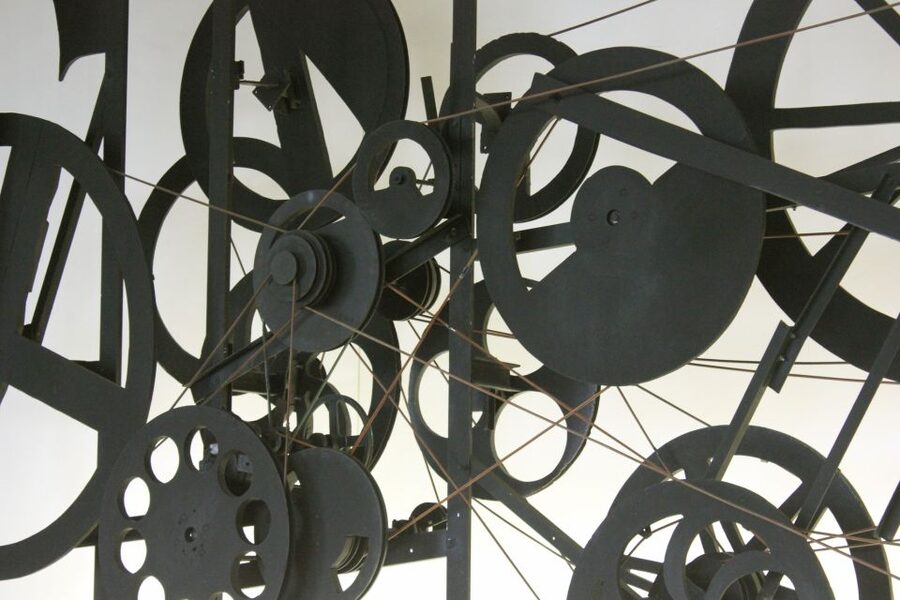
Here is the key detail that changes the whole experience: during reconstruction, the museum galleries are closed, and the tour focuses on the building itself. For many people, that sounds like a letdown. For the right traveler, it is the opposite.
Instead of treating the Pompidou as a container for artworks, you treat it like the main exhibit. The tour explores why the structure became an architectural provocation and how it integrates into the neighborhood while still defying it.
You also learn how the building came to be. Construction history may sound dry, but framed this way, it becomes part of the story of how modern ideas get turned into concrete, steel, and public space. You are not just looking at form, you are learning what choices were made and why.
If you enjoy seeing how cities work, this is especially satisfying. The “pipes” become more than visual drama. You connect the outside structure to ideas about access, functionality, and the museum’s relationship with the urban fabric around it.
Keep your expectations aligned: this is a great tour if you want to understand the Pompidou as an object with meaning. It is less of a match if your top goal is spending most of your time inside museum rooms.
Modern art made readable, from late 19th century to the 1980s
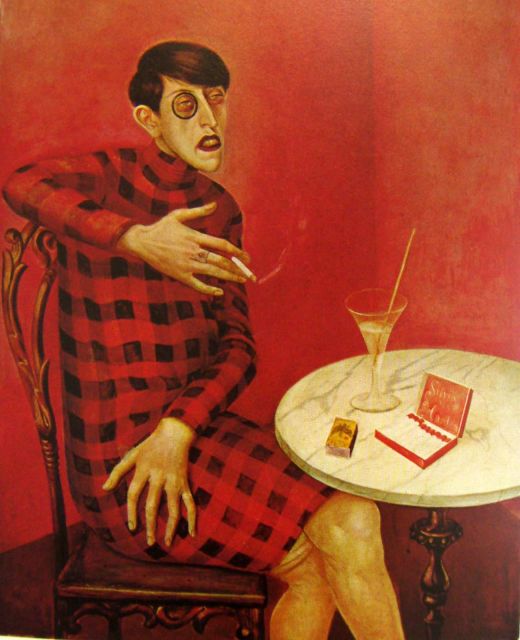
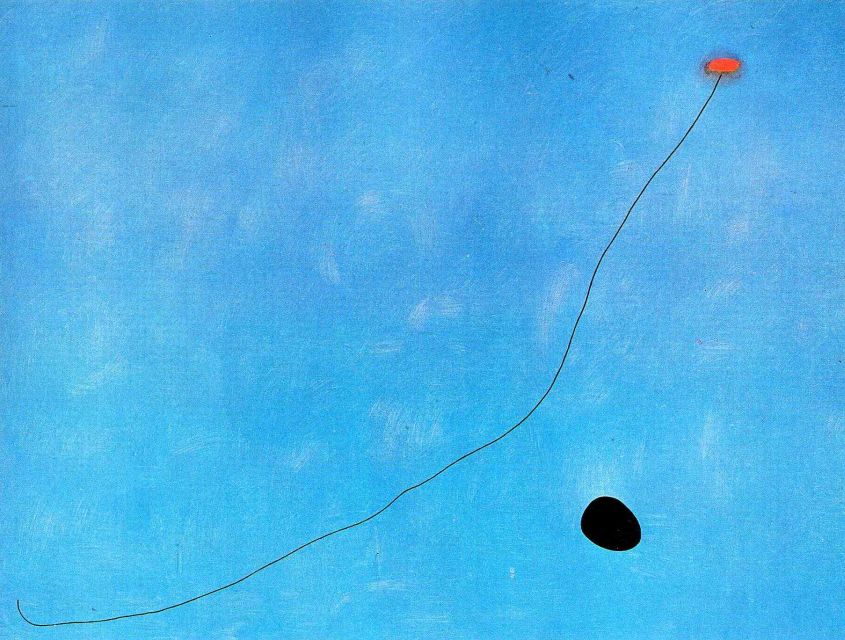
Even though the museum space is closed during reconstruction, the tour still delivers modern art context. The guide uses the Pompidou as your anchor, then walks you through the evolution of modern art.
In the feedback, one theme shows up again and again: guides explain the progression from late 19th century through later 1980s styles, with examples organized in a way that makes the big movements feel less random. That is the difference between staring at a work and actually understanding why it looks the way it does.
I also like that the tone is built for comprehension, not testing your opinions. People mention that the explanations are not lecturing. That is important at the Pompidou, where modern art can feel intimidating if you think there is only one correct way to interpret it.
You get practical tools: how to connect a work to its time period, how to recognize that “new” often comes from social change, and how architecture and art share problem-solving energy. When a guide ties an artwork’s message to the wider environment, you start building your own way of seeing.
This is a strong pick for first-timers. If you have ever wondered where to even start with modern art, the tour gives you a structured entry point, then teaches you to keep the lens wide when you are back on your own.
And it works for families. A guide who can handle a 12-year-old without dumbing it down is a sign you are in good hands.
Still in Paris, but a different sort of outing:
- Paris: Louvre Museum Timed-Entrance Ticket
★ 4.6 · 71,977 reviews - Disneyland® Paris 1-Day Ticket
★ 4.6 · 49,412 reviews - Paris: Versailles Palace and Gardens Full Access Ticket
★ 4.6 · 41,579 reviews - Paris: Evening River Cruise with Music
★ 4.4 · 22,721 reviews
Paris planning, gentrification, and the Notre Dame of Pipes nickname
The Pompidou story is also a Paris story. The tour covers how the museum fits into the neighborhood, and it does not shy away from the uncomfortable parts.
You learn about gentrification and how it shaped the museum. That includes how the city changed in the 1970s, and why this museum became a key aspect of that shift. This is where the tour goes beyond architecture appreciation and turns into understanding public space as a power tool.
Then you get the local angle: why people call it the Notre Dame of Pipes. It is not just a quirky nickname. The tour explains the connection between the visual design and the way locals experienced it, including the feeling that the building announced itself in a confrontational way.
If you like urban planning, you’ll get a lot out of this. The guide connects architecture to how cities grow, how institutions pull money and people toward certain areas, and how a single cultural project can change a district’s identity.
This theme also makes the tour more meaningful for you even after you leave. You start noticing other landmarks through the same lens, asking how they affect the street level around them, and who benefits from that change.
Is it worth $176, and who will enjoy it most
At $176 per person for 90 minutes, this is not a bargain price. But it can be good value if you use the guide time wisely.
The reason it can feel worth it: you are paying for a focused explanation that helps you make sense of a famous building and a difficult art period. If you were going solo, you might spend that time either wandering without direction or doing the homework on your phone. A private guide compresses that learning into the exact themes you care about: modern art, architecture provocation, urban planning, and the neighborhood impact.
This tour is a particularly strong fit if:
- You like architecture and want the “why” behind the design
- You want modern art context without feeling tested
- You are traveling with kids and want a guide who can keep it understandable
- You are the type who hates staring at confusing rooms without a guide’s framework
If you are mainly chasing gallery time and specific masterpieces, then the reconstruction focus may make you feel like you got a building lecture instead of a museum visit. Still, you may like it more than you expect, because the Pompidou’s structure is the story right now.
Should you book this private Pompidou tour?
Book it if you want a guided way to see the Pompidou as a piece of 20th-century thinking, not just an iconic photo spot. This tour is best when you care about the connection between art and the city, and when you appreciate explanations that make modern art feel structured.
Skip it, or at least consider your expectations carefully, if your priority is long time inside the museum galleries. During reconstruction, the tour is intentionally building-first.
My practical advice: if you are even a little curious about why Paris built this, how it changed the neighborhood, and how modern art fits that bigger picture, you’ll probably enjoy the time a lot. And if you are traveling with someone who finds modern art tough, the private format and strong guide feedback suggest this can turn confusion into understanding quickly.
FAQ
Where is the meeting point for the Pompidou private guided tour?
Meet your guide at the Stravinsky Fountain on Rue Saint Merri, 75004 Paris. They will be carrying a red tote canvas bag.
How long is the tour?
The tour lasts 90 minutes.
Is this tour private?
Yes, it is a private group experience.
What languages are available for the live guide?
The live tour guide is available in English, French, and Serbo-Croatian.
Is the tour wheelchair accessible?
Yes, the tour is wheelchair accessible.
Does the tour run if it is raining?
Yes, the tour operates rain or shine.
What is included in the tour price?
The guide is included.
Are food and beverages included?
No, food and beverages are not included.
Is there free cancellation?
Yes, you can cancel up to 24 hours in advance for a full refund.
Do I need to pay right away when booking?
You can reserve now and pay later, meaning you book your spot and pay nothing today.
Recently added around Paris
- A 3 Days Tour of Belgium and Netherlands from Paris★ 5.0 · 4 reviews
- 3 Days Trip to Normandy, Loire and Mont Saint Michel from Paris★ 4.5 · 86 reviews
- Premium private tour of Paris in an Electric TukTuk (4 hours)★ 5.0 · 45 reviews
- Eiffel Tower Second or Summit Floor Access by Elevator with Views★ 3.5 · 161 reviews
- Paris City Tour 3h00 Citroën DS Vintage with Open Roof★ 5.0 · 4 reviews
- Louvre Private Tour – The Essentials and More with Expert Guide★ 5.0 · 227 reviews
- 2H Discovery Tour of Paris in 2CV CITROEN★ 5.0 · 19 reviews
- 2CV tour by night★ 5.0 · 55 reviews
Private, compared.


Top Private Cruises in Paris with French Champagne and surprises
Read our review →
Private Paris Airport Arrival Transfer – CDG & ORLY Airports
Read our review →
Paris Private Arrival Transfer from Charles de Gaulle (CDG) or Orly (ORY)
Read our review →
Private Montmartre Food Tour with Wine, Cheese & Pastries
Read our review →
Louvre Museum Timed Entry Ticket – Optional Private Guide
Read our review →