
Reviewed · MUSéE D'ORSAY TOURS & TICKETS
Paris: Musée d’Orsay Guided Tour with Ticket
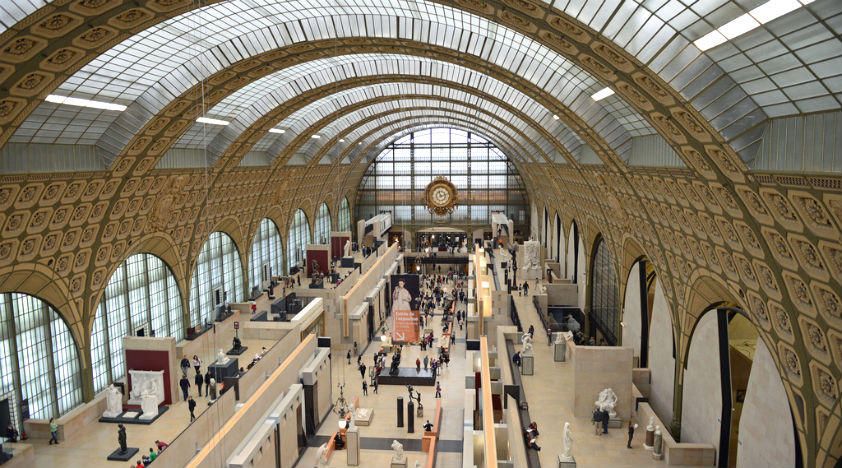
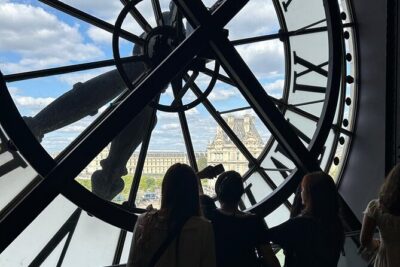
The Musée d’Orsay is interesting even before the first painting. The museum sits inside a grand Beaux Arts rail station, so your visit starts with architecture, light, and scale, then turns into a fast education on late-19th century art.
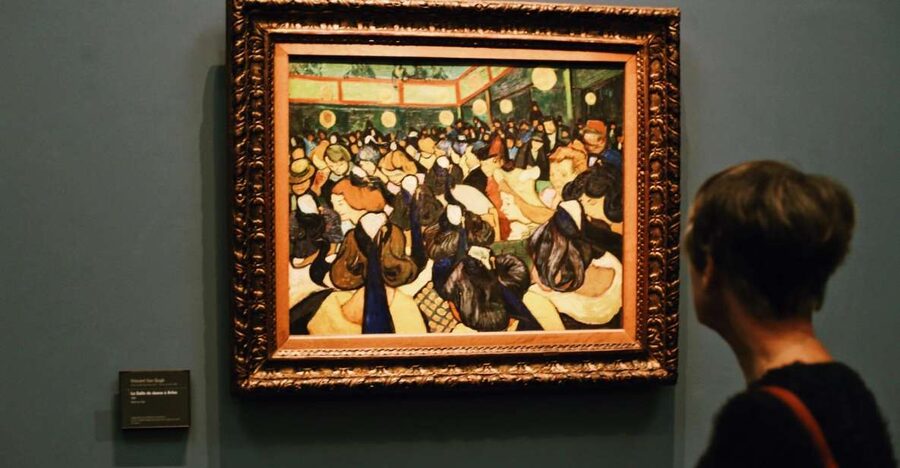
I especially like two things about this experience. First, the small group size up to 6 keeps the pace smart and the questions actually get answered. Second, the guided commentary is built around connecting the art to the artists and the moment they lived in, from Manet and Renoir to Cézanne and Gauguin, plus the big names people come to see like Monet and Van Gogh.
The main drawback to consider is simple: it lasts about 2.5 hours. If you tend to stop for every single detail in every frame, you might crave more time than this tour gives you.
Key highlights that make this tour worth your time
- Certified-style guiding with serious art storytelling, not just a walk past the labels
- Up to 6 guests per guide, so you get a more personal rhythm
- Orsay’s former station building, which you get to appreciate while you learn
- Impressionist and post-Impressionist techniques explained in plain terms
- Time to actually look on your own after the guided highlights
- Line-heavy days get easier, and guides help you move through crowds
Why the Orsay building changes how you see the art
Walking into the Musée d’Orsay feels like stepping into a time machine that still works. The museum was built as a train station, and the vaulted spaces, big windows, and iron-and-stone feel change the whole mood of viewing art. You are not only looking at paintings, you are in the middle of the industrial-to-modern story that shaped 19th-century France.
That setting matters. It helps you understand why the museum’s collection hits so hard, especially the Impressionists and their follow-ups. These artists were living through big shifts in how people traveled, worked, and consumed images. The building reinforces that theme without needing extra explanations.
Also, this tour is designed to start you on the right track quickly. In other words, you do not spend your first hour wandering like you are decoding a museum maze. You get a human plan.
More Orsay Museum tours and tickets:
- Paris in a Day: Louvre or Orsay, Eiffel Tower, City Walk & Cruise
★ 5.0 · 1,956 reviews - Paris: Musée d’Orsay Skip-the-Line Tour with Expert Guide
★ 4.5 · 1,145 reviews - Musée d’Orsay Skip-the-Line Tour with Expert Guide
★ 4.8 · 1,088 reviews
What your guide does with the masterpieces
This tour is not just a highlight reel. It is a guided lesson aimed at helping you see patterns, not just famous works. The guides are described as professional certified guides, and the tone in the experience is consistent: clear, organized, and grounded in art technique plus context.
Here is what that feels like in practice. You will be guided from room to room with a narrative that links artwork to artwork and idea to idea. Guides repeatedly get praised for depth and breadth, and for keeping the story coherent while moving through a crowded museum. That is not fluff. At the Orsay, you can easily get lost in details and still miss the bigger story.
You also get guided explanations of artist styles and how techniques evolved. The tour focuses on 19th-century French art, with attention to artists such as Manet, Renoir, Cézanne, Gauguin, and the wider Impressionist and post-Impressionist scene. The payoff is that paintings start to make sense as choices, not just pretty images.
And yes, the guides are good at pace. Multiple guide names show up again and again in the praise, including Miriam, Nadia, Tristan, Malika, Marcel, Alex, Taylor, Lillie, Felix, and Belen. You should not assume you will get a specific person, but the pattern of strong guiding is real.
The Orsay highlights you will likely focus on
Even with a guided route, the Orsay is big. So the tour route is built around making sure you hit the most important areas of the collection, while also adding a few things that are not always the first thing people find on their own.
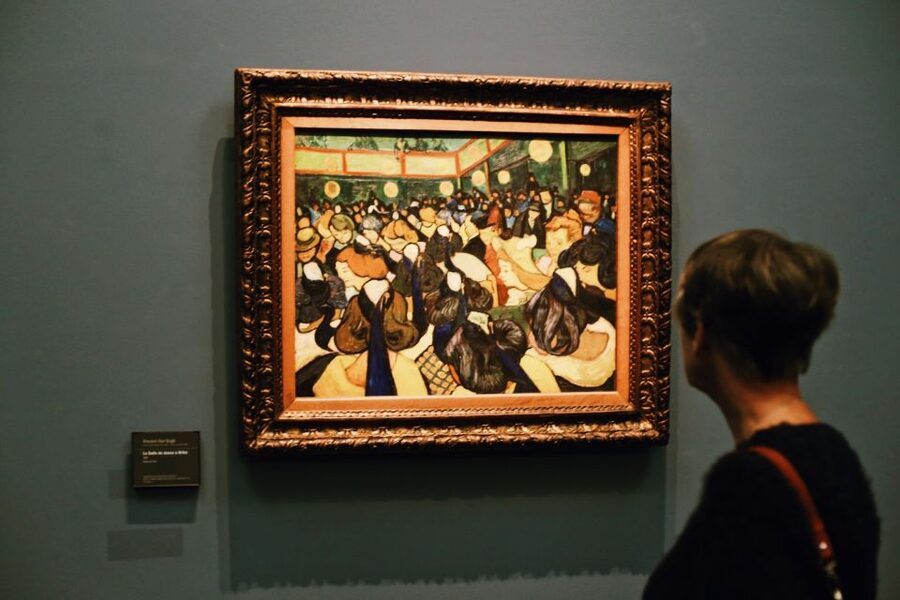
You can expect the tour to center on the museum’s core strengths: 19th-century French painting, including Impressionist and post-Impressionist works. The focus is not only on famous names like Monet and Van Gogh, it is also on how their world connected to the artists right before them and right after them. The guide time is used to explain what changed and why.
One of the most useful parts of a guided Orsay visit is learning how to look at technique. Instead of treating brushwork as a magical style, the guide helps you understand what artists were doing and what they were trying to achieve. That makes your own viewing time afterward much more rewarding, because your eyes know what to search for.
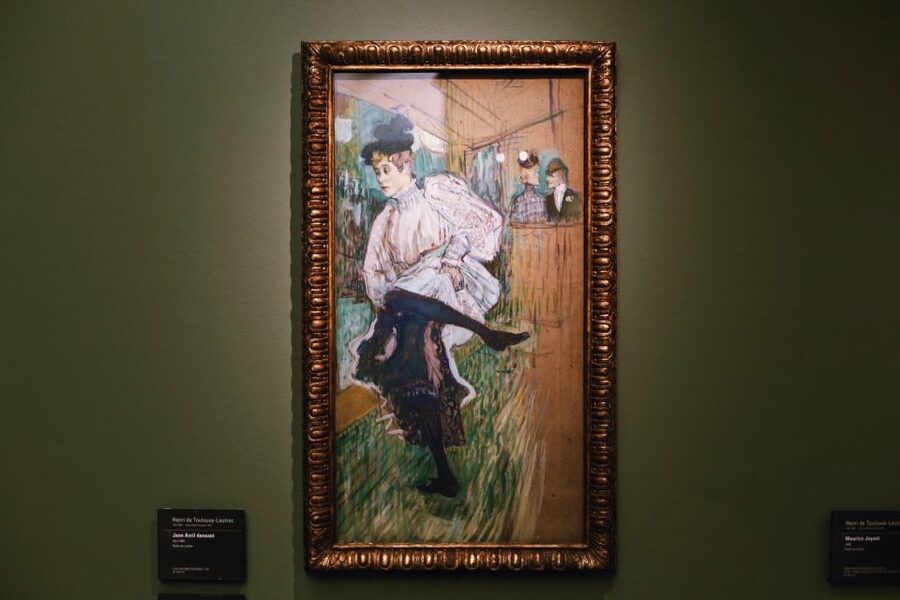
You also get background on individual artists and their styles. That is where the tour can feel like a cheat code. When you learn why Manet looked one way, why Renoir changed the look of light on faces, or how Cézanne’s thinking shifted form, the museum stops being a list of titles and becomes a timeline you can actually feel.
How the 2.5 hours are paced, including your free-look time
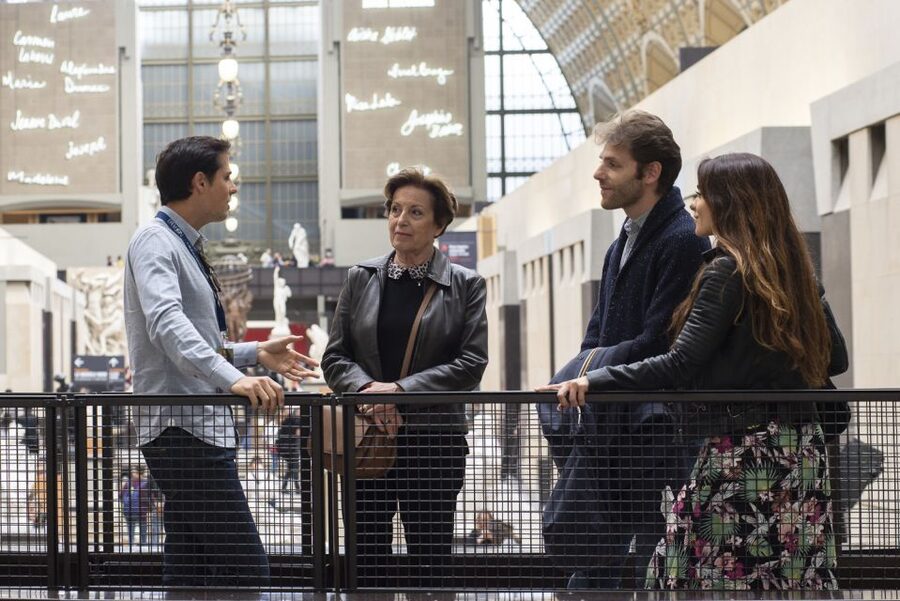
Time management is a big deal at the Orsay. The tour format mixes guided viewing with time for your own exploring. You will get time with the guide to cover key highlights and context, plus a stretch where you can look around more freely.
In the experience setup, there is a photo stop moment, then you move into guided time with built-in breaks. The schedule includes a longer free period, then a shorter break, which is helpful if you want to step back, grab a breather, or refocus your attention. That matters because art viewing gets tiring, especially if you are trying to absorb a lot in a single museum session.
A practical tip: use the guided portion to train your eye. Then use your free time to test what you learned. For example, if the guide talks about how brushwork changes what you think you see, try that on a couple of additional works during your free window.
One caution: because the tour runs about 2.5 hours, it is not built for slow, wall-to-wall reading. If you love lingering, plan for a return visit after this tour. Think of this experience as a strong launch, not the final word.
A few more Paris options to weigh up
- Paris: Louvre Museum Timed-Entrance Ticket
★ 4.6 · 71,977 reviews - Disneyland® Paris 1-Day Ticket
★ 4.6 · 49,412 reviews - Paris: Versailles Palace and Gardens Full Access Ticket
★ 4.6 · 41,579 reviews - Paris: Eiffel Tower Entry Ticket with Optional Summit Access
★ 4.4 · 20,035 reviews
Getting the ticket and entrance right, without luggage drama
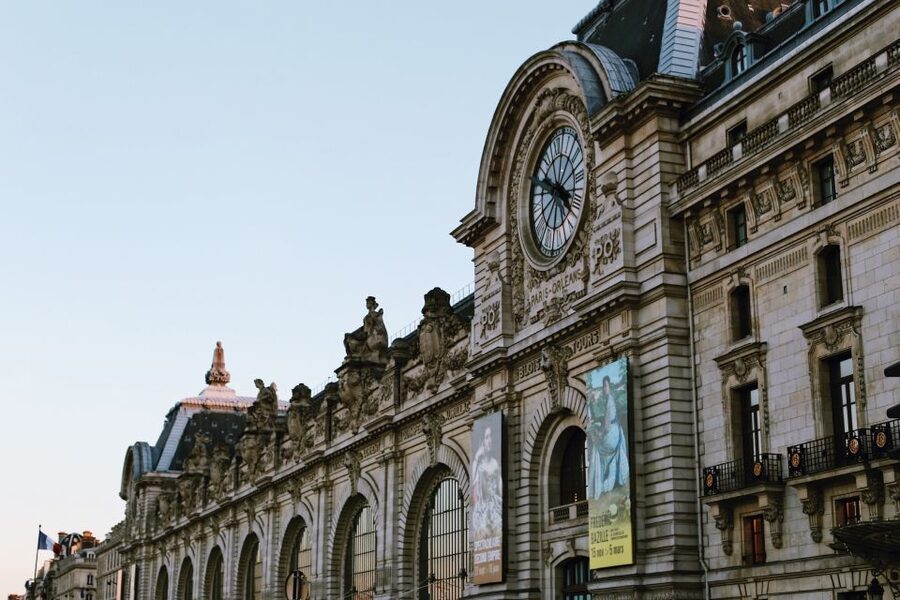
Your admission to the Musée d’Orsay’s permanent collection is included. That means you are paying for the guide plus entry, which is often what makes tours feel like a better deal than buying the ticket and trying to self-navigate.
Two more practical notes matter here.
First, luggage and large bags are not allowed. Also, luggage or coat storage is not included in the tour setup. So if you are traveling light, great. If you are carrying big items, you may need to handle bag storage on your own before you arrive.
Second, the tour ends back at the meeting point. That reduces the stress of thinking, where do I go after the guided part? Still, make sure you know exactly where you are meeting, since meeting points can vary based on the option you choose.
Finally, some rooms inside the museum can have rules about quiet or restricted speaking. Guides will know how to work within those rules. You still should plan for a more muted vibe in certain areas, because this is a museum, not a walking club.
Price and value: is $128 a smart spend here?
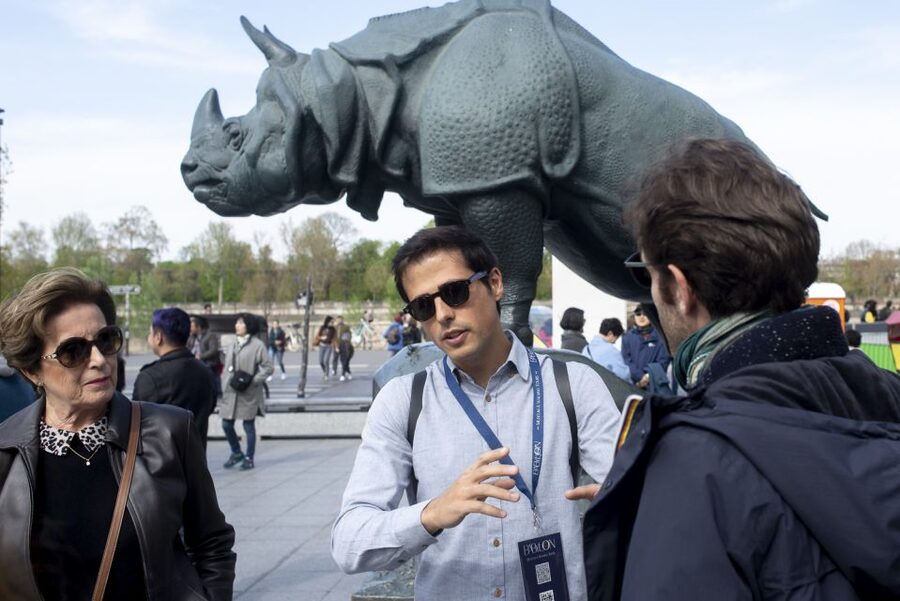
At $128 per person for a 2.5-hour guided tour with ticket included, the value comes down to what you want from the Orsay.
If your goal is quick orientation plus expert interpretation, the price feels easier to justify. You are not just paying for access. You are paying for someone to give you a narrative, point out what to look for, and help you understand how the art connects to the artists and their era. That is the kind of payoff that often takes multiple solo visits to replicate.
If your goal is to casually browse and read a lot at your own speed, this may feel pricey for the time you get. In that case, you might prefer a self-guided visit and spend extra time with whatever catches you.
Also, the capped group size up to 6 is a value booster. Small groups tend to mean fewer delays, more questions, and less time waiting for the tour to “start moving again.” That turns the experience from a herd walk into something more like guided conversation.
Languages and group size, and why that affects your comfort
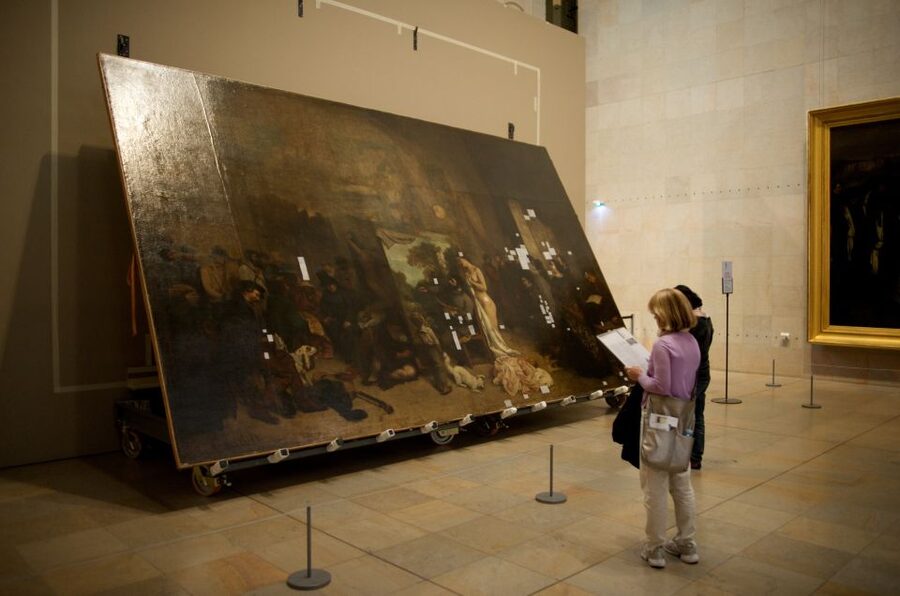
This tour runs with live guides available in French, English, Italian, Russian, German, and Spanish. That matters because art works hit differently when you can follow the explanation comfortably.
The tour also offers private or small groups, and the experience is capped at a maximum of 6 guests per guide. For you, that usually translates into less friction. You can ask what you are wondering, and you are less likely to feel rushed.
If you are visiting with teens or people who do not always love museums, the guide style is often a deciding factor. Some guides are praised for keeping younger visitors engaged by linking what they see to the bigger story of the time. If you know you need that kind of energy, this small-group setup helps.
Quick tips to make your Orsay guided tour feel smooth
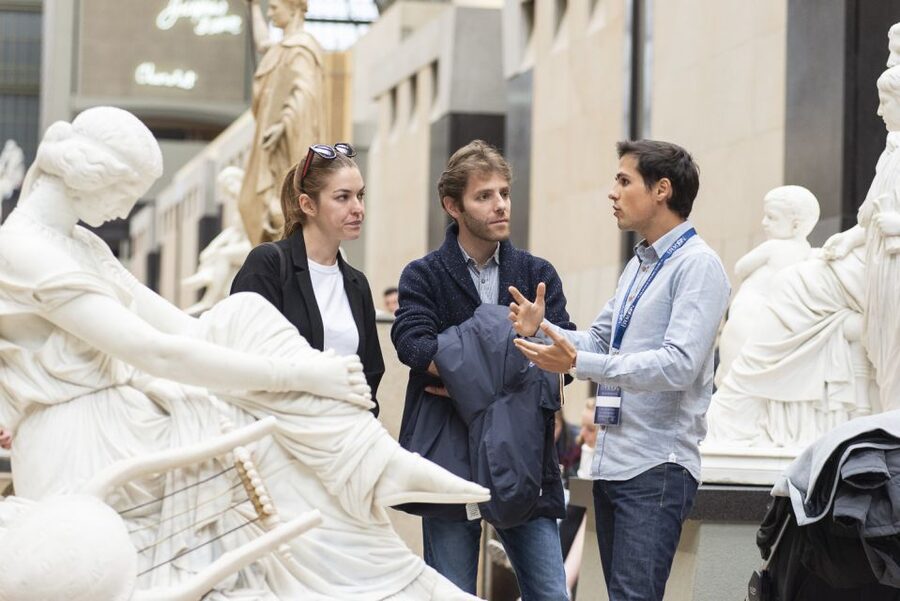
Before you go, pack for the reality of the museum. No large bags, and you should assume you will walk a fair bit between rooms.
During the guided portion, do not try to memorize everything. Instead, pick 2 to 3 themes the guide repeats. Then look for them on your own when you get free time.
Also, wear shoes you can stand in. Even with breaks, the Orsay involves plenty of walking and focused viewing. If your feet hurt, your attention drops, and you miss the best part.
When you hear the guide explain something about technique or style, test it right away. If the guide says a certain artist paints light in a particular way, stand closer for a moment. Back up for a moment. Those tiny shifts help you actually see the difference the guide is pointing out.
Who should book this tour, and who might skip it
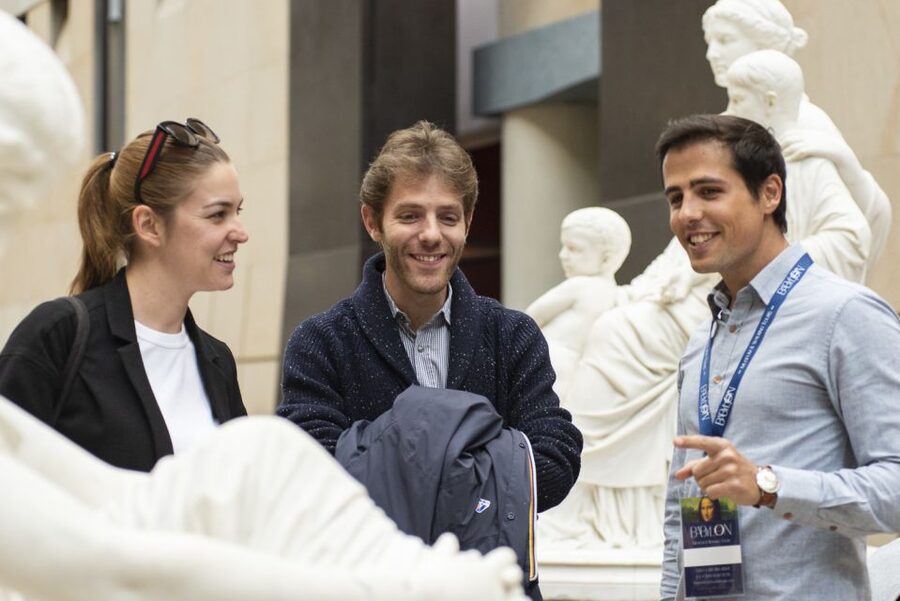
This tour is a strong fit if you want:
- a guided overview of 19th-century French art with context
- a small-group experience with a guide who can answer questions
- help making sense of Impressionism and post-Impressionism as ideas, not just images
You might consider a different approach if you:
- plan to spend most of your time reading every label and studying paintings slowly
- need lots of personal free wandering with no group rhythm
- are arriving with bulky luggage and do not want to deal with restrictions
Still, even if you love self-guided museums, this tour can function like a smart warm-up. It gives your eyes a framework, so your later wandering feels more intentional.
FAQ
How long is the Musée d’Orsay guided tour?
It runs for about 2.5 hours.
What is included in the price?
The tour includes museum entrance fees for the permanent collection and a live guide.
Are entrance tickets included?
Yes, museum entrance fees for the permanent collection are included.
What group size should I expect?
The tour has a maximum of 6 guests per guide for a more intimate experience.
What languages are available?
The live tour guide is offered in French, English, Italian, Russian, German, and Spanish.
Is this tour private?
It offers private or small groups, depending on the option you book.
Are luggage or large bags allowed?
No, luggage or large bags are not allowed. Luggage or coat storage is not included.
Where do I meet, and where do we end?
The meeting point may vary depending on the option booked. The activity ends back at the meeting point.
Can I cancel if my plans change?
Free cancellation is available up to 24 hours in advance for a full refund.
Should you book this Musée d’Orsay guided tour with ticket?
If you want an efficient, high-impact Orsay visit, I think this is an easy yes. You get admission plus a guide for about 2.5 hours, and the experience is built for strong context, clear pacing, and enough time to look on your own afterward.
I would only hesitate if you prefer ultra-slow museum time and plan to linger on every painting. In that case, you may enjoy a self-guided visit more. Otherwise, grab the small-group guided plan, then let your own curiosity take over during the free-look time.
Recently added around Paris
- A 3 Days Tour of Belgium and Netherlands from Paris★ 5.0 · 4 reviews
- 3 Days Trip to Normandy, Loire and Mont Saint Michel from Paris★ 4.5 · 86 reviews
- Eiffel Tower Second or Summit Floor Access by Elevator with Views★ 3.5 · 161 reviews
- Paris City Tour 3h00 Citroën DS Vintage with Open Roof★ 5.0 · 4 reviews
- Premium private tour of Paris in an Electric TukTuk (4 hours)★ 5.0 · 45 reviews
- Louvre Private Tour – The Essentials and More with Expert Guide★ 5.0 · 227 reviews
- 2H Discovery Tour of Paris in 2CV CITROEN★ 5.0 · 19 reviews
- 2CV tour by night★ 5.0 · 55 reviews
Musée d'Orsay Tours & Tickets, compared.
Paris in a Day: Louvre or Orsay, Eiffel Tower, City Walk & Cruise
Read our review →
Musée d’Orsay Entry Ticket and Seine River Cruise
Read our review →
Musée d’Orsay Skip-the-Line Tour with Expert Guide
Read our review →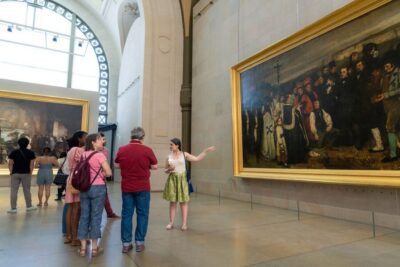
Musée d’Orsay Skip-the-Line Tour with Expert Guide
Read our review →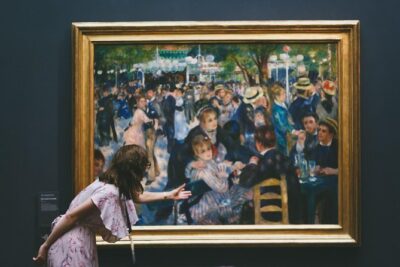
The Musée d’Orsay Guided Tour Orsay Museum Semi-Private 6ppl Max
Read our review →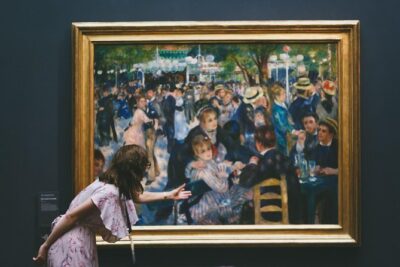
Louvre & Musée d’Orsay Guided Museum Tour Semi-Private 6ppl Max
Read our review →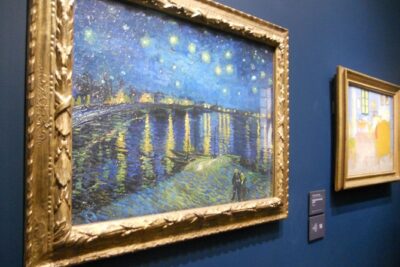
Browse the lists this tour appears in