
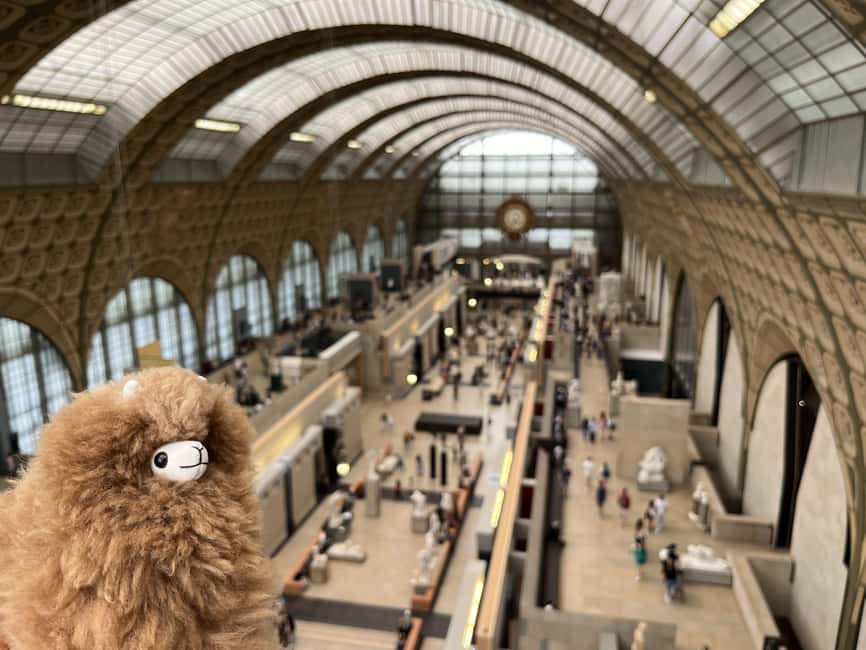
Reviewed · MUSéE D'ORSAY TOURS & TICKETS
Orsay Museum: Museum Ticket Entry & 2h Private Guided Tour
This Orsay Museum private guided tour is interesting because it turns a huge art building into a clear, story-driven walk through French painting from 1848 to 1914. I especially like the Impressionism and Post-impressionism focus, and I like that your guide talks about artists goals, technique, and color choices, not just names and dates. One drawback to plan around: the tour is private, but language and timing details matter a lot, so you’ll want to confirm your language and be ready in case plans shift last minute.
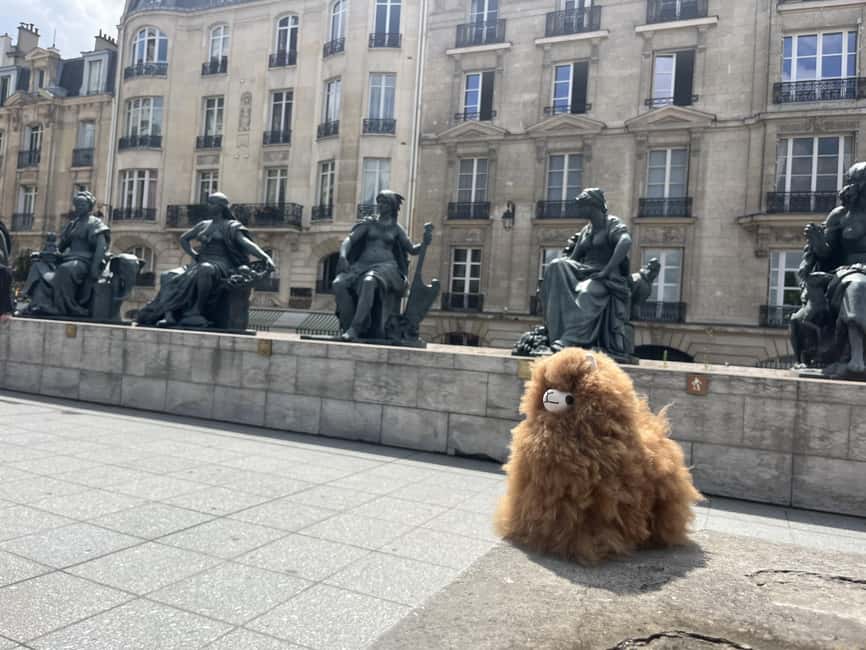
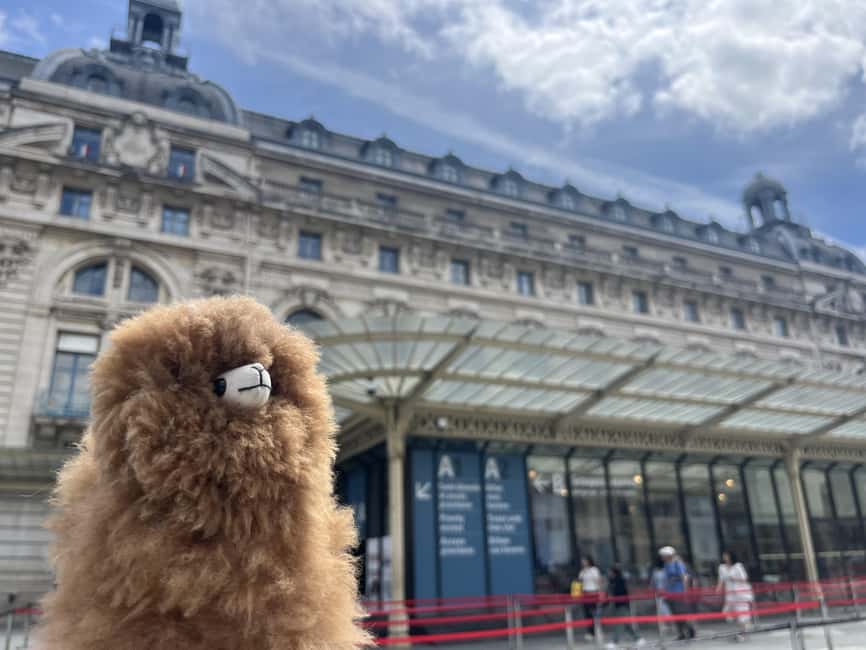
For a smooth start, you meet right by the six statues of Continents, on the right of the main entrance, and the guide holds Mr. Llama. Arrive 20 to 30 minutes early, because the museum experience starts before you even reach the paintings, especially since this option does not include skip-the-line entry.
Key highlights to know before you go
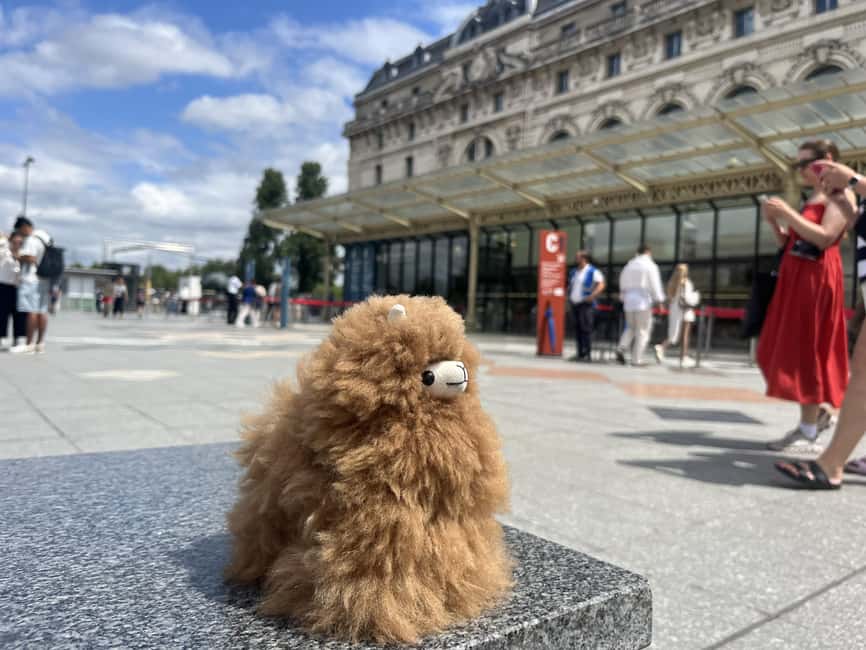
- Orsay in its original station shell: you’re walking through an old train-world that still shapes how you move through galleries
- Private guide, custom pace: you can steer what you want to emphasize during your 2 to 3 hours
- Big-name artists, tight time: the tour targets major Impressionist and Post-impressionist artists like Monet, Renoir, Van Gogh, Manet, and Cézanne
- Technique and color explanations: expect practical talk about brushwork and what the palette is doing
- Multilingual guide options: German, Japanese, Korean, English, French, Spanish, Russian, Italian
- Some real-world variance in reviews: most guides are praised, but punctuality and last-minute changes can be an issue
Why Orsay feels different from other Paris art stops
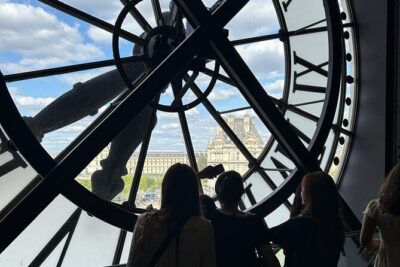
The Musée d’Orsay is not just another “museum with paintings.” It is a former train station, converted into an art museum in 1978, so the building itself helps tell the story. You get those long sight lines and tall interiors that make it easier to understand how 19th-century French artists shared space, themes, and changing ideas over time.
What I like about this private format is that you’re not stuck doing a fast self-guided sprint. You can slow down where it matters. Orsay is especially good for the shift from realistic subjects into painting that is more about light, color, and mood. Your guide can point out the differences in how artists handled the same world, which is a big part of what makes Impressionism and Post-impressionism feel like a turning point instead of a schoolbook term.
If you only have a couple hours, this tour makes time feel usable. The museum is large, and without help, you can end up bouncing between rooms that don’t build into a story. With a private guide, you’re more likely to leave with a sense of the “why” behind the art, not just a list of famous names.
More Orsay Museum tours and tickets:
- Paris in a Day: Louvre or Orsay, Eiffel Tower, City Walk & Cruise
★ 5.0 · 1,956 reviews - Paris: Musée d’Orsay Skip-the-Line Tour with Expert Guide
★ 4.5 · 1,145 reviews - Musée d’Orsay Skip-the-Line Tour with Expert Guide
★ 4.8 · 1,088 reviews
Museum entry, Mr. Llama, and the best way to avoid stress
Your meeting point is specific, which is helpful in a busy place. Meet next to the six statues of Continents, to the right of the main entrance, and look for the guide holding Mr. Llama.
Arrive early, 20 to 30 minutes before start, because you are doing two things at once: getting oriented and getting checked in. Also note this tour includes tickets to the museum, but it does not promise skip-the-line station entry. In real terms, that means you should still expect some waiting around entry windows, especially at peak times.
Practical tip: if you’re coming from a nearby metro stop, give yourself time to walk slowly and find the statues. Orsay’s entrance area can feel like a hub, and the last thing you want is to arrive rushed and then lose your guide’s opening minutes.
What a 2 to 3 hour private guide actually does for you
A private tour only works if the guide is good at making decisions for your time. This one is designed around that. You’re paying for an expert who can adjust your route and explanations based on what you want. You’re not locked into one fixed script.
The biggest value is how the guide connects art history to what you can see. The tour description emphasizes artists intentions, technique, and color palettes. That matters because Impressionist work can look like “pretty brushstrokes” until someone shows you how the paint handling and color choices change the scene.
You also get the benefit of Q and A energy. In the best moments, you start asking why a painting looks the way it does, and the answers make the next gallery easier. Based on guide experiences shared in the reviews, strong guides like Dani and Alessia are praised for fast chemistry, clear explanations, and making time feel like it flies.
One caution from the real-world side: punctuality and last-minute language matching have been a pain point for some bookings. The lesson is simple. Choose your language carefully, and double-check it before the day of the tour. If your heart is set on French, for example, don’t assume it will automatically sort itself out.
Entering Orsay’s timeline: what 1848 to 1914 means on your feet
Orsay’s collection covers a period that French art history often treats like a full arc: from older realism and modern life subjects to the radical experiments that led to major changes in painting. The museum spans works from 1848 to 1914, which gives you a clean time framework for a short tour.
In a 2 to 3 hour private visit, you can’t see everything, so the smart approach is to pick representative anchors. Expect your guide to guide you through core galleries where Impressionism and Post-impressionism are front and center, while still using the context to explain what came before and what changed next.
Here’s how that translates into what you’ll feel during the tour:
You start with orientation, then you move into the style shift. Your guide helps you notice the differences in color and technique as you go. Then you circle back with interpretation, usually by connecting a major artist’s approach to the larger movement.
One thing to keep in mind: Orsay is famous for major names, but it’s also full of “in-between” works that connect ideas. A good guide will use those spaces to help you understand why artists reacted to one another. That’s a big reason private tours feel worth it, even when you’re paying a higher per-person rate.
More museum tickets in Paris:
- Paris: Louvre Museum Timed-Entrance Ticket
★ 4.6 · 71,977 reviews - Louvre Museum Masterpieces Guided Tour with Access
★ 4.5 · 12,023 reviews - Paris: Louvre Museum Entry Ticket With Host and River Cruise
★ 4.6 · 9,926 reviews - Les Invalides: Napoleon’s Tomb & Army Museum Entry
★ 4.6 · 9,185 reviews
The paintings you’ll focus on: Van Gogh and Manet as turning points
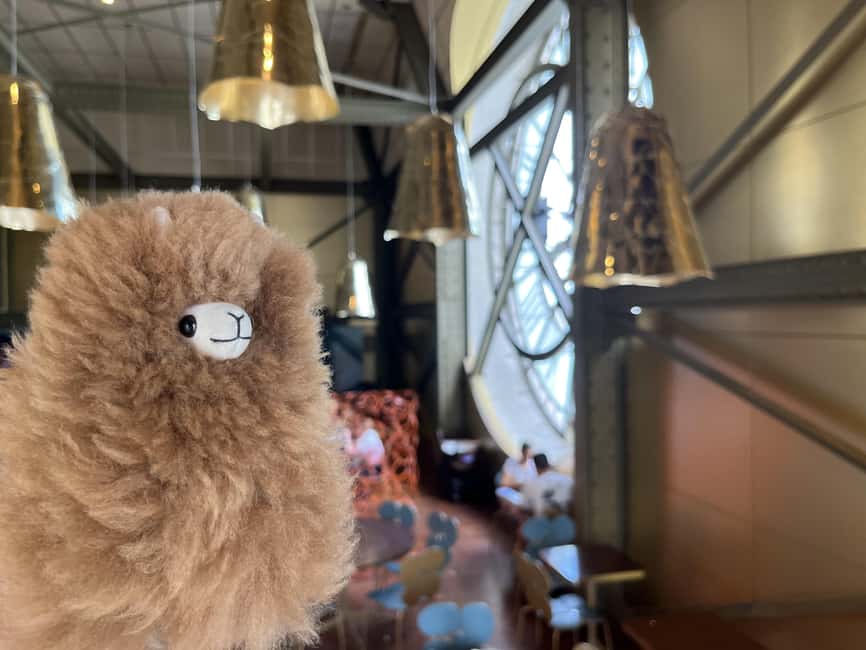
This tour highlights Van Gogh and Edouard Manet, and that’s a smart pairing. Manet sits in the middle of the story in a way that makes the later breakthroughs easier to understand. Van Gogh, meanwhile, shows what happens when a painter takes bold choices in color and expression and pushes them toward something more personal.
You’ll likely spend time in areas where these artists are central, with the guide using them as anchors for technique and interpretation. Instead of standing in front of a single painting and moving on, the guide’s job is to build a chain of meaning: what you see, why the artist did it, and how the style fits into the bigger shift happening across those decades.
You’ll also see other major names that define French painting in this era, including Renoir, Monet, and Cézanne. Even when you only get a slice of the collection, getting multiple artists in a structured route helps you compare. You start noticing how each painter handles light, color temperature, and the relationship between figures and background.
In short: Van Gogh and Manet are not just “must-see names” here. They are tools. Your guide uses them to help you read the movement changes without getting lost in the museum size.
How to read Impressionism and Post-impressionism in plain language
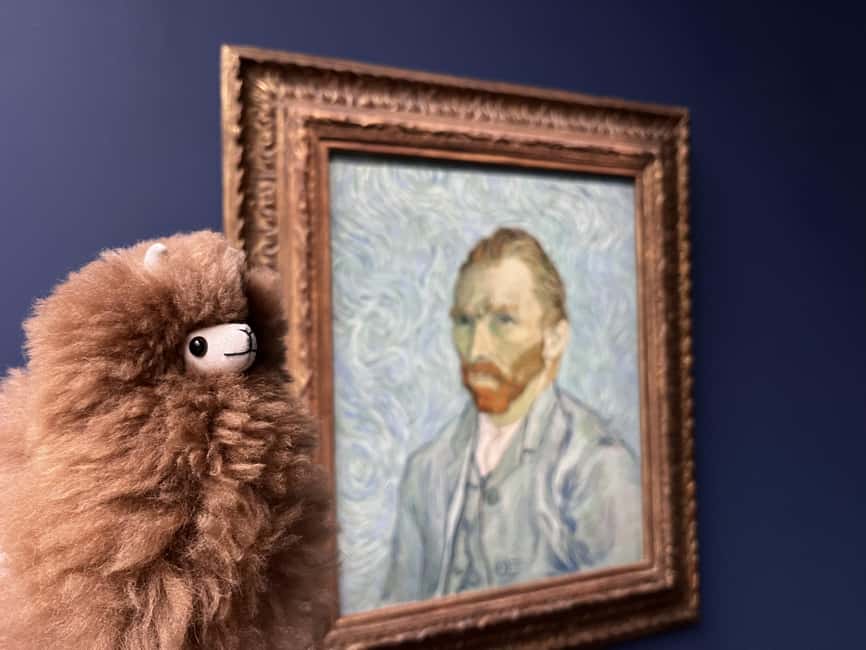
Impressionism can feel slippery because the goal isn’t always perfect detail. It’s about the experience, the look of a moment, and the way color acts like light. Post-impressionism takes some of that work and then changes the rules.
A strong guide makes this practical. They help you spot brushwork choices and color decisions that you might otherwise miss. You start looking at things like:
- how colors relate in shadows, not just in bright areas
- how the painter handles edges, soft or sharp, to guide your eye
- how the subject feels more like a mood than a photograph
If the guide is on form, you leave with a new habit. You stop asking, Is this painting good, and start asking, What is the painter trying to do with paint?
This is where review praise lines up with the tour promise. Guides described as passionate and engaging, like Dani, are noted for keeping explanations going and helping people keep moving through the museum without losing the thread. That is exactly what you want when you’re paying for a private format.
Price and value: is $224 per person worth it?
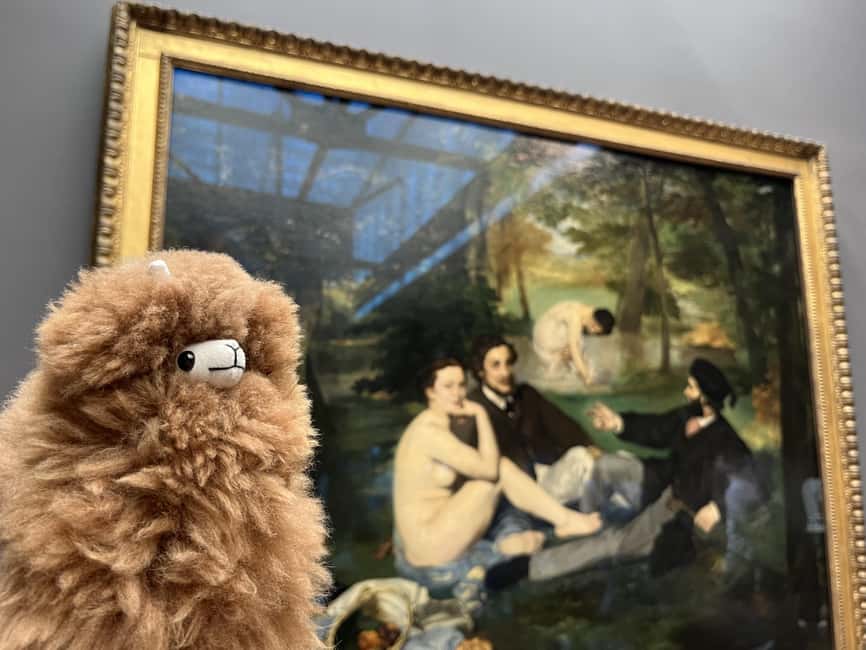
At $224 per person for a private guided visit lasting 2 to 3 hours, you are paying for three things: expert interpretation, included museum tickets, and a route that tries to make Orsay fit your time.
Whether it feels like good value depends on what you are like as a visitor.
If you love art and want to understand what you’re seeing, the guide can turn “I saw paintings” into “I understood decisions.” That is when the price starts to feel fair, even steep.
If you just want photos and don’t care about context, a self-guided visit might be cheaper and more satisfying. Orsay rewards attention, but it also rewards wandering. This private tour is for people who want structure and meaning.
A quick note on pricing reality: one review referenced a private tour cost around €380 for two people, which suggests the total can vary by date and booking details. So treat $224 per person as a baseline and check your exact booking conditions.
Also consider the mixed rating of 3.6 from 8 reviews. That doesn’t mean the tour isn’t worth it. It does mean you should take punctuality and guide-language matching seriously. If you go in expecting flawless logistics every time, you might get annoyed. If you plan smart and stay flexible, you’re far more likely to have a great experience.
Who this private Orsay tour suits best
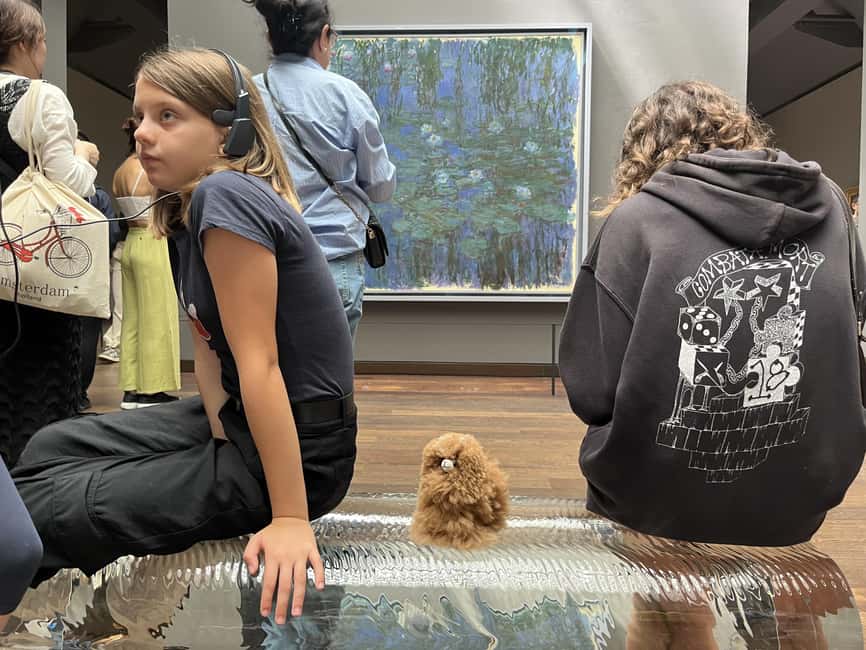
This tour is a strong fit if you:
- want a clear focus on Impressionism and Post-impressionism instead of scanning the whole museum
- care about understanding technique and color palettes
- prefer a private group where you can ask questions and set the pace
- want a guide in your language, since options include French plus several others
It may be less ideal if you:
- dislike waiting during entry, since this option does not promise skip-the-line station access
- need extreme schedule rigidity, because real-world last-minute changes have happened for some bookings
If you’re traveling with someone who cares about art and someone who is less certain, a guide can often act like a translator for both of you. You can let your more art-curious partner lead the questions, while you enjoy the visual story without getting overwhelmed.
Should you book this Orsay Museum private guided tour?
I’d book it if you want a high-impact Orsay visit that makes the art easier to understand within 2 to 3 hours, and you value a guide who connects what you see to what artists were trying to do.
I’d think twice if you have zero tolerance for any timing rough edges, or if your schedule is locked to the minute and you cannot absorb delays. Also, be careful with language needs. The tour offers many languages, but the best experience requires that your guide matches what you booked.
If you go in informed, this can be a very satisfying way to experience Orsay, especially for Van Gogh and Manet fans who want more than surface-level viewing.
FAQ
Where is the meeting point for the Orsay Museum tour?
You meet next to the six statues of Continents, located to the right of the main entrance. The guide will be holding Mr. Llama.
What time should I arrive before the tour starts?
Arrive about 20 to 30 minutes early to be on time.
Does the tour include museum tickets?
Yes, museum tickets are included with the private guided tour.
Is this tour skip-the-line for Orsay entry?
No, it does not include skip-the-line station entry.
How long is the private guided tour?
The duration is listed as 2 to 3 hours.
What languages are available for the live guide?
The guide languages listed are German, Japanese, Korean, English, French, Spanish, Russian, and Italian.
Is the museum tour wheelchair accessible?
Yes, it is wheelchair accessible.
What is the cancellation policy?
Free cancellation is available up to 24 hours in advance for a full refund.
Recently added around Paris
- Paris: Louvre Masterpieces Private Tour with Reserved Entry★ 4.3 · 144 reviews
- Paris: Living Cheese Museum Guided Tour with Cheese Tasting★ 4.8 · 182 reviews
- Paris Louvre Exclusive Semi Private Guided Tour Max 6 People★ 4.6 · 28 reviews
- Paris: Louvre Guided Tour with Skip-the-Line Entry Tickets★ 3.5 · 73 reviews
- Paris Le Marais Walking Tour: Small Group Experience★ 5.0 · 7 reviews
- Paris: Lemon Tart Baking Class with a Pastry Chef★ 5.0 · 4 reviews
- Paris: Live Guided Cruise with Crepe and Soft Drink★ 3.9 · 14 reviews
- Paris Le Marais Food Tour: Full Traditional French Feast★ 4.8 · 119 reviews
Musée d'Orsay Tours & Tickets, compared.
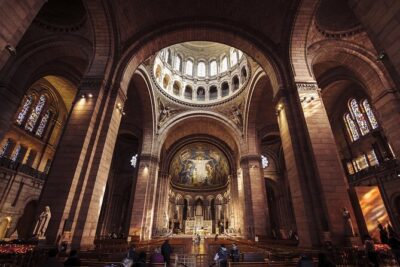
Paris in a Day: Louvre or Orsay, Eiffel Tower, City Walk & Cruise
Read our review →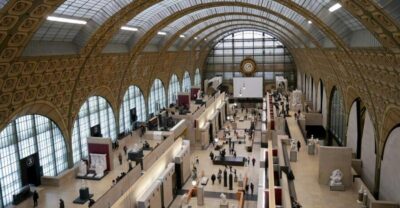
Musée d’Orsay Entry Ticket and Seine River Cruise
Read our review →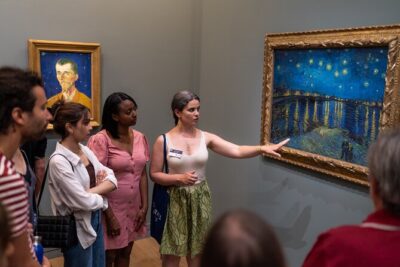
Musée d’Orsay Skip-the-Line Tour with Expert Guide
Read our review →
Musée d’Orsay Skip-the-Line Tour with Expert Guide
Read our review →
The Musée d’Orsay Guided Tour Orsay Museum Semi-Private 6ppl Max
Read our review →
Louvre & Musée d’Orsay Guided Museum Tour Semi-Private 6ppl Max
Read our review →
Browse the lists this tour appears in