
Reviewed · LE MARAIS TOURS
Marais: Discover the Medieval Heart of Paris
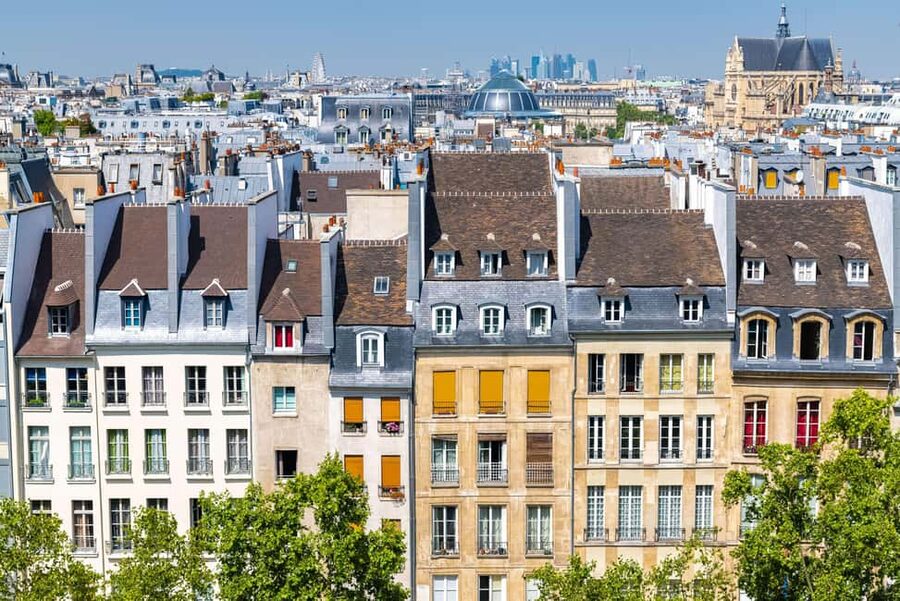
Marais is Paris in layers, and this walk shows you the layers in the order you can actually see them. You start with the idea that this area began as a swamp drained in the 13th century, then you follow the traces of Templar-era planning into medieval streets and hidden spaces, all inside the city proper around the Medieval quarter.
I love two things most. First, the guides, because you get crisp explanations from people like Max (energetic, politics and history background) and Sacha (answers every question and adapts when you ask). Second, you get time in places that feel personal, including secret gardens and tucked-in architectural moments you would not notice on your own.
One drawback to keep in mind is that it is a 150-minute walk, and parts can feel long when it is cold or rainy. Bring comfortable shoes, and follow the practical advice to carry an umbrella and water so you stay focused on the stories instead of the weather.
Key points
- Only Medieval quarter of Paris, shaped by medieval design and later aristocratic life
- Old and modern Marais in one route, from Place des Vosges to a photo stop at Centre Pompidou
- Jewish culture with real landmarks, including the oldest synagogue in Paris and an Art Deco synagogue
- Food streets without a script, especially around Rue des Rosiers for falafel and sweets
- Hidden spaces you would miss, plus Masonic temples and lodges in the story
- Victor Hugo in person, with a visit to his Paris home
Why the Marais still feels different from the rest of Paris
The Marais is famous, but this tour treats it like a living timeline. You are not just looking at big sights, you are tracking how the neighborhood changed from medieval foundations into the power and style district Paris turned it into.
What makes this area so compelling is the mix. The same streets can hold medieval architecture, Jewish community landmarks, and modern shopping stops right down the road. You also get the people side of it, from royal ministers and courtesans to courtyards tied to writers and artists.
And yes, there is also a modern Marais feel here, including designer boutiques and a nightlife pulse that connects to the city’s LGBT scene. That matters, because it prevents the whole walk from turning into a history lecture. You are meant to see how old walls now frame present-day Paris.
More tours of the Marais:
- Award-Winning Paris French Bakery Experience — Le Marais, 4th Arr
★ 4.5 · 1,186 reviews - Paris Le Marais Food Tour With 10+ Tastings, Cheese, Wine & More
★ 5.0 · 985 reviews - Paris Le Marais District Original Food and Wine Tasting Tour
★ 4.5 · 880 reviews
Starting at Bastille, then walking into Place des Vosges
You begin at 3bis Pl. de la Bastille, with your guide waiting at the metro exit. Look for the sign that reads My Super Tour at the exit for Bastille, and you can reach the station via metro lines 1, 5, and 8.
The first stretch helps you get your bearings fast. A short walk gets you from the Bastille side toward the heart of the district, and along the way you learn how this area collected layers of different residents over time. The Bastille connection matters because the neighborhood’s story includes prisoners and power, not only salons and shops.
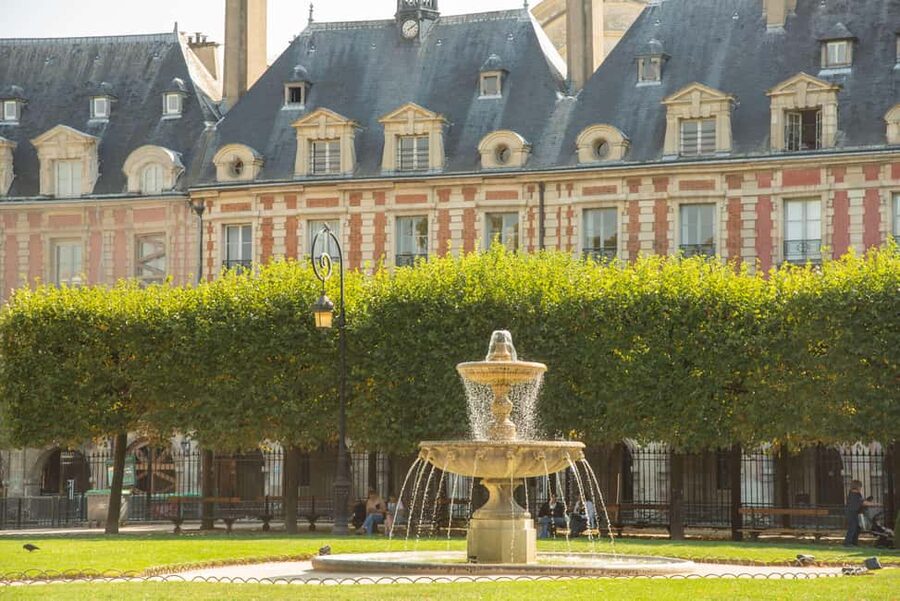
Then you reach Place des Vosges, the oldest square in Paris. This stop works because it gives you a clean visual anchor. Standing in a place like this, you can understand why the Marais became such a magnet for elite living, later on housed in grand mansions around the square.
If you are sensitive to cold, this is the moment where weather can affect your enjoyment. Squares are open. If it is raining, you will appreciate the umbrella plan, because you will still want to pause and look up at the buildings instead of rushing through.
Maison de Victor Hugo and Hôtel de Sully, writers and ministers in the same breath
From Place des Vosges, the tour shifts to two stops that bring you directly into personal stories.
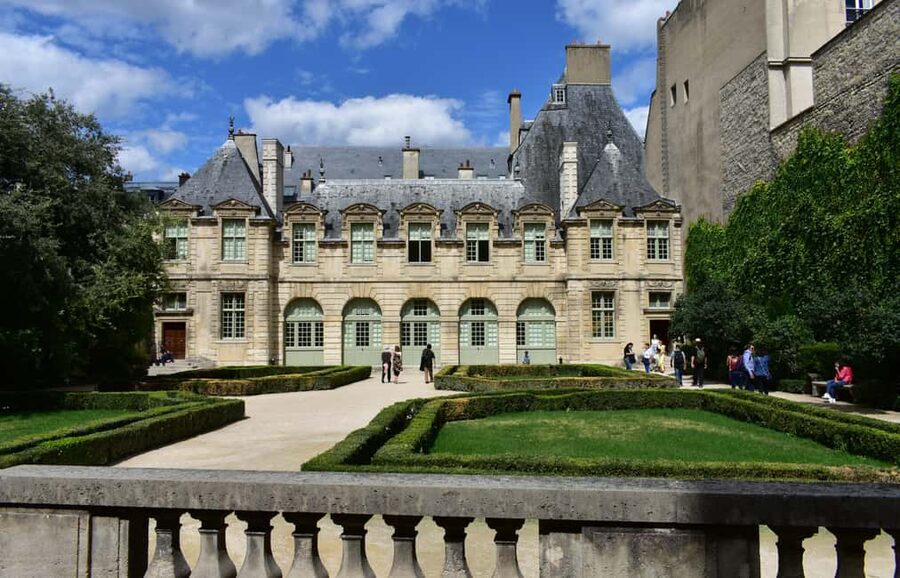
At Maison de Victor Hugo, you visit the home connected to one of France’s most iconic writers. This is more than a photo stop. The point is to connect the author to the neighborhood, not to treat literature as something separate from street life.
Next comes Hôtel de Sully. You get a mix here: a photo stop plus a visit and guided tour. This kind of stop is valuable because you see the scale of older Paris power, the way aristocratic residences were designed, and why the Marais became a place where influence wanted to live close to other influence.
Here is the balance to appreciate. Some parts of the walk are all atmosphere. These stops give you structure and context. You start to understand how the same streets could host royal ministers in one era and completely different social groups later.
Street fronts and a secret stop that feels like Paris magic
Between the big names, the tour keeps steering you toward everyday architecture. A stretch around Rue Saint-Antoine gives you time to look at facades and street character, not just landmarks.
Then you hit a secret stop, with a photo moment and guided tour. This is the part of the tour that makes sense for people who want more than a checklist. The guide points you toward corners where you would naturally slow down, even if you did not know why they matter.
In my opinion, this is also where a strong guide can change everything. When your guide is like Sacha, who stays on top of details and answers quickly, these smaller moments stop feeling random. They start feeling like clues in a larger puzzle.
If your goal is photography, bring your patience. These are not long museum-style blocks. You get focused time, then you move on while the neighborhood is still doing its job, showing you something new every few minutes.
Still in Paris, but a different sort of outing:
- Paris: Louvre Museum Timed-Entrance Ticket
★ 4.6 · 71,977 reviews - Disneyland® Paris 1-Day Ticket
★ 4.6 · 49,412 reviews - Paris: Versailles Palace and Gardens Full Access Ticket
★ 4.6 · 41,579 reviews - Paris: Evening River Cruise with Music
★ 4.4 · 22,721 reviews
The Jewish quarter, synagogues with very different styles
Now you shift from mansions and writers into community landmarks, and the tone of the walk changes. You explore Jewish Paris through the neighborhood’s key gathering spots and the architecture connected to worship and identity.
One major highlight is the oldest synagogue in Paris, followed by the only synagogue in Art Deco style. That contrast is huge. It helps you see Jewish history in the city as both continuity and change, not one static photo.
This section also connects to food and everyday life. Around Rue des Rosiers, the walk includes street food time with a guided tour and sightseeing. You will pass places where you can pick up classics like falafel and sweets such as hamantaschen, plus Hanukkah Jelly Donuts. Even if you do not buy everything, the route makes it easy to understand why this street is so central to the area’s rhythm.
A practical note: street food stops can tempt you to snack heavily. If you want to keep pace, choose one or two items and treat the rest as options for later. A 150-minute tour can still move quickly even when you slow down to take pictures.
Hidden courtyards, medieval origins, and Masonic spaces
One of the tour’s clever ideas is that it ties medieval origins to spaces you would not find on your own. You learn that the area began as swamp land drained in the 13th century, then you trace how the neighborhood’s medieval architecture echoes into later centuries.
You also hear about concealed mansions from the 14th and 15th centuries, places that once housed noble inhabitants. The real magic here is the way this tour gets you into hidden spaces. The guides are not just pointing from the sidewalk. They lead you to places you would normally walk past.
Then there is the Masonic angle. The walk includes stops related to Masonic temples and lodges, with a sense of secret history and coded symbolism. Even if you are not deeply into that world, it gives you a different lens on how private societies shaped public architecture.
This is also where I think Max’s style shines, based on what I have seen from guides like him. When a guide has a background in politics and international relations, the neighborhood starts to feel like it had strategy, not just luck.
Halle des Blancs Manteaux, shops, and the Marais you can shop with
From the Jewish quarter, you transition to the modern Marais feel. You visit Halle des Blancs Manteaux, with guided tour time. This kind of stop matters because it keeps the neighborhood grounded in daily life. You are not stuck only in the past.
Then the route takes you toward shopping culture with a stop at UNIQLO LE MARAIS. This is brief, but it shows you something important about the modern Marais, how international brands and creative Paris coexist in the same streets as older architecture.
Next comes Picasso Museum Paris, with guided tour time plus sightseeing. If you like art, this is a good midpoint, because you are still close enough to the earlier stories that the whole area feels connected. If art museums are not your top priority, you can still enjoy it as a window into why the Marais attracted creative people for decades.
This block is also your cue to reset your pace. Take a few minutes to look at storefronts and side streets. The guide’s job is to keep you moving and pointing out what matters. Your job is to soak in the neighborhood texture without trying to see everything at once.
Archives garden and Centre Pompidou, old Paris meets modern energy
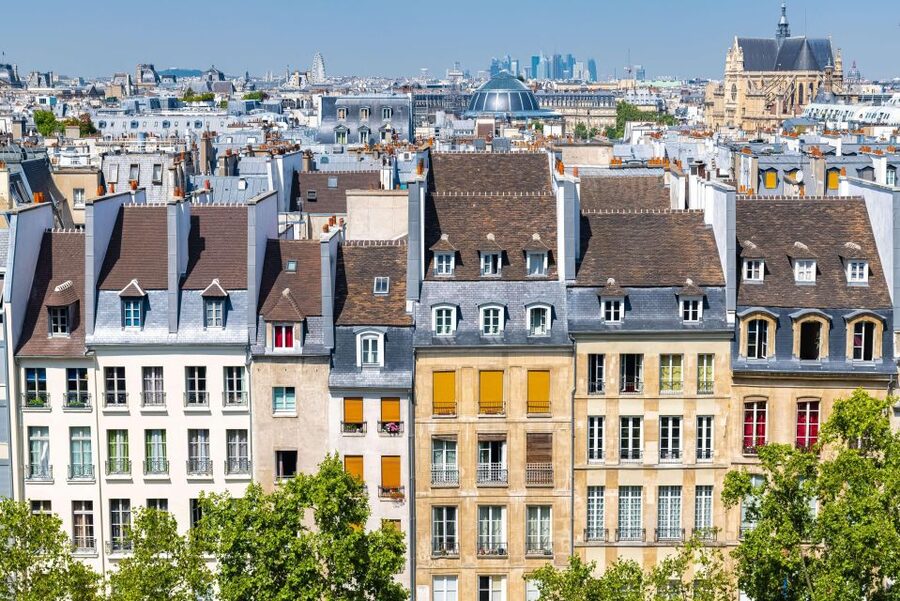
After art and shopping, you get a quieter contrast at the National Archives Garden. There is a photo stop, a visit, and guided tour time. Gardens change the mood immediately, and this pause helps you digest everything you just learned.
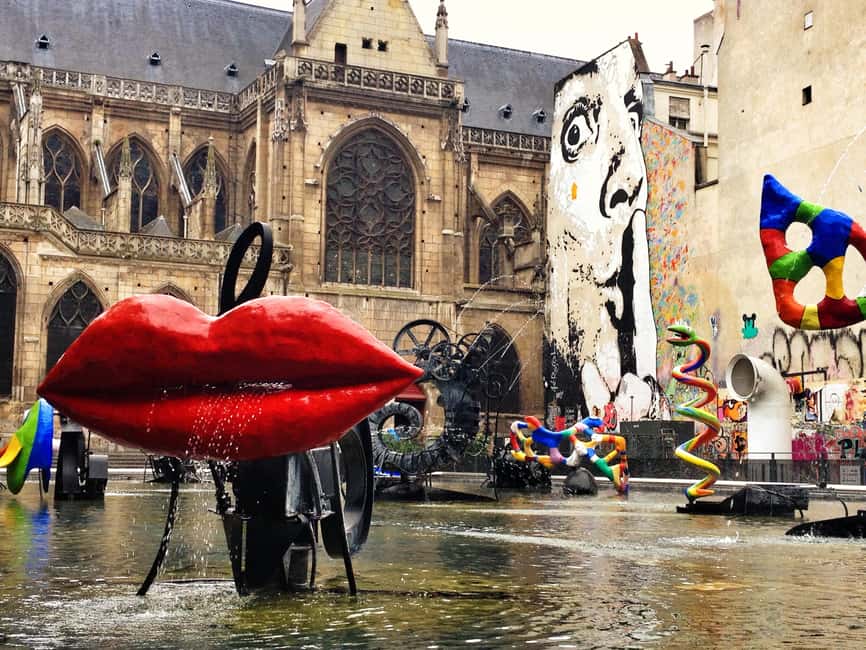
Then the tour ends toward the modern Paris side with a photo stop at Centre Pompidou and guided tour time. This works well because it gives you a dramatic visual reset. You have spent a lot of time with older architecture. Now you see a modern landmark that signals how Paris keeps evolving.
If you are hoping for a long sit-down break, this is not that kind of route. It is designed to keep your eyes working. Still, the garden stop gives you a moment where the day feels more human.
And if it is raining, the open areas near major landmarks can be tricky. You will likely appreciate the umbrella instruction again here, especially when you are moving from sheltered spots to photo-friendly viewpoints.
Price, time, and why it can feel worth it
At about $50 per person for 150 minutes, the value comes from two things.
First, you are not paying only for access to famous points. You are paying for a guide who can stitch together medieval origins, aristocratic life, Jewish landmarks, and modern Marais culture into one route you can actually follow on foot.
Second, the tour includes entry and guided components at multiple stops, not just outside views. Maison de Victor Hugo, Hôtel de Sully, and parts tied to the Jewish quarter and Masonic spaces are the difference between a basic walking tour and a tour that feels like you learned something new.
This is also the kind of experience where the guide quality can noticeably change your satisfaction. In the reviews, guides like Sacha and Malakas stand out for being energetic, interactive, and able to answer questions. That is exactly what you want when a district has layered stories.
Who should book this Marais walk
This tour fits you best if you want:
- A structured way to understand the Marais, with medieval roots and modern Paris in the same day
- Jewish history in a practical form, using synagogue architecture and neighborhood streets as your guide
- Off-the-main-walk curiosity, including hidden spaces and a secret stop
- A blend of culture and real-world life, from Place des Vosges to food streets like Rue des Rosiers
It may not be the best match if you need a lot of free time. Some stops include photo time or shorter visits, and the pacing is meant to cover many layers in 150 minutes.
It is a strong choice for couples, solo travelers who like guided context, and families who do better with someone explaining what they are seeing. If your travel group includes teenagers or school-age kids, a lively guide can make the stories land.
What to pack and how to plan your day
This tour is walk-forward, so plan for your feet. Wear comfortable shoes, and bring a bottle of water. The advice is also to bring an umbrella for security, which is the kind of note you should treat seriously in Paris weather.
Try to eat something light before you go. Rue des Rosiers can pull you toward street food, and you may want to buy a snack or two while you are there. If you eat a full meal first, you can still enjoy the smells and looks without feeling stuffed.
If you want photos, keep your camera ready around open squares and major landmarks. The tour gives you a lot of short windows, and quick preparation helps you catch the angle you want.
Should you book this Marais tour?
I’d book it if you are trying to understand the Marais in one focused afternoon. You get medieval origins, key landmarks tied to Victor Hugo, Jewish community sites including the oldest synagogue and an Art Deco synagogue, plus a modern Paris ending near Centre Pompidou. It is a lot for 150 minutes, and that is the point.
Skip it if your idea of a perfect day is slow museum time and long breaks in one place. This tour moves, and you will enjoy it most if you like walking and learning as you go.
FAQ
How long is the Marais tour?
The tour duration is 150 minutes.
How much does it cost?
The price is $50 per person.
Where do I meet the guide?
Meet at 3bis Pl. de la Bastille. The guide waits with a sign that reads My Super Tour at the exit of the metro station Bastille, exit 7 (sortie 79).
Which metro lines can I use to get there?
The Bastille station can be reached by metro lines 1, 5, and 8.
What languages are available for the live guide?
The live tour guide is available in English and Russian.
Is there anything I should bring with me?
Bring comfortable shoes, and also bring a bottle of water.
Should I bring an umbrella?
Yes. You are advised to bring an umbrella for security.
What is included in the tour price?
The tour includes an experienced professional local guide.
What is not included?
A bottle of water is not included. You should also bring an umbrella for security.
Is free cancellation available, and how far in advance?
Yes. Free cancellation is available up to 24 hours in advance for a full refund.
Recently added around Paris
- Paris: Louvre Masterpieces Private Tour with Reserved Entry★ 4.3 · 144 reviews
- Paris: Living Cheese Museum Guided Tour with Cheese Tasting★ 4.8 · 182 reviews
- Paris Louvre Exclusive Semi Private Guided Tour Max 6 People★ 4.6 · 28 reviews
- Paris: Louvre Guided Tour with Skip-the-Line Entry Tickets★ 3.5 · 73 reviews
- Paris Le Marais Walking Tour: Small Group Experience★ 5.0 · 7 reviews
- Paris: Lemon Tart Baking Class with a Pastry Chef★ 5.0 · 4 reviews
- Paris: Live Guided Cruise with Crepe and Soft Drink★ 3.9 · 14 reviews
- Paris Le Marais Food Tour: Full Traditional French Feast★ 4.8 · 119 reviews
Le Marais Tours, compared.

Award-Winning Paris French Bakery Experience — Le Marais, 4th Arr
Read our review →
Paris Le Marais Food Tour With 10+ Tastings, Cheese, Wine & More
Read our review →
Paris Le Marais District Original Food and Wine Tasting Tour
Read our review →
Paris Bike Tour Hidden Secrets in the Latin Quarter & Le Marais neighborhoods
Read our review →
Food and Wine Tasting Walking Tour in Le Marais
Read our review →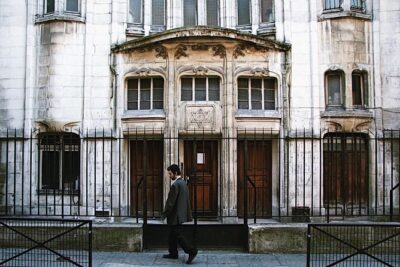
Le Marais District & Jewish Quarter Guided Walking Tour 12ppl Max
Read our review →
Le Marais/Paris – The Historic, Trendy, Jewish, LGBT district
Read our review →
Paris Le Marais Food & Wine Tour with Eating Europe
Read our review →Browse the lists this tour appears in