
Reviewed · LOUVRE TOURS & TICKETS
Louvre and Musée d’Orsay with Reserved Entry Ticket
The big draw here is that you get two of Paris’s hardest-to-plan museums in one smooth 5.5-hour art story, instead of wandering in circles for hours. I really like the reserved entry setup for faster access, and I like the way the guide keeps it chronological, so the collections start to make sense fast. One watch-out: there’s a high amount of walking, and the pace can feel like a sprint if you’re not used to museum days.
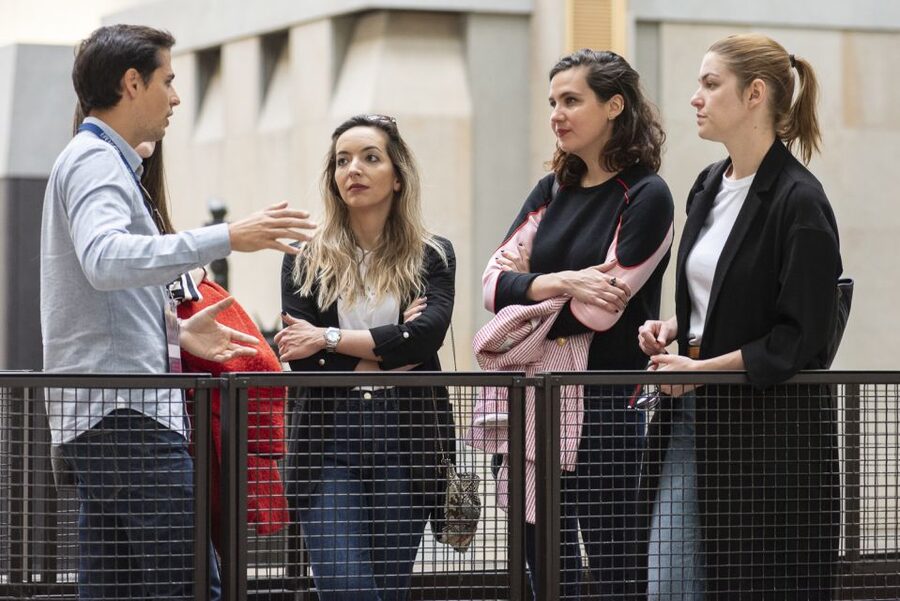
You’ll start at the Louvre, then cross over to the Musée d’Orsay with a quick, guided walk, and you’ll be able to stay after the tour if you want extra time in the galleries. I also like that the group stays small, with a maximum of 6 guests per guide, which helps when you want answers, not just information. The experience is offered with live guides in several languages, and the approach from guides such as Dunya, Alex, and Daniel stands out for good storytelling and smart pacing between both museums.
Key things that make this Louvre and Orsay tour work
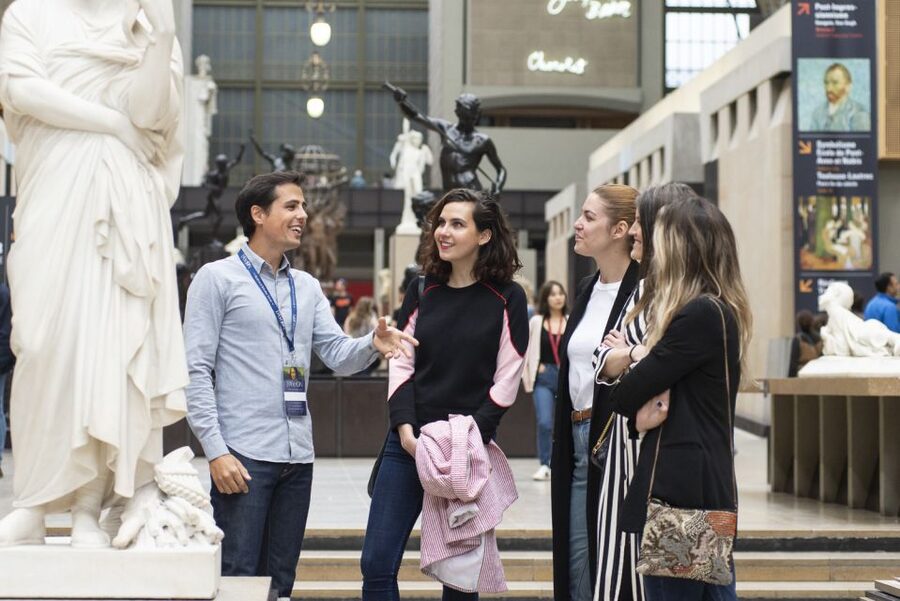
- Reserved entry to both museums, so you lose less time waiting
- A chronological art timeline, starting with Ancient Greece and moving forward in time
- Mona Lisa included, with context so you’re not just seeing a famous face
- Louvre architecture lessons, including how the building’s palace past shapes what you see
- Musée d’Orsay in a Beaux Arts former train station, with 19th-century French art front and center
- Small groups, capped at 6 guests per guide for a more personal rhythm
Why the Louvre and Musée d’Orsay in one day makes sense

The Louvre and Orsay can feel like two different planets, even though they sit close together. The Louvre spans ages and places, while Orsay focuses tightly on 19th-century French art. Put them together with a guide, and you get a narrative arc instead of two separate museum checklists.
The timing is realistic. In 5.5 hours, you’re not trying to “see everything” at either museum, which is a good thing because both places are enormous. Instead, you’re building a framework: what art looked like, how styles changed, and why people painted the way they did.
This kind of day works especially well if it’s your first trip to Paris and you want maximum payoff without burning your feet on random room-hunting. If you already know art history and want deep study of one movement or one artist, you might want a longer, single-museum plan. But for most first-timers, this combo is strong value.
More Louvre tours and tickets:
- Paris: Louvre Museum Timed-Entrance Ticket
★ 4.6 · 71,977 reviews - Paris: Louvre Guided Tour with Reserved Access & Boat Cruise
★ 4.3 · 16,353 reviews - Louvre Museum Masterpieces Guided Tour with Access
★ 4.5 · 12,023 reviews
Reserved entry tickets: what changes for your day
Reserved entry does not magically remove crowds, but it does change your experience. You’re not spending your energy fighting lines. With faster access, you can put more time into the galleries where the guide wants you to be.
That matters because both museums reward attention. At the Louvre, a masterpiece can look obvious until you get context, like the story around myth, power, and portraiture. At Orsay, the difference between pre-Impressionism, Impressionism, and post-Impressionism is easier to spot when you see a curated sequence rather than jumping around.
Also, you’re free to keep exploring at the end of the guided portion. That’s a nice safety net. If you fall in love with a specific room or artist, you can linger after your planned route.
Louvre start: Ancient Greece, then the leap toward Da Vinci and the Mona Lisa

Your day starts at the Louvre, and the guide builds a chronological story right from the beginning. That opening is not random. Starting with Ancient Greek mythology gives you an early “language” for the rest of the museum, because so much European art later borrows from Greek gods, heroes, and classical themes.
From there, the Louvre becomes more understandable. You’ll move through key works that help explain how art evolved, not just what it looks like. I like this approach because it avoids the common museum trap of treating everything like isolated art posters.
A highlight is seeing major Leonardo da Vinci pieces, including the Mona Lisa. The Mona Lisa draws huge crowds, so context is everything. When you understand the why behind the image and what the painting represents in the larger story of art and technique, the experience feels less like a photo stop and more like an “aha” moment.
One practical note: you’re seeing a lot of ground in a limited time. That’s why the guide’s route matters. Instead of getting lost in the maze of rooms, you’re being guided to works that help the timeline click into place.
The Louvre’s palace past: why the building itself teaches art history
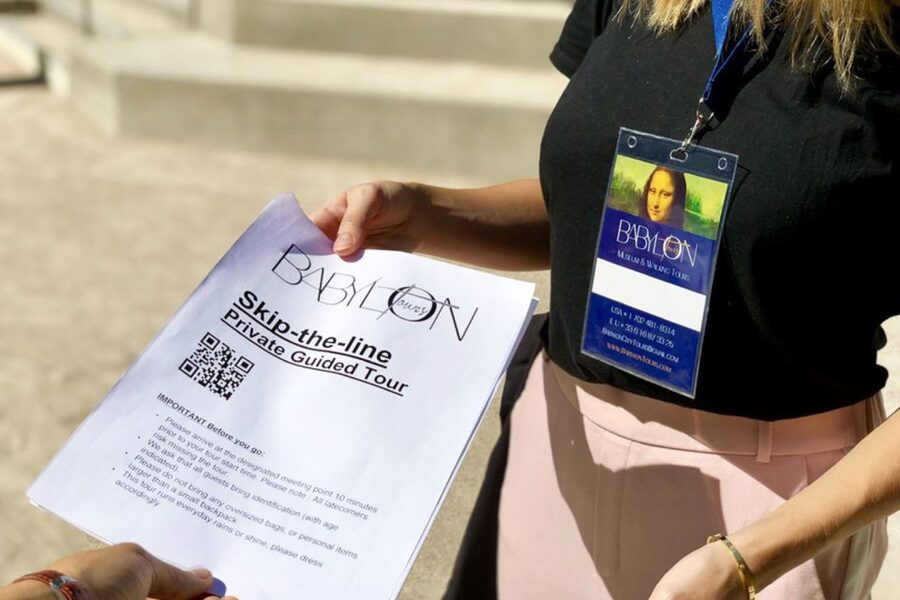
The Louvre is not just a container for art. It also has a past as a palace, and that shapes how you move through it and how the museum feels. A good guide makes you notice those layers.
You’ll learn about the architecture and the museum’s palace history, which sounds like trivia until you realize it affects your perspective. The Louvre’s grand layout and formal rooms tend to reinforce the sense that art has long been tied to politics, power, and status. That connection becomes clearer when your guide points it out as you go.
This is one of those “small” bonuses that can make the Louvre feel less overwhelming. With a narrative and architecture context, you stop thinking in terms of square footage and start thinking in terms of meaning.
More Orsay Museum tours and tickets:
- Paris in a Day: Louvre or Orsay, Eiffel Tower, City Walk & Cruise
★ 5.0 · 1,956 reviews - Paris: Musée d’Orsay Skip-the-Line Tour with Expert Guide
★ 4.5 · 1,145 reviews - Musée d’Orsay Skip-the-Line Tour with Expert Guide
★ 4.8 · 1,088 reviews - The Musée d’Orsay Guided Tour Orsay Museum Semi-Private 6ppl Max
★ 5.0 · 904 reviews
Lunch break, then a quick walk to Orsay
After the Louvre portion, there’s a lunch break included. That helps a lot, because a 5.5-hour museum day without a break can turn into grump mode fast.
You then continue to the Musée d’Orsay. The museums are close enough that it’s essentially a short walk, about 10 minutes, and your guide stays with you. The fact that it’s walkable is useful because you’re losing less time to transfers and waiting.
Here’s the smart part of the pacing. You’re not turning this into a full-day marathon in two separate locations. You’re using the closeness of the sites to keep the momentum, so you can enjoy the change in style rather than dread the next move.
Musée d’Orsay: Beaux Arts splendor and the 19th-century art focus

Orsay is the contrast act to the Louvre. Instead of sweeping across antiquity and centuries of European art, Orsay zeroes in on 19th-century French work. That focus is why it’s so powerful, especially if your main goal is to understand Impressionism and what came before and after it.
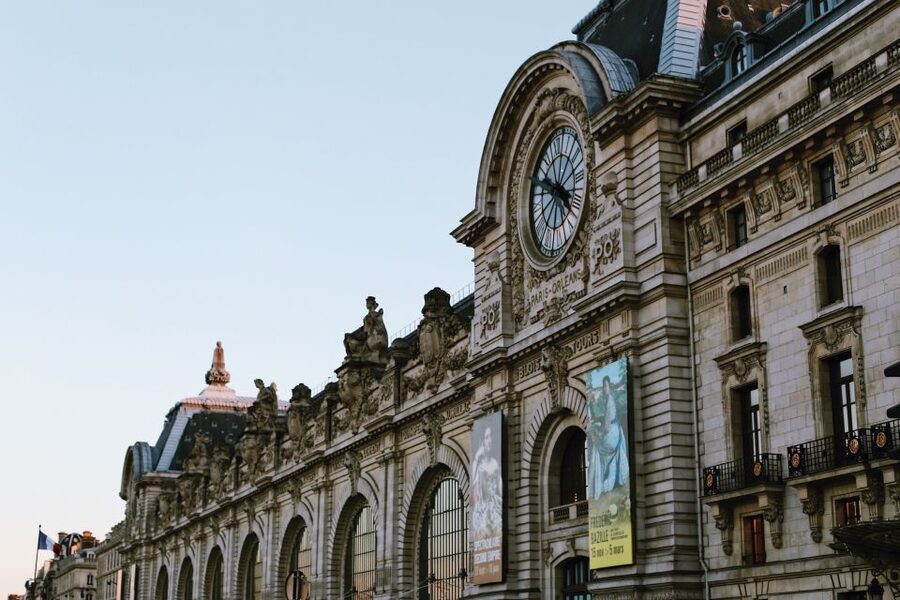
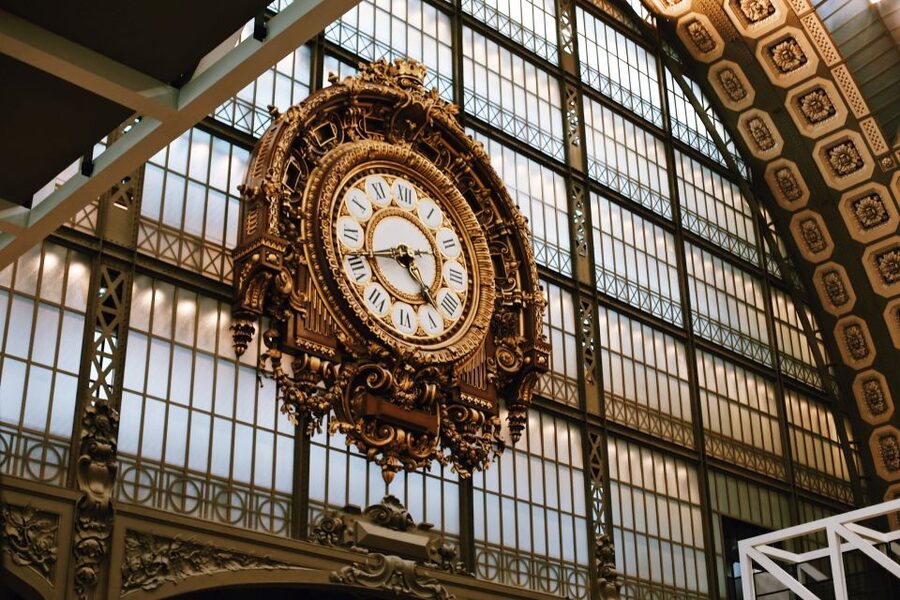
The building itself is part of the story. Orsay is housed in a beautiful Beaux Arts structure that used to be the Gare d’Orsay railway station. That history gives the museum a distinct atmosphere. Even if you’re not an architecture person, you’ll feel how the setting matches the era’s energy.
In Orsay, you’ll see major artists such as Manet, Renoir, Cézanne, and Gauguin. Your guide will connect techniques and style choices to the way these artists pushed against conventions. And if you’ve ever wondered what people mean when they say Impressionism was a rebellion, this is exactly the kind of museum where the idea becomes visible, not just theoretical.
How the guide ties it together across both museums
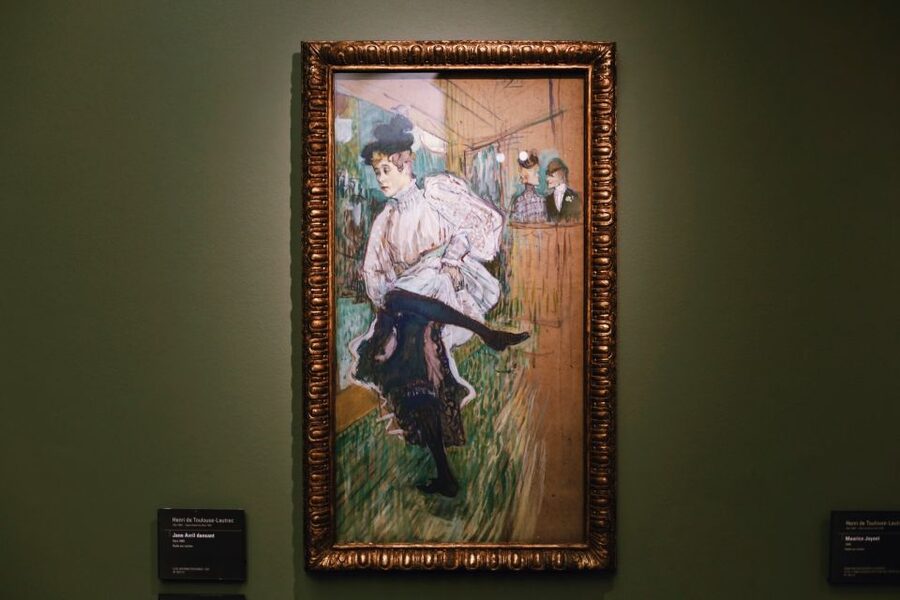
What makes this tour more than a ticket bundle is how the guide handles the timeline. The Louvre can overwhelm you with sheer volume, and Orsay can overwhelm you if you don’t know what to look for. A good guide does two things at once: selects key works and explains them in a way you can remember.
The strong reviews around guides such as Dunya, Alex, and Daniel point to a consistent theme: balanced coverage between both museums and storytelling that connects artists to each other through time. Alex, for example, is noted for being strong in English and for understanding different cultural expectations, which matters when you’re asking questions or trying to follow explanations while you’re in crowd conditions.
You also get a more flexible experience than you might expect from a tight schedule. One guide approach described is adjusting what you focus on based on your group’s interests. Even in a small-group cap, that can help you spend your limited time on the art that actually pulls you in.
Crowd reality, museum rules, and what to bring
Paris museums do not run on your schedule. So it helps to show up ready for museum friction.
First, there are rules on bags and luggage. You’re not allowed to bring luggage or large bags, and anything larger than 55 x 35 x 20 cm is not permitted. If you can travel light, do it. A small day bag you can comfortably manage will feel much easier than trying to squeeze bulky items through checkpoints.
Second, some rooms inside the museums require quiet or have restricted speaking rules. That’s normal in big institutions, but it matters for comfort. If you’re someone who likes to talk while looking, keep your voice down in those areas.
Third, plan for occasional closures. The tour notes that sometimes rooms or access can be affected without warning. If museum opening is delayed by more than an hour from the tour starting time, the operator provides an appropriate alternative, but it may not include refunds or discounts. Bottom line: be flexible, and keep expectations realistic.
What to bring is straightforward: passport or ID card.
Walking and stamina: be honest before you book
This is a high-walking experience. The tour is not positioned for people with walking disabilities, and it’s also listed as not suitable for wheelchair users. Wheelchair options are mentioned as available only on request, so if you fall into mobility needs, contact the provider before booking so you get an answer that matches the reality of the route and museum access that day.
If you can comfortably walk a few miles over uneven museum floors and stand for periods while looking at art, you’ll likely enjoy the pace. If not, you might spend more time feeling stressed than inspired.
One more stamina tip: wear shoes you trust. Museums are a special kind of footwear test. Don’t use a “new but hopeful” pair on a day like this.
Price and value: is $258 per person a fair deal
At $258 per person for about 5.5 hours, the value depends on what you’d do otherwise.
If you tried to do both museums on your own, you’d face three costs that add up fast: time spent figuring out what to prioritize, time lost entering crowded sites, and the mental fatigue of making sense of art periods without a thread. Reserved entry for both museums helps with the time cost. The guide helps with the meaning cost. Lunch included helps with the day-cost.
Also, the group size limit (up to 6 per guide) supports the idea that you’re paying for more than a generic escort. You’re paying for someone to build a coherent storyline through two massive collections in a short window.
If your budget is tight, you might choose to do one museum only, or do them on separate days. But if you want a single-day plan that gives you context and keeps you from wasting hours, this price starts to feel reasonable.
Who this tour is perfect for, and who should choose differently
This tour is a strong fit for you if:
- You want a guided art story from Ancient Greece to French Impressionism
- You care about seeing major works like the Mona Lisa, with explanation
- You like 19th-century French painting and want the Impressionist storyline made clear
- You want small-group attention rather than a large crowd scramble
You might want a different plan if:
- You want deep study of one era, one artist, or one collection
- You strongly prefer minimal walking
- You need wheelchair-friendly routing and clear accessibility guarantees for a tight museum day
Quick planning tips to make it feel effortless
A few small moves will make the day smoother:
- Bring a compact bag within the size limit, since big bags are not allowed
- Wear comfortable shoes for long gallery stretches
- Keep your expectations tuned to “best hits with context,” not “see every room”
- If you care most about one museum, mention that to the guide when you meet them, so the time feels personally relevant
Should you book the Louvre and Musée d’Orsay with reserved entry?
I think you should book it if you want a smart, guided way to connect two huge museums into one coherent art timeline. The reserved entry plus a guided sequence from myth through Impressionism is the kind of structure that saves time and reduces the overwhelm factor.
Skip this option if you need a slow, flexible museum day, or if your mobility needs make heavy walking a problem. In that case, you’ll probably enjoy a single-museum plan where pacing and access can be more controlled.
If you’re deciding between doing it yourself or with a guide, my advice is simple: if you want meaning, not just sightseeing, this is one of the easiest ways to get it in a short window.
FAQ
How long is the Louvre and Musée d’Orsay tour?
The tour lasts about 5.5 hours. Starting times can vary, so you’ll want to check availability for the specific day you plan to go.
Is reserved entry included for both museums?
Yes. You get a reserved entry ticket for both the Louvre Museum and Musée d’Orsay, which helps with quicker access to the museums.
Is lunch included?
Yes. A lunch break is included during the tour.
What languages are available for the live guide?
The live tour guide is available in Spanish, English, German, Italian, French, and Russian.
Are large bags or luggage allowed?
No. Luggage or large bags are not allowed, and items exceeding 55 x 35 x 20 cm are not permitted in the museums.
Is the tour suitable for wheelchair users or people with mobility impairments?
The tour is listed as not suitable for wheelchair users and people with mobility impairments. Wheelchair tours are only mentioned as available on request, so if mobility is a concern, contact the provider before booking to confirm what can be arranged.
Recently added around Paris
- Paris: Louvre Masterpieces Private Tour with Reserved Entry★ 4.3 · 144 reviews
- Paris: Living Cheese Museum Guided Tour with Cheese Tasting★ 4.8 · 182 reviews
- Paris Louvre Exclusive Semi Private Guided Tour Max 6 People★ 4.6 · 28 reviews
- Paris: Louvre Guided Tour with Skip-the-Line Entry Tickets★ 3.5 · 73 reviews
- Paris Le Marais Walking Tour: Small Group Experience★ 5.0 · 7 reviews
- Paris: Lemon Tart Baking Class with a Pastry Chef★ 5.0 · 4 reviews
- Paris: Live Guided Cruise with Crepe and Soft Drink★ 3.9 · 14 reviews
- Paris Le Marais Food Tour: Full Traditional French Feast★ 4.8 · 119 reviews
Louvre Tours & Tickets, compared.

Louvre Guided Tour with Reserved Access & Boat Cruise
Read our review →
Louvre Museum Masterpieces Guided Tour with Access
Read our review →
Louvre Museum Entry Ticket With Host and River Cruise
Read our review →
Priority Access Louvre with Host -Direct to Mona Lisa
Read our review →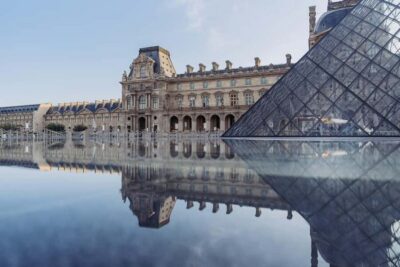
Mona Lisa & Louvre Masterpieces Tour with Reserved Access
Read our review →
Louvre Museum – Exclusive Guided Tour (Entry Included)
Read our review →
Louvre Reserved Ticket and River Cruise Combo
Read our review →Browse the lists this tour appears in