
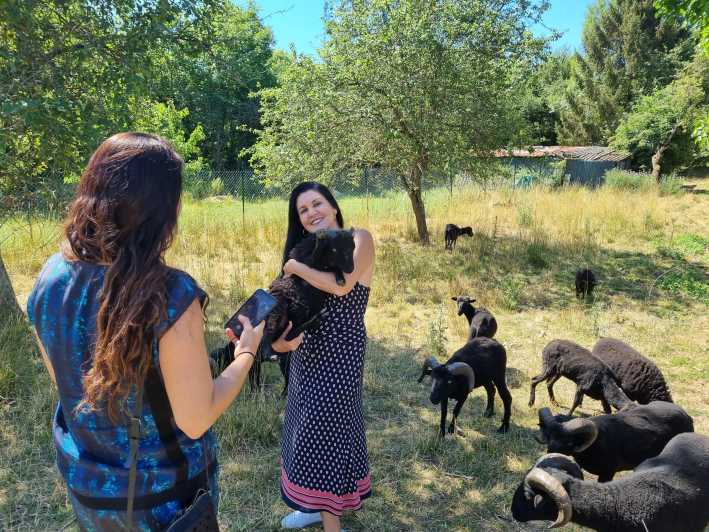
Reviewed · CHAMPAGNE DAY TRIPS
Champagne Vineyard Experience: Delve into the terroir
A Champagne tour gets interesting when it is about the land, not just the sparkle. At Champagne Harlin Père & Fils, you walk through grandfather’s vines and then drop into a historic cellar, guided with the kind of focus you want when you are paying attention to soil, slopes, and vines.
I especially like the way this experience connects terroir to what ends up in your glass. You get a tasting of champagnes plus their emblematic Ratafia Champenois, and the guide walks you through how to taste instead of just handing you pours.
One possible drawback is that value depends on what you expect from the stop. If you want a big, high-volume tasting or a mostly quiet, no-frills cellar visit, you might feel the presentation is more structured than you hoped.
Key points if you care about the details
- Oldest vines, real estate of the vineyard: You tour the estate’s oldest vines and see how the viticulture shows up on the ground.
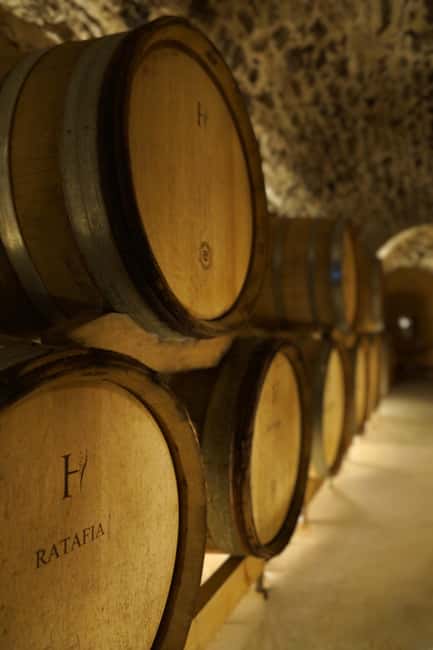
- Historic cellar route: You descend into the cool depths where Champagne production really comes to life.
- Two styles of tasting: You taste champagnes and Ratafia Champenois, a distinctive local specialty.
- Biodiversity and sustainable choices: You meet a producer who cares about biodiversity preservation.
- Guides who explain, not just recite: Many guests highlight clear, enthusiastic explanations, with guides like Sarah and Chléo mentioned by name.
- Stairs are part of the deal: There are some steps on the vineyard walk and when you move between cellar spaces and the tasting room.
Champagne Harlin’s terroir tour starts with the right kind of question
This is not a one-note Champagne stop where the only story is bubbles and brands. The tour is built around a simple idea: your glass tastes the way it does because of the specific soils, vineyard age, and growing choices behind the scenes.
You begin at the courtyard of Champagne Harlin Père & Fils, at 8 Rue de la Fontaine. From the start, the guide sets the tone, with a mindset that blends agriculture and craftsmanship, then carries it into the cellar and the tasting.
Because it is designed for about 90 minutes, you also avoid the “too long, too general” feeling that can happen on some bigger group tours. This format gives you enough time to learn the basics and actually connect those basics to what you taste.
More wine tastings in Champagne:
- Champagne Day Trip with 6 Tastings, Reims and Winery from Paris
★ 5.0 · 902 reviews - From Reims: Champagne and Family-Run Wineries Tour
★ 4.8 · 671 reviews - Epernay: Winery and Cellar Tour with Champagne Tasting
★ 4.5 · 42 reviews
Where you go first: grandfather’s garden and the vine walk
The first chunk of your visit focuses on the estate itself, starting with the garden area where the grandfather’s vines grow. That detail matters more than you might think, because vine age is one of the most practical windows into a vineyard’s character.
As you move through the property, you get the sense that the tour is teaching you how to observe. Instead of rushing to the cellar, you learn to look at how the vines are managed and how the estate organizes its space, with an emphasis on organic and sustainable viticulture.
Expect a short promenade in the vines, not a long hike. One guest specifically called out that it feels like a gentle walk through the vineyard setting before the cellar, so you are not dropped into a full-on outdoor workout.
And do plan for a few steps. At least one guide-led experience mentions stairs during the vineyard and especially when accessing the caves and the tasting room. Wear shoes you are comfortable moving in, because you will be on uneven ground.
Oldest vines and soil talk: why this matters to your tasting
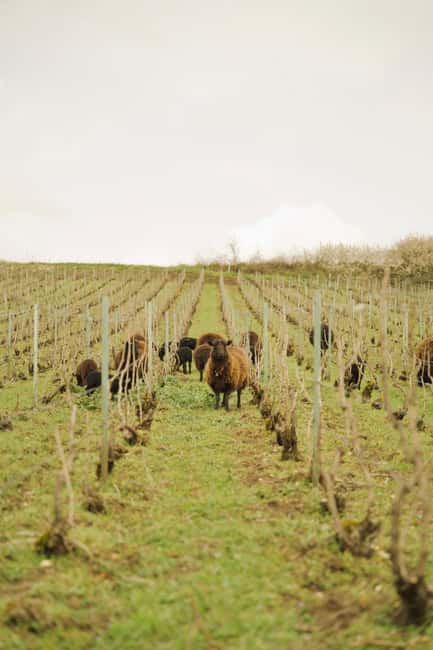
A “tour in our oldest vines” sounds like a marketing line until you connect it to what Champagne buyers care about: consistency, complexity, and how vineyards express themselves over time. Older vines tend to produce fewer grapes, and they can also reflect how the roots interact with the deeper soil.
This tour links that vine age to cuvées. You are guided through how soils shape each blend, and you get a plain-language explanation of why the same grape variety can produce different flavors depending on where it grows.
You also hear the producer’s perspective on sustainable viticulture and biodiversity preservation. One of the highlights is meeting a Champagne producer who has a strong commitment to protecting biodiversity, and that theme is not just a pledge. It’s presented as part of how the estate farms and why the vineyard environment matters.
If you like learning by seeing, this part hits. It is the difference between hearing that a vineyard is “special” and understanding what “special” means in practical terms.
Entering the historic cellar: what cool depth does to Champagne
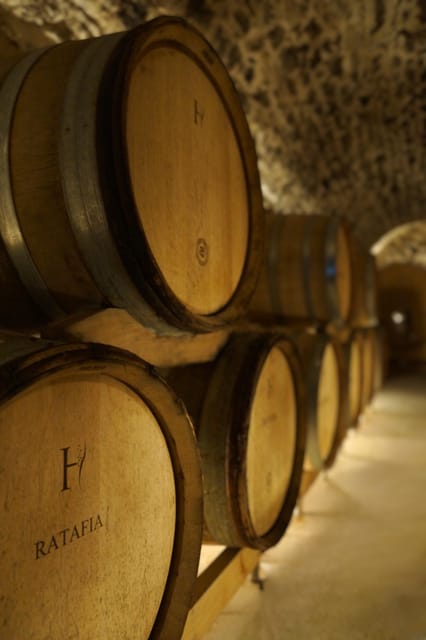
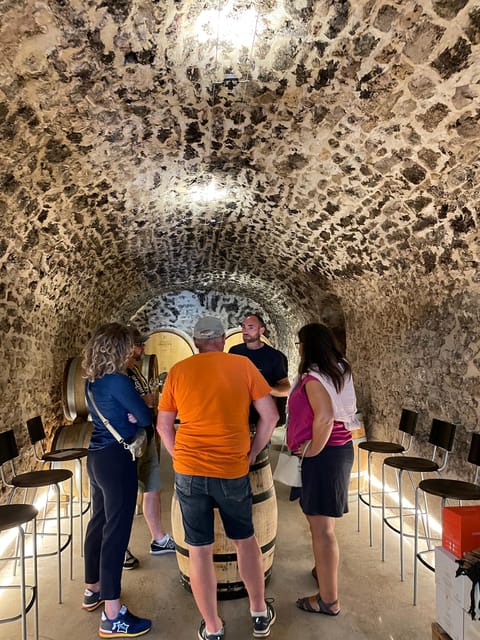
After the vineyard and garden sections, you head down into the cellar spaces that support Champagne production. The tour includes a look at a historic cellar, with the guide sharing production secrets and explaining what happens to the wine as it matures.
The cellar is where Champagne becomes less about farming and more about precision. Temperature, time, and storage conditions are a huge part of the final character, and that is hard to grasp from reading brochures. Being in the cool depths makes the explanation feel real, not theoretical.
You also get a sense of the physical process behind the product: how Champagne is supported by the architecture and workflow of the estate. The tour is paced to keep you moving, with enough stops to explain the big steps without turning it into a lecture that loses people.
Do keep in mind the movement pattern. One guest noted that there are stairs to access the caves and to reach the tasting room. If you are sensitive to steps, plan your footing and go slowly when the tour turns into the cellar corridors.
More Champagne day trips:
- From Paris: Day Trip to Champagne with 8 Tastings & Lunch
★ 4.8 · 1,501 reviews - From Paris: Reims and Champagne Tasting Full-Day Tour
★ 4.8 · 610 reviews - Champagne Day Trip from Paris with 8 Tastings & Lunch
★ 4.5 · 607 reviews - Reims afternoon tour Champagne and family growers
★ 5.0 · 535 reviews
Meet the producer, then connect farming to flavor
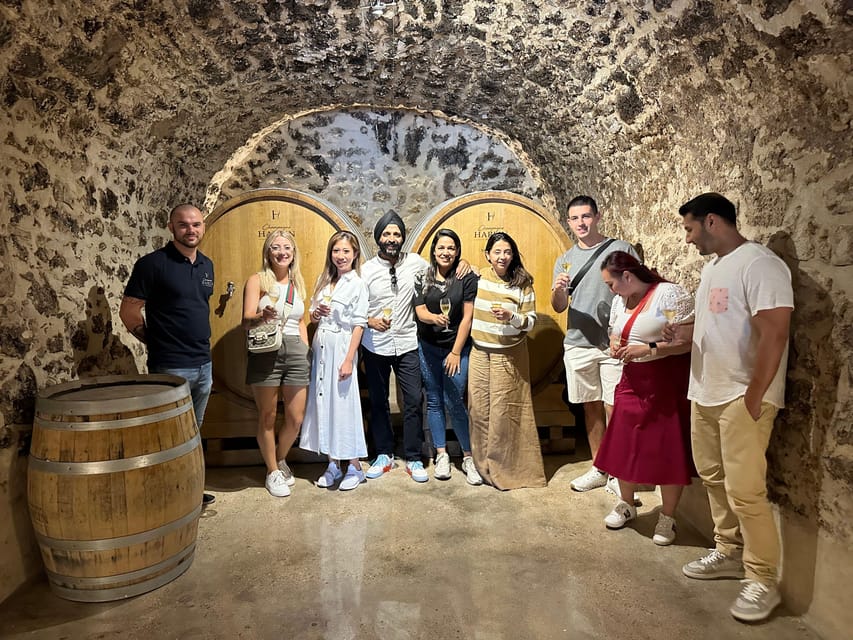
One of the strongest reasons to choose this tour is that it includes a real meeting with a Champagne producer who cares about biodiversity. That is useful, because it stops the story from being only about technique. You get context about why certain choices are made in the vineyard.
The tour frames this as organic and sustainable viticulture, with a focus on how soils shape each cuvée. When the producer talks about biodiversity, it also helps you understand why the vineyard environment is treated like something worth protecting, not just managing for maximum yield.
This is where the tour becomes more than a normal stop. It turns the tasting into a conversation you can follow: if they farm a certain way, you can listen for how the wines show that care.
And because the guide explains the art of tasting during the experience, you end the cellar portion with a framework. You are not just sipping. You are practicing what to notice.
The tastings: champagnes, then Ratafia Champenois
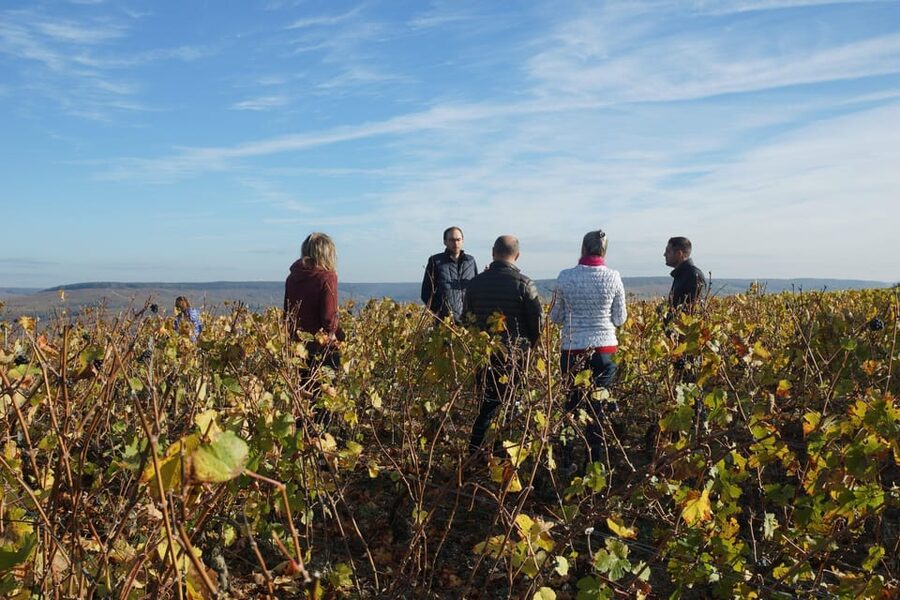
The tasting portion includes champagnes and their emblematic Ratafia Champenois. That second ingredient is what makes this stop stand out, because Ratafia is not something you see on every Champagne tour menu.
Ratafia Champenois is presented as a way to experience the terroirs associated with the estate, including Mareuil-le-Port, Épernay, and Tours-sur-Marne. Even if you do not know those places yet, the guide gives you enough structure to understand how those origins can show up in flavor.
The tasting time is about 30 minutes. That is long enough to get a real sense of differences, but short enough that you stay sharp. If you tend to get overwhelmed on long tastings, this pacing is a plus.
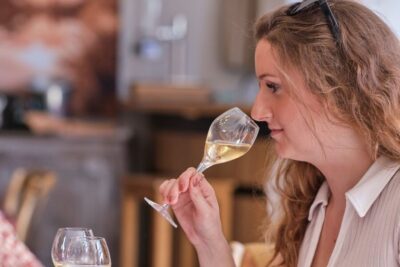
There is also an emphasis on learning the art of tasting. In practice, that usually means you are guided through how to look, smell, and taste in a way that connects to the vineyard story you just heard. You end up tasting with questions in mind, which makes the experience feel more personal and less like a routine.
For families, the rules are straightforward. Children under 18 can accompany you, but they are not permitted to drink alcohol under French laws. Fruit juices can be provided so kids still participate in the moment, even if they are not tasting the same pours.
What $28 buys you, and when it is a good deal
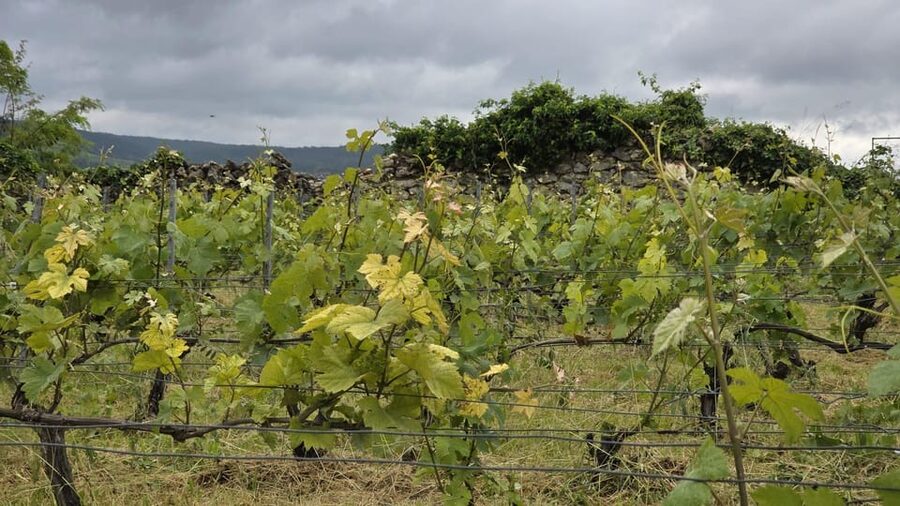
At $28 per person for a 90-minute guided experience with tastings, this is priced like a focused, mid-length tour rather than an all-day Champagne event.
Here is why I think it can be good value:
- You get a guided walk through garden and vines, not just a cellar visit.
- You get access to a historic cellar setting plus a production-focused explanation.
- You receive a tasting that includes both champagnes and Ratafia Champenois.
- You also meet a producer with an explicit biodiversity commitment, which adds a layer beyond wine alone.
Still, balance matters. One mixed review mentioned that the value felt off and that the tasting did not match expectations, including criticism about the price-to-content ratio. That kind of mismatch tends to happen when someone expects more pours, more time, or a more casual, less staged flow.
My advice: if you want a guided, structured learning experience where the goal is terroir understanding and tasting basics, you are likely to feel the price is fair. If you want heavy drinking time or a bigger tasting menu, you may want to look at options that are more tasting-centric.
Pace and comfort: the tour feels like walking plus stairs
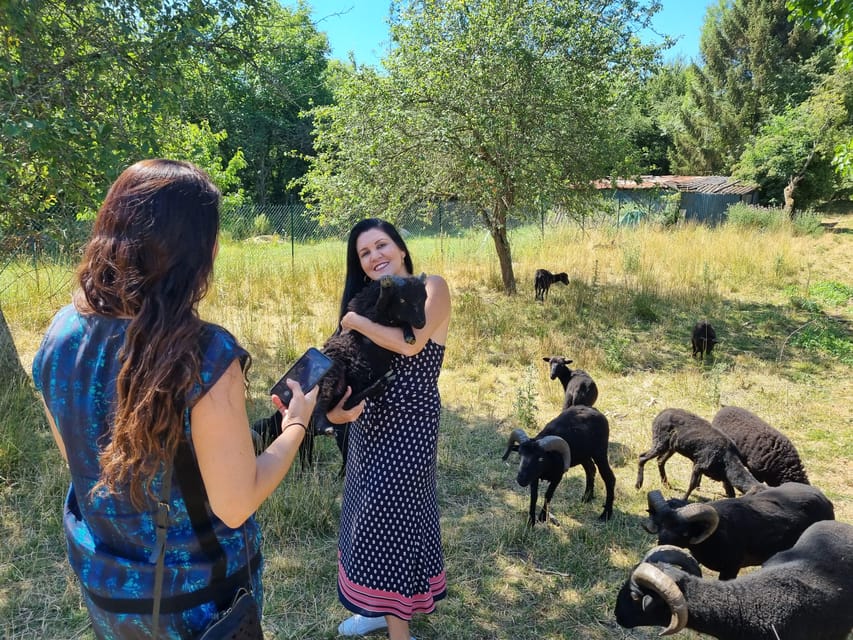
This is a walking and cellar tour, so your comfort matters. The vineyard portion includes a promenade, and you should expect some steps. There are stairs to reach cellar areas and to get to the tasting room.
If you are traveling with older relatives or you have mobility limitations, think ahead about those stairs. The tour is only 90 minutes, which helps, but you still want to plan for short bursts of climbing.
Also plan for typical cellar conditions. Cellars stay cool, and you might appreciate a light layer even in warmer months. Bring practical shoes, not flip-flops, because you are moving from outdoor ground to cellar floors.
On the plus side, the experience is described as varied and captivating. Guests highlight that the tour does not feel repetitive, and the guide energy can make the technical parts easier to follow.
Guides, energy, and learning style
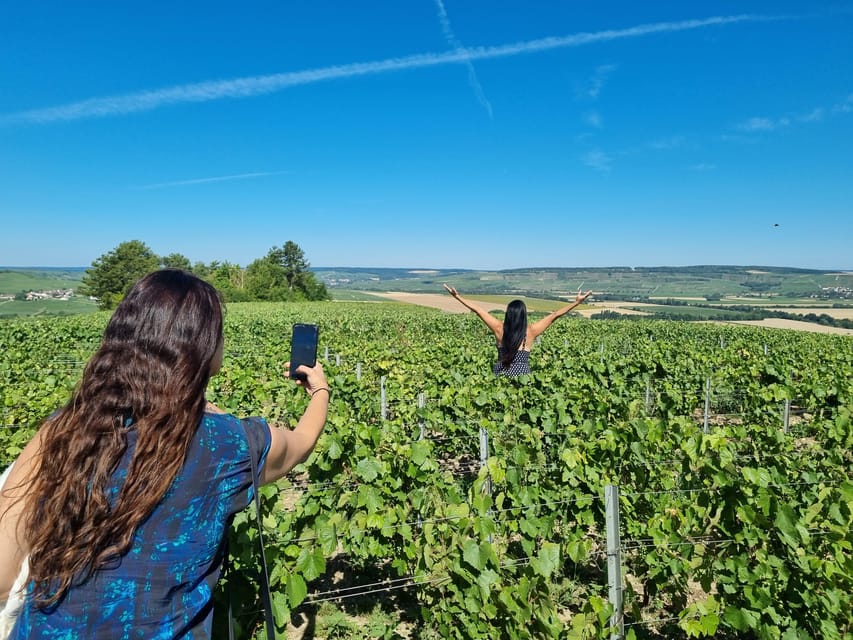
The best version of this tour is when the guide keeps the explanations clear while staying passionate. Multiple guests praise guides for being enthusiastic, engaging, and generous with information.
Names mentioned by guests include Sarah and Chléo. You might also find the experience runs with one guide, or in some circumstances with more than one guide, which can create a smaller-group feel and more back-and-forth learning.
If you like to ask questions, you are likely to enjoy this format. The guide’s role is not just to show you the room, it is to connect what you see to what you taste and help you learn the basics of tasting like a simple, repeatable skill.
Just note the possible downside mentioned earlier: if you do not enjoy a more performative or scripted style, you might focus more on delivery than on wine.
Who should book Champagne Harlin’s terroir experience
This tour is a strong fit if you like:
- Learning how vineyard age and soil connect to Champagne flavor.
- A guided tasting that includes something local and distinctive like Ratafia Champenois.
- Sustainable agriculture and biodiversity as part of the wine story.
- A 90-minute length that feels like you actually finished the lesson, not just started it.
It is also friendly for families who want the full experience, as long as you accept that under 18 guests can join but cannot drink alcohol. Fruit juice can be provided for the kids, so everyone stays included.
Consider skipping or comparing other options if your #1 goal is maximum drinking time or you want a tasting that feels purely casual with little structure. This tour is about understanding and tasting, not about stretching out the table.
Should you book Champagne Harlin’s Champagne Vineyard Experience?
If your ideal day is part vineyard walk, part cellar education, and part hands-on tasting, I think you should book this tour. At $28 for a 90-minute guided visit that includes champagnes and Ratafia Champenois, it checks the right boxes for value, learning, and flavor.
Book it especially if you care about terroir and sustainability, because the producer meeting and the biodiversity focus add real substance. And do not underestimate the practical side: bring comfortable shoes for stairs, expect a cool cellar, and keep an open mind about the structured way the experience is presented.
If you tell me what you expect most, education, wine variety, or atmosphere, I can help you decide whether this one fits your style or whether you should compare similar tours in the area.
FAQ
Where is the meeting point for the Champagne Harlin tour?
You meet in the courtyard of Champagne Harlin Père & Fils at 8 Rue de la Fontaine.
How long is the experience?
The duration is 90 minutes.
How much does the tour cost?
The price is $28 per person.
What languages are the tours offered in?
The live guide offers English and French.
What do I taste during the tour?
The tasting includes champagnes and Ratafia Champenois.
Is there a vineyard walk and a cellar visit?
Yes. The experience includes time in the garden and vineyards, then a tour in a historic cellar.
Are children allowed to join?
Yes. Children under 18 are welcome to accompany you.
Can children drink during the tasting?
No. Under French laws, children are not permitted to drink alcohol. Fruit juices can be provided for their enjoyment.
Is alcohol allowed during the tour?
Alcohol is part of the tasting, but alcohol and drugs are not allowed during the activity.
Is there free cancellation and a reserve option?
Yes. You can cancel up to 24 hours in advance for a full refund. You can also reserve now and pay later.
More Wine Tours in Champagne
- From Reims: Morning Champagne Tour and Tastings
★ 4.8 · 463 reviews - Champagne: Champagne Tasting Class with Lunch
★ 4.9 · 384 reviews - Champagne and Reims Tasting Day Trip from Paris
★ 5.0 · 370 reviews - Small Group – Half Day Champagne Tour – Visit of 2 Small Producers/Growers
★ 5.0 · 341 reviews
Recently added around Champagne
- Moet et Chandon Veuve Clicquot Pommery Private Champagn Trip★ 4.4 · 20 reviews
- Moet et Chandon Tasting and Fun Private Tour in Champagne★ 5.0 · 3 reviews
- Grand Vintage Private Champagne Moet Chandon Veuve Clicquot★ 4.8 · 32 reviews
- Paris: Ruinart and Veuve Clicquot Champagne Tour by Mercedes★ 4.0 · 5 reviews
- From Paris: Full-Day Champagne Tour★ 3.8 · 23 reviews
- From Reims/Epernay: Champagne half-day tour (small group)★ 4.8 · 37 reviews
- Champagne: E-Bike Champagne Day Tour with Tastings and Lunch★ 4.7 · 192 reviews
- From Reims: Day Trip to Veuve Clicquot Family Grower & Lunch★ 4.8 · 62 reviews
Champagne Day Trips, compared.
Day Trip to Champagne with 8 Tastings & Lunch
Read our review →
Champagne Day Trip with 6 Tastings, Reims and Winery from Paris
Read our review →
Champagne Day Trip from Paris with 8 Tastings & Lunch
Read our review →
Reims afternoon tour Champagne and family growers
Read our review →
Browse the lists this tour appears in