
Reviewed · CHAMPAGNE DAY TRIPS
Champagne: Canard-Duchêne Champagne House Tour
A Champagne House tour is interesting for one simple reason: it turns the drink you know into a place you can picture. At Canard-Duchêne, you get guided time in the wine cellars, a walk through the vineyard, and a look at the restored chapel with stained glass by Simon-Marq. One catch to plan for is the stairs, the cold, and the fact that the tour is not set up for mobility limits.
What I like most is how the guide connects the craft to what you can see, not just what you hear. I also like the tasting options, because they let you steer your experience toward classic brut, Rosé, or the specific Cuvée Charles VII. If you are expecting a long, food-fueled afternoon, this is a tight one hour stop, and lunch is not part of it.
Key Things to Know Before You Go
- Underground depth and stairs: expect 130 steps each way, no elevator, and cellars stay around 50 F
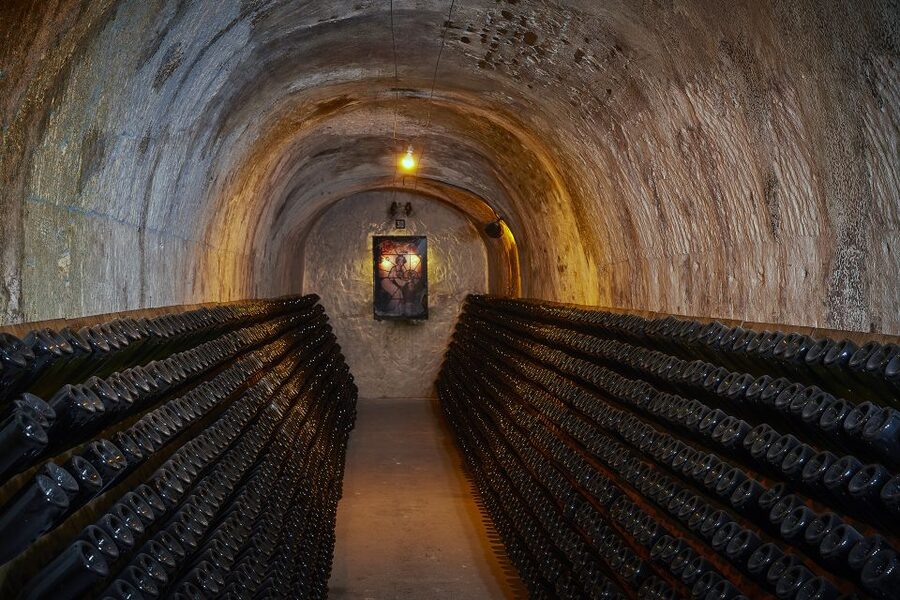
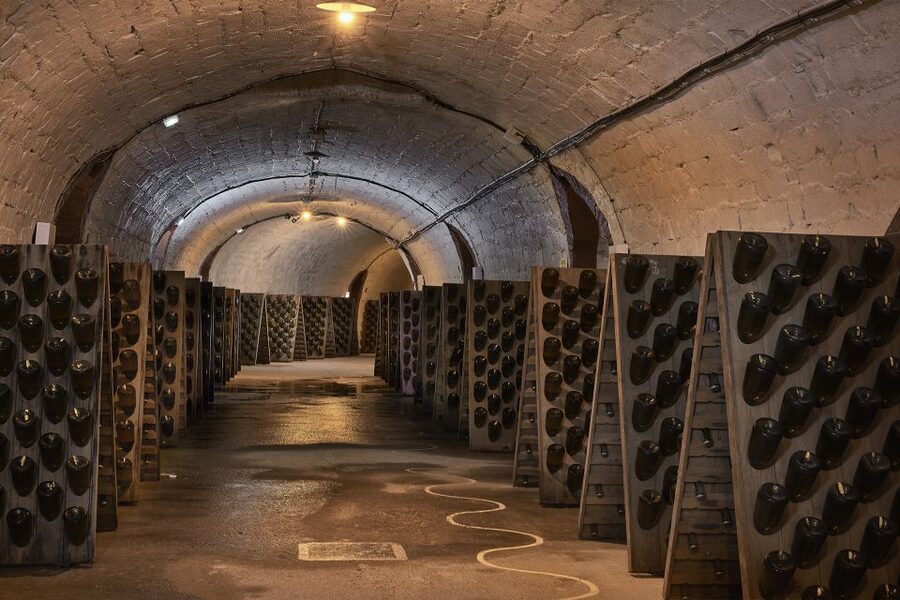
- A big cellar system: you walk a network spanning nearly four miles across four levels
- Cellar atmosphere matters: your guide explains how temperature and humidity shape champagne maturity
- Stained glass in a restored chapel: Simon-Marq helped renovate the chapel windows you will pause to admire
- Vineyard walk included: you see where the grapes are grown and how the guide frames growing practices
- Tasting choices by option: Decouverte, Liberté, or Charles VII determine what you sip
Entering Canard-Duchêne: What Happens in a One Hour Tour
Plan to arrive 15 minutes early, because you will want time to get oriented before the group starts. The tour runs about 1 hour, so it moves with purpose. You will not be wandering alone, and you should treat it like a guided route from the surface down into the cellar world.
You will tour wine production facilities, then shift outdoors for a vineyard visit. That mix matters because champagne is both a cellar discipline and a vineyard product, and you get both angles in a single outing.
The experience is offered with live English or French guides, so you can match your comfort level. The tour style is practical, with your guide explaining how the different stages fit together as you move through the spaces.
More Champagne day trips:
- From Paris: Day Trip to Champagne with 8 Tastings & Lunch
★ 4.8 · 1,501 reviews - Champagne Day Trip with 6 Tastings, Reims and Winery from Paris
★ 5.0 · 902 reviews - From Reims: Champagne and Family-Run Wineries Tour
★ 4.8 · 671 reviews
The Cellars at 50 F: Going Down 40 to 60 Feet Into the Craft
Here is the headline: you will descend 40 to 60 feet into the cellars, and it is not a gentle stroll. Entry involves 130 steps each way with no elevator access, so plan your pace and take breaks if you need them. If stairs are hard for you on a normal day, this is likely a bad match.
Once you are down, the setting is built for patience. The maximum temperature in the cellars is about 50 F, so even if the region feels mild, you will want a warm layer. The good news is that this chilly environment is not an inconvenience for the tour, it is the real system champagne relies on.
The cellar route follows a network that spans nearly four miles across four levels. As you move between levels, you get a sense of how large and engineered the storage and aging spaces are, and why this “underground world” is central to the flavor.
How Cellars Shape Flavor: Temperature, Humidity, and Maturity
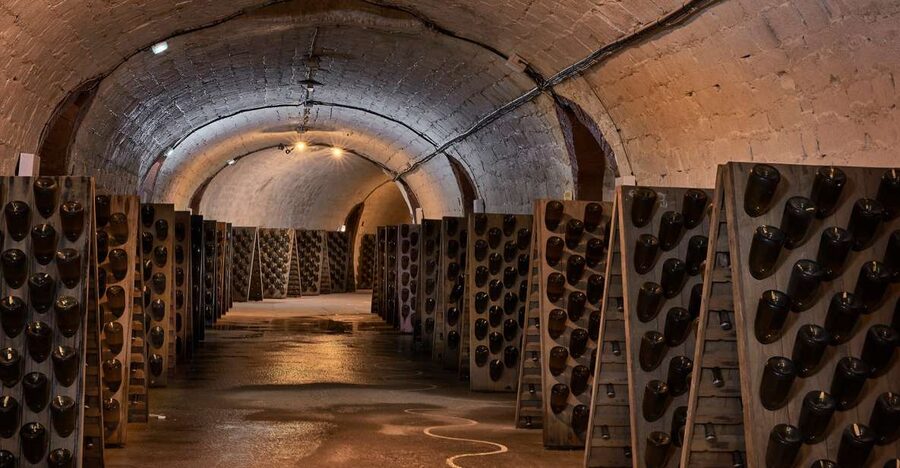
One of the best moments in the tour is when your guide connects the physical conditions to the taste in the glass. You will learn how cellar temperature and humidity create stable conditions so champagnes can reach maturity. That part helps you understand why champagne from the same house can taste consistent across time.
You will also hear about the “atmosphere” of the place, which your guide frames as part of champagne complexity. The point is not magic, it is controlled aging conditions and the way the production process is managed through those conditions.
Because the tour is time-limited, the guide does not throw you every technical detail. Instead, you get the essentials, then you see the spaces where those essentials are put to work.
Hand-Carved 19th-Century Architecture and the Simon-Marq Chapel Windows
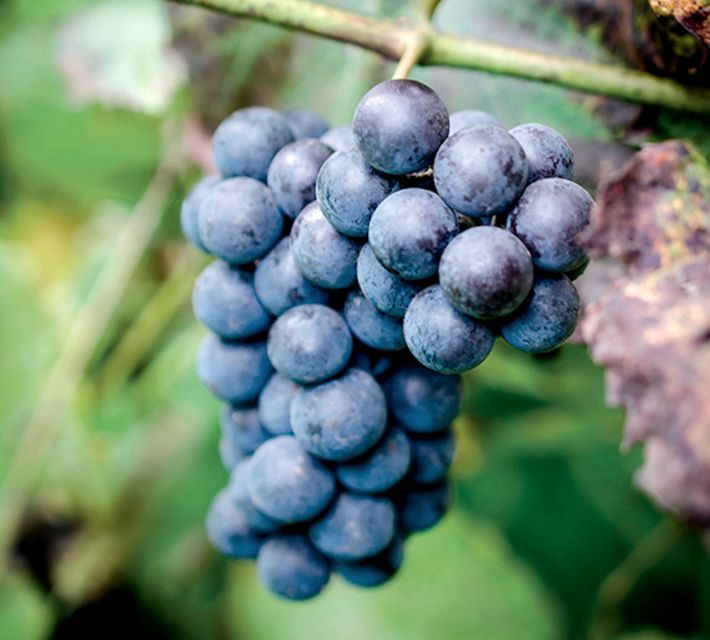
The Canard-Duchêne tour stands out visually, not just academically. Your route includes hand-carved 19th-century architecture, and you will feel the craftsmanship in the carved details and the atmosphere of the cellar spaces. It is the kind of setting that makes the production story feel human, not industrial.
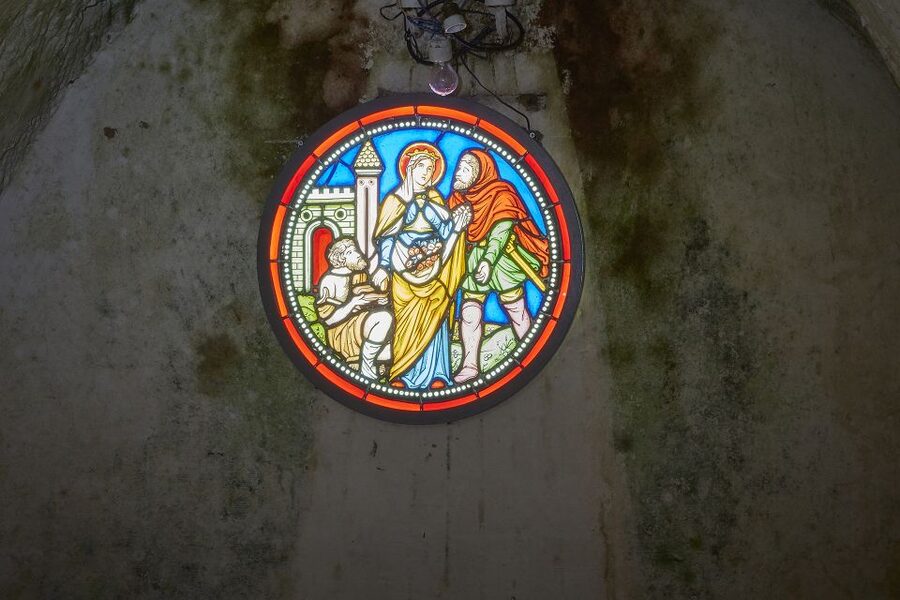
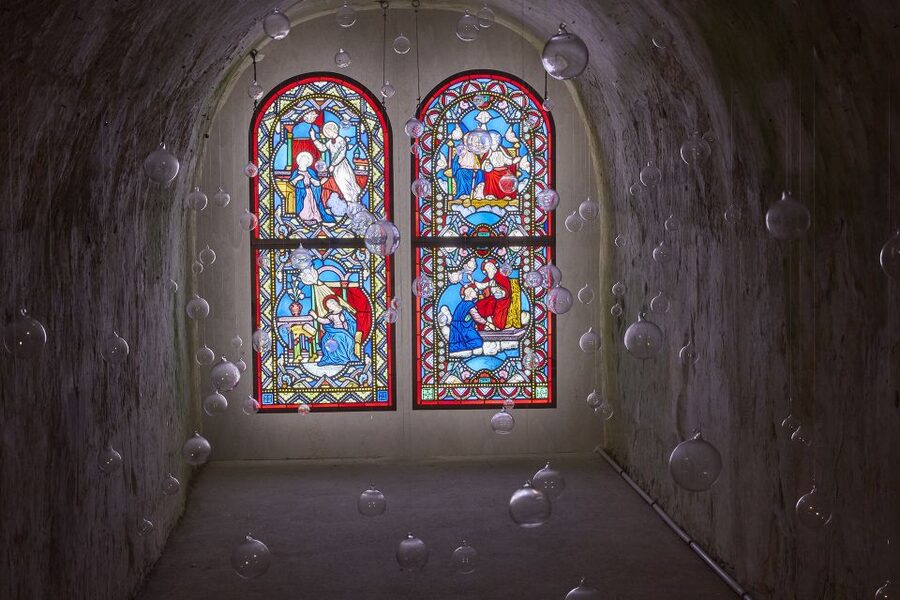
Then comes a quieter highlight, the old chapel that has been renovated by the workshop of master glassmakers Simon-Marq. You will stop for the stained glass windows, and it is a good reset between the long cellar walk and the next part of the experience.
This chapel moment is worth your attention because it shows the house as a cultural site, not only a production site. It also gives you a reference point you can remember later when you compare taste notes in your mind.
A few more Champagne options to weigh up
- From Paris: Reims and Champagne Tasting Full-Day Tour
★ 4.8 · 610 reviews - Champagne Day Trip from Paris with 8 Tastings & Lunch
★ 4.5 · 607 reviews - Reims afternoon tour Champagne and family growers
★ 5.0 · 535 reviews - From Reims: Morning Champagne Tour and Tastings
★ 4.8 · 463 reviews
The Vineyard Walk: Seeing the Grapes Behind Your Glass
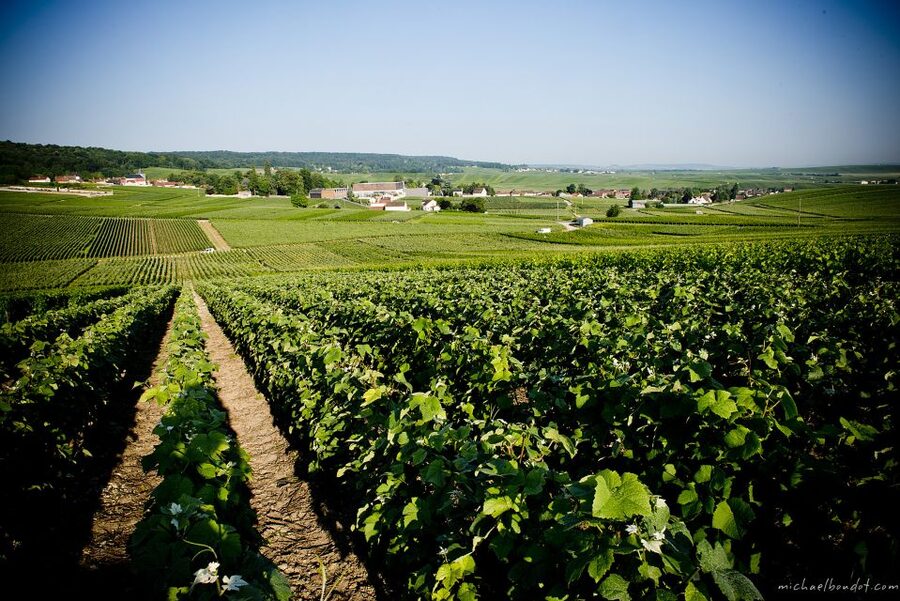
After time underground, you move through the vineyard to see how the grapes are grown. This is included in the tour, so you do not just hear about the growing side. You will walk with your guide and take in the environment where the fruit starts its path to champagne.
Your guide will explain what you are seeing, and you will also hear the house history as part of the storytelling. That history helps make sense of why the vineyards matter to Canard-Duchêne beyond the simple idea of “grapes in, bubbles out.”
The vineyard portion also changes the pace. The cellars are cool and step-heavy, while the vineyard walk is more open and view-focused, even though this is still a short route within one hour.
Champagne House Tasting: Decouverte, Liberté, and Charles VII
Tasting is built into the experience, and the option you choose changes what you drink. Champagne is included, and the number of glasses you receive depends on the option you select.
If you choose Decouverte, you get a tasting that includes a brut or a demi-sec. This is a solid choice if you want a classic entry point without committing to specific named cuvées.
Choose Liberté and you will taste Cuvée Léonie Brut and Cuvée Léonie Rosé, or Cuvée Bio P181. This option is better if you like having multiple style contrasts, like crisp brut next to a Rosé expression.
Choose Charles VII and your tasting includes Cuvée Charles VII. This is the most focused option if you already have a soft spot for that house label or you want to sample one cuvée from the top of your choice list.
A practical tip: because your tour includes cellar steps and cool air, sip slowly. One hour can feel fast, so pacing keeps the tasting enjoyable instead of rushed.
Price and Value: Is $25 Worth It?
At $25 per person, this tour is priced for people who want a real production experience without a huge time commitment. You get a guided tour of the wine cellars, a guided vineyard visit, and champagne tasting included in the experience.
What makes the value feel strong is the combo: many short tours focus on only one setting, but this one blends underground aging spaces with the growing side. You also get a guide who explains not just what you are looking at, but how the conditions relate to the final maturity and complexity.
Also, the tour is only about one hour, which makes it easier to fit into a day in the Champagne region. Lunch is not included, so you will want to plan that separately, but the experience itself gives you multiple “aha” moments without dragging on.
Small Notes That Can Matter: Where It Might Feel Limited
The experience has a high rating, 4.7 out of 66 reviews, which is a good sign that most people find it worth the time. The most praised aspect is the tour itself, with praise for learning a lot and for a friendly, effective guide. People also call out the place as magnificent, which lines up with the cellar architecture and the chapel stained glass.
There are two small, practical considerations you should know. One review noted that the boutique selection is limited, so if you plan to stock up heavily on bottles on site, adjust your expectations. Another review suggested that a toast or biscuit with the tasting would be appreciated, so if you get hungry easily, consider having a light bite before you go.
Neither of those issues should ruin the tour, but they help you set the right expectations for what is included and what is not.
Who This Tour Fits Best (and Who Should Skip)
This experience is a great match for people who like structure. If you enjoy walking into a real working space with a guide who explains what you are seeing, you will likely enjoy the flow from cellar to vineyard to tasting.
It is also a good fit if you care about atmosphere and craftsmanship, not only tasting. The stained glass stop and the 19th-century carved details give you something to remember beyond the bubbles.
You should skip this tour if you have mobility impairments or if you are over 70. The reason is straightforward: the cellars involve 130 steps each way and there is no elevator.
Finally, dress for cold. The cellar temperature can be around 50 F, and warm clothing is specifically recommended. Comfortable clothes matter because you will be walking and climbing steps during the one hour experience.
Should You Book the Canard-Duchêne Champagne House Tour?
If you want a guided, efficient way to understand champagne production, this is a smart booking. For about one hour and $25, you get cellar touring, a vineyard walk, and champagne tasting, plus a standout stop at the chapel stained glass renovated by Simon-Marq.
Book it if you enjoy learning in context, like seeing temperature and humidity explained while you are standing in the cellar system itself. Also book it if you like variety in your tasting options, because you can pick Decouverte, Liberté, or Charles VII based on what sounds best.
Skip it if stairs are a dealbreaker for you, or if the cold is hard on you. The tour is compact, but the cellars are not, and the steps are a big part of the experience.
FAQ
How long is the Canard-Duchêne Champagne House Tour?
The tour lasts about 1 hour.
What is included in the tour price?
You get a guided tour of the wine cellars, a vineyard guided tour, and champagne tasting (1 or 2 glasses depending on the option you choose).
What tasting options are available?
You can choose Decouverte (brut or demi-sec), Liberté (Cuvée Léonie Brut and Cuvée Léonie Rosé, or Cuvée Bio P181), or Charles VII (tasting of Cuvée Charles VII).
How cold are the wine cellars?
The maximum temperature in the wine cellars is about 50 F.
Are there elevators to the cellars?
No. Cellar entry involves 130 steps each way, and there is no elevator access.
What should I bring for the tour?
Bring warm clothing and wear comfortable clothes.
Recently added around Champagne
- Moet et Chandon Veuve Clicquot Pommery Private Champagn Trip★ 4.4 · 20 reviews
- Moet et Chandon Tasting and Fun Private Tour in Champagne★ 5.0 · 3 reviews
- Grand Vintage Private Champagne Moet Chandon Veuve Clicquot★ 4.8 · 32 reviews
- Paris: Ruinart and Veuve Clicquot Champagne Tour by Mercedes★ 4.0 · 5 reviews
- From Paris: Full-Day Champagne Tour★ 3.8 · 23 reviews
- From Reims/Epernay: Champagne half-day tour (small group)★ 4.8 · 37 reviews
- Champagne: E-Bike Champagne Day Tour with Tastings and Lunch★ 4.7 · 192 reviews
- From Reims: Day Trip to Veuve Clicquot Family Grower & Lunch★ 4.8 · 62 reviews
Champagne Day Trips, compared.
Day Trip to Champagne with 8 Tastings & Lunch
Read our review →
Champagne Day Trip with 6 Tastings, Reims and Winery from Paris
Read our review →
Champagne Day Trip from Paris with 8 Tastings & Lunch
Read our review →
Reims afternoon tour Champagne and family growers
Read our review →
Browse the lists this tour appears in