
Reviewed · NORMANDY & D-DAY TOURS
American 101st & 82nd Paratroopers in Normandy battlefield tour
This tour is interesting because you do not just see monuments, you follow the path of the American airborne units across real locations, from first drops near Utah Beach to the fight around La Fière Bridge. It is a full-day route built for people who want the names, the units, and the survival details, not just vague facts.
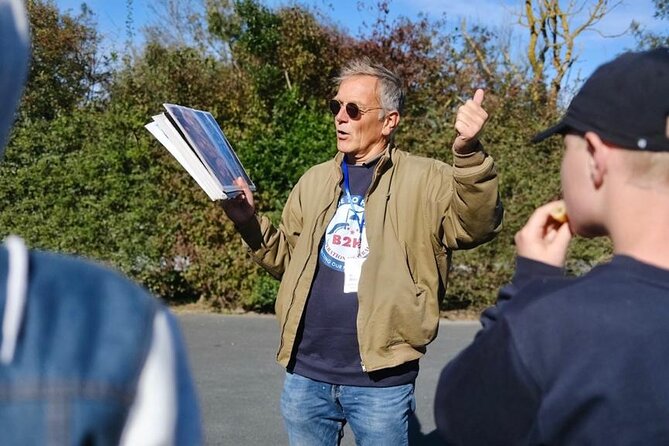
I love the focus on specific paratrooper actions, like the roadblock at Neuville-au-Plain and the medic care in Angoville au Plain. I also like the way your guide, Willem, uses maps, photo books, and plain storytelling to connect period pictures to what you see on the ground.
One consideration: it is long, about 8 to 10 hours, with no lunch included, so you will want snacks or a plan for a meal after. If you hate driving between stops or prefer museums only, this may feel like a lot.
Key things you will notice on this Normandy airborne tour
- WWII jeep touring style with backroads that help you picture where paratroopers landed
- Willem’s photo books and maps that connect historical images to exact viewpoints
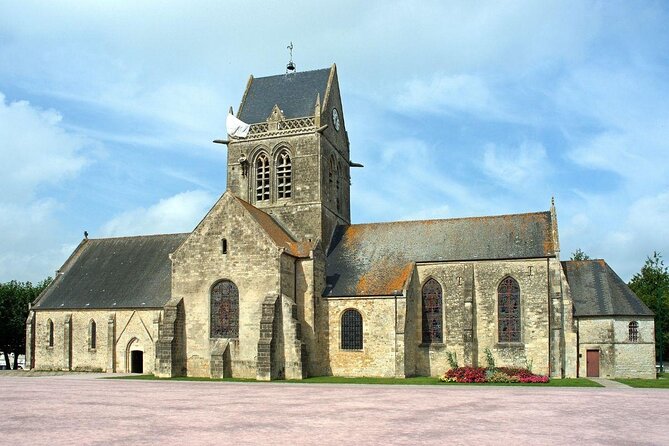
- Sainte-Mère-Église church stories, including the John Steele steeple moment and memorial stained glass
- 101st and 82nd Airborne battle coverage across Utah Beach, the Carentan area, and the La Fière crossing
- Survival details at Angoville au Plain and Dropzone T, from field hospital work to flooded drop zones
- No admission fees for stops on the route, plus bottled water for the day
From the Mont-Saint-Michel area into the airborne jump zones
This day starts with a simple idea: the American airborne war in Normandy makes more sense when you see it in sequence. You do not just stop at big, famous spots. You work through the smaller crossroads, farm edges, church interiors, and road junctions where decisions were made fast and often under fire.
Because the tour is built around the 101st and 82nd Airborne, you’ll notice a change in emphasis as the day goes on. Early stops help you understand why so many paratroopers ended up scattered. Later stops explain why units had to improvise, hold lines, and keep the enemy from regrouping quickly.
You’ll also like the pace. Each stop is short enough that you get movement and variety, but long enough to absorb what happened there. Most stops are around 30 to 45 minutes, and the route ends with one of the most important bridge fights in the Normandy airborne story.
More Mont Saint-Michel trips:
- Day Trip to Mont-Saint-Michel from Paris
★ 4.5 · 4,876 reviews - Mont Saint Michel Day Trip from Paris with English Speaking Guide
★ 4.5 · 2,750 reviews - From Paris: Mont Saint Michel Day Trip with a Guide
★ 4.6 · 1,970 reviews
Meet Willem and ride in a WWII jeep through the hedge rows
The tone of the day depends on the guide, and Willem is the big reason people keep talking about this tour. In plain terms, he brings a level of detail that helps you feel oriented, even if you arrive with only basic knowledge.
A few practical things make this experience work well on the ground:
- You ride in a restored WWII jeep, which adds authenticity without turning the day into a theme park ride.
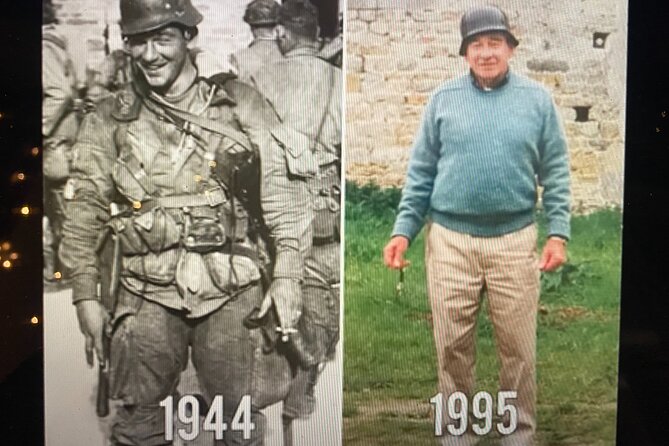
- Willem uses maps and large picture books he has put together for the tour, and he points out how period photos match the view in front of you.
- He tells stories linked to real unit actions, including accounts drawn from veterans and artifacts he has encountered over the years.
This is not dry reading. It is more like the guide is giving you a narrative tour, then handing you the landscape cues to understand why the story unfolded that way. That is exactly what you want in Normandy, because the terrain can look calm today while history was chaotic in the same exact places.
Stop 1, Sainte-Mère-Église: the 82nd Airborne’s famous first liberated village
Your first major emotional anchor is Sainte-Mère-Église. It is historic not only because of the early D-Day airborne action, but also because the town still has physical reminders you can read as you walk.
Key moments here include the church linked to John Steele, the paratrooper who famously got caught on the steeple during the June 6 airborne operations. Inside the church, you can see two stained glass windows that were offered to honor the fallen American paratroopers. On the square around the town center, you’ll also find multiple monuments tied to the 82nd Airborne, plus visible bullet holes, quiet proof that this place was not spared.
Why this stop matters: it sets the emotional baseline. You start the day understanding that these were not abstract “operations,” they were young soldiers trying to land, regroup, and survive in a community that immediately became part of the battlefield.
Possible drawback: since this stop is emotionally heavy and the church holds memorials, plan your time with a slower walking pace. If you rush, you’ll miss the connection between the story and the objects that remain.
Stop 2, Beuzeville and the C-47 Skytrain crash tied to Easy Company
Next you go to Beuzeville to understand a tragic airborne reality. This is about a C-47 Skytrain crash that involved Lt. Thomas Meehan and his paratroopers from the 101st Airborne Division, including ties to the 506th PIR and Easy Company.
This stop also has extra appeal if you already know the story through Band of Brothers, because it grounds that television familiarity in a real place. The quick timing works because the goal here is focus, not a long museum session.
Why it’s valuable: airborne missions were not only about enemy fire during a drop. Aircraft accidents and crashes shaped outcomes just as much as what happened after landing.
Consideration: this is a shorter stop. If you expect a long interpretation center, you may feel like you want more. The trade-off is that the day stays connected to the battlefield route rather than turning into one long indoor visit.
More Normandy and D-Day trips:
- Mont Saint Michel: Walking Tour & Optional Abbey Ticket
★ 4.3 · 562 reviews - Mont Saint-Michel Day Trip from Bayeux (Shared tour)
★ 5.0 · 540 reviews - Mont St Michel Full Day Tour with a National Guide from Bayeux
★ 5.0 · 377 reviews - Normandy 2Days Trip Landing Beaches and Mont St Michel from Paris
★ 4.0 · 219 reviews
Stop 3, Foucarville: the remains of a large German POW camp
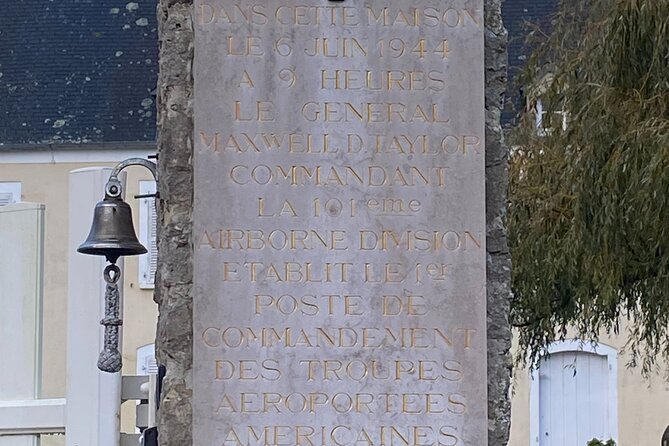
At Foucarville, you visit the remains of one of the biggest German prisoner of war camps in Normandy. The numbers given for this site are striking: over 40,000 German soldiers were housed here before being sent onward to captivity in places like Great Britain, Canada, or the United States.
This is a different lens on the war. In a paratrooper-focused day, it gives you the other side of what “outcome” means, because capture and captivity were part of the rhythm of the fighting and its aftermath.
Why it’s worth a stop: it prevents the day from becoming only hero stories. You see how quickly the front lines transformed into logistics, confinement, and next steps.
Practical note: because this is remains of a camp site, you may rely more on your guide’s explanation than on interpretive signage.
Stop 4, Ravenoville: an accidental encounter with a German mobile battery
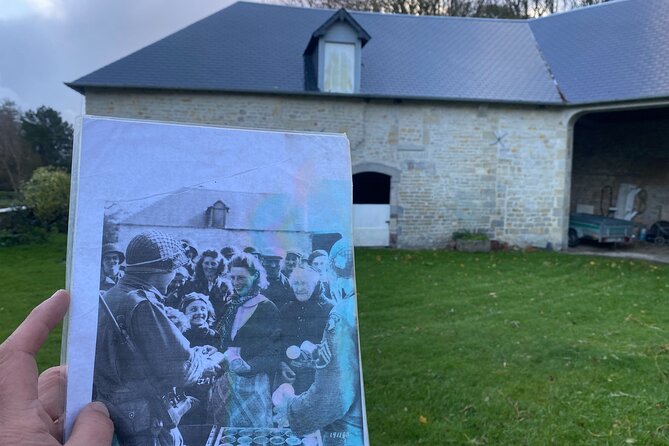
Ravenoville is where the tour explains a key airborne pattern: paratroopers landing in swampy or unexpected zones did not always find the planned targets. Some landed in rough country between Utah Beach and the higher ground toward Sainte-Mère-Église and accidentally ran into German defenses.
Here you learn about around 40 paratroopers who found a German mobile battery stationed around a farm. Using original photographic material, Willem helps you understand how that battery was taken out of action by the American paratroopers.
Why this matters: it teaches you to look at the battlefield differently. Instead of thinking only about intentional objectives, you start noticing how chance encounters altered the fight.
Possible drawback: because the explanation uses period photos, it helps to stay mentally present and look where the guide points. If you are looking at your phone the whole time, you will miss some of the “how” behind the photos.
Stop 5, Utah Beach and the early liberation moments from the air
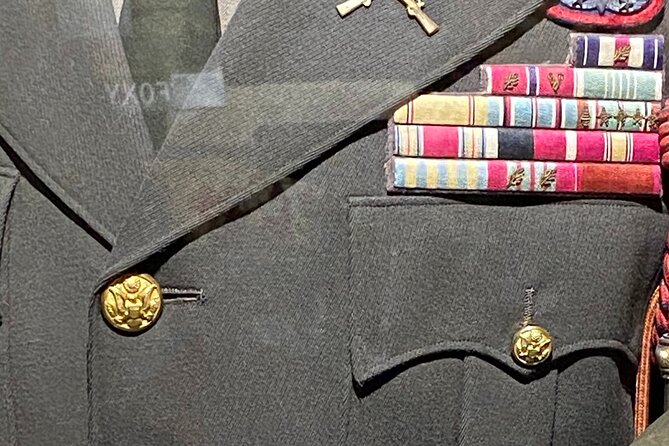
From there you move into the Utah Beach stretch, described as the smaller of the two American landing beaches, and you drive alongside it toward Sainte Marie du Mont.
This stop is tied to a particular story: two German observers being taken out from the church tower of this first liberated village by elements of the 101st Airborne Division. It is not just “Utah Beach happened here.” It is “here’s the kind of small, deadly action that helped the landing area stabilize.”
Why it’s valuable: Utah Beach can be less famous than Omaha, but it mattered, and the airborne connections show why the beach and the drops are one story.
Consideration: you are seeing the coast from the road. The feeling here depends on how you pay attention to the direction of movement your guide describes.
Stop 6, Angoville au Plain: a church field hospital run by medics
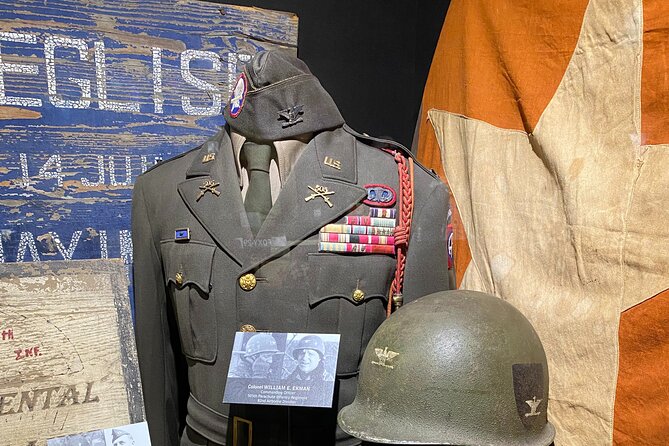
Angoville au Plain is one of those stops where you get the human scale of war. The church in this village became a makeshift field hospital on June 6 and beyond. Two American medics, Robert Wright and Kenneth Moore, treated over 80 wounded American paratroopers, and also cared for a wounded local child.
The details you’re given are powerful: the medics used whatever they could, including the church’s pews and even a wheelbarrow, while fighting intensified around them.
Why this stop hits: it gives you compassion and improvisation, not only tactics. After several stops that focus on combat outcomes, this one shows how survival depended on medical decisions made in chaos.
Possible drawback: because it is still a church and a memorial setting, it can feel quiet and reflective. If you want action-packed stops back-to-back, you may have to adjust your mood for this one.
Stop 7, Carentan-les-Marais: Purple Heart Lane and the cost of the first bayonet charge
Next you head toward Carentan-les-Marais. The route passes the Dead Man’s Corner and follows Purple Heart Lane toward the Ingouff Farm, where the first bayonet charge of World War II ended in favor of the U.S. paratroopers.
The tour also frames the question that history does not answer gently: but at what price?
Why this stop matters: bayonet charges are not a Hollywood idea here. They show how close combat happened when units were pinned, scattered, and forced into decisions at very short range.
Consideration: this is a 45 minute stop. You will want to listen for the “why here” reasoning, because the significance is about a specific action, not a general battlefield view.
Stop 8, Neuville-au-Plain: the roadblock of 44 paratroopers versus 180 Germans
At Neuville-au-Plain you visit the location where 44 American paratroopers managed to put up a roadblock in the early hours of June 6, 1944. The stated purpose was to prevent a German counterattack coming from the direction of Cherbourg.
The big number here is the result: the roadblock helped hold up a column of 180 German military, including armored vehicles, until they were relieved by the first American tanks coming from Utah Beach.
Why this stop is a highlight for many history lovers: it shows the airborne mission’s effect on time and movement. A roadblock is small compared to a whole front line, but it can slow an entire enemy plan.
Possible drawback: numbers like 44 and 180 can sound like trivia unless your guide connects them to what roads and lanes look like today. If you struggle with concentration, bring your full attention for this one, because it is easy to miss the real geometry of the action.
Stop 9, Fresville: Pfc. William “Bill” Tucker and losses along the railway line
At Fresville, you visit a monument connected to Pfc. William “Bill” Tucker and the loss of six comrades while trying to clear a small hamlet at the railway line from Caen to Cherbourg.
Rail lines matter in Normandy, and this stop helps you see why. Roads and rails decide movement of men and equipment. The tour keeps you connected to that logic even when the stop is short.
Why it’s valuable: it reminds you that paratroopers also fought in small clusters, often in difficult terrain, and their job was to deny key movement to the enemy.
Consideration: this is a 30 minute stop. If you want heavy interpretation, you may need to supplement with additional reading or museum time on your own.
Stop 10, Gourbesville: a crossroads where nine days cost 300 American lives
Gourbesville focuses on a crossroads and the grim reality of extended fighting. The site is where nine days of ferocious battle resulted in 300 American losses.
That is a staggering ratio for something that sounds like “just a junction.” But Normandy’s history is full of places where a simple road crossing shaped the entire tempo of a fight.
Why this stop is important: it gives weight to your understanding of why the early airborne moves mattered. A drop might be over quickly, but the work after the drop could last much longer.
Possible drawback: you may not see dramatic physical features at a crossroads. The meaning comes from the story you hear and the numbers your guide gives you.
Stop 11, Amfreville and Dropzone T: flooded ground and Lt. Colonel Timmes
Now the day turns darker again. At Amfreville, you visit Dropzone T, a deadly dropzone where many 82nd Airborne paratroopers drowned because of a deliberately flooded area. You also visit a monument for Lt. Colonel Timmes and his men, surrounded on three sides by the enemy, with the flooded area on the remaining side.
This stop is tough, but it is essential if you want an honest view of airborne operations. It reframes the idea that the mission is only about being brave. It also includes engineered terrain designed to trap airborne troops.
Why it’s valuable: it explains the “how” behind heavy losses at certain drop zones, not just the fact that losses happened.
Consideration: because the subject is tragic, you might prefer to come here with a bit of emotional space. If you’ve been rushing through stops, slow down and listen.
Stop 12, Cauquigny: the chapel and shifting control across La Fière Bridge
At Cauquigny, you visit the chapel at the other side of the Merderet river and La Fière Bridge. The tour explains that this area changed hands several times over the three days of battle from June 6 to June 9, 1944.
The key value here is time. Instead of treating D-Day like a single day, you see that control of specific crossings and river lines mattered over multiple days.
Why this stop is worth 30 minutes: it connects the paratrooper mission to the longer campaign, and it helps you understand why bridges were fought for so stubbornly.
Possible drawback: if you prefer action over chronology, this part may feel like “wait, it kept going.” But that is exactly what makes the airborne story make sense.
Stop 13, La Fière Bridge and the Iron Mike monument: why the crossing mattered
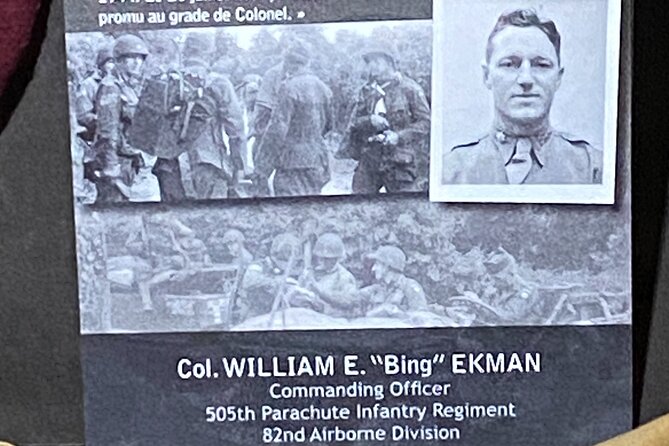
Your final stop is La Fière Bridge and the Iron Mike Monument. The tour connects the location to the 505th Parachute Infantry Regiment of the 82nd Airborne Division. After capturing the bridge on June 6, they never let the enemy cross again, despite several counterattacks, even with tanks.
Iron Mike, in this context, symbolizes the stubborn defense of a key crossing. Bridges decide whether reinforcements can arrive, whether units can retreat, and whether a defensive line becomes a trap.
Why this finale works: it brings together the day’s threads, from scattered drops and small actions to the final payoff of holding a vital crossing.
Consideration: this last stop is 30 minutes, which can feel short for a topic this heavy. Plan to arrive with energy and stay fully present, because it’s the kind of place where you will want to absorb it slowly.
Price, logistics, and what feels like real value
The price is $915.13 per group, up to 5 people. In practical terms, that means your per-person cost depends on group size:
- If you fill it with 5, it is roughly $183 per person.
- If you come as 2, it is roughly $458 each.
What you get at this price is more than transportation. You get private driving, bottled water, and admission-free access for the listed stops. The tour lasts about 8 to 10 hours, starts at 9:00 am, and uses a mobile ticket. Pickup is offered if you provide your address and a Europe-enabled phone number when booking.
What is not included is lunch, so you should either eat on your own before the tour starts or plan to grab something after. The route is action-heavy and you will burn time, so having food handled is part of making the day enjoyable.
Also, this is a private tour, meaning only your group participates. That usually matters in Normandy, because it gives the guide freedom to adjust pacing and focus, especially if you care more about the 82nd or the 101st.
Who this tour suits best, and who might want a different style
This is a great fit if you:
- care about the airborne units, not just the general landing beaches
- want names and specific actions tied to actual locations
- like photo-based storytelling and maps that help you visualize what happened
It may be less ideal if you:
- want mostly museum time instead of driving stop by stop
- prefer unstructured wandering rather than a guided sequence
- do not want long days without lunch built in
Should you book this Normandy paratrooper battlefield tour?
Book it if you want the American airborne story told in the places where it actually happened, with a guide who uses maps, photo books, and location-based explanation rather than only plaques and dates. The combination of 101st and 82nd coverage, plus the focus on key moments like Sainte-Mère-Église, Angoville au Plain, Dropzone T, and La Fière Bridge, makes this route feel like one coherent airborne campaign.
If you are deciding between tours, I’d weigh your comfort with a full day and your interest in details. When the topic is paratroopers and the terrain is spread out, a well-guided route is usually the difference between confusion and understanding.
FAQ
What time does the tour start?
The start time is 9:00 am.
How long is the tour?
It runs about 8 to 10 hours.
What is the group size limit and price?
It costs $915.13 per group and is up to 5 people.
Is pickup available?
Yes, pickup is offered. You provide your stay address and a Europe-enabled telephone number when booking.
Do the tour stops require admission fees?
The listed stops include admission tickets free.
Is lunch included?
No, lunch is not included.
What is included in the tour price?
Private transportation and bottled water are included.
Do I get a mobile ticket?
Yes, the tour includes a mobile ticket.
Is this a private tour?
Yes, it is a private tour/activity, and only your group participates.
What is the cancellation policy?
You can cancel for a full refund if you do it at least 24 hours before the experience’s start time. If you cancel less than 24 hours before, the amount you paid is not refunded.
Recently added around Mont St Michel
- 3 Days Trip to Normandy, Loire and Mont Saint Michel from Paris★ 4.5 · 86 reviews
- 2-day Private Mont Saint-Michel, 3 Loire Castles, D-Day Express★ 4.5 · 11 reviews
- 2-day Mont Saint-Michel Normandy Brittany Private Trip from Paris★ 5.0 · 3 reviews
- Mont Saint Michel and Loire Valley Castles 2 Days Guided Trip★ 4.0 · 25 reviews
- Normandy 2Days Trip Landing Beaches and Mont St Michel from Paris★ 4.0 · 219 reviews
- 2-day Mont Saint-Michel, Full D-Day, Normandy Private from Paris★ 4.5 · 7 reviews
- Skip-the-Line Ticket Mont-Saint-Michel Abbey Audio-Visual Tour★ 4.0 · 9 reviews
- WW2 Jeep Tour Utah Beach Half Day★ 5.0 · 21 reviews
Normandy & D-Day Tours, compared.
Normandy D-Day Sites & Cemetery Day Trip from Paris with Lunch
Read our review →
Normandy D-Day Small-Group Day Trip with Omaha Beach, Cemetery & Cider Tasting
Read our review →
Normandy D-Day Beaches and American Cemetery Day Trip from Paris
Read our review →
Normandy American D-Day Beaches Full Day Tour from Bayeux
Read our review →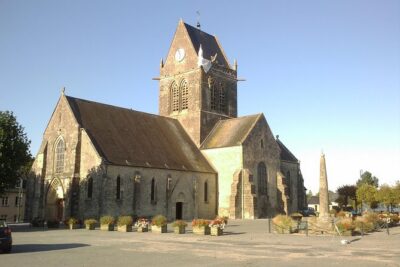
Normandy American D-Day Experience – Group tour from Bayeux
Read our review →
Normandy Beaches Half-Day Afternoon Trip from Bayeux (A2)
Read our review →
Omaha Beach D-Day Experience – Afternoon group tour from Bayeux
Read our review →Browse the lists this tour appears in