
Reviewed · PARIS
Paris: Baking Insider Experience with a Professional Baker
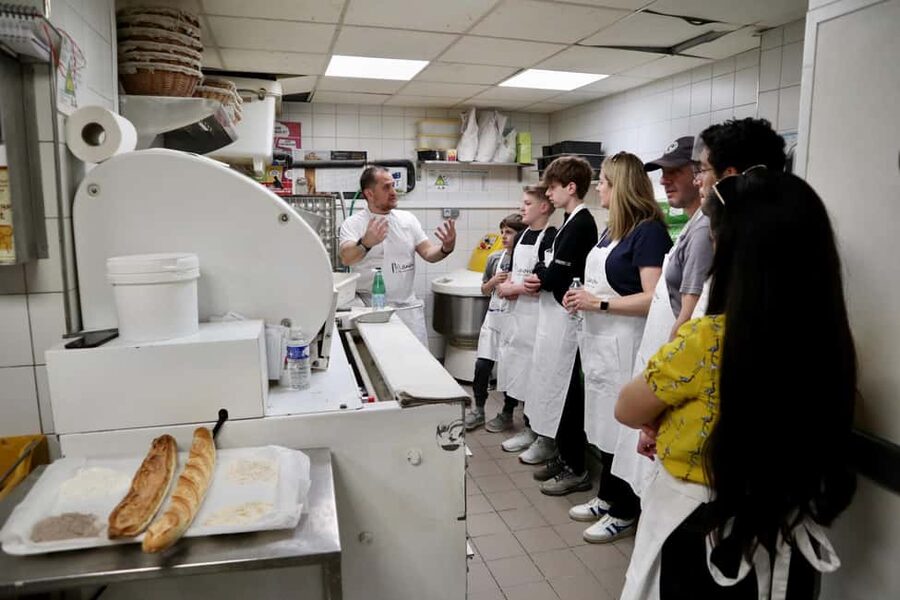
Paris baking in a real boulangerie is interesting because you learn the techniques behind the classics while you’re standing right where the dough is made. I especially like the hands-on shaping and rolling, because you’re not just watching. I also love the focus on lamination and bread basics, where you learn what makes different doughs behave differently. One thing to consider: the class requires standing for a while, and it includes a climb to a 2nd floor with 15 steps and no elevator.
Small groups (up to 8) help a guide actually get around and correct your form. Depending on the session, your instructor might be someone like Pierre, Martin, Jess, David, Igor, or Rachel, and that one-on-one attention shows fast. You also get tastings along the way, so you’re building your skill while your senses stay engaged.
Key moments to look for in this Paris insider baking class
- Working bakery, real workflow: you learn how a neighborhood bakery runs, including how items are stored and put out for sale.
- Baguette-shaping technique: you practice shaping and also learn how different baguettes are identified by more than looks.
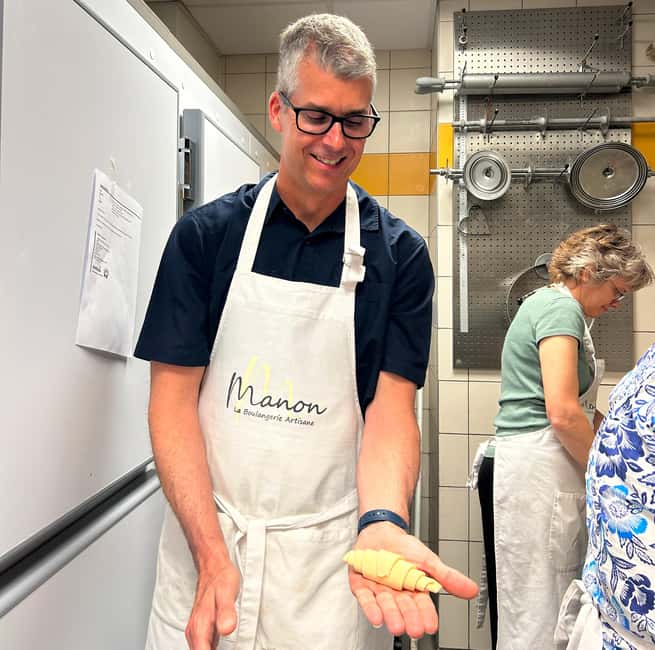
- Croissant lamination hands-on: you roll and work dough meant for puffing, not just a quick demo.
- Bread flour, yeast, and sourdough basics: you get practical context for how ingredients change the process.
- Sweet and savory tastings: you stop to taste as you go, connecting flavor to technique.
- Small group coaching: lessons stay personal, with max 8 participants and English guidance.
What makes this baking experience feel genuinely Paris
This is the kind of activity that teaches you how French baking actually works, not just what it tastes like. You’re in a working bakery environment, and you spend real time with dough. That matters, because bread and pastry are technique-heavy. Watch too little and you’ll just remember a pretty result. Get your hands on the dough and the lesson sticks.
I like that the class is built around a few core skills that connect everything you eat. You learn bread-making foundations, then you move into shaping, and finally you get into croissant lamination. That sequence helps your brain make sense of what you’re seeing in Paris every day, from the look of a baguette to the way a croissant snaps when it’s done right.
Another plus is how the guide frames the classics. You’re not only learning steps, you’re hearing stories and background about iconic French treats. In plain terms, you’ll understand why people care about a specific method and why French bakers act picky about details.
The one practical drawback is physical. The location involves stairs, and you need to be able to stand for an extended period. If you know stairs are hard for you, this might be a no-go.
Other Paris bookings worth comparing before you pick:
- Paris: Louvre Museum Timed-Entrance Ticket
★ 4.6 · 71,977 reviews - Disneyland® Paris 1-Day Ticket
★ 4.6 · 49,412 reviews - Paris: Versailles Palace and Gardens Full Access Ticket
★ 4.6 · 41,579 reviews
Your 2-hour flow inside the bakery, from start to finish
The class lasts about 2 hours, and it ends back where you started. You’ll start with an instruction-and-tasting rhythm that keeps you moving. Most sessions begin right away in the bakery, where your guide explains what you’ll make and why the technique matters.
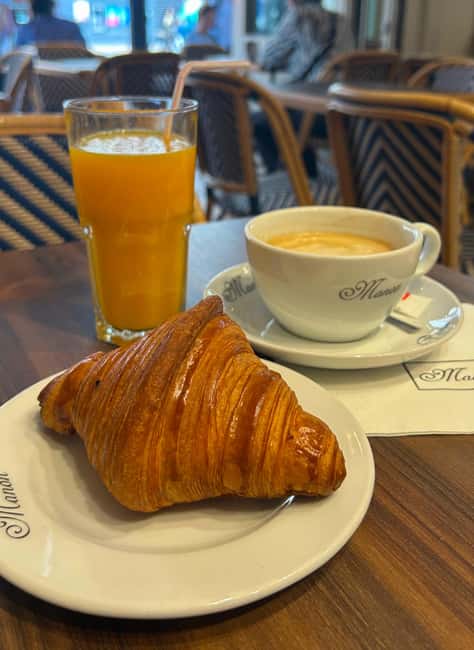
A common early moment is the chance to start with a pastry and a drink from the bakery. From there, you transition into hands-on work. You’ll likely begin with bread dough tasks, then shift into shaping, and later move into croissant work. Along the way, you taste sweet and savory items so you can compare flavor and texture while your dough experience is still fresh in your hands.
Because it’s a working bakery, you also get a feel for pace and production. You see how staff handle timing, how things are prepped, and how baked goods are stored and displayed closer to sale. It’s not just a cooking demo. It’s a peek into the daily rhythm of a Paris boulangerie.
By the end, the experience is very payoff-oriented. You typically leave with the pastries and baguettes you shaped and baked, plus the satisfaction that comes from doing it yourself. Several people mention taking home goodies, which is exactly what you want from a class like this, especially if you’re trying to pack fewer souvenirs and more memories.
Baguettes: more than just rolling dough into a stick
Baguettes can look simple. That’s the trap. Here, you learn how to shape a baguette and how to distinguish one baguette from another. The guide helps you understand that the differences aren’t random. They connect back to ingredients and the process, including flour type and fermentation choices.
You also get hands-on practice that goes beyond a single squeeze-and-go step. Your instructor shows you what good shaping looks like and how to handle the dough without ruining its structure. In a small group, you can actually correct your technique instead of just moving on.
One of the smartest parts of the baguette section is the ingredient conversation. You learn the difference between bread flours, yeast, and sourdough. Even if you never plan to bake professionally, that context helps you at home. You’ll stop thinking of bread as one thing, and start thinking of bread as outcomes shaped by specific choices.
If you want a practical souvenir, this part is also the most useful. Knowing how baguettes are identified and shaped gives you a new way to order in Paris. You’ll notice details you used to ignore.
Croissants and lamination: the skill that separates butter from chaos
If you’ve ever watched a croissant video and thought, okay, how hard can it be, lamination will correct that thinking fast. The class focuses on laminating dough and learning how to puff croissant dough. That means you work with layered dough, and you learn how to handle it so it stays aligned instead of turning into a mess.
The lamination process is the star lesson here. Your guide explains the purpose of technique, not just the motion. Then you practice rolling and working the dough yourself. This is where the max 8 group size really matters, because your guide can correct your form and pacing while you’re actually doing it.
People consistently highlight that the experience is mind-blowing if you’ve never worked with croissant dough before. That makes sense. Croissant dough has a feel to it, and the layers have to stay consistent. You learn that through doing, not through reading.
You also get tastings along the way, so you’re not waiting until the very end to know if you’re on track. That’s a big deal in a baking class. It keeps the lesson connected to flavor and texture, instead of becoming only a choreography lesson.
Still in Paris, but a different sort of outing:
- Paris: Evening River Cruise with Music
★ 4.4 · 22,721 reviews - Paris: Eiffel Tower Entry Ticket with Optional Summit Access
★ 4.4 · 20,035 reviews - Paris: Eiffel Tower Summit or Second Floor Access
★ 4.3 · 17,248 reviews - Paris: Louvre Guided Tour with Reserved Access & Boat Cruise
★ 4.3 · 16,353 reviews
Bread foundations you can use at home: flour, yeast, sourdough
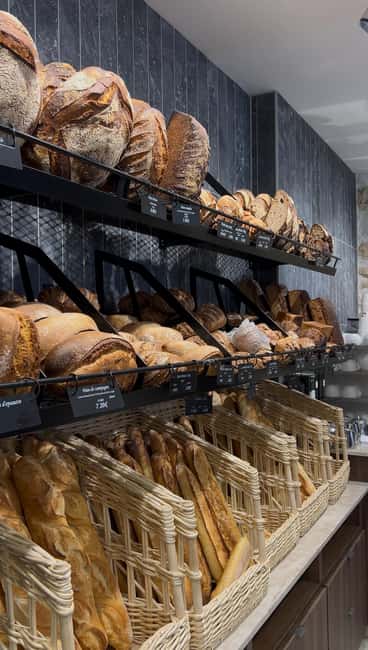
One reason this class is so popular is that it doesn’t treat ingredients like a checklist. You learn the difference between bread flours, yeast, and sourdough. That’s valuable because many home bakers struggle with why their bread doesn’t behave.
In this session, the ingredient differences are tied to what you’re doing and what you’re tasting. You might not leave with a perfect baguette in your kitchen on day one, but you’ll leave with better questions. You’ll know what to adjust next time and how ingredients change the process.
This is also where guides earn their keep. Instructors like Martin, Jess, David, and Rachel show up repeatedly in people’s notes, and the common theme is clear teaching. They guide your hands, but they also explain enough to make you feel in control.
Tastings that teach you what technique changes
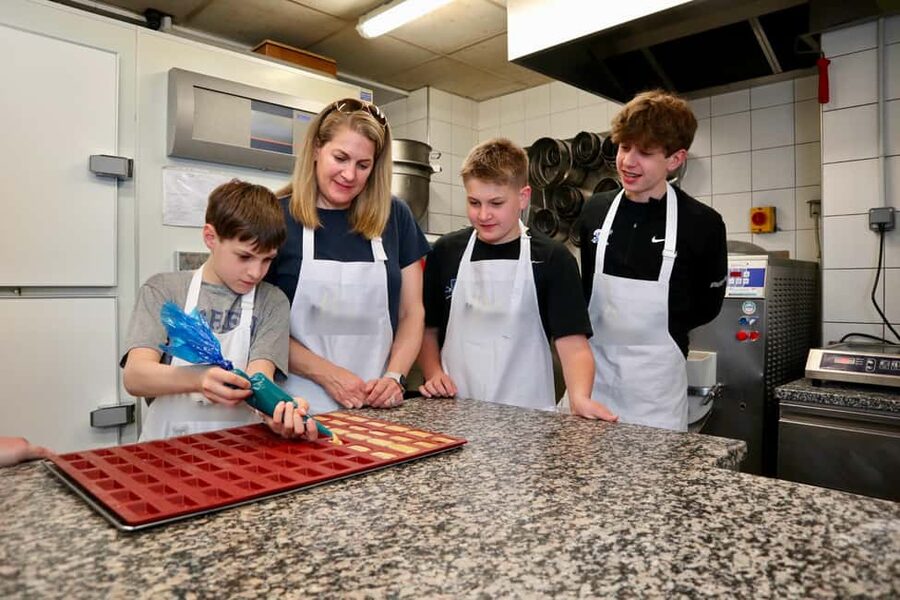
Tastings are not an add-on here. They’re part of the learning loop. You taste sweet and savory flavors while you’re building the skills to make classic French pastries.
As you work through bread and pastry doughs, the tastings help you understand what flavor means in real baked goods. The guide’s explanations connect the taste back to the ingredient choices and the method. This is how you stop thinking of baking as guesswork.
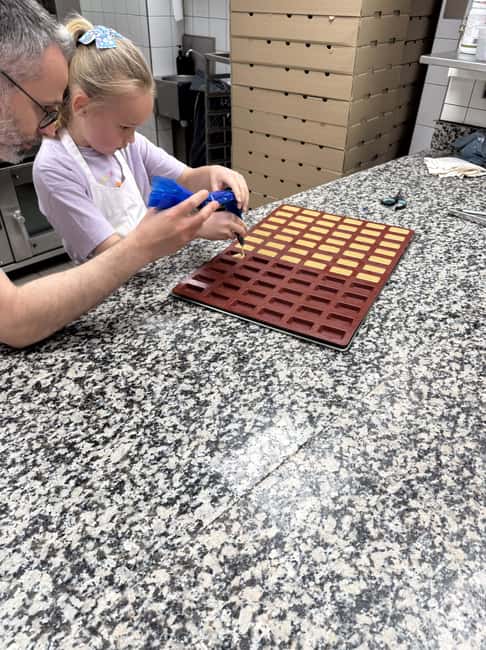
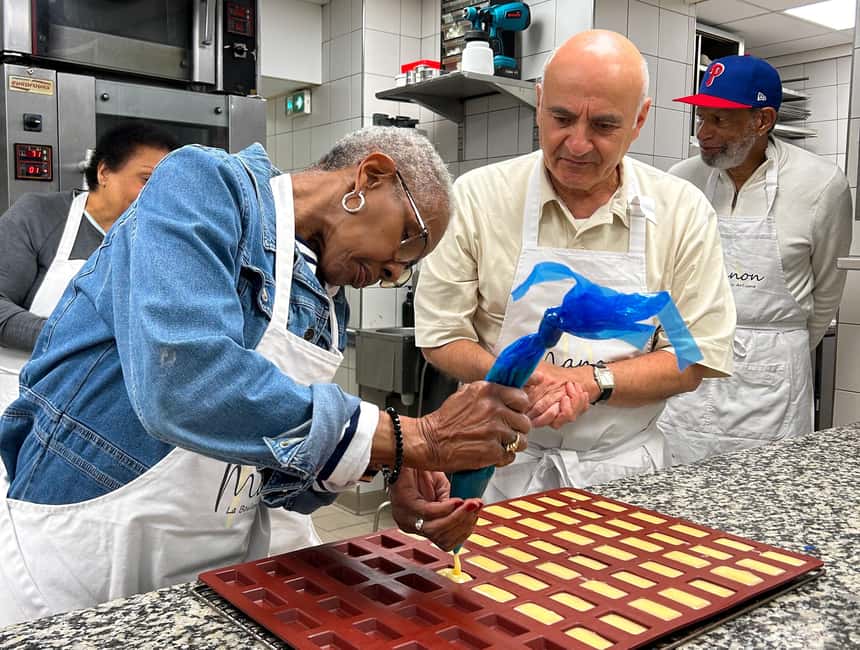
You might also notice that some sessions include other baked goods beyond baguettes and croissants. People mention small cakes like financiers in some classes, which makes sense given the focus on classic French baking. If your session includes extra items, treat it as bonus training, not filler.
Either way, come ready to eat. Several people specifically suggest saving room for bread.
What you get to take home, and how that changes the value
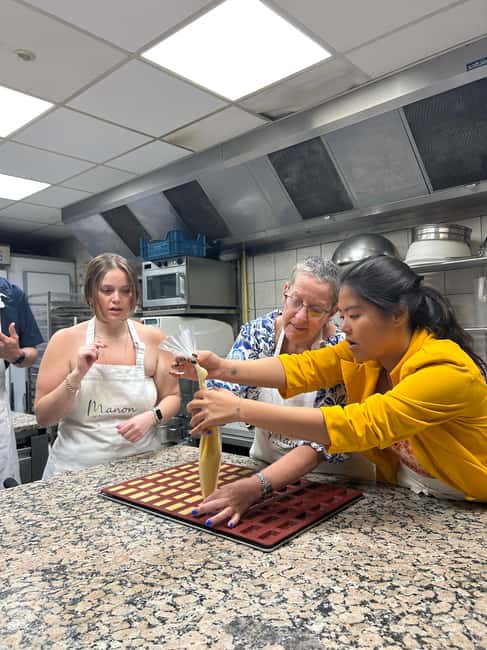
A lot of food tours give you a few bites and a story. This class tends to give you actual baked goods you made or shaped. Multiple people mention leaving with pastries and baguettes, and that changes how you measure value.
The price is listed at $108 per person for a 2-hour session with an English live guide and a small group (up to 8). At first glance, it’s not “cheap,” but you’re paying for labor and instruction inside a working bakery. You’re also paying for structure: hands-on time, ingredient context, and tastings.
If your main goal is simply tasting French pastries, there are cheaper ways to do that. But if your goal is learning technique you can reuse, this is where the value starts making sense. You’re buying skill time, not just calories.
Who should book, and who might want to skip it
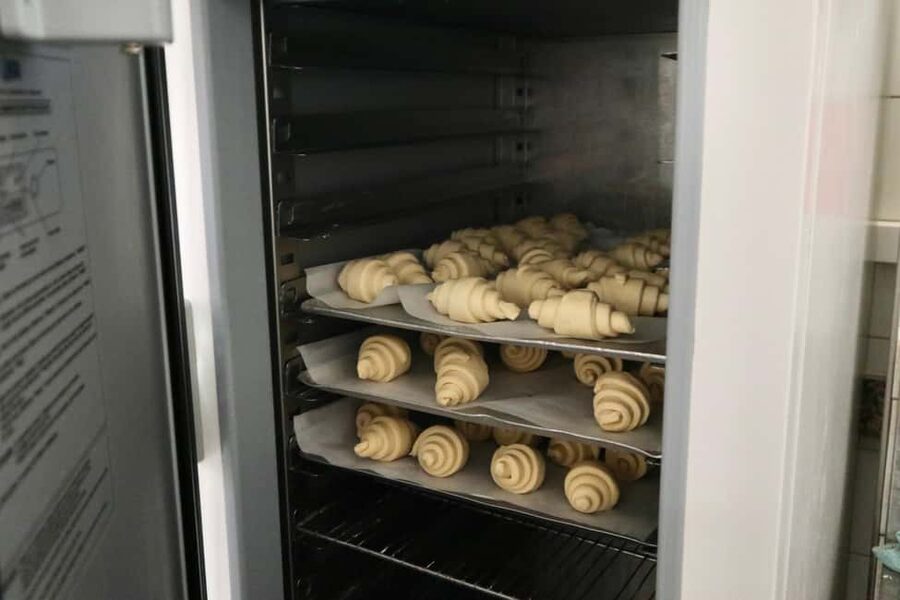
This class is a strong fit if you want hands-on learning and you like practical food experiences. It’s also a good choice for people who enjoy bakeries and want to understand why French pastries taste like they do.
It’s also family-friendly in spirit. People mention bringing kids as young as 9 and 11 and having a positive experience, with guides making sure everyone participated. That said, the activity is not set up for kids under 5. Children under age 5 are free of charge, but they won’t be able to participate in the hands-on baking portion due to safety concerns.
Accessibility matters. The location requires standing for an extended period, and it involves 15 steps to reach the bakery area on the 2nd floor with no elevator. Wheelchair users are not suitable for this activity. If you’re unsure, look at this requirement seriously, because no amount of enthusiasm fixes the stairs problem.
Price and logistics: the practical bits that affect your day
The class is 2 hours and runs at set starting times, so check availability for the day you want. Meeting points can vary depending on the option booked, and the activity ends back at the meeting point.
Language is English with a live guide. That’s helpful if you want technique explained clearly, not guessed through hand gestures.
Group size is capped at 8, which is what keeps the session from turning into a mass class. Smaller groups also tend to mean fewer bottlenecks when you’re working with dough and tools.
If you arrive late, it can still be workable based on accounts where the team accommodated late arrivals. Still, you’ll have a better experience if you show up on time and ready to stand.
Should you book this Paris baking class?
Book it if you want a true behind-the-scenes baking experience where you practice real techniques like baguette shaping and croissant lamination, and you’d rather learn than just eat. The small group size and English instruction make it feel personal, and the tastings keep it fun instead of sweat-and-flour-only.
Skip it if stairs and long standing are tough for you, because the climb to the 2nd floor with 15 steps and no elevator is a real constraint. Also, if you only want light sampling with minimal effort, a simpler food tour could fit better.
For most people who like French food, this is one of those classes that upgrades your whole Paris trip. After you learn what goes into the dough, you’ll look at bakery counters differently, and you’ll remember the smells as well as the taste.
FAQ
What will I learn and make during the class?
You’ll learn authentic French baking techniques with hands-on practice, including laminating dough, shaping a baguette, and puffing croissant dough. The session also includes sweet and savory tastings, and you may make additional classic French baked goods as part of the class.
How many people are in the group?
The class is limited to a small group of up to 8 participants.
Is the tour guide available in English?
Yes. The live tour guide speaks English.
How long is the experience?
The duration is 2 hours.
Is this experience suitable for children?
Children under 5 are free of charge, but they cannot participate in the hands-on baking part due to safety concerns. The activity requires participants to be able to stand for an extended period.
Is there a free cancellation window?
Yes. You can cancel up to 24 hours in advance for a full refund.
Recently added around Paris
- Paris: Louvre Museum Timed Entry Ticket & Pop Culture Tour★ 4.6 · 26 reviews
- Paris: Louvre Must-See Tour with Reserved Entry Ticket★ 4.9 · 164 reviews
- Paris: Louvre photoshoot or Seine bridges Eiffel Tower walk★ 5.0 · 49 reviews
- Louvre & Mona Lisa Morning Tour with Reserved Access★ 4.0 · 15 reviews
- Paris: Louvre Museum Skip-the-Line Tickets for Monalisa★ 3.0 · 42 reviews
- Paris: Louvre Museum Mona Lisa First Viewing Semi-Private★ 4.2 · 21 reviews
- Paris: Louvre Museum Ticket with Optional Hosted★ 3.1 · 89 reviews
- Paris: Louvre Museum and Orsay Museum Guided Tour★ 5.0 · 6 reviews