

Reviewed · MUSEUMS
Paris: Ticket Entrance to Science Experiences Museum
Science Expériences at Bercy Village is interesting because it turns science topics into a timed, walk-through experience built around big visuals and hands-on style moments. I like the range of themes it promises, from the edge of the universe to quantum physics, and I also like that the show leans into entertainment as a way to make the ideas stick. One thing to keep in mind is that the experience can swing between really interactive and more “watch and listen” depending on the room, and some on-site effects may not always behave perfectly.
The museum is set up as an immersive course through an 850m2 space, mixing virtual reality, video mapping, and multisensory, emotional presentations. I love that it aims to cover both the fun stuff (laser, teleportation-style illusions, levitation) and the bigger questions (space, deep abyss, Earth’s center). The main drawback to plan for is that you may want extra paid add-ons on site, like VR simulators and an audio guide, and those can be the difference between a “good visit” and a “wow visit.”
If you go in expecting a science theme park feel, but you also budget time to adjust if a station is out of order, you’ll likely have a fun education session that works for different ages.
Key highlights to know before you go

- 850m2 science space at Bercy Village, built for a fast 90-minute circuit
- Room-to-room journey across space, the abyss, and the center of Earth
- Quantum physics finale featuring laser, teleportation concepts, and levitation effects
- Entertainment-first teaching using VR, video mapping, and multisensory presentations
- Extra paid options on site, including VR simulators and an audio guide
Science Expériences at Bercy Village: what this ticket really delivers
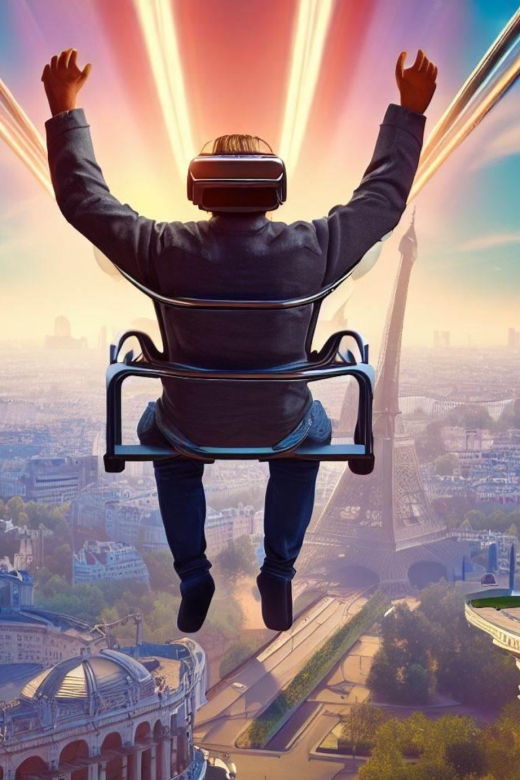
Science Expériences is a new 850m2 immersive museum built specifically around science as a show, not science as a lecture. The ticket you’re buying is essentially admission to a structured circuit, where you move from room to room and each stop focuses on a different “big idea.” In plain terms, it’s a ticket for a packaged experience: you arrive, you follow the flow, and you spend about 90 minutes going through the scientific storyline.
What makes it feel practical is the time box. Ninety minutes is long enough to leave with something you remember, and short enough that it doesn’t steamroll your whole afternoon. It’s also the right length if you’re pairing it with other Paris plans, especially around the Bercy area.
I also like the museum’s stated approach: science under the prism of entertainment, with the goal to teach while you’re having fun. That matters because a lot of science attractions either lean hard on “wow” with no learning, or they lean hard on “learning” until kids lose interest. Here, the intention is to do both, using technology like virtual reality and video mapping, plus multisensory presentations.
The reality check: you’re walking through a machine-like set of rooms, and machines can fail. Some people report screens not working and a bit of operational chaos that can mix groups. That doesn’t mean you should skip it, but it does mean you should go in with flexible expectations, especially if you’re paying a premium price.
More museum tickets in Paris:
- Paris: Louvre Museum Timed-Entrance Ticket
★ 4.6 · 71,977 reviews - Louvre Museum Masterpieces Guided Tour with Access
★ 4.5 · 12,023 reviews - Paris: Louvre Museum Entry Ticket With Host and River Cruise
★ 4.6 · 9,926 reviews
Your 90-minute circuit: how the pacing works
The experience is designed to last 90 minutes, with start times you can check for availability. You should expect a guided flow where you’re guided or directed room to room, rather than wandering freely like a classic museum. That matters for two reasons.
First, it affects how you’ll absorb the content. Short segments plus movement helps attention. You’re not sitting through one long explanation. Second, it affects what happens if you arrive late or if there’s a crowd. When an attraction runs on timing and staging, a minor delay can ripple into the rest of the schedule.
So the best move is simple: arrive a few minutes early, be ready to move, and avoid planning a tight transfer to another event immediately after. Give yourself breathing room. Even without any delays, you’ll likely want a quick look at what’s available before your session begins so you don’t feel rushed.
The universe-to-Earth storyline: where the rooms fit together
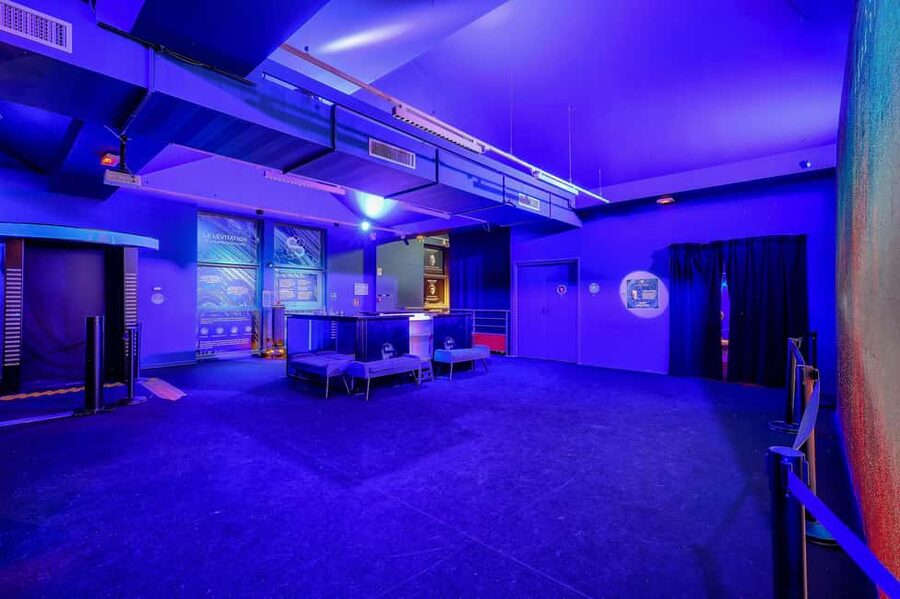
The science storyline follows a clear emotional path: you start on a cosmic scale, shrink down into extreme environments, and then land on Earth and quantum physics.
Here’s the arc as you’ll encounter it:
- Borders of the universe, then deeper cosmic scale ideas
- Depths of the abyss, where the theme shifts from space to extreme environments
- The center of the earth, moving from outside-in to the ground beneath you
- A final push into quantum physics, with special effects meant to feel like magic
Even if you only remember a few facts, this structure helps. It’s much easier to keep interest when the story changes environments every time you turn a corner. It also makes the learning feel like a journey instead of a checklist.
Now, a balanced note. Some visitors have felt that there’s more “listening” than “testing.” If you’re the type who learns best by doing, not watching, you may want to pay attention to which moments involve actual interaction versus presentation. The museum does use multisensory and emotional presentations, and it likely includes interactive elements, but the key word is that the experience can vary in how hands-on it feels from room to room.
Quantum physics finale: laser, teleportation, and levitation
The finale is explicitly themed around quantum physics, and it highlights effects like laser, teleportation, and levitation. This is the part most likely to feel like the big payoff, because these are the science concepts that people associate with modern physics and surprising outcomes.
Why this matters for value: quantum physics is famously hard to teach in a simple way. A museum experience can’t turn quantum mechanics into a textbook lesson in 90 minutes. But it can show you the look and feel of how scientists think, using controlled illusions and sensory effects.
What to do as a visitor: go in ready to treat these effects as demonstrations of concepts, not literal proof of how the universe works at the smallest scale. The goal is curiosity and understanding through experience. If you hold that frame, you’re less likely to feel disappointed.
Also, if you’re traveling with kids, quantum physics is often a hit because lasers, movement, and “teleportation-like” visuals are instantly understandable on a visual level. Even when the explanation is complex, the sensory part lands.
A few more Paris options to weigh up
- Disneyland® Paris 1-Day Ticket
★ 4.6 · 49,412 reviews - Paris: Versailles Palace and Gardens Full Access Ticket
★ 4.6 · 41,579 reviews - Paris: Eiffel Tower Entry Ticket with Optional Summit Access
★ 4.4 · 20,035 reviews - Paris: Moulin Rouge Cabaret Show Ticket with Champagne
★ 4.7 · 16,088 reviews
VR, video mapping, multisensory shows, and what you might need to add
Science Expériences uses a tech mix: virtual reality, video mapping, and multisensory, emotional presentations. That’s exactly the kind of toolkit that turns abstract topics into something your eyes and ears can follow.
But here’s the practical piece: not every tech component may be included in the base ticket. The information you have says that simulators of virtual reality and an audio guide are not included, and that other on-site options may require additional payment.
So before you arrive, set a decision rule for yourself:
- If you think you want an audio guide to help you follow explanations, budget for it as a possible extra.
- If VR is the main reason you booked, confirm what VR is included in your ticket and what is an optional simulator on site.
This is important because the museum’s tech features are probably what make the experience feel special. If you skip paid add-ons, you can still have a good time, but you might end up with more “show” than “experience with tools.”
When things get messy: how to handle nonworking effects and mixed groups

No one wants to deal with a dark screen or a broken effect in a paid attraction. Still, the operational reality of high-tech experiences is that they sometimes run into problems, and at least a few people report nonfunctional attraction elements and organizational issues.
If that happens to you, do two things:
- Keep your eyes on what is still working. The circuit is room-to-room, so you can usually recover your momentum quickly.
- Ask staff how your group will flow next, then move with the new direction rather than staying stuck where the problem is.
If you’re picky about interactivity, it’s worth mentally rating each room as you go: Were you actually doing something, or were you mostly observing? That simple check helps you avoid disappointment, because you can shift your expectations on the fly.
Also, if you rely on customer support for last-minute changes, keep your confirmation details accessible. The information provided doesn’t spell out customer service systems, but you do have at least one report of an unpleasant online support experience. In practice, I’d rather you plan to handle issues by being prepared, not by hoping the chat fixes everything.
Is it good for families and kids? (A practical take)
Kids often like this type of science experience because it swaps textbook language for visuals and reactions. One positive datapoint here is that the museum worked well for families with children around 6 and 11, with both kids reportedly enjoying the variety and the playful style.
That’s a useful clue for you. If your kids get bored easily with long explanations, a room-to-room format helps. The big challenge is that the experience must feel like it’s doing things to them, not just telling them.
So, for family planning:
- Come in when kids are most alert. With a 90-minute circuit, late energy can matter.
- Expect some moments to be more show than test. If your child needs hands-on action every minute, you might need to select what you’re prioritizing on the day, especially if optional add-ons are available.
- Use the quantum finale as your mental “finish line.” If the earlier rooms feel slow, this last section is designed to pay off.
For adults, it’s also a win if you enjoy concept-based spectacle. You don’t have to be a physics fan to enjoy laser and illusion-style effects. You just need the mindset of curiosity.
Price and value: how to judge $1,178 per person
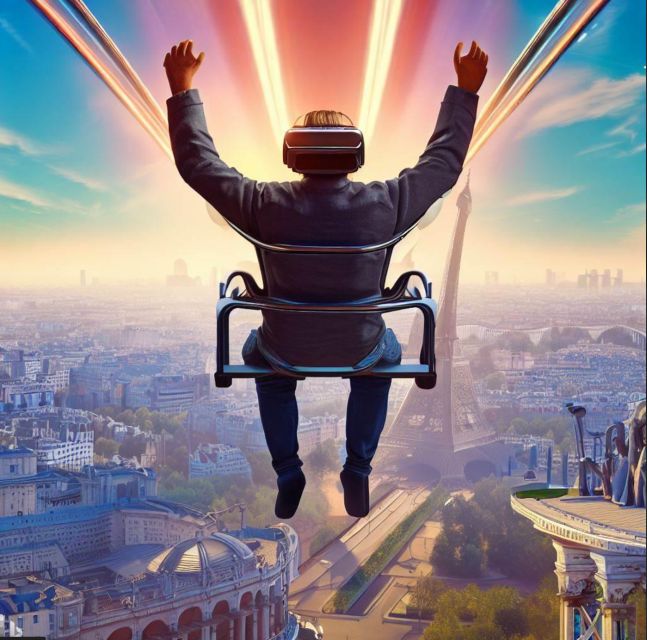
Let’s talk money honestly. $1,178 per person is a premium ticket price for a 90-minute museum experience. The only way it makes sense is if you’re confident you’ll get enough value from the format: an 850m2 science attraction with technology-driven presentations and a room-to-room story that feels like real entertainment.
Here’s how I’d evaluate value in your shoes:
- Are the tech elements you care about likely included, or will you pay extra on site for VR and an audio guide?
- Do you want a guided, structured experience, or do you prefer to wander and explore at your own pace like a traditional museum?
- Would you enjoy a “science show” style experience even if one or two effects underperform?
Some people felt the experience wasn’t testing enough, meaning the learning might not match the price if you were expecting lots of hands-on interaction. Other people loved the variety and the chance to experiment in different ways.
At this price point, I’d be more strict than I would at a $20 ticket. If you go, go with intent: treat optional add-ons as potential upgrades, not surprises, and focus on what you can do and see within those 90 minutes.
If the price is firm and nonnegotiable, it can still be a memorable one-off. Just don’t expect it to replace a full day of multiple museums. Think of it as an experience you choose for the tech-driven storyline.
Practical tips so you enjoy the experience more
These are small things that can make a big difference in a high-tech, fast-moving museum.
- Wear your reading glasses if you use them. If you struggle to read signage, you can lose the thread when you’re also trying to listen to an instructor.
- Plan for audio conflicts. If audio guide content and instructor explanations happen around the same time, it can be tough to keep up. If you’re prone to missing details, you may prefer to rely on the human guidance and consider the audio guide only if you feel you need it.
- Move as a group. Some operational hiccups involve groups crossing paths. If that happens, follow staff directions quickly so you don’t get stuck in the wrong flow.
- Keep your expectations realistic on interactivity. The experience is designed to be fun and educational, but the balance between testing and watching can vary by room and by day.
Who should book this ticket?
This is a good fit if:
- You want a short, structured science experience rather than a long museum day
- You like technology-driven learning, like video mapping and show-style presentations
- You’re traveling with kids who respond to movement, visuals, and playful science themes
- You’re curious about quantum physics concepts shown through visuals like lasers, teleportation-style effects, and levitation
You might skip or reconsider if:
- You need lots of hands-on testing in every room, and you would feel frustrated by sessions that are more watch-and-listen
- You’re extremely budget sensitive, because the price is high for a 90-minute visit
- You strongly depend on optional tech add-ons to enjoy the experience, and you don’t want to pay extra on site
Should you book? My decision guide
If your goal is a science story told through tech, moving rooms, and a quantum physics payoff, this ticket can be worth it as a one-time “wow” stop. The best parts are the variety of themes and the playful approach that can work well for children.
But with a $1,178 per person price tag, I’d only book if you’re comfortable with a show format and you can handle the possibility of a room not performing perfectly. If you go in with that mindset, you’ll spend your 90 minutes chasing the storyline, looking for the science tricks, and leaving with a few concepts that feel more real than a diagram.
FAQ
How long is the Science Expériences ticket?
The duration is 90 minutes.
Where is this experience located?
It’s in Ile-de-France, at Bercy Village (Paris area).
What scientific topics are included in the experience?
The course covers the borders of the universe, the depths of the abyss, the center of the earth, and ends with quantum physics themes such as laser, teleportation, and levitation.
Is the experience wheelchair accessible?
Yes, it is wheelchair accessible.
Are virtual reality and the audio guide included in the ticket?
No. Virtual reality simulators and the audio guide are not included, and there may be other options to pay for on site.
Can I cancel for a full refund?
Yes. Free cancellation is available up to 24 hours in advance for a full refund.
Do I have to pay immediately to reserve?
No. You can reserve now and pay later.
Is there an instructor during the experience?
Yes, there is an instructor.
What languages are available?
The provided information does not specify which languages are offered.
Recently added around Paris
- A 3 Days Tour of Belgium and Netherlands from Paris★ 5.0 · 4 reviews
- 3 Days Trip to Normandy, Loire and Mont Saint Michel from Paris★ 4.5 · 86 reviews
- Premium private tour of Paris in an Electric TukTuk (4 hours)★ 5.0 · 45 reviews
- Eiffel Tower Second or Summit Floor Access by Elevator with Views★ 3.5 · 161 reviews
- Paris City Tour 3h00 Citroën DS Vintage with Open Roof★ 5.0 · 4 reviews
- Louvre Private Tour – The Essentials and More with Expert Guide★ 5.0 · 227 reviews
- 2H Discovery Tour of Paris in 2CV CITROEN★ 5.0 · 19 reviews
- 2CV tour by night★ 5.0 · 55 reviews
Museums, compared.


Louvre Museum Masterpieces Guided Tour with Access
Read our review →
Louvre Museum Entry Ticket With Host and River Cruise
Read our review →
Les Invalides: Napoleon’s Tomb & Army Museum Entry
Read our review →
Louvre Museum – Exclusive Guided Tour (Entry Included)
Read our review →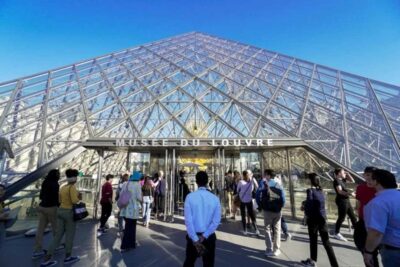
Louvre Museum Hosted Entry and Mona Lisa Audioguide
Read our review →
Louvre Museum Tour Mona Lisa & Iconic Masterpieces
Read our review →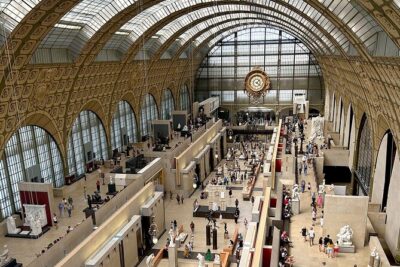
Browse the lists this tour appears in