
Reviewed · TICKETS
Paris: Paris Zoological Park Entrance Ticket
Paris Zoological Park is interesting because it turns a regular zoo visit into a kind of mini world tour, with animals grouped into biozones that feel like different continents in one day. I especially like the African zone for big, classic encounters like lions, giraffes, and zebras, and I also enjoy how the park mixes in smaller creatures too, from lizards and snakes to frogs and tarantulas.
The one drawback to plan around is that on some days you may run into a photo shoot or filming moment that can slow your route, so keep a little flexibility and don’t lock yourself into one fast timeline.
Key Highlights You Should Not Miss
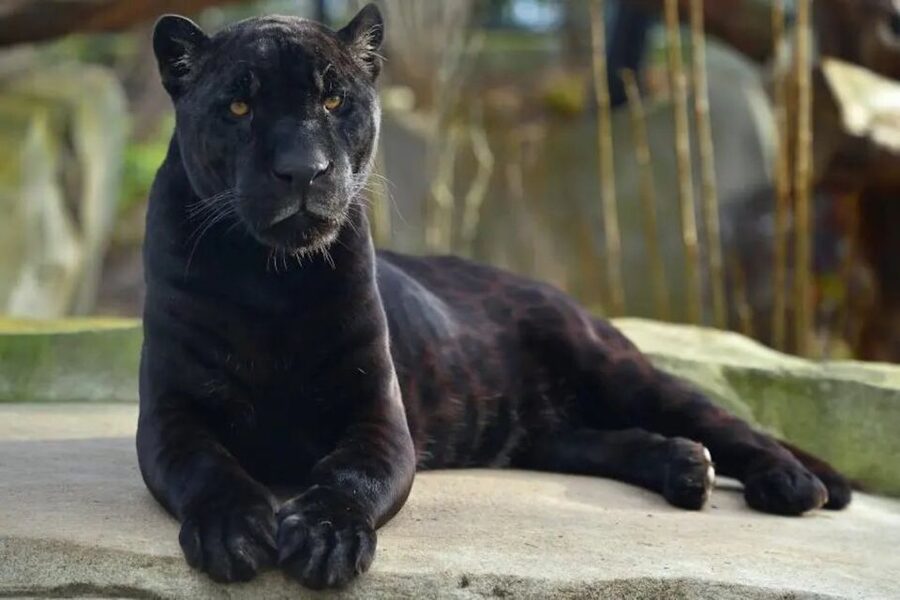
- Five biozones in one city park, with animals arranged by region so it feels more like roaming than just passing cages
- African zone classics: lions, giraffes, zebras, plus plenty of chances to watch daily animal routines
- Europe’s predators and water-lovers: wolves, lynxes, and otters
- Amazon rainforest energy, where you can see jaguars, monkeys, macaws, and even a surprisingly reptile-heavy mix
- Patagonia’s cooler favorites, including penguins, pumas, and pudus
- A family-friendly layout with good signage, lots of shade spots, and plenty of places to pause
A Zoo in Paris That Actually Feels Like Traveling

Paris Zoological Park has a smart setup. You do not just move from exhibit to exhibit. You move through five biozones that gently guide you across places like Europe, Madagascar, Africa, Patagonia, and the Amazon. It is a nice trick for kids and adults, because your brain keeps a map of where you are, even when you lose track of time.
I like that the park feels intentionally updated. It underwent two years of refurbishment work back in 2014, which shows in the overall polish and in how the animals’ spaces feel part of the design, not stuck on the side of a pathway.
You also get variety in a way that works for families. One moment you are looking at large animals like lions and giraffes. The next moment you might be watching smaller, less expected creatures like frogs, fish, or tarantulas. If you want a day that does not get repetitive, this delivers.
A few more Paris options to weigh up
- Paris: Louvre Museum Timed-Entrance Ticket
★ 4.6 · 71,977 reviews - Disneyland® Paris 1-Day Ticket
★ 4.6 · 49,412 reviews - Paris: Versailles Palace and Gardens Full Access Ticket
★ 4.6 · 41,579 reviews
Enter Fast: Skip the Line and Pick Your Timing
Your ticket gets you into Paris Zoological Park, and it includes skip-the-line entry through a separate entrance. That matters because this is a popular family outing in Paris. Even when the lines are not terrible, getting in without waiting lets you spend more time actually looking.
Plan your day around the park hours. The last admission is 1 hour before closing, and the ticket offices close 1 hour before the park closes. If you want a slower, fully satisfying visit, start early enough that you are not rushing your final biozone.
Also note one practical detail that people sometimes miss. If you borrow or rent any equipment during your visit, it needs to be returned no later than 30 minutes before closing. So if you are trying to do the last possible entry, build in time for that.
Where the Zoo Is (and Why Location Helps)

Paris Zoological Park sits at the intersection of Avenue Daumesnil and Ceinture du Lac, 75012 Paris. That places it in easy reach of the wider Bois de Vincennes area, which is a big deal for a full day out.
One reason I like this location for families is that it gives you options beyond the zoo. After you finish, you can keep walking in the surrounding parkland and get that slower, calmer pace that makes a city day feel less frantic.
If you are using ride-hail apps, the intersection address is useful. A couple of visitors have run into drop-off confusion when the destination name is not specific enough, so it helps to copy the park name into your app exactly as it appears in your booking.
Biozones 101: How the Park Keeps It Organized

The animals are grouped into five biozones, and the park layout is meant to be intuitive as you go. You will move from Europe to Madagascar, then across to Africa, and onward toward Patagonia and the Amazon. That “route by region” is not just for show. It helps you decide where to spend extra time.
The other thing to know is that the park does not limit itself to the big headline species. In addition to the five zones, you will find birds, lizards, snakes, tarantulas, frogs, fish, and a range of mammals. So even if you are focused on one or two favorites, the park keeps turning up surprises.
If you like animal routines, this setup also helps you watch behavior without feeling like you are constantly retracing your steps. You stay in a themed area long enough for the mood to shift naturally.
Still in Paris, but a different sort of outing:
- Paris: Evening River Cruise with Music
★ 4.4 · 22,721 reviews - Paris: Eiffel Tower Entry Ticket with Optional Summit Access
★ 4.4 · 20,035 reviews - Paris: Eiffel Tower Summit or Second Floor Access
★ 4.3 · 17,248 reviews - Paris: Louvre Guided Tour with Reserved Access & Boat Cruise
★ 4.3 · 16,353 reviews
African Zone: Lions, Giraffes, Zebras, and Real Viewing Time
The African zone is the best place to start if your group includes anyone who wants classic safari moments. This is where you can see lions, giraffes, and zebras, all grouped so you can compare animals that share a natural “habitat story.”
I like the practical value here: these are animals that many people recognize instantly, so it is easy for kids to stay engaged. Adults often like it too because it lets you focus on behavior. You are not just hunting for the animal sign. You are looking at how the animal uses space.
This zone also makes a strong case for the park’s refurbishment. People repeatedly comment on animals looking comfortable in open-style enclosures. That is what you want to see in a zoo: space that supports natural movement, not just a small “spot to glance at.”
Europe and Madagascar: Wolves, Otters, and the Surprise Factor
In the Europe biozone, you can look for wolves, lynxes, and otters. The mix is smart because it covers different environments, including animals associated with water. Otters in a zoo setting can feel especially satisfying because you often get active movement when they are feeding or exploring.
Madagascar is one of those zones that adds variety without forcing you to be an expert. Even if you do not know every species, the zone concept helps you pay attention. You start noticing patterns in enclosure design and animal behavior.
One tip: if you are visiting with kids, this is where you can turn it into a scavenger hunt. Ask them to find the next animal category, big mammal, bird, reptile, or amphibian, and then swap categories when you reach a new sign. It keeps them from getting bored while you work through the full route.
Amazon Zone: Jaguars, Monkeys, Macaws, and Reptile-Watching
The Amazon biozone is often the most exciting for people who like the rainforest feel. Here, you can spot jaguars, monkeys, and macaws. In real life, the Amazon area also tends to deliver plenty of reptile sightings, and that can be a pleasant surprise if you expected only birds and mammals.
I have always found rainforest-style exhibits rewarding because they encourage a slower pace. Even when you are not staring at a single animal for long, the atmosphere helps you keep exploring. In some parts of the Amazon, people also enjoy seeing reptiles and learning how different animals share the same themed space.
Do keep an eye on timing. If there is a photo shoot or filming activity in the general area, it can interfere with your path. If you notice people setting up equipment, take a short pause, then continue once they move through.
Patagonia Zone: Penguins, Pumas, and Pudus
Patagonia is the zone that gives your visit a cool-weather, high-latitude vibe even though it is still Paris. In this area, you can see penguins, pumas, and pudus.
The penguin factor is big. It is hard for penguins to disappoint, and they often become the anchor exhibit for families. The pumas also add a sense of drama, because big predator enclosures usually hold your attention longer than you expect.
Then there are pudus, the small deer-like animals that most people have never seen in person. That is why Patagonia works. It is not only about the recognizable animals. It also includes species that feel like a true discovery stop.
Shows, Feedings, and How to Get the Most Out of Your 3 to 4 Hours
A zoo visit can easily turn into a “walk until you get tired” day. To avoid that, I suggest you plan your time like you would for a museum: decide where you want your main moments, then fill around them.
Many visitors find that 3 to 4 hours is a solid minimum to see enough without rushing. If you want to slow down, watch more, and do extra stops, give yourself most of the day. The park may not feel huge at first glance, but the sheer number of animals and the biozone layout means you keep finding something worth pausing for.
Food and feedings help you do that pausing. You can often enjoy animal feeding opportunities, and seeing animals during routine moments tends to make your visit feel more alive than static viewing.
If you want something extra that is a little different from the main loop, there is also a bird walk-through. It is the kind of add-on that helps break up the heavier animal-exhibit areas without forcing you to cut corners.
Price and Value: Is $25 a Good Deal?
At about $25 per person, the ticket is positioned as a reasonable outing for a city like Paris. The value comes from two things: variety and time. You are not paying for one or two signature exhibits. You are getting five biozones, plus a lot of smaller animal displays.
I also like the fact that the park is in the city, which changes the math. You do not need a long transit plan, a hotel transfer, or a big schedule adjustment. People often describe it as a clean, well-kept zoo with good enclosures, and that is part of why it feels like good value instead of just a tourist checkbox.
One caution on value: food is not included. Some lunch options can be good, but other parts of the on-site food setup can feel overpriced for what you get. So if your group is hungry at noon, either budget carefully or bring snacks where allowed, and treat the cafe as a backup rather than your plan A.
Comfort Matters: Shade, Benches, and a Layout That Helps
A big reason this zoo gets recommended is that it is set up for real walking. It is well signposted, it is clean, and there are plenty of benches and shaded areas. That combination makes a difference on warm days.
I also appreciate that it does not feel like a chaotic maze. You can follow the map and keep moving without constantly backtracking, which helps if you have limited time or young kids who need frequent breaks.
Bathrooms are also part of the comfort picture. Some visitors have pointed out that not every toilet near the main entrance has a seat, so if cleanliness and comfort are high priorities for your group, expect that you might need to check which stalls are best.
Family Fit: Who Will Enjoy This Most?
Paris Zoological Park is a great match for families with kids who need both stimulation and structure. The biozones provide natural pacing, and the animal variety keeps attention from drifting too far.
It is also good for animal lovers who want something more than the usual big-animal parade. The park includes birds, amphibians, reptiles, and more, so you can tailor your interests as you go. If someone in your group is not into predators, you can focus on birds or smaller creatures for a while. If someone is obsessed with big cats or penguins, you can do a different loop.
Teenagers can enjoy it too. Even without a huge educational program described here, the mix of animals across zones and the chance to see routine feeding or active behavior tends to keep people interested.
Practical Tips Before You Go
Bring a camera. You will want it, especially if you like capturing the variety across continents.
Wear shoes that handle walking. Even if the park does not feel enormous, the biozone path adds up, and you will move more than you think, especially if you stop for multiple sightings.
If the weather is hot, use the shaded areas and benches. Reviews repeatedly mention that shade helps even when it gets warm. Start early, take breaks, and you will feel less pressure to rush.
Finally, keep your day flexible if you notice photo or filming setups in a specific area. A short pause and a change in route can save your whole mood.
Should You Book Paris Zoo Tickets?
Book it if you want a family-friendly day in Paris that feels like more than just one exhibit. The five biozones make the visit easier to structure, and the mix of animals, from lions and giraffes to penguins, pudus, wolves, otters, and Amazon species, gives you a lot of “yes, we saw it” moments.
Skip it if your group only wants the rarest, most expansive zoo in the world. This park is about variety and city convenience, not about being gigantic. Also be smart about food expectations since food and drinks are not included and the cafe experience can be mixed.
If you want a straightforward plan with strong value at around $25, Paris Zoological Park is a solid pick.
FAQ
What is included in the Paris Zoological Park entrance ticket?
The ticket includes entrance to Paris Zoological Park.
Are food and drinks included?
No, food and drinks are not included with the entrance ticket.
What animals and biozones can I expect to see?
The park is divided into five biozones. You can see animals associated with Europe (including wolves, lynxes, and otters), Africa (including lions, giraffes, and zebras), the Amazon (including jaguars, monkeys, and macaws), and Patagonia (including penguins, pumas, and pudus). The park also has other animals like birds, lizards, snakes, tarantulas, frogs, fish, and mammals of various sizes.
How much time should I plan for my visit?
Plan for at least a few hours, and if you want to see everything at a relaxed pace, plan a whole day.
Where is the zoo located?
Paris Zoological Park is at the intersection of Avenue Daumesnil and Ceinture du Lac, 75012 Paris.
Can I skip the line?
Yes. You can use a separate entrance for skip-the-line entry.
Is the park wheelchair accessible?
Yes, the park is wheelchair accessible.
When is the last time I can enter?
The last admission is 1 hour before the park closes for everyone, and ticket offices close 1 hour before closing.
Is there free cancellation?
Yes, you can cancel up to 24 hours in advance for a full refund.
How long is the ticket valid?
The ticket is valid for up to 700 days, and you should check availability to see starting times.
Recently added around Paris
- Paris: Louvre Museum Timed Entry Ticket & Pop Culture Tour★ 4.6 · 26 reviews
- Paris: Louvre Must-See Tour with Reserved Entry Ticket★ 4.9 · 164 reviews
- Paris: Louvre photoshoot or Seine bridges Eiffel Tower walk★ 5.0 · 49 reviews
- Louvre & Mona Lisa Morning Tour with Reserved Access★ 4.0 · 15 reviews
- Paris: Louvre Museum Skip-the-Line Tickets for Monalisa★ 3.0 · 42 reviews
- Paris: Louvre Museum Ticket with Optional Hosted★ 3.1 · 89 reviews
- Paris: Louvre Museum and Orsay Museum Guided Tour★ 5.0 · 6 reviews
- Paris: Louvre Museum Mona Lisa First Viewing Semi-Private★ 4.2 · 21 reviews
Tickets, compared.



Versailles Palace and Gardens Full Access Ticket
Read our review →
Eiffel Tower Entry Ticket with Optional Summit Access
Read our review →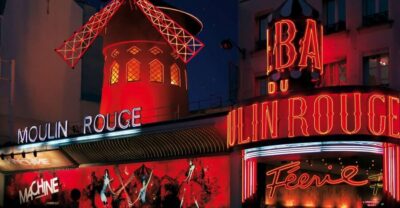
Moulin Rouge Cabaret Show Ticket with Champagne
Read our review →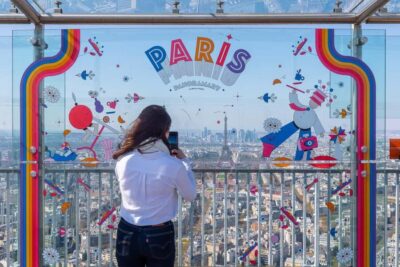
Montparnasse Tower Observation Deck Entry Ticket
Read our review →
Louvre Museum Entry Ticket With Host and River Cruise
Read our review →