
Reviewed · MUSéE D'ORSAY TOURS & TICKETS
Paris: Musée d’Orsay Private Guided Tour with Reserved Entry
This is a smart way to see Musée d’Orsay because you skip the stress of figuring out where to go and you get private guided context as you move through the galleries. I like the reserved entry setup, which keeps your time focused on art, not lines. I also like that you can set the pace, share questions, and steer the conversation toward what you actually care about. One possible drawback is that the tour is only 2 hours, so if you want to linger on tons of favorites, you may feel a bit rushed.
I also love the mix of what you’ll cover. The museum focuses on Western art from 1848 to 1914, so you’ll see the Impressionist and Post-Impressionist side up close, plus other major movements like Neoclassicism, Realism, and Symbolism. The result is that you’re not just “looking,” you’re building a map of how these styles relate to each other.
Finally, consider what’s not included. Your ticket covers the permanent collection, so temporary exhibitions are not part of this tour, and the audio phone (EUR 4.00) is optional but not included.
Key highlights worth planning around
- Reserved entry and a skip-the-ticket-line flow so your 2 hours start fast
- A private, expert guide who can explain what you’re seeing in plain language
- Flexible pacing that lets you pause where something clicks for you
- A curated museum arc from 1848 to 1914, including Impressionism and Post-Impressionism
- Conversation-based viewing, so you can share opinions with your guide as you go
Why a private Orsay tour beats wandering alone
Musée d’Orsay can be wonderfully satisfying, but it can also be a lot when you don’t know where to start. With a private format, you’re not guessing which rooms matter most or what you should look for beyond the obvious. You get someone actively guiding you through key works and themes, and that changes the whole museum experience.
I especially like when a guide connects the art to what’s happening around it. In this tour format, the guide commentary is built in, and it’s the kind of guidance that helps you see why certain pieces show up repeatedly in art history talk. Guides like Antoine, for example, are praised for placing artworks into broader context, including the museum itself and French art during the 1800s.
You also avoid the common trap of trying to do everything at museum speed. This tour is private, so if you want to spend a few extra minutes on a single painting or brushstroke, you can. If you want to move briskly, you can do that too.
More Orsay Museum tours and tickets:
- Paris in a Day: Louvre or Orsay, Eiffel Tower, City Walk & Cruise
★ 5.0 · 1,956 reviews - Paris: Musée d’Orsay Skip-the-Line Tour with Expert Guide
★ 4.5 · 1,145 reviews - Musée d’Orsay Skip-the-Line Tour with Expert Guide
★ 4.8 · 1,088 reviews
Reserved entry and the 2-hour timing sweet spot
This tour is designed around a 2-hour window, and that’s a key part of its value. Orsay is big enough that a self-guided visit can turn into aimless “checking boxes,” especially if you’re trying to coordinate with other plans that same day. Two hours gives you enough time to hit the major works and still feel like you had a real experience, not just a sprint.
Reserved entry plus a skip-the-ticket-line approach matters more than it sounds. Ticket lines can eat up your momentum, and museum time is precious when you’re paying per person. If you’re traveling in peak periods, shaving off that waiting can help your visit feel calm from the first minute.
One note for your expectations: you’re not covering every corner of the permanent collection. You’re covering the highlights and the connections between them, and that makes the time feel purposeful.
Where you start: the Musée d’Orsay esplanade and a clean drop-off
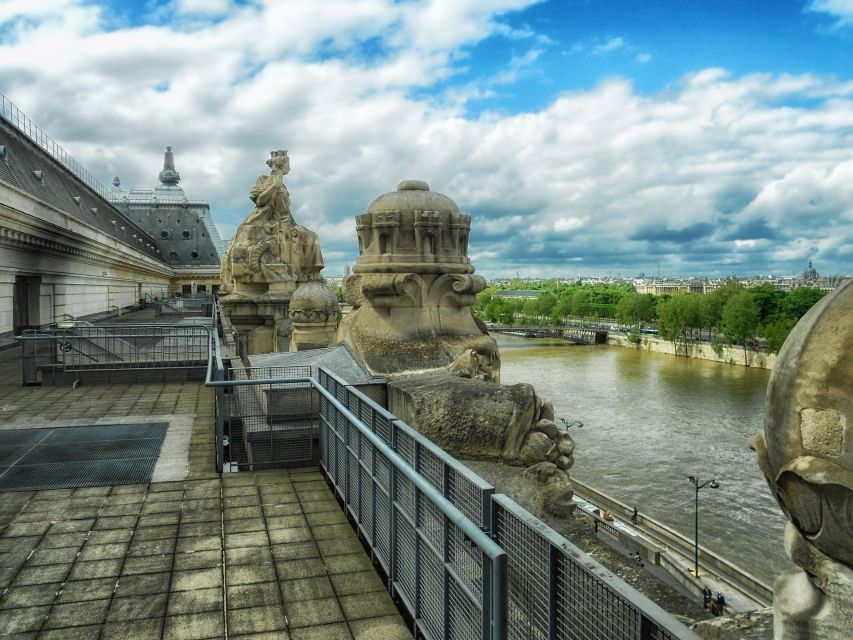
You’ll meet at the Esplanade du Musée d’Orsay. The meeting point can vary depending on which option you book, so I’d plan to confirm your exact pickup location when you receive your details.
The tour also lists the same esplanade as the drop-off area. That’s practical, because you won’t be stuck figuring out how to get back across town or how to close the day logistically after the museum. It’s a small thing, but good planning reduces friction, and you feel it when you’re tired.
What the guide actually does inside the museum
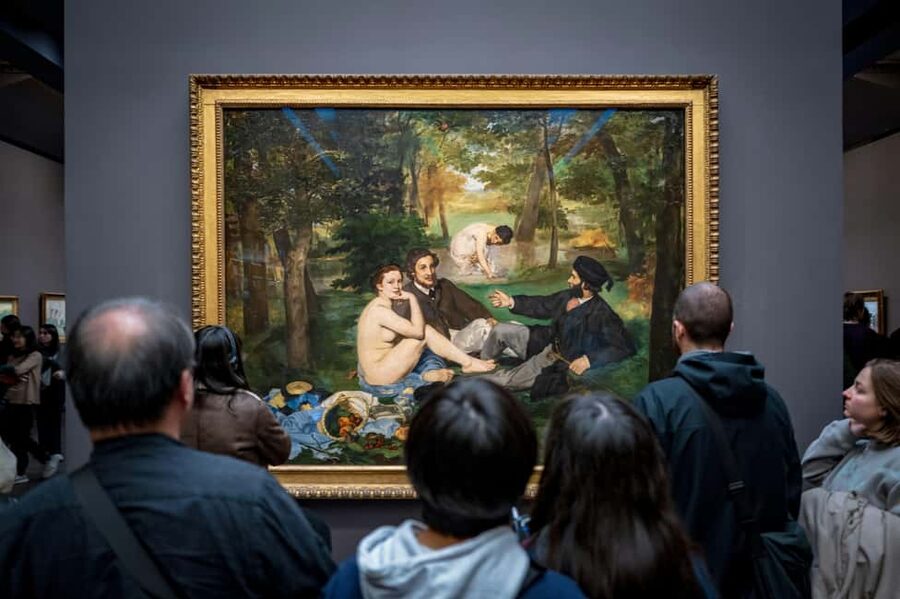
Once you’re in, the main event is not just walking from room to room. Your guide is there to talk with you while you look, and you’re encouraged to share opinions about what interests you. That keeps the tour from feeling like a lecture you endure. Instead, it feels like a guided conversation with a visual agenda.
In a strong private tour like this, the guide commentary helps you notice things you’d otherwise miss. Think about composition, subject choices, and the way styles shift across the museum’s timeline. It also helps you understand why you might see similar themes across different artists, even when the brushwork and mood look totally different.
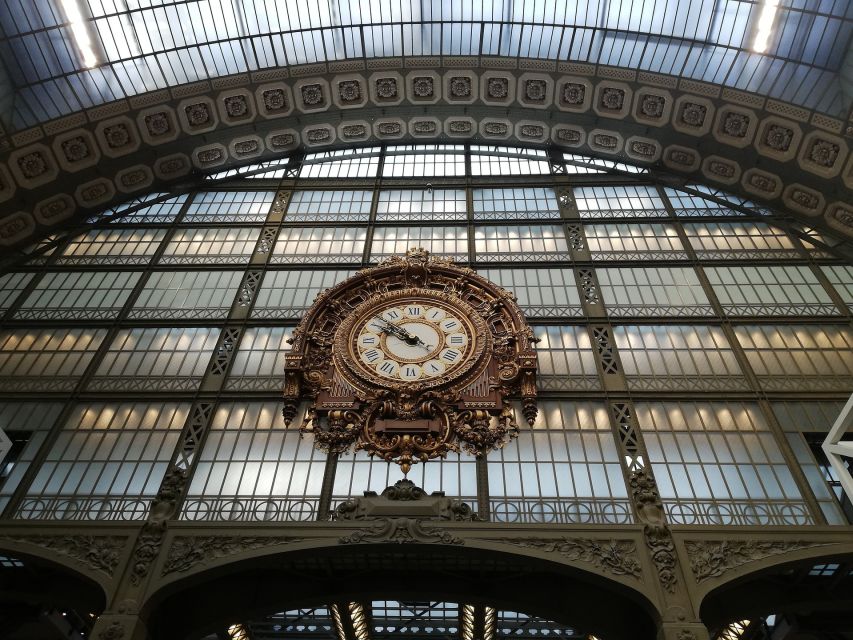
Guides are also covering the museum itself, including its history and architecture. That matters because the building and the layout influence how you experience art. When someone explains those layers, your visit stops being only about the paintings and becomes about the whole context.
A few more Paris options to weigh up
- Paris: Louvre Guided Tour with Reserved Access & Boat Cruise
★ 4.3 · 16,353 reviews - Louvre Museum Masterpieces Guided Tour with Access
★ 4.5 · 12,023 reviews - Louvre Museum – Exclusive Guided Tour (Entry Included)
★ 5.0 · 6,296 reviews - Versailles: Skip-the-Line Guided Palace Tour and Full Access
★ 4.6 · 5,214 reviews
The 1848 to 1914 story you’ll follow, piece by piece
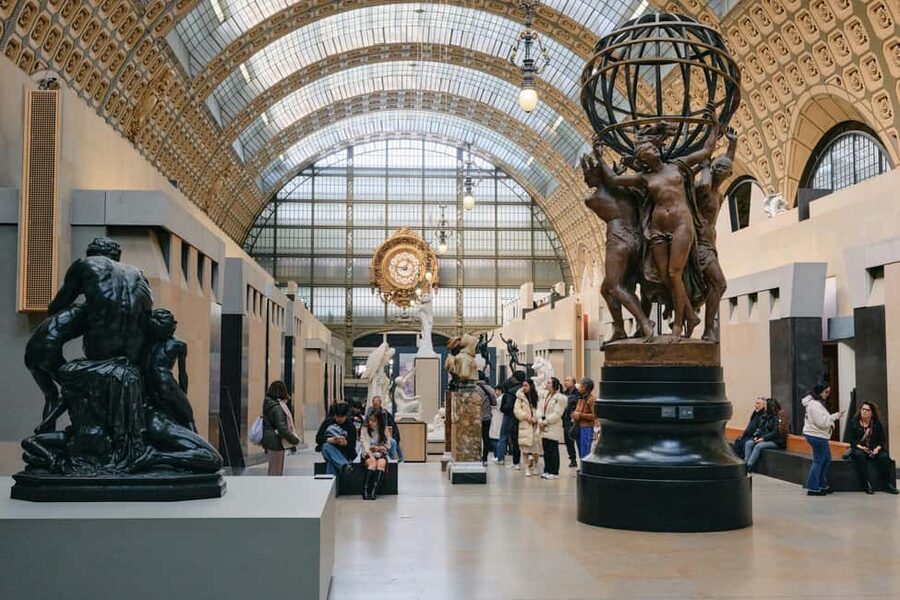
Musée d’Orsay’s permanent collection focuses on Western art from 1848 to 1914, and this tour uses that framework. That’s a big advantage. Instead of treating Impressionism as isolated masterpieces you “either like or don’t,” you start seeing the bigger timeline story that connects the movements.
Here’s the practical effect for you: you’ll get Impressionist and Post-Impressionist works as anchor points, but you’ll also encounter major works of Neoclassicism, Realism, and Symbolism. That blend helps you understand art style as something that changes with ideas, culture, and taste, not just as a random set of famous names.
And because you can share what interests you, the tour can feel personalized even within a fixed 2-hour structure. If you’re drawn to color and light, you’ll likely get more time on those visual cues. If you’re more interested in realism or symbolic themes, you’ll be able to say so and guide the conversation that way.
Impressionist and Post-Impressionist works, explained in a way that sticks
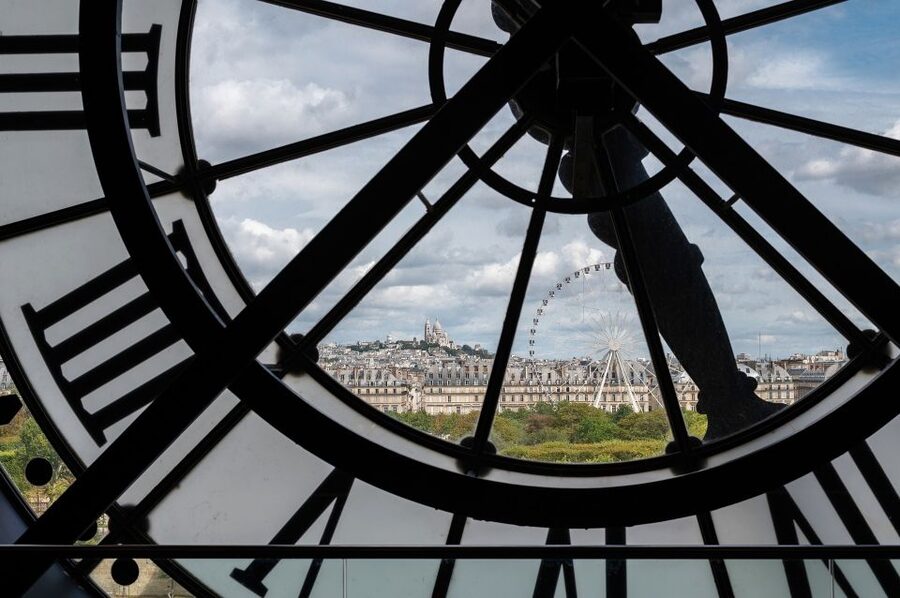
The highlight promise here is a chance to admire world-famous works from the Impressionist Movement and beyond. You’ll see work by Monet, Van Gogh, Degas, and more. Those names do a lot of work for you, because they’re instantly recognizable, even if you’re not an art scholar.
What makes the guide format valuable is how the commentary turns recognition into understanding. A famous artist doesn’t automatically make a painting meaningful. The guide helps you connect what you’re seeing to what the style is doing. For example, you might learn what’s emphasized, what’s simplified, or how the mood changes from one work to another.
The best versions of this tour also keep you from getting “stuck in captions.” You’re not just reading small labels. You’re hearing why certain works matter and how they relate to the museum’s larger story. That’s the difference between knowing the name and knowing the painting.
Neoclassicism, Realism, Symbolism, and why that mix matters
A lot of first-time Orsay visits focus on Impressionism because it’s the most famous pull. This tour intentionally adds Neoclassicism, Realism, and Symbolism. That mix is a real benefit if you want to leave with a fuller picture, not just a favorite style.
For you, this means you can compare. You’re able to see how different artists approached similar subjects with different goals. You might notice the shift from more idealized forms to more everyday realism, or the move toward symbolic ideas and heightened emotion. Even in short time, that comparison creates a mental framework that makes later museum visits easier.
The guide’s role is to help these categories click. Instead of feeling like you’re being handed a textbook, you get those ideas attached directly to what you’re standing in front of.
Learning to watch art: conversation beats passive listening
One underrated part of this experience is that you’re invited to share your opinions as you go. That’s not just friendliness. It changes how you pay attention.
When you respond to what you see, your brain stays engaged. If the guide asks you what you’re noticing or why a work feels a certain way, you’re forced to look more carefully. And if you’re unsure, you’re not stuck. You can ask for clarification, and the guide can adjust the explanation to your interests.
This is also where private pacing helps. If you want to talk through a few works slowly, you can. If you want a brisk tour that still covers the key points, you can keep moving without feeling guilty or rushed by other group members.
Languages and private group comfort for real-life planning
This is a private group tour with a live guide available in multiple languages: Spanish, German, Italian, Portuguese, Russian, Chinese, Japanese, English, and French. That matters if you want smooth communication instead of relying on partial translations or trying to piece together museum meaning through labels only.
If you’re traveling with people who think differently, private grouping makes life easier too. Everyone gets the same guide, but the guide can still adapt the pace and focus based on your interests. That kind of flexibility is hard to find in larger group tours.
Wheelchair accessibility is also supported if you inform the operator beforehand. If mobility is part of your planning, this is worth mentioning early so the experience can be matched to your needs.
Price and value: is $282 per person worth it?
At $282 per person for a 2-hour private tour, you’re paying for three things: time saved, explanation delivered by a live guide, and a format that stays flexible.
If you were to visit Orsay on your own, you’d still get the art, but you’d lose the guided context that helps you connect Impressionism, Post-Impressionism, and the surrounding movements into a coherent story. The reviews you can lean on here point to the guide experience as a major part of the value, especially with guides like Antoine who connect artworks to the broader history of French art and the museum itself.
Is it pricey? Yes, and you should expect that. But if you care about getting something meaningful from your limited time in Paris, the cost can feel justified. You’re buying focus, and you’re buying a human who can explain what you’re looking at while you’re standing in front of it.
Who should book this Musée d’Orsay private tour
This tour is a great fit if you:
- Want a guided path through major works without trying to plan room-by-room
- Enjoy art history when it’s explained in context, not as a list of facts
- Prefer a smaller, conversation-friendly experience over group logistics
- Are short on time but still want a museum visit that feels intentional
It might be less ideal if you’re the type who likes to roam freely and spend long stretches on your own favorites. With only 2 hours, you’ll be guided through highlights rather than giving you total freedom to wander every gallery at your own rhythm.
FAQ
FAQ
How long is the private Musée d’Orsay guided tour?
It runs for 2 hours.
Does this tour include museum tickets?
Yes. It includes a ticket for the permanent collection.
Will I skip the ticket line?
Yes, this tour includes reserved entry and a skip-the-ticket-line flow.
What languages are available for the live guide?
The guide can be in Spanish, German, Italian, Portuguese, Russian, Chinese, Japanese, English, or French.
Is the tour wheelchair accessible?
It is wheelchair accessible if you inform the operator beforehand.
Are temporary exhibitions included?
No. Temporary exhibitions are not included.
Where do we meet for the tour?
The meeting point may vary by option, but the stated starting and drop-off area is the Esplanade du Musée d’Orsay.
Is there free cancellation?
Yes, you can cancel up to 24 hours in advance for a full refund.
Should you book this private Orsay tour?
If you want your Musée d’Orsay visit to feel efficient and meaningful, I’d book it. Reserved entry plus a private, conversation-driven guide format is a strong match for travelers who want more than just looking at famous names. The only real reason to skip is if you’re determined to self-explore for a long time or if temporary exhibitions are your top priority.
Recently added around Paris
- A 3 Days Tour of Belgium and Netherlands from Paris★ 5.0 · 4 reviews
- 3 Days Trip to Normandy, Loire and Mont Saint Michel from Paris★ 4.5 · 86 reviews
- Premium private tour of Paris in an Electric TukTuk (4 hours)★ 5.0 · 45 reviews
- Eiffel Tower Second or Summit Floor Access by Elevator with Views★ 3.5 · 161 reviews
- Paris City Tour 3h00 Citroën DS Vintage with Open Roof★ 5.0 · 4 reviews
- Louvre Private Tour – The Essentials and More with Expert Guide★ 5.0 · 227 reviews
- 2H Discovery Tour of Paris in 2CV CITROEN★ 5.0 · 19 reviews
- 2CV tour by night★ 5.0 · 55 reviews
Musée d'Orsay Tours & Tickets, compared.
Paris in a Day: Louvre or Orsay, Eiffel Tower, City Walk & Cruise
Read our review →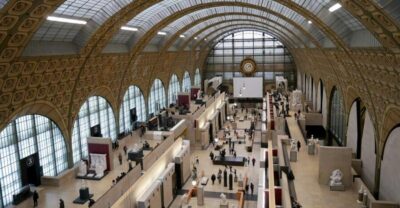
Musée d’Orsay Entry Ticket and Seine River Cruise
Read our review →
Musée d’Orsay Skip-the-Line Tour with Expert Guide
Read our review →
Musée d’Orsay Skip-the-Line Tour with Expert Guide
Read our review →
The Musée d’Orsay Guided Tour Orsay Museum Semi-Private 6ppl Max
Read our review →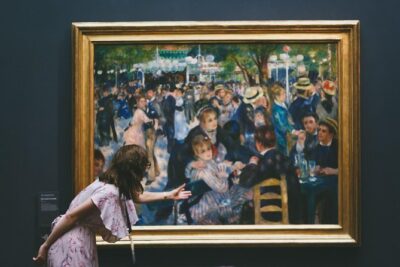
Louvre & Musée d’Orsay Guided Museum Tour Semi-Private 6ppl Max
Read our review →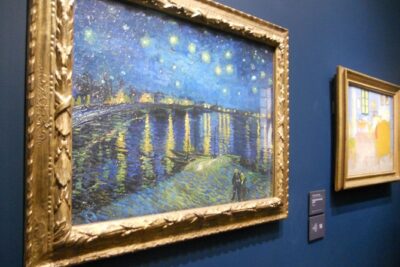
Browse the lists this tour appears in