
Reviewed · NORMANDY & D-DAY TOURS
2- to 6-hour sidecar excursion on the D-Day Landing Beaches
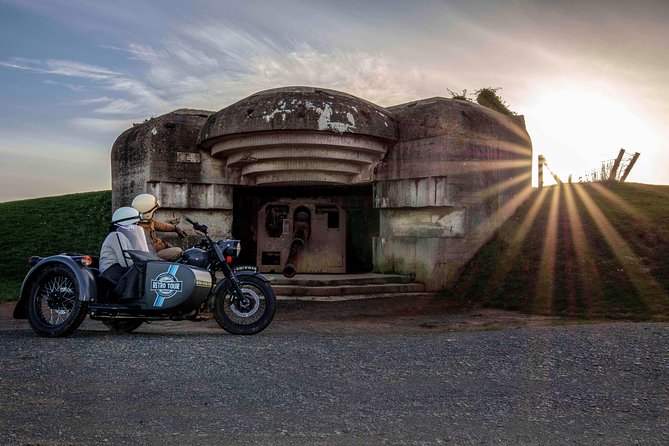
A vintage sidecar tour across the D-Day beaches is one of those rare ways to mix speed, scenery, and serious history without it feeling like a lecture. You get to move between key sites through Normandy roads, then stop where the details matter. I love the on-bike comfort touches, like the included helmets, gloves, and vintage goggles.
Second, I like how the route traces the story from the beaches to the supporting infrastructure and defenses. You’re not just seeing plaques, you’re learning why certain places were hit, why some were spared, and how the Allies kept moving. The one drawback to plan for is the weather and the wind, because this is an open-air motorcycle experience.
If it rains or blows hard, you’ll feel it. The good news is you do get rain gear, and the guides seem practiced at keeping the experience enjoyable even when conditions are less than postcard perfect.
Key points worth knowing
- Private, small-group format keeps the pace human and your questions welcome
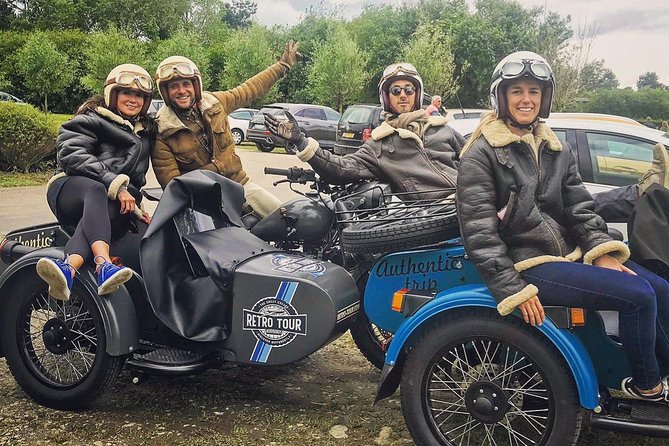
- Vintage sidecar comfort kit includes helmets, gloves, goggles, and rain gear
- British and American sectors can be mixed depending on your time choice
- Omaha Beach plus the cemetery gives you both the sand and the memorial view
- Pointe du Hoc is only for the longer 6-hour option
- Guides like Rémi and Philippe are known for blending facts with humor and real stories
Why a sidecar ride over D-Day roads feels different than a van
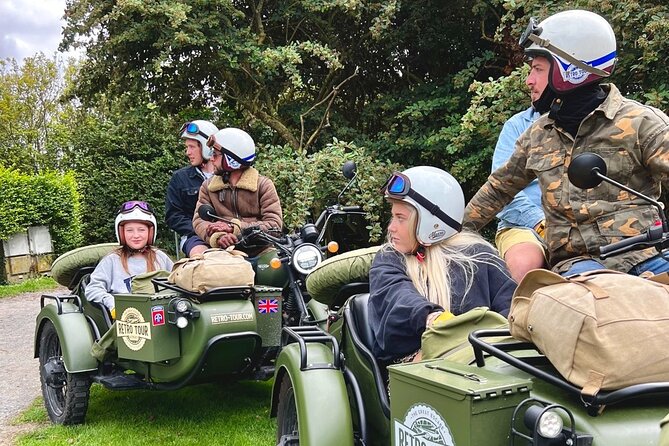
This tour has a simple idea that works: go fast enough to feel the place, then slow down where the history gets heavy. The sidecar changes how you absorb Normandy. Roads through fields and coastal towns feel more immediate than sitting in a van, and you also get more chances to stop for photos without the usual bus-station choreography.
I also like the vibe this kind of tour creates. You’re not stuck staring at a timetable while someone tells you what happened. Instead, you watch the scenery roll by, then the guide connects it to what occurred there. It makes the long distances between sites feel purposeful.
Do note the experience is physical in a small way. You will ride, you may walk around memorial areas, and you’ll want to dress for wind chill. Even with rain protection, you’ll still feel the outside weather on an open motorcycle ride.
More vintage 2CV and sidecar rides:
- Private vintage sidecar tour of the D-Day Landing Beaches
★ 5.0 · 130 reviews - Normandy WWII Private Half-day Sidecar Tour From Bayeux
★ 5.0 · 99 reviews - Bayeux: 2-hour tour of the D-Day beaches, by vintage sidecar
★ 4.9 · 64 reviews
Meeting in Bayeux and getting suited up for the ride
Your Gentleman Sider meets you with his vintage sidecar at your chosen pickup spot, or at the Bayeux Battle of Normandy Museum parking area, or the Bayeux bus station. He helps you gear up right before you set off. That means helmets, gloves, and retro goggles are handled for you, so you can focus on getting comfortable instead of shopping for the right basics.
Once you’re seated, you get the best kind of break built into the trip: regular stops for photos and stretching your legs. The pacing matters here because the route links multiple sites, and you do not want to arrive at the serious stops already exhausted.
From my point of view, the pickup flexibility is a quiet win. If you’re staying in Bayeux, you can keep things easy. If you’re arriving by bus or already near the museum area, it’s also simple to meet right where the day naturally starts.
British sector stops: Arromanches-les-Bains and Longues-sur-Mer
If you choose the British-sector time slots, you’ll spend your ride focused on how the Allies made Normandy work right after June 6, 1944.
Arromanches-les-Bains and the Mulberry harbor story
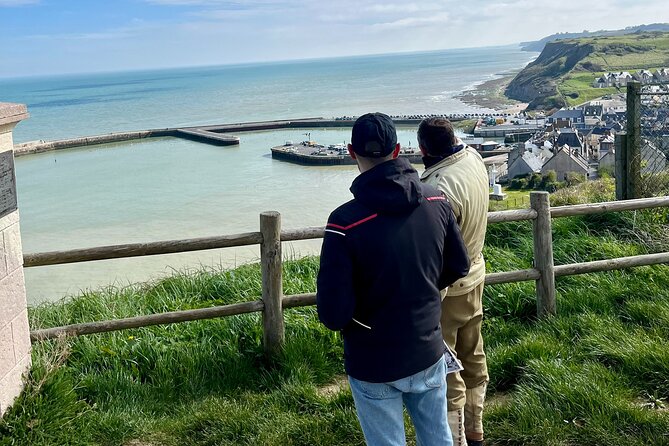
Arromanches-les-Bains is where the Allies built Mulberry B, a temporary harbor meant to move heavy equipment onto the shore without waiting for deep-water ports like Le Havre or Cherbourg. This mattered because the campaign did not stop after the landings. Logistics had to start working immediately.
What I like about this stop is that it explains why Arromanches got spared compared to the most punishing fighting zones. The harbor needed the beach and nearby routes intact, so the fighting shifted farther east between Asnelles and Ver-sur-Mer. You get a sense of how decisions on June 6 shaped what you see later.
Expect a smooth stop here, about an hour. The site admissions are free, so you can spend your time on the explanations and your own pacing.
More Normandy and D-Day trips:
- Normandy American D-Day Beaches Full Day Tour from Bayeux
★ 5.0 · 2,103 reviews - Normandy American D-Day Experience – Group tour from Bayeux
★ 5.0 · 1,566 reviews - Normandy Beaches Half-Day Afternoon Trip from Bayeux (A2)
★ 4.5 · 1,116 reviews - Omaha and Band Of Brothers Full Day Tour
★ 5.0 · 1,104 reviews
Longues-sur-Mer and why the Atlantic Wall still feels real
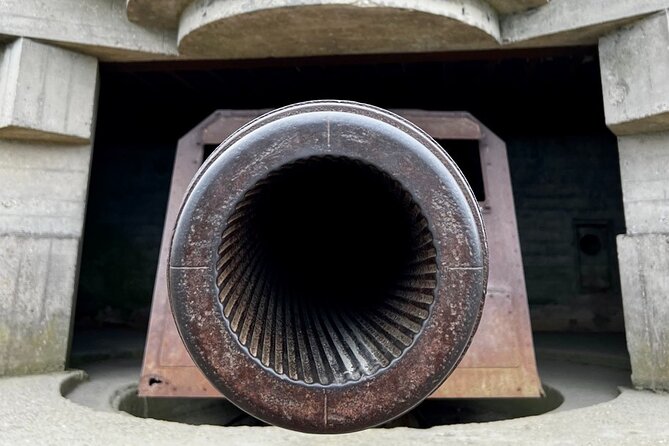
Longues-sur-Mer is a preserved artillery battery from the Atlantic Wall: four long-range 150 mm naval guns protected by reinforced concrete. On D-Day, bombardments kept the guns from fully engaging. The battery was then captured the following day by British troops.
This is one of those places where you look at structures and instantly understand how strong the position was. The site is listed as a Historic Monument, developed for visitors, and popular for a reason. You get the sense of scale without needing special equipment.
Plan on about an hour. If you want the most out of it, ask your driver questions about what the Germans could do from here and what the Allies needed to prevent. The best tours are not just about seeing objects, they are about understanding the threat.
American sector stops: Port-en-Bessin-Huppain, Omaha Beach, and the cemetery
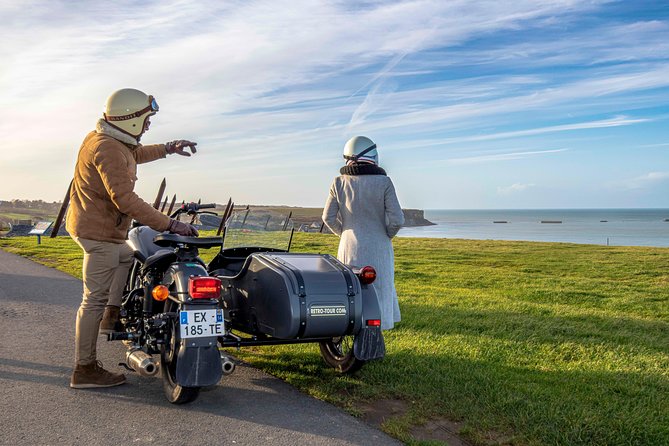
If you choose the American-sector options, the day shifts to fuel, movement, the landing itself, and then the memorial aftermath.
Port-en-Bessin-Huppain and the 120 km fuel pipeline angle
Port-en-Bessin-Huppain was liberated June 8, 1944 by the 47th Royal Marines Commando during Operation Overlord. By June 16, it became a hub for a roughly 120 km pipeline network designed to supply Allied armies with fuel.
Here’s why this stop is valuable. Many D-Day tours focus on the beachhead and the tanks. This one points you toward the less obvious truth: you cannot sustain an advance without supply lines. By the end of August 1944, Operation PLUTO expanded the idea with underwater pipelines between the Isle of Wight and Querqueville near Cherbourg.
You’ll have a shorter stop here, about 30 minutes. That’s enough time to connect the dots, especially if your guide helps you understand how fuel shaped the pace of the campaign.
Omaha Beach on the sands
Omaha Beach is one of the iconic landing sites for a reason. This is where thousands of American soldiers landed amid intense gunfire and artillery bombardment. Your guide shares accounts of the challenges the soldiers faced, and the walk helps you ground the story in the physical space.
Plan on about 30 minutes on-site. The most meaningful use of that time is not rushing. Pause, read the memorials, and let the guide’s explanation land before you move on. This tour’s strength is that it gives context, then gives you a small window to absorb it on your own.
The Normandy American Cemetery at Colleville-sur-Mer
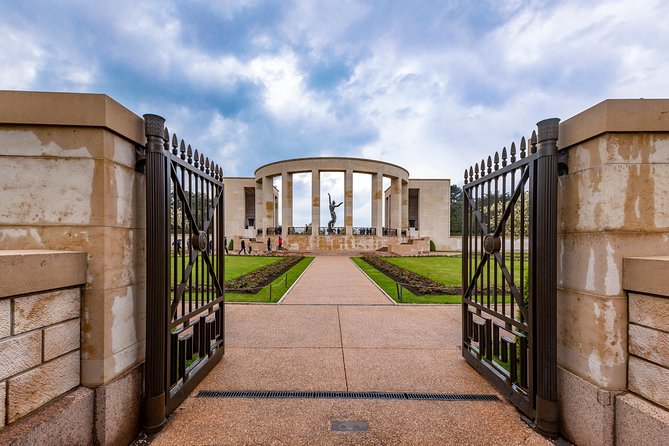
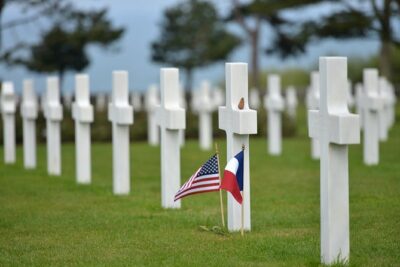
Perched on a cliff overlooking Omaha Beach, the Normandy American Cemetery and Memorial offers a moving tribute to those who died. You’ll walk among rows of white marble crosses and Stars of David, and your guide will share stories about individuals buried here and the historical impact of the sacrifice.
One very practical point: low season can mean earlier closure. Also, any tour starting at 4:00 PM may not include the cemetery. Starting in 2026, the visit to the Omaha cemetery cannot be guaranteed and may be replaced by a visit to WN60, so if cemetery time is your priority, I’d double-check the day’s schedule before you lock in.
Expect about an hour at the cemetery when it’s included. This is also where I’d encourage you to ask for a moment to slow down, because the emotions here are real and the space invites it.
Pointe du Hoc on the 6-hour option: the artillery threat between beaches
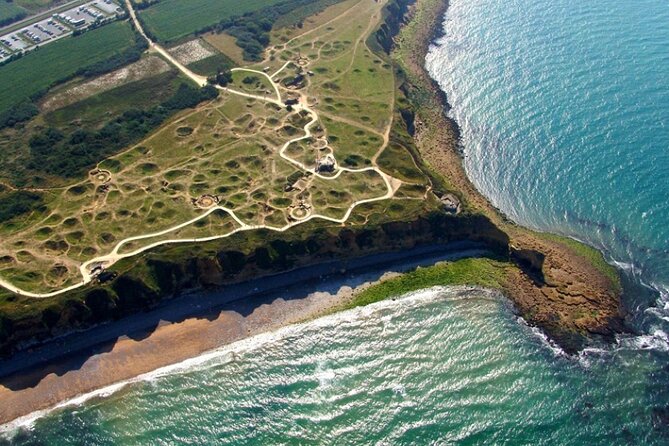
Pointe du Hoc is only for the 6-hour option. It sits between Utah Beach to the west and Omaha Beach to the east, and it was heavily fortified by the Germans (including the site identified as WN 751).
Allied aerial reconnaissance found long-range artillery pieces that could threaten neighboring beaches, which is the crux of why this place became a strategic battleground on June 6, 1944. The Allied plan depended on neutralizing those guns fast enough to protect the landings downstream.
If you want one stop that feels like pure strategy, this is it. The setting gives you natural lines of sight and a strong sense of how artillery placement could affect an entire coastline. It’s about courage, yes, but also about planning and timing.
Half-day versus full-day timing: what changes in what you see
Your total time range is about 2 to 6 hours, and the route options are built around sectors. A shorter ride is ideal if you want the core sites without the longer day. A longer ride is ideal if you want a fuller narrative, including the more tactical viewpoints like Pointe du Hoc.
Here’s how the stops tend to map:
- Arromanches and Longues-sur-Mer show up in the British-sector selections, plus longer half-day and full-day options.
- Port-en-Bessin, Omaha Beach, and the cemetery show up in the American-sector selections, plus longer options.
- Pointe du Hoc is reserved for the 6-hour itinerary.
The “timing trap” to watch is cemetery access near closing. If you’re traveling in colder months or if your departure time is later in the day, you may lose the cemetery portion. If memorial time is non-negotiable for you, pick your time window carefully.
What to wear for Normandy wind, and how rain gear helps
This tour is weather dependent. It requires good weather, and if it’s canceled due to poor conditions, you’ll be offered a different date or a full refund.
Even when the day is not raining, the coast can be windy. I’d treat warmth as part of your packing checklist. The guidance you’ll want to follow is simple: layer up, and bring something for your neck and face. People who ride in October and winter often stress how chilly the wind can be on the motorcycle.
The company provides rain gear, and that’s a real help. One of the most practical review takeaways is that even on damp mornings, the provided gear keeps things tolerable. Still, plan as if you might get both wind and mist, because you’re outside for part of the ride.
Guides, pacing, and why small groups matter here
This is a private tour/activity. Only your group participates, and the maximum is six people per booking (up to twelve upon request). That small number changes everything. It means you can ask questions without feeling like you’re holding up a parade, and your driver can adjust the pace based on what you care about.
You’ll also hear different personalities depending on the pilot and guide. Names like Rémi, Philippe, Thomas, and Jack show up in accounts, and the common thread is that the guides blend facts with a human tone. People often highlight the way the guides keep it respectful but not stiff, with stories that go beyond dates and locations.
This matters for D-Day because the subject is serious. The best guides do two things at once: they give you enough detail to understand the battle, and they also help you feel the weight without turning the tour into a grim slog.
Price and value for $169.31 per person
At $169.31 per person, the price is not low in absolute terms. But it can be good value when you consider what you’re buying: a guided, multi-stop route across key beaches and memorial points, plus premium ride comfort like helmets, gloves, goggles, and rain gear.
You’re also paying for time. Getting between Bayeux and multiple D-Day sites by yourself is doable, but it takes planning and driving, and it’s hard to fit in the emotional stops with the right pacing. With this tour, you get the road time plus the interpretation time folded together.
The other value lever is group size. With a private group capped at six, you’re not splitting the experience with a crowd. That can make the price feel more reasonable compared with larger group coach tours where your questions might get brushed aside.
Should you book this sidecar D-Day tour
Book it if you want a short, vivid way to cover major D-Day sites, and you like learning while moving. It’s a great fit for first-timers who want structure, and it works well when you want something different from the usual van tour.
Pass or adjust your expectations if you hate wind, feel uncomfortable on open-air vehicles, or your schedule makes weather a big risk. Also think about your priorities: if you must see the cemetery, watch the time of day. If you want Pointe du Hoc, you’ll need the longer 6-hour option.
My practical advice is this: dress for cold and bring something for your neck. Then show up ready to ask questions. The guides are the reason this ride turns from a scenic shortcut into a real understanding of what happened along this coastline.
FAQ
How long is the sidecar excursion?
It runs about 2 to 6 hours, depending on which option you choose.
Where can I meet the guide and sidecar in Bayeux?
You can meet your Gentleman Sider at a pickup location of your choice, or at the Bayeux Battle of Normandy Museum parking lot, or at the Bayeux bus station.
What is included for riding comfort?
You get helmets, gloves, vintage goggles, and rain gear.
Are any sites admission tickets included?
The listed stops are noted as admission ticket free in the tour details.
Is lunch included?
No. Lunch or dinner is not included, and the drivers can recommend restaurants if you want them.
How large are the groups?
The tour is private, with up to six people per booking (up to twelve upon request).
What are the minimum age and pet rules?
The minimum age is 4 years old, and service animals are allowed.
What is the cancellation policy?
You can cancel for a full refund up to 24 hours in advance. If you cancel less than 24 hours before the start time, the amount paid is not refunded. If it’s canceled due to poor weather, you’ll be offered another date or a full refund.
Recently added around Bayeux
- WW2 Jeep or Dodge truck tour of the Omaha Beach site★ 5.0 · 51 reviews
- Normandy U.S Beaches & D-DAY Sites Private Tour From Bayeux★ 3.5 · 5 reviews
- Private vintage sidecar tour of the D-Day Landing Beaches★ 5.0 · 130 reviews
- Normandy Battlefields D-Day Private Trip with VIP Services from Paris★ 5.0 · 240 reviews
- Private guided Allied D-Day Tour from Bayeux★ 5.0 · 45 reviews
- Private guided British D-Day Tour from Bayeux★ 5.0 · 14 reviews
- Mont Saint Michel Experience – Shuttle Service from Bayeux★ 5.0 · 194 reviews
- Private Tour to Bayeux, Honfleur and Pays d’ Auge from Bayeux★ 4.5 · 12 reviews
Normandy & D-Day Tours, compared.

Normandy D-Day Sites & Cemetery Day Trip from Paris with Lunch
Read our review →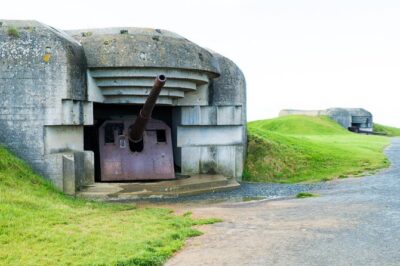
Normandy D-Day Small-Group Day Trip with Omaha Beach, Cemetery & Cider Tasting
Read our review →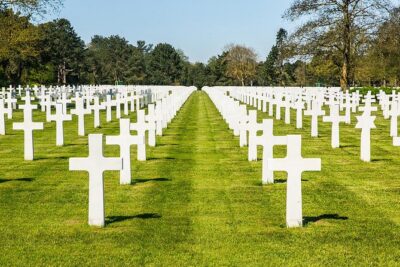
Normandy D-Day Beaches and American Cemetery Day Trip from Paris
Read our review →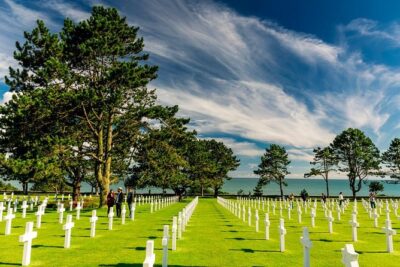
Normandy American D-Day Beaches Full Day Tour from Bayeux
Read our review →
Normandy American D-Day Experience – Group tour from Bayeux
Read our review →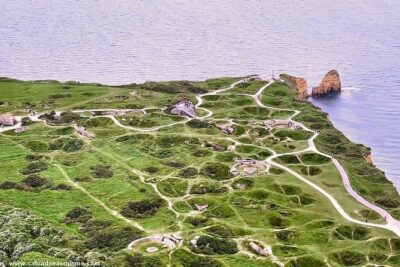
Normandy Beaches Half-Day Afternoon Trip from Bayeux (A2)
Read our review →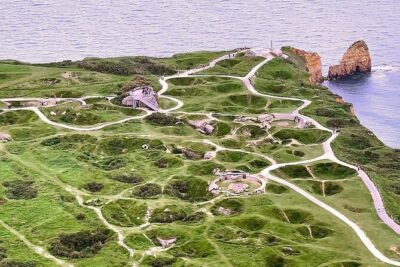
Omaha Beach D-Day Experience – Afternoon group tour from Bayeux
Read our review →Browse the lists this tour appears in